REVIEW · PAJU SI
From Seoul: DMZ Tour and North Korea Experience Hall
Book on GetYourGuide →Operated by Sunny Seoul Korea Tour · Bookable on GetYourGuide
A DMZ day that actually explains itself. I like how the North Korea Experience Hall uses replicas, videos, and daily-life items to make the North feel real, not abstract, and I also like the live defector session plus the commemorative photo. One thing to think about first: a valid passport is required, and the full day runs about 8–9 hours.
This is the kind of tour where the border stops make sense in order, not as random photo points. You’ll get an English-speaking guide, transport from Seoul pickup points, and guided time at the major sites—so you’re not trying to decode geopolitical history on your own. The trade-off is that it’s a packed schedule with limited time at each location, so if you hate walking or you need accessible routes, you’ll want to skip it.
In This Review
- Quick take before you go
- Price and value: what $40 buys you in real terms
- Pickup and timing from Seoul: plan your day like a pro
- The North Korea Experience Hall: what makes it more than a museum
- The defector Q&A and the special photo: the moment that lingers
- Imjingak: where the story starts with symbols
- The Freedom Bridge and the DMZ viewpoints: learning what you’re looking at
- Mangbaedan and the Third Tunnel of Aggression: why underground matters
- Dora Observatory: the classic view, with a reality check
- Gamaksan Suspension Bridge and Aegibong Peace Eco Park: where the day softens
- Gyeongbokgung on the same day: a smart endcap, if you still have energy
- Logistics that actually matter: passport, walking, and group rules
- If you’re choosing a guide: what to look for on the day
- Final thought: should you book this DMZ + North Korea Experience Hall tour?
- FAQ
- How long is the DMZ and North Korea Experience Hall tour?
- What sites are included in the tour?
- Do I need a passport for this tour?
- Is there an English-speaking guide?
- Are meals included?
- Where are the pickup locations in Seoul?
- Is hotel pickup included?
- What is the group size limit?
- What’s not allowed during the tour?
- Can I cancel for a refund?
Quick take before you go
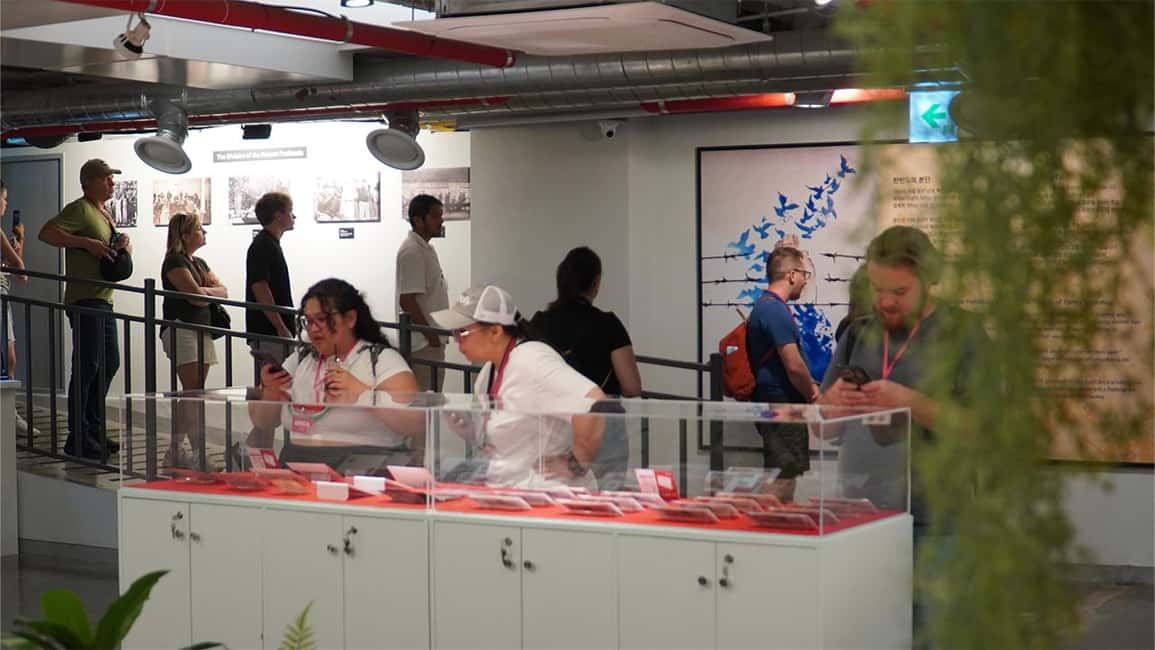
- North Korea Experience Hall blends realistic replicas with documentary-style screenings so you get context before you look across the border.
- Live Q&A with a North Korean defector is the emotional core of the day, and the tour includes a photo moment to remember it.
- Full DMZ route with guided stops covers Imjingak, Freedom Bridge, and Dora Observatory, plus other sites that many half-day tours skip.
- English guidance and skip-the-line timing help you use limited daylight and avoid wasting time at checkpoints and venues.
- Weather matters for visibility at Dora Observatory; heavy rain can blur what you can actually see.
Price and value: what $40 buys you in real terms
At about $40 per person for an 8–9 hour day, you’re paying for more than transportation. You’re also paying for (1) an organized route through several DMZ-related landmarks, (2) English interpretation that ties everything together, and (3) access to the North Korea Experience Hall portion with its hands-on, visual exhibits and live Q&A.
Meals aren’t included, so plan on covering lunch or snacks yourself. That’s the main budget “gotcha.” If you already know DMZ basics and only want a few viewpoints, you might feel the cost is higher than a quick DIY look. But if you want meaning, the guide-led structure and the defector session are the big value drivers.
Pickup and timing from Seoul: plan your day like a pro
You have three pickup options in central Seoul:
- Myeongdong Station Exit 10
- City Hall Station
- Hongik Univ. Station Exit 3
From there, you’ll travel by van for about an hour to the DMZ area. Once you’re out of Seoul, delays can happen—peak traffic and on-site conditions can shift the schedule. The good news is that the plan is built to keep you moving through major stops with guided time, so you’re not waiting around with nothing to do.
Group size is capped at 30 participants per session, and if a session fills up, the operator may split groups but tries to keep people together. If you’re the kind of traveler who wants lots of personal questions, the live Q&A with the defector is where you’ll feel the value of being in a managed group.
The North Korea Experience Hall: what makes it more than a museum
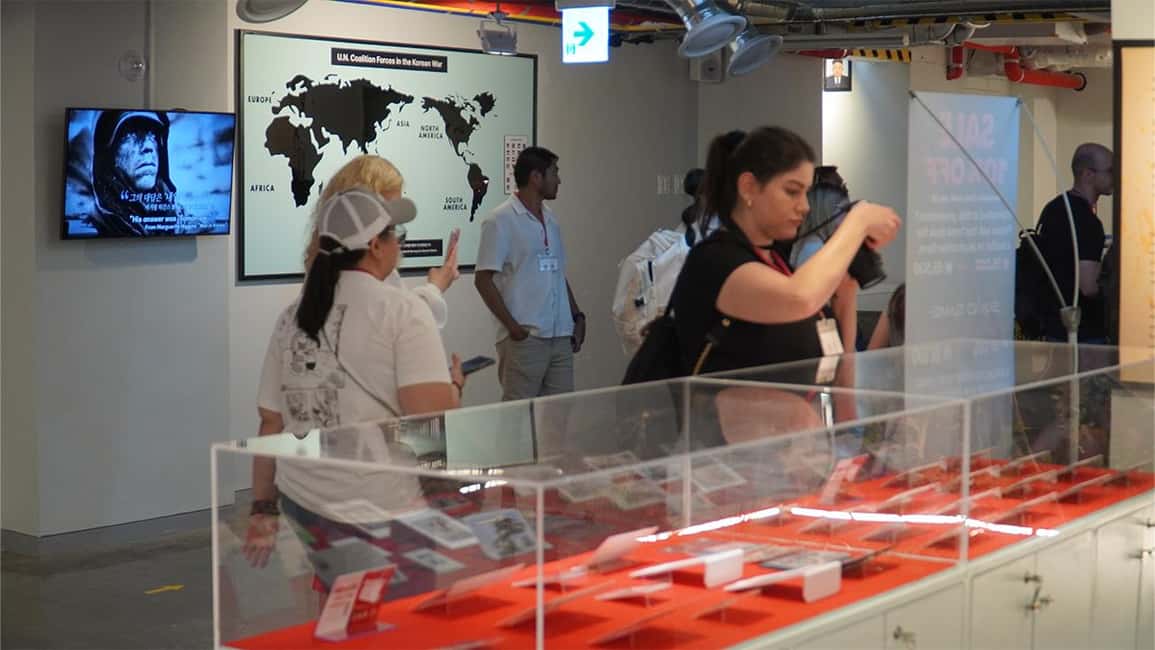
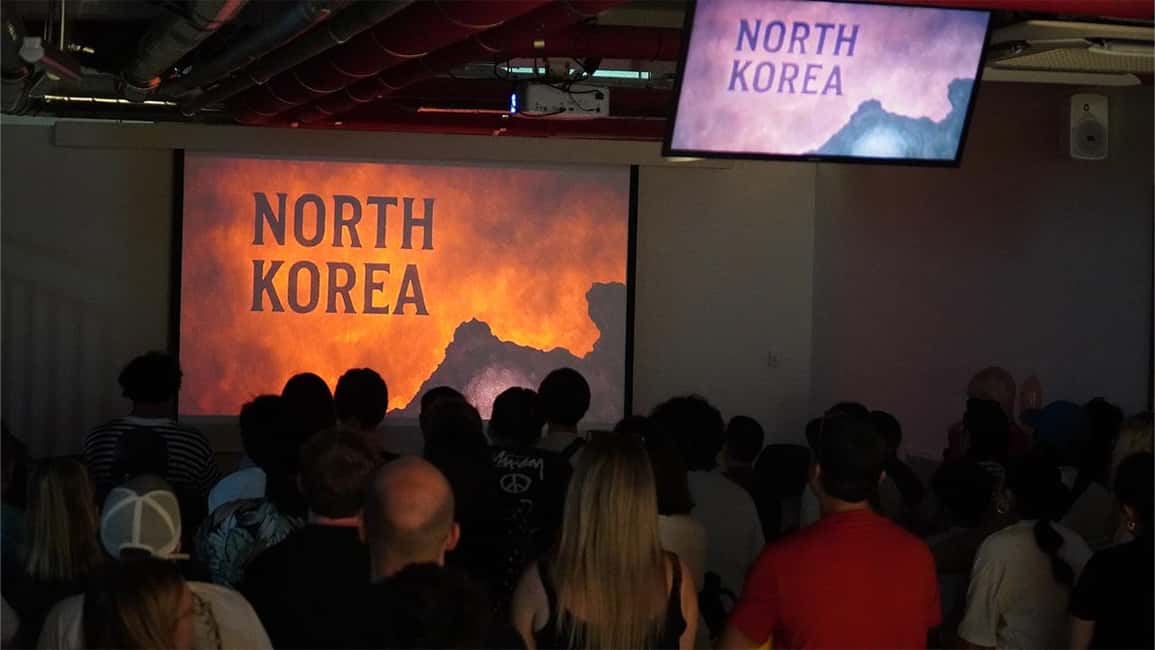
The North Korea Experience Hall is the piece that turns the DMZ from a set of famous landmarks into a story you can follow. Before you go to the actual border sites, you’ll spend time inside realistic displays designed to answer a simple question: what does everyday life look like?
Here’s what the hall adds to your understanding:
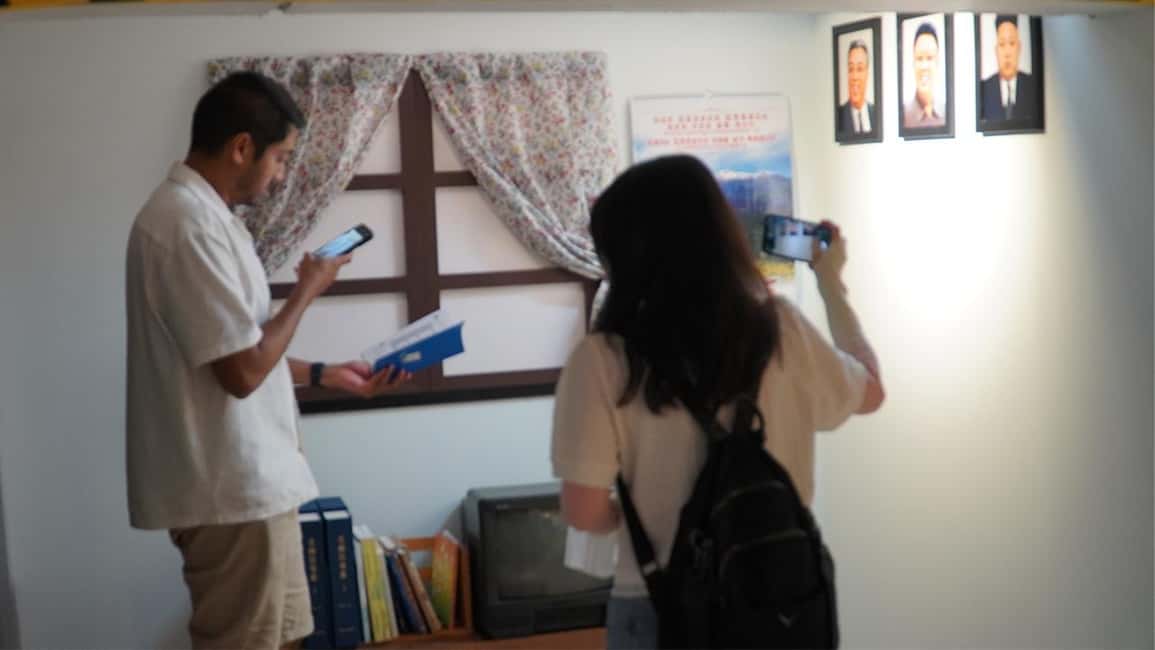
- Photo zones with replicas of North Korean home, classroom, and household settings
- Videos and documentary screenings that connect images to real conditions
- Everyday items presented in a way that feels less like propaganda poster viewing and more like lived experience imagery
The practical benefit is that you’ll arrive at the outdoor viewpoints with clearer context. When you later hear about separation, surveillance, or military tension, it won’t stay theoretical. You’ll be able to connect policy to daily routines—the kind of context that most quick DMZ tours don’t have time for.
One consideration: this part can be emotionally intense, because it’s designed to feel real. Go in with a calm mindset and give yourself time to process.
The defector Q&A and the special photo: the moment that lingers
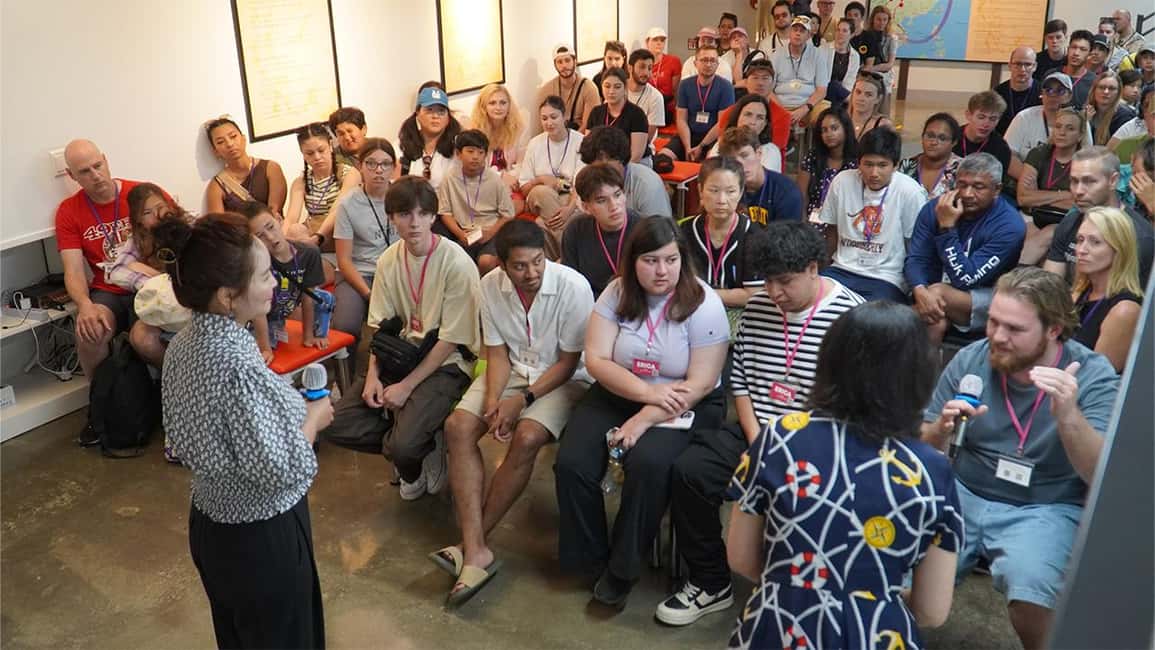
The live session with a North Korean defector is the tour’s standout human moment. This isn’t just information delivered by a guide—it’s testimony in real time, with a chance to ask questions and get direct answers.
Two things I really value about this setup:
- The guide-led flow gives the Q&A structure, so you can ask questions that actually fit what you’ve been seeing that day.
- The included commemorative photo opportunity gives the experience a clear memory anchor. You leave with something tangible, not just mental notes.
A small practical note: what you should ask depends on what you care about—history, daily life, or how people navigate change. If you freeze in live Q&A situations, prepare one question ahead of time so you don’t lose your chance.
Also, guides matter here. Names that have shown up with strong performance include Han, Katie, KC, Mimi, Sophia, and Eunice—people praised for clarity and for keeping the tour organized while still making the experience feel personal.
Imjingak: where the story starts with symbols
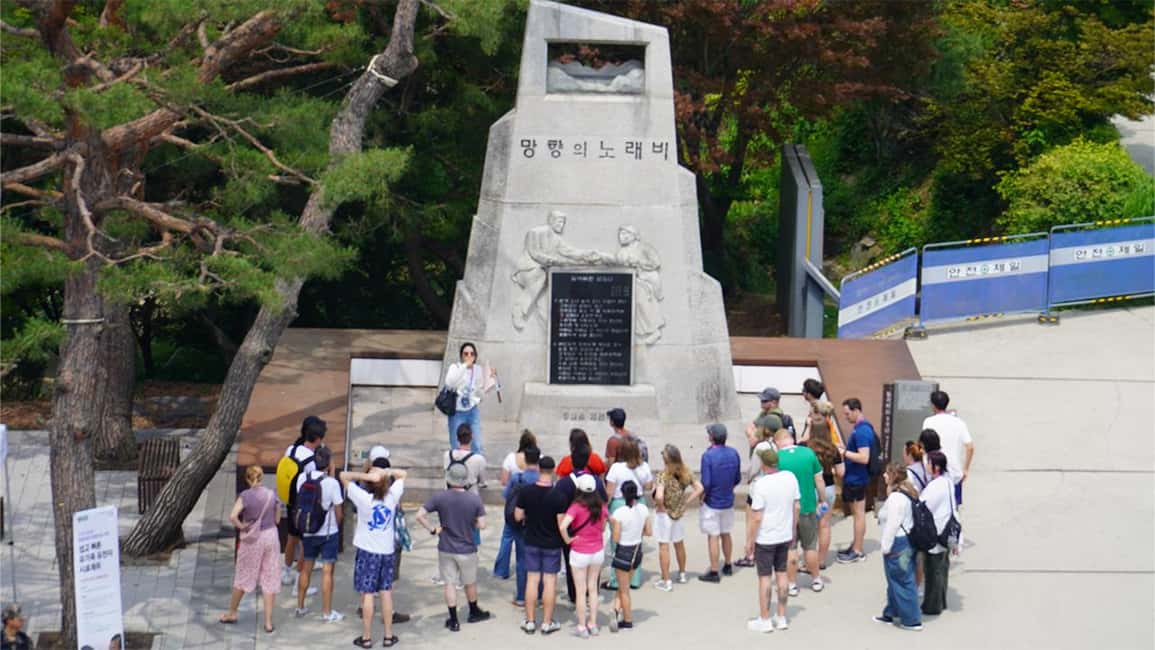
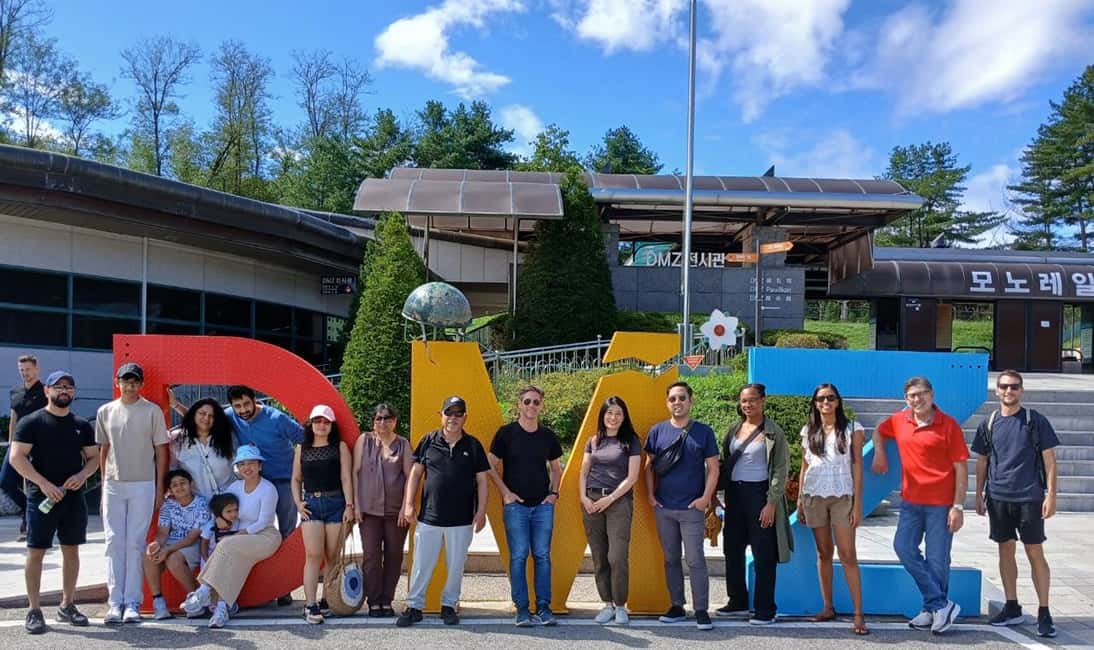
After the hall, the DMZ day shifts into outdoor landmarks. At Imjingak, you’ll get a mix of photo time, a guided visit, and a guided walk for about an hour.
Imjingak is useful early in the route because it sets the tone: this isn’t just geography; it’s meaning. You’ll see memorial-style areas and learn how the Korean War, division, and hope for reunification connect to specific locations.
Photo stops here matter. If you only think about “getting a view,” you’ll miss the guide’s context. If you pay attention—especially while listening—you’ll understand why people come to this park in the first place.
The Freedom Bridge and the DMZ viewpoints: learning what you’re looking at
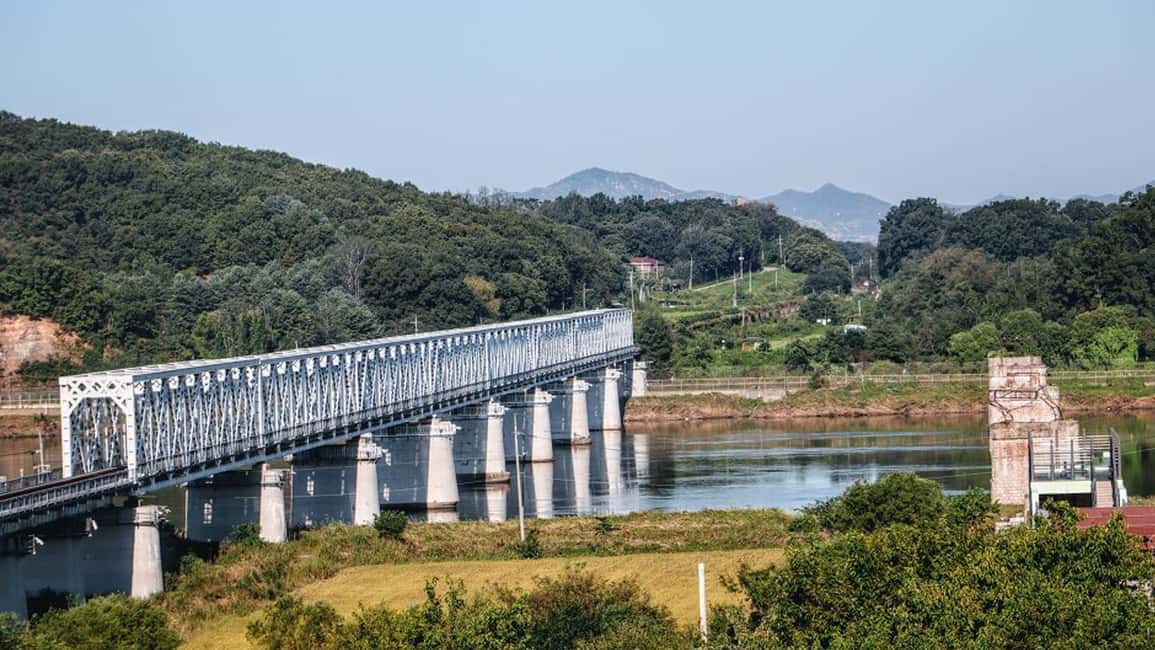
Next comes Freedom Bridge, another guided stop where you’ll spend time learning what the site represents. This is one of those places where the scene is simple, but the meaning isn’t.
The best way to get value here is to treat it like a lesson in reading the border:
- Ask yourself what has changed over time
- Listen for how the guide connects the visible structures to the broader conflict
You’ll also encounter a couple of additional photo-stop and guided segments along the way. One of them is listed as a one-hour photo stop plus visit and guided tour, but without a specific label here. Either way, the pattern is consistent: short blocks of guided context tied to what you’re seeing.
The main drawback for this type of route is the pace. You don’t get a long “wander and absorb” luxury. You’re there to learn, move, and keep going.
Mangbaedan and the Third Tunnel of Aggression: why underground matters
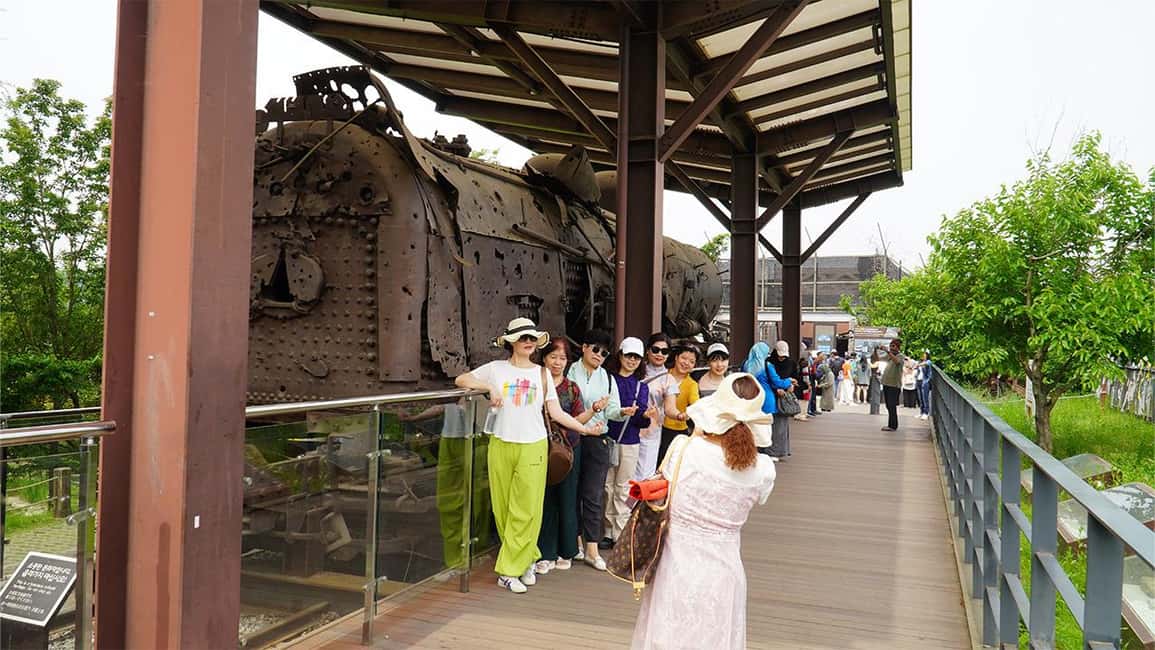
As your route continues, you’ll visit Mangbaedan (guided tour) and then the Third Tunnel of Aggression with guided time.
Why is the tunnel stop worth your time? Because it adds a different dimension to the military story. You’re not only looking at the border line—you’re seeing how conflict planning worked below it, through engineering and secrecy. It’s a reminder that the DMZ isn’t just a fence with views. It’s a long-term pressure system.
The guided format helps here because tunnels and military installations can feel confusing if you’re just reading signs. With a guide, you get the timeline, the purpose, and what the discovery implied.
Dora Observatory: the classic view, with a reality check
Dora Observatory is a signature DMZ site with about an hour of guided time. This is where you look for the view people have seen in documentaries.
Two practical realities:
- Visibility depends on weather. On rainy days, what you can see toward the North can be limited.
- You’ll get more out of the stop if you listen to the guide’s framing while you’re looking.
So, if you want the best chance for clear viewing, pick the clearest day you can—within the constraints of scheduling. Bring patience anyway. Even on clear days, you’re not looking at a movie set. It’s a distant, controlled view, and the context is what makes it meaningful.
Gamaksan Suspension Bridge and Aegibong Peace Eco Park: where the day softens
Later in the schedule, you’ll switch from strict border-focused sites to peace-themed nature areas.
You’ll stop at Gamaksan Suspension Bridge for a photo stop plus guided visit and about an hour of guided time. After that, you’ll spend about two hours at Aegibong Peace Eco Park.
This portion is valuable because it breaks up the heavy tone. It’s a chance to stretch your legs, breathe a bit, and see how the idea of peace gets translated into public space and reflection. If you’ve been mentally bracing since the hall, this is where you can reset without leaving the tour.
That said, if you’re sensitive to walking, suspension bridges and park paths may not feel effortless—this tour isn’t designed as an easy stroll day.
Gyeongbokgung on the same day: a smart endcap, if you still have energy
At the end of the DMZ route, you’ll head to Gyeongbokgung for about two hours of guided tour time. That’s a lot to fit after border sites, but it also makes practical sense: you’re back near Seoul-style sightseeing while the day is still organized and you’ve got a guide.
This stop can help you balance the emotional heaviness of the DMZ with something more cultural and visual—especially if you’re the kind of visitor who wants a full Seoul day rather than a “one-topic-only” trip.
Logistics that actually matter: passport, walking, and group rules
Before you go, lock in these basics so the day doesn’t derail:
- Passport required for DMZ access. Bring it the day of the tour.
- The tour is not suitable for children under 10, wheelchair users, people with mobility impairments, people with back problems, people with heart problems, pregnant women, or people over 70.
- No smoking indoors and no smoking in the vehicle. Alcohol and drugs aren’t allowed.
Also keep in mind that you might notice schedule changes based on on-site conditions. That’s normal for DMZ operations, where timing can be less flexible than a regular city tour.
If you’re doing this with friends and want to maximize the experience, decide your priority in advance: the hall, the defector Q&A, or the big outdoor viewpoints. The tour gives you everything, but your own attention plan makes a difference.
If you’re choosing a guide: what to look for on the day
The tour’s success often comes down to the guide’s ability to connect dots quickly. From past group experiences, guides like Han, Katie, KC, Mimi, Sophia, and Eunice have been praised for detailed DMZ context and for keeping everything running smoothly.
So, when you meet your guide, listen for a few things:
- Do they explain what you’re seeing before you look?
- Do they keep the group moving without rushing key points?
- Do they handle the emotional weight of the defector session with respect and clarity?
When those elements line up, the entire day feels tighter and more satisfying.
Final thought: should you book this DMZ + North Korea Experience Hall tour?
Book it if you want:
- a full-day DMZ route with guided context, not a quick look-and-leave
- the North Korea Experience Hall before outdoor border sites
- a live defector Q&A and an included photo moment that makes the day stick
Skip or reconsider if:
- you don’t have a passport ready (DMZ access requires it)
- you need high accessibility or you can’t handle a long day with walking segments
- you’re trying to do this as a relaxed sightseeing day—this is structured, and the pace is part of the design
If you want your curiosity answered in a way that feels grounded—history, daily-life context, and human testimony—this is one of the more complete ways to do it from Seoul.
FAQ
How long is the DMZ and North Korea Experience Hall tour?
The tour runs about 8–9 hours.
What sites are included in the tour?
You’ll visit the North Korea Experience Hall and DMZ-related landmarks including Imjingak, Freedom Bridge, Dora Observatory, and the Third Tunnel of Aggression. You’ll also have stops at places such as Mangbaedan, Gamaksan Suspension Bridge, Aegibong Peace Eco Park, and Gyeongbokgung.
Do I need a passport for this tour?
Yes. A valid passport is required to enter the DMZ, so bring it with you on the tour day.
Is there an English-speaking guide?
Yes, the tour includes an English-speaking live guide.
Are meals included?
No. Meals and drinks are not included.
Where are the pickup locations in Seoul?
Pickup is available at Myeongdong Station Exit 10, City Hall Station, and Hongik Univ. Station Exit 3.
Is hotel pickup included?
Hotel pickup service may be available for an additional KRW 15,000 if your hotel is in certain areas (Jongno-gu, Jung-gu, Yongsan-gu, Mapo-gu, Seodaemun-gu, or Dongdaemun-gu).
What is the group size limit?
The maximum group size per session is 30 participants. Groups may be split, though efforts are made to keep groups together.
What’s not allowed during the tour?
Smoking is not allowed in the vehicle or indoors. Alcohol and drugs are also not allowed.
Can I cancel for a refund?
Yes. You can cancel up to 24 hours in advance for a full refund.