REVIEW · SEOUL
Seoul: DMZ, Gyeongbokgung Palace & City Tour
Book on GetYourGuide →Operated by Cosmojin Tour Consulting · Bookable on GetYourGuide
One day. Two worlds. This Seoul DMZ and Gyeongbokgung Palace tour is built to help you understand how Korea’s past still shapes daily life today, especially with the DMZ stops that show you the physical reality of a divided peninsula. I like that the day is structured around the DMZ’s main sights without feeling like you’re guessing your way through confusing rules.
What I especially like is the guidance style. Your group is led by professionals with a security background, and you’ll hear clear explanations about North–South relations (with guides such as Molly, Ron Han, and SP showing up in recent groups). The one drawback: it’s a 10-hour, early-start day with real walking, and it’s not wheelchair accessible, plus you’ll need a valid passport and sneaker-friendly feet.
In This Review
- Key Highlights You Actually Feel on This Tour
- Why This DMZ and Gyeongbokgung Day Feels Like a Real Seoul Itinerary
- Getting Moving Early: Meeting Point, Shoes, and DMZ Rules
- DMZ Stop One: Third Tunnel Experience (Where Strategy Meets Concrete)
- DMZ Stop Two: The Observatory View of North Korea
- DMZ Stop Three: War History Pavilion (What the Day Is Really About)
- DMZ Stop Four: Imjingak (Human Meaning in a Militarized Place)
- The Value of Security-Style Guidance (and Why It Changes the Tone)
- Gyeongbokgung Palace: More Than Royal Backdrops
- How Long 10 Hours Really Feels (Time, Walking, and Mental Switching)
- Price and Value: Is $110 a Fair Deal?
- When the DMZ Plan Changes: Military Training and Backup Sites
- Who This Tour Suits Best (and Who Might Want Something Else)
- Should You Book This Seoul DMZ and Gyeongbokgung Palace Tour?
- FAQ
- What time and where do I meet for the tour?
- What documents do I need?
- Is hotel pickup included?
- How long is the tour?
- Is lunch included?
- Is the tour wheelchair accessible?
Key Highlights You Actually Feel on This Tour
- Third Tunnel Experience: see how the plan to break through was built for tanks, not tourists.
- Observatory viewing in the DMZ: you get the fixed point where people look toward North Korea.
- War History Pavilion + history venue: the conflict is explained in an organized, show-not-guess way.
- Imjingak: a meaningful stop tied to reunification hopes and the human side of division.
- Gyeongbokgung Palace with context: palace life explained like operations, not just costumes.
- Coach transport: you avoid the hassle of moving between secure sites on your own.
Why This DMZ and Gyeongbokgung Day Feels Like a Real Seoul Itinerary
This isn’t a “drive-by sightseeing” day. It’s more like a structured lesson with stops that force you to look at both the political stakes and the cultural roots behind them. The DMZ portion gives you the hard, physical geography of separation, while Gyeongbokgung grounds the day in Korea’s royal-era story.
I also like the pacing logic. In a single day you get the DMZ’s anchors—tunnel, observatory area, and the war-history content—then you shift into palace time so your brain has a change of gear. That rhythm matters because both parts require attention, not just photos.
You can also read our reviews of more city tours in Seoul
Getting Moving Early: Meeting Point, Shoes, and DMZ Rules
Your day starts at 7:30AM at Exit 7 of City Hall Station. If you’re getting picked up from your hotel, it’s optional, but you still need to be ready for an early departure and a full schedule.
A few practical things to take seriously:
- Bring a valid passport and keep it accessible on the day.
- Wear sneakers. Sandals or slippers are not allowed.
- You must ride the authorized bus during the tour, so don’t plan to “hop off” for extra time.
- Follow the tour’s time photo regulation. In secure areas, photography timing can be controlled, so be ready to follow instructions fast.
One more heads-up: unaccompanied minors aren’t allowed, and children must travel with an adult. If you’re traveling with kids, plan for a day that’s stricter than a normal museum visit.
DMZ Stop One: Third Tunnel Experience (Where Strategy Meets Concrete)
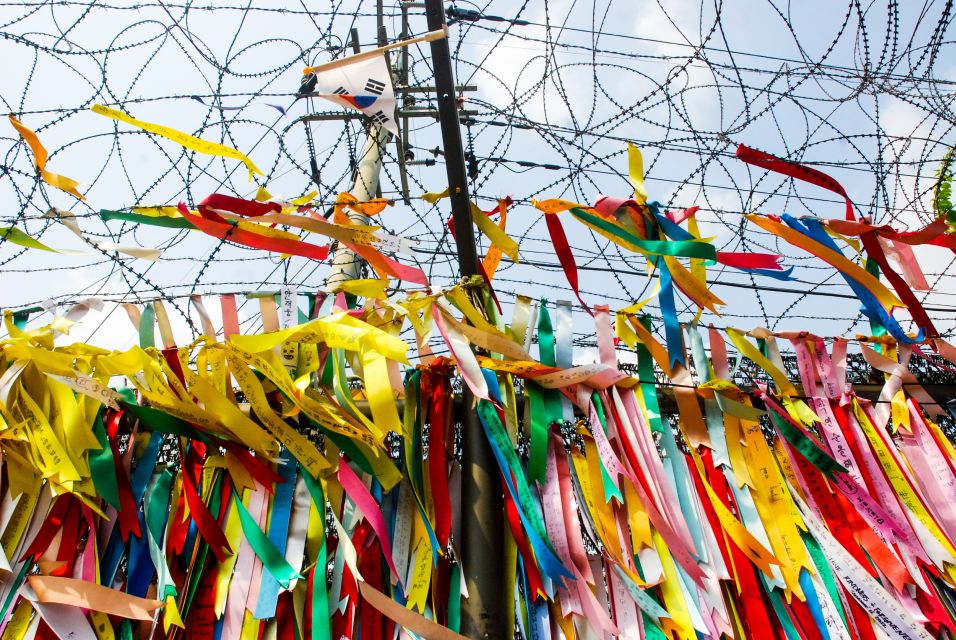
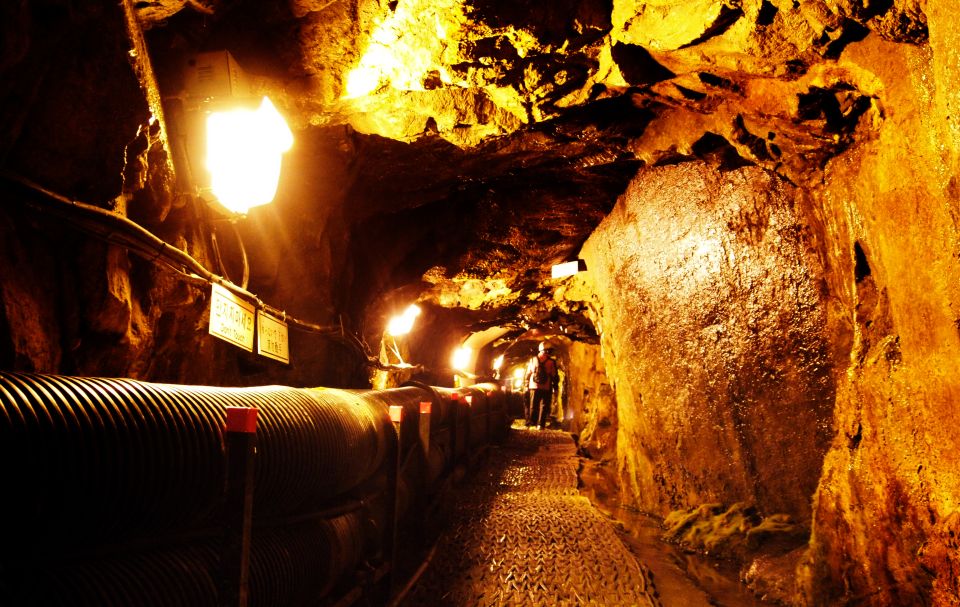
The Third Tunnel Experience is the kind of stop that makes the DMZ feel real. It’s known for being designed for invasion by tanks, so it’s not just about borders on a map—it’s about an engineered attempt to cross.
What you’ll get from this stop is perspective. Most people see the DMZ as a line. This experience pushes you toward thinking in terms of logistics: what was planned, how it could move, and why the area became a long-term standoff. Even if you’re not a military-history person, the physical structure does the explaining.
Practical note: you’ll want to keep your expectations flexible. DMZ experiences can involve controlled movement, set timings, and instructions that override “tourist time.”
DMZ Stop Two: The Observatory View of North Korea
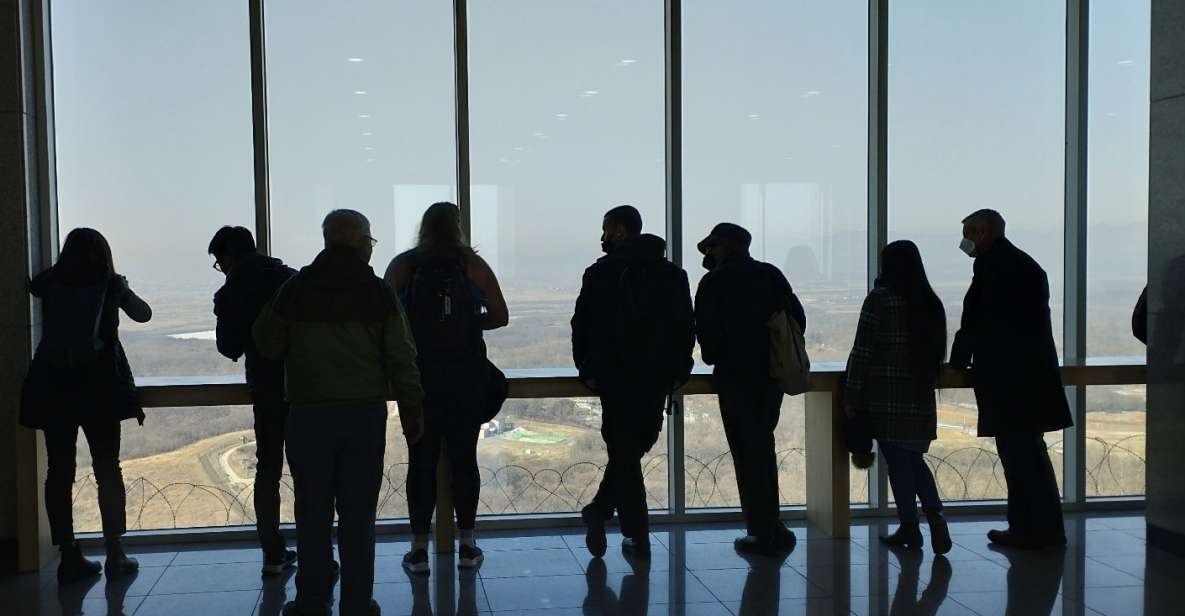
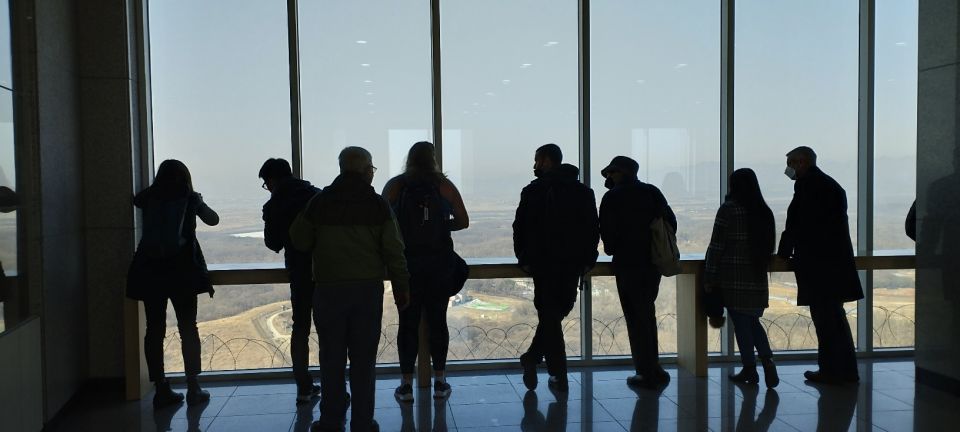
Next comes the observatory area, where you can view North Korean residents from the designated viewpoint. This is one of those moments that’s both simple and heavy: you look, and the distance turns into something personal.
I like that this part is presented as viewing, not theater. You’re not being asked to guess what you’re seeing—your guide’s explanations help translate what the distance means and why this viewing point exists as it does.
And yes, you’ll likely take photos. Just remember: the tour sets the photo timing rules, so don’t assume you can shoot everything whenever you feel like it.
DMZ Stop Three: War History Pavilion (What the Day Is Really About)
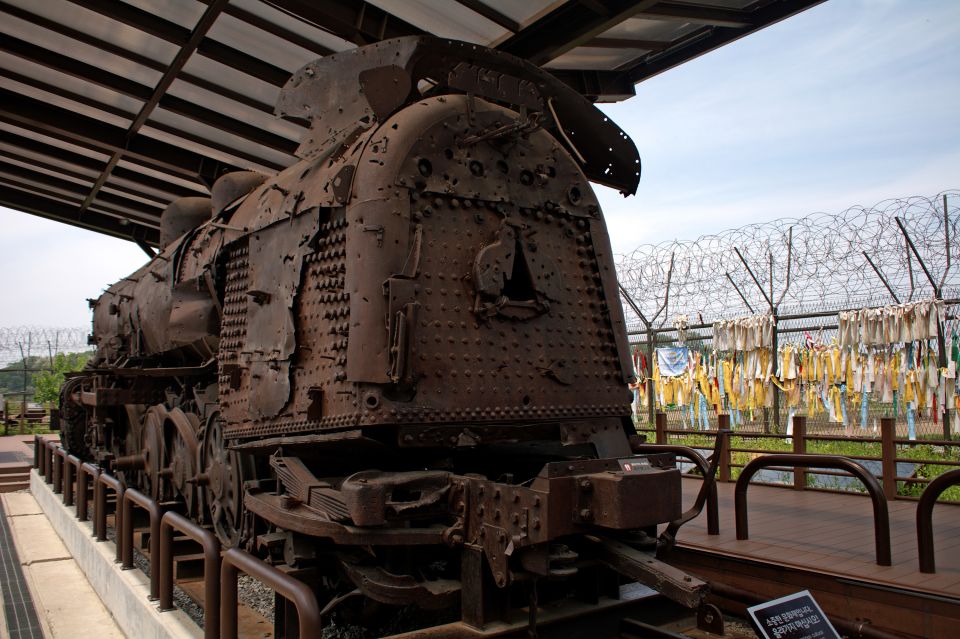
The War History Pavilion is where the tour shifts from “look at locations” to “understand the conflict structure.” This is also where a war-history exhibition center element fits in—an organized venue that helps explain the background and ongoing impact.
If you want one place to focus, make it this. The DMZ stops are powerful, but without context they can feel disconnected. The pavilion-style presentation connects the tunnel story, the viewing moment, and the broader why behind division.
A bonus from recent guide experiences: guides like Molly, Ron Han, and Han have a way of turning facts into clear answers. People reported that they had questions answered fully, and I’d treat that as a cue to ask your own questions in the moment.



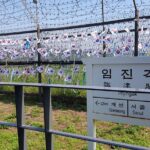
DMZ Stop Four: Imjingak (Human Meaning in a Militarized Place)
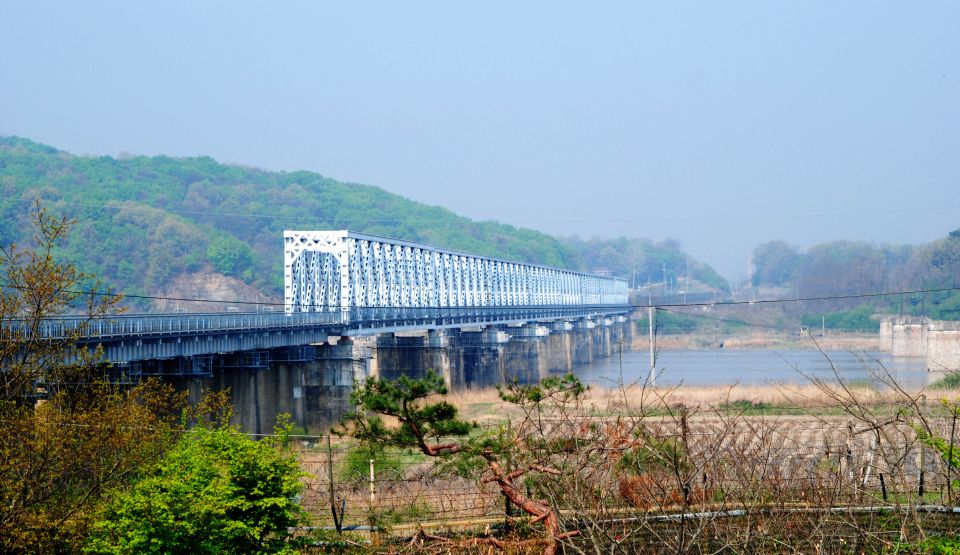
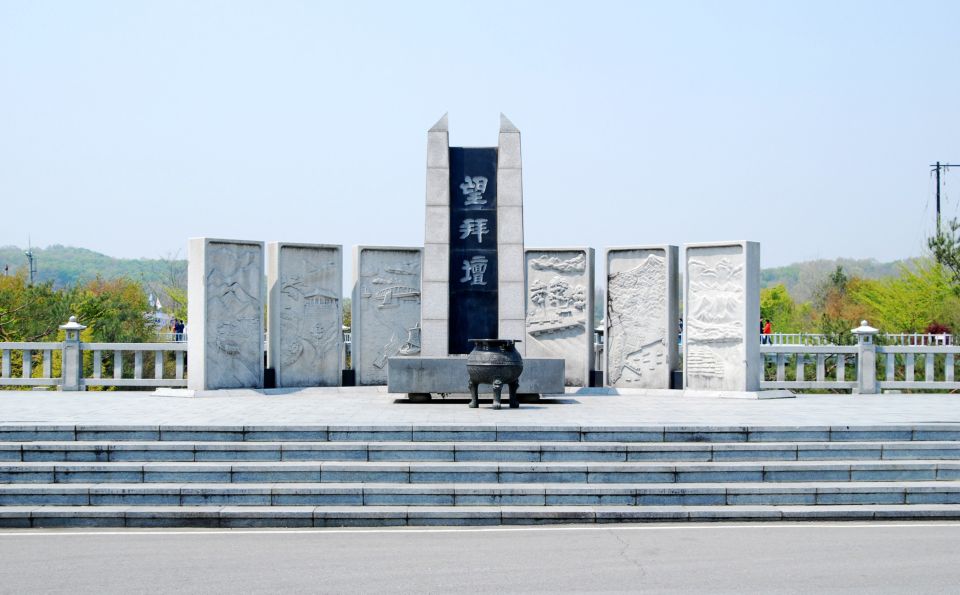
Imjingak adds the human side. It’s not just about military planning; it’s tied to reunification hope and the emotional weight of separation.
This stop helps balance the day. After the tunnel and observatory, Imjingak gives your brain somewhere to land—an area where the meaning is harder to reduce to maps and mechanisms. It’s also a spot where your guide’s framing matters, because the value here is interpretation, not just sightseeing.
Wear comfortable shoes here too. You’ll likely be moving between points and standing at set areas, so don’t schedule this day with a “fast walk only” mindset.
The Value of Security-Style Guidance (and Why It Changes the Tone)
One reason this tour stands out is the professional security specialist approach. Your guide style isn’t just “facts and dates.” It’s grounded in how the DMZ works: access, restrictions, and why information is shared in specific ways.
This is also where the group personality shows up. Recent groups have had guides like SP, Ron Han (yes, really), and Han, and the recurring theme is clear, respectful explanations and lots of space for questions. That’s practical value. If you’re paying for a DMZ day, you don’t want to feel like you paid for transportation only.
Gyeongbokgung Palace: More Than Royal Backdrops
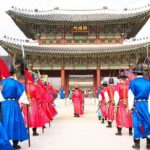
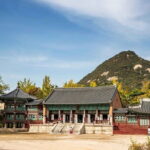
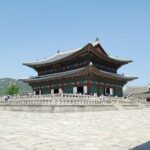
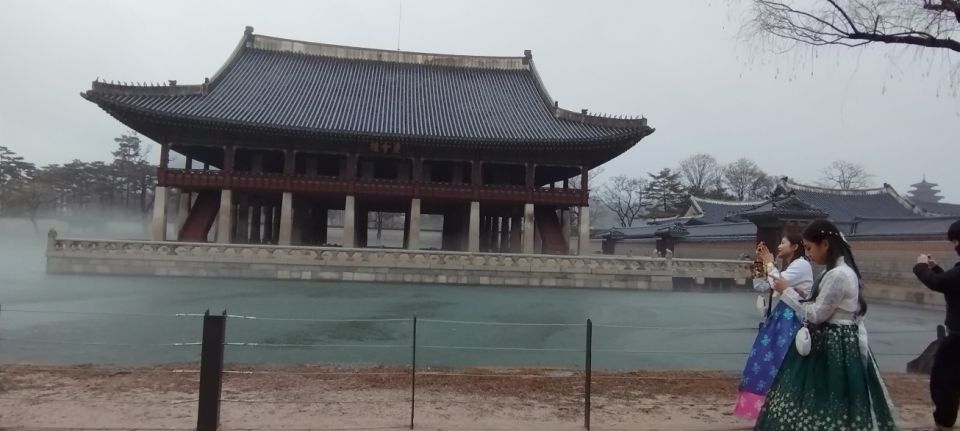
After the DMZ, you’ll shift into Gyeongbokgung Palace, the royal palace complex where the king, his family, and around 2,000 others lived during the dynasty period. The tour’s angle is interesting: it’s explained as if palace life functioned like a workplace—with employees and advisers—rather than a pure royal-only fantasy set.
That changes how you look at the place. You start noticing roles and systems: who did what, how decisions moved, and how the palace ran daily. It’s a more modern way to read a historical environment, and it helps the whole day click together: governance, rules, and real-world operations.
Watch for the day-of-week issue: Gyeongbokgung Palace is replaced by Deoksu Palace when Gyeongbokgung is closed on Tuesdays. If you’re planning around a specific palace, check the day you’re booking.
How Long 10 Hours Really Feels (Time, Walking, and Mental Switching)

This is a full-day format: DMZ content plus palace time, all in about 10 hours. Your schedule is intense enough that you should plan your energy like an athlete, not like a casual museum visitor.
Here’s how I’d manage it:
- Start early and keep breakfast simple.
- Bring your patience for security procedures and set timings.
- Expect a bit of standing and walking, especially if you want good photo moments.
- Mentally switch gears when you leave the DMZ. The palace feels totally different, and that contrast is part of the value.
If you’re the type who needs lots of free time to wander, this might feel structured. But if you like guided context and a “do the important things” plan, this day format fits.
Price and Value: Is $110 a Fair Deal?
At about $110 per person for a 10-hour day, the value depends on what you consider expensive: transportation and guidance, or access to major sites.
Here’s what you’re getting that you’d usually struggle to replicate on your own:
- Hotel pickup and drop-off (often a big part of the “hidden cost” in Seoul)
- A professional English guide
- Transportation covering secure-area logistics
- DMZ entry included
- Access to the DMZ core sights like the tunnel and the war-history venue
The only clear mismatch in expectations is food. The listing says lunch isn’t included, yet at least one recent group report mentioned a traditional lunch being provided. Treat that as a possibility, not a guarantee, and plan to cover your own meal unless your confirmation or operator tells you otherwise.
If your goal is to maximize learning and reduce hassle, $110 can feel reasonable. If you mainly want a flexible, slow day, it might feel like you’re paying for structure.
When the DMZ Plan Changes: Military Training and Backup Sites
The DMZ is not a theme park. Sometimes you simply can’t do everything on the original plan.
If there’s an unannounced military training or official event in the DMZ, the tour is replaced with a set of alternatives: Tomorrow’s Whistle-Bunker Beat 131-Odusan Unification Tower-The War memorial of Korea. That matters because it protects your day from turning into a blank slot.
I like this planning principle. It tells you the operator is thinking about continuity, not just a rigid schedule. Just remember: the exact replacement content means the emotional tone might shift, so stay open.
Who This Tour Suits Best (and Who Might Want Something Else)
This tour is ideal if you:
- Want DMZ access with expert explanations, not just bus rides
- Appreciate structured history context across centuries and regimes
- Prefer a guided day when logistics and security rules matter
- Want one day that balances Korea’s political reality with palace-era storytelling
It may be less ideal if you:
- Need a fully accessible route (it’s not wheelchair accessible)
- Want lots of free time or minimal walking
- Don’t travel with a valid passport (you need one for the day)
If you’re booking with friends, you’ll still get the benefit of a guided structure. If you’re booking as a private group, the day can feel even more tailored, assuming the operator confirms the setup.
Should You Book This Seoul DMZ and Gyeongbokgung Palace Tour?
I’d book it if your priority is clear: a single-day, high-impact look at the DMZ plus a palace visit that’s explained as a working system, not a stage prop. The guide quality is a big selling point, and recent guide names like Molly, Ron Han, SP, and Han signal that you’re likely to get attentive, respectful explanations.
I’d hesitate if you’re sensitive to long days, you don’t like structured itineraries, or you need accessibility accommodations—because this is a security-led format with walking and rules you’ll have to follow. Also, double-check whether you’re traveling on a Tuesday if palace choice matters, since Gyeongbokgung can switch to Deoksu Palace.
If you want a Seoul day that makes you think while you’re still standing in the place itself, this is one of the better ways to do it.
FAQ
What time and where do I meet for the tour?
You meet at Exit 7 of City Hall Station at 7:30AM.
What documents do I need?
You must bring a current valid passport on the day of travel.
Is hotel pickup included?
Hotel pickup is listed as included, with hotel pick-up from Seoul available. There is also hotel drop-off service.
How long is the tour?
The tour duration is 10 hours.
Is lunch included?
Lunch is listed as not included. Some guide reports mention a traditional lunch, so it’s worth confirming with the provider before you go.
Is the tour wheelchair accessible?
No. The tour is not wheelchair accessible and is not suitable for wheelchair users.