Seoul in a day, with no stress. This private Incheon-to-Seoul tour is built around cruise timing and taxi-style convenience, packing palace sights, a folk museum stop, old neighborhoods, and a market break into one 6–8 hour plan.
The two things I like most are the clear value of having admission fees handled (so you’re not scrambling for tickets), and the way the route mixes big historic hits with very walkable, local-feeling areas like Insadong and Bukchon.
One consideration: the driver’s English level can vary, since you’ll be riding with a “best driver” who speaks a little English. If you rely on detailed narration, plan to use a translation app and keep expectations flexible.
In This Review
- Key highlights you’ll feel on the ground
- Price and logistics: what $225 buys you (and what to watch)
- How the day is paced from Incheon to Gyeongbokgung
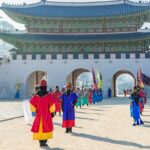
- Gyeongbokgung Palace: the main stage of Joseon-era ceremony
- National Folk Museum of Korea: where culture turns from buildings into everyday life
- Bukchon Hanok Village: the photo zone that still feels human
- Insadong: car-free tradition streets and the craft-gallery mood
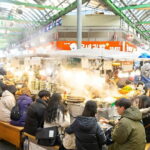
- Gwangjang Market: historic market energy with an easy stop length
- Sungnyemun Gate and Cheonggyecheon Stream: a calm pairing near the center
- Jongmyo Shrine: quiet solemnity instead of loud sightseeing
- Changgyeonggung or the substitute plan: what happens when Gyeongbokgung is closed
- The Korean War Memorial stop: remembering through names and flags
- Bugak Skyway and Bukak Palgakjeong Pavilion: the view break that doesn’t feel like a detour
- Transport comfort: the private taxi approach and small-group reality
- The driver factor: why communication (or patience) changes everything
- Who this tour suits best
- Should you book this Incheon-and-Seoul private day?
- FAQ
- What’s included in the tour price?
- Does the tour include pickup from the cruise port area?
- How long is the tour?
- What happens if it’s Tuesday in Seoul?
- Will the Royal Guard Changing Ceremony always happen?
- Is this a private tour?
Key highlights you’ll feel on the ground
- Cruise-first pickup and drop-off with a taxi approach that reduces transit friction
- Palace centerpiece time at Gyeongbokgung, with the Royal Guard Changing Ceremony when conditions allow
- Bukchon Hanok Village as a classic photo-and-stroll zone between major palaces
- Insadong time for crafts, galleries, and Korean street-food culture near car-free lanes on weekends
- Gwangjang Market as a quick taste of traditional Seoul market life since 1905
- A scenic break at Bugak Skyway for mountain-and-city views without a long hike
Price and logistics: what $225 buys you (and what to watch)
At $225 per person, this is not a budget mass tour. But for a private half- or full-day with pickup, admission coverage, and an insured taxi approach, it can be good value—especially if you’re traveling as a small group and want a smoother schedule.
Here’s the practical math: you’re paying for (1) private routing, (2) admissions at key stops, and (3) the time value of not worrying about buses, transfers, or where your group will be dropped. The operator also runs this in an air-conditioned vehicle and notes ample trunk space for luggage, which matters if your day ends by dropping you at an Incheon airport or hotel.
The two biggest logistics realities:
- The drive from Incheon cruise to downtown Seoul can be longer due to traffic, so you’ll want a calm mindset if your palace time shifts slightly.
- English narration may be limited. In one case, a guest handled it by using translation apps. Bring one and you’ll be fine.
You can also read our reviews of more boat tours in Incheon
How the day is paced from Incheon to Gyeongbokgung
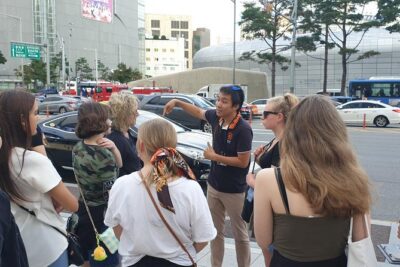
Your day usually starts with a pickup that can take about 30 minutes to 1.5 hours depending on whether you’re meeting the group at Incheon Port or in the Seoul city area. Then you head into the city toward Gyeongbokgung Palace, the grand palace most people picture when they think Joseon dynasty.
I like this setup because it puts the “big wow” early. You’re not stuck doing paperwork first, and you get palace time while the day still feels fresh and not rushed.
Also pay attention to schedule swaps: Gyeongbokgung Palace and the Royal Guard Changing Ceremony are closed every Tuesday. On Tuesdays, you’ll visit Changdeokgung Palace instead. And even when the ceremony is scheduled, it may not run during rain or typhoons, so build in a bit of flexibility around weather.
Gyeongbokgung Palace: the main stage of Joseon-era ceremony
Gyeongbokgung isn’t just a palace complex—it’s a ceremonial machine from the Joseon period. The site name itself is tied to the idea of fortune and prosperity for the new dynasty, and the layout is centered on places where kings held court and state rituals.
What I think you’ll actually appreciate:
- You’ll get time at Geunjeongjeon Hall, used for coronation and court ceremonies.
- You’ll also hear about Gyeonghoeru, where banquets were held and foreign envoys were entertained.
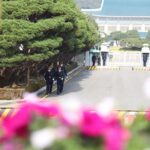
The Royal Guard Changing Ceremony is the headline. The tour specifically mentions it’s held every day at noon, which makes planning easier. If you time your visit well, you get a clear, visible slice of Korean tradition that feels very different from just wandering ruins.
Practical drawback: if you’re visiting on a Tuesday or during bad weather, you won’t see it as listed. The tour adapts, but you should be mentally ready for an alternate palace day.
National Folk Museum of Korea: where culture turns from buildings into everyday life
Next comes the National Folk Museum of Korea, included in the admission list. This is a smart move because it gives you context after seeing formal royal spaces.
Even if you don’t read every label, a folk museum helps you connect what you saw at the palace to how people actually lived—traditional objects, cultural patterns, and the day-to-day textures that don’t show up in palace architecture.
You’ll likely spend about 30 minutes here. That’s enough time to get your bearings without turning the day into a museum marathon.
Bukchon Hanok Village: the photo zone that still feels human
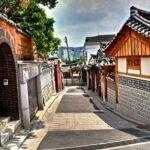
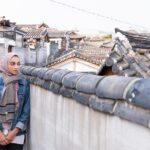
From palace grandeur to dense traditional housing, Bukchon Hanok Village sits between major landmarks—right in the zone many people picture as old Seoul.
You’ll have about 1 hour for this stop, and that’s the sweet spot: long enough to stroll, short enough to keep the day from stalling. Bukchon is especially good for:
- Slow walking and side-street wandering
- Seeing how hanok houses line up across small lanes
- Getting a feel for Seoul’s layers—modern city around, traditional neighborhood within
Tip for your timing: go at a steady pace. With a private taxi day, it’s tempting to rush for photos, but Bukchon rewards walking slowly because the streets have rhythm.
You can also read our reviews of more city tours in Incheon

Insadong: car-free tradition streets and the craft-gallery mood
Insadong is one of those areas where Seoul feels playful but still traditional. The tour treats it as a must-see with shops, tea houses, street vendors, handicraft-focused stores, antique shops, and galleries.
Two things to keep in mind:
- The tour notes Insadong is a car-free street every Saturday and Sunday, and on those days the street atmosphere can change with cultural performances and exhibitions.
- If you want a food break, you’ll get the best results going simple and local. The tour specifically recommends eating bibimbap, and it also mentions you may find classic street snacks like pajeon.
If you love shopping for crafts without it becoming chaotic mall browsing, Insadong is a good match. Plus, there’s a shortcut if you want only the major galleries: the tour notes an Art Museum Shuttle Bus option that can help you focus on famous spots.
Gwangjang Market: historic market energy with an easy stop length
Next up is Gwangjang Market, included and positioned as a quick hit. It’s described as the first permanent market in Korea, established in 1905, with the name meaning widely gathering and preserving.
Even with only about 30 minutes, this stop works because markets give you an on-the-spot break from sightseeing: you can snack, browse, and recharge.
What I’d do with this time:
- Treat it as a “taste and reset” stop, not a full market shopping expedition
- If you’re hungry, plan to eat lightly here so you don’t feel weighed down for the later walk-around sights
A key culture note: this is the kind of place where you can watch everyday street commerce without needing a guided explanation for everything. You’ll get your own understanding just by being there.
Sungnyemun Gate and Cheonggyecheon Stream: a calm pairing near the center
The tour then shifts you to Sungnyemun Gate, a major Joseon-era city gate area. The name is tied to the idea of etiquette and reflects the dynasty’s values, with Sungnye meaning to raise etiquette.
After that, you get the Cheonggyecheon Stream area. It sits between Sungnyemun and Gyeongbokgung, which makes it a convenient connector zone.
Why this pairing matters:
- The gate gives you the “big historical silhouette.”
- The stream gives you a low-effort walk that cools down the pace.
It’s a good moment to slow your legs and reset your eyes before the day turns more ceremonial again.
Jongmyo Shrine: quiet solemnity instead of loud sightseeing
Jongmyo is the tomb complex for kings with long reigns. You’ll hear that 19 chambers hold the spirit tablets, and that ancestral rites were a core part of the Joseon political and cultural order.
I like Jongmyo on a day like this because it’s not about collecting photo angles. It’s about atmosphere—quiet rooms, long connections, and a sense of ceremony that feels different from the palaces.
If you want a memorable detail, the tour data highlights the UNESCO World Heritage status and also points to the architectural gable roof technique. The overall effect is elegance over spectacle.
Changgyeonggung or the substitute plan: what happens when Gyeongbokgung is closed
Here’s the part you need to understand if you’re planning around the calendar: Gyeongbokgung is closed every Tuesday, and the Royal Guard Changing Ceremony also won’t run then.
On Tuesdays, the tour swaps to Changdeokgung Palace (the data says this specifically). If you’re booking with family or friends who really want the main palace experience, double-check your travel date before you lock in so you know what you’ll get.
In other words: the tour is flexible, but your palace highlights aren’t identical every day.
The Korean War Memorial stop: remembering through names and flags
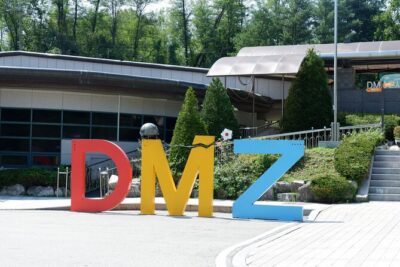
The itinerary includes a stop tied to the Korean War experience, described as a facility commemorating and paying tribute to veterans from countries that participated with United Nations forces in 1950. The data also mentions large flags for those participating nations and monuments for each group.
The emotional core of this stop is the way names are presented and honored. For descendants visiting Korea, the tour information points out that they often react strongly when seeing ancestors’ names engraved on memorial walls.
You don’t need to be a history buff for this to land. It’s one of those places where the meaning comes through even if your time is limited.
Bugak Skyway and Bukak Palgakjeong Pavilion: the view break that doesn’t feel like a detour
Toward the end, you’ll get a scenic drive on Bugak Skyway, heading to Bukak Palgakjeong Pavilion, described as a hanok-style pavilion perched 342 meters above sea level.
This stop is only about 30 minutes, but it can be a highlight because it changes the mood. You’re no longer inside courtyards; you’re taking in the city from up high.
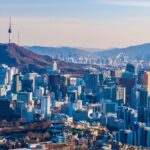
The tour notes the scenic route stretches about 19 km along the ridge of Bukaksan Mountain, and the pavilion offers views toward Bukhansan peaks and toward Seoul.
Also, you get the feel of a planned rest moment—there’s a rest area midway—so it’s not a stop that burns time. It’s more like a visual breather.
Transport comfort: the private taxi approach and small-group reality
For private tours of 1 to 4 people, the tour notes you’ll still be in a 7-passenger jumbo taxi, if that vehicle type is available. If it isn’t, you’ll get a regular taxi.
I think this matters because it keeps your day smooth for:
- Loading luggage at the start (and dropping it later if you end outside the cruise)
- Reducing the “where do we meet again” chaos
- Keeping your group together for photos and short walks
The data also says the taxis are registered and include transportation insurance. That’s not glamorous, but it’s real peace of mind when you’re moving quickly across a day.
The driver factor: why communication (or patience) changes everything
The operator describes using a best driver who has experience with foreign tours and speaks a little English. That sounds good in writing.
In practice, the quality of your day will hinge on whether your driver can:
- explain what you’re seeing clearly enough to connect the dots
- keep you on schedule without making you feel pushed
One review example mentioned no English from a driver, but the guest still had a positive day by communicating with phone apps. Another guest specifically praised helpfulness and patience. There was also mention of the car being comfortable, with small extras like snacks and coffee.
You don’t need to speak Korean to make this day work—you do need to be flexible. If you show up with a translation app and a good attitude, you’ll likely enjoy the convenience more than the language barrier.
Who this tour suits best
This is a strong fit for you if:
- You’re on a cruise day and want a private, time-aware Seoul plan
- You like classic Seoul sights but don’t want to manage transit between distant neighborhoods
- You’re traveling as a small group and value door-to-door convenience
- You want both palace culture and market street life in one go
It may feel less ideal if:
- You want long guided lectures at every stop
- You’re very strict about seeing a specific ceremony (because the changing ceremony can be affected by Tuesday closures and weather)
Should you book this Incheon-and-Seoul private day?
If you want a smooth, private “greatest hits” Seoul day that works with cruise timing, I’d lean yes. The mix of palaces, traditional neighborhoods, market culture, and scenic views gives you variety without requiring you to be a logistics expert.
Book it especially if your group values convenience and you’re comfortable using a translation app if English explanations are limited. If your travel date is a Tuesday, treat that as a deciding factor because your main Gyeongbokgung and ceremony experience will be replaced.
FAQ
What’s included in the tour price?
The tour includes admission fees for the stops, plus an air-conditioned vehicle. Food and drink and personal expenses are not included, and gratuities are not included.
Does the tour include pickup from the cruise port area?
Yes. Pickup is offered from Incheon Port and also from Seoul city areas, with a driving time of about 30 minutes to 1.5 hours before heading to Seoul.
How long is the tour?
Plan on about 6 to 8 hours for the full experience, depending on traffic and timing.
What happens if it’s Tuesday in Seoul?
Gyeongbokgung Palace and the Royal Guard Changing Ceremony are closed every Tuesday. On Tuesdays, the tour visits Changdeokgung Palace instead.
Will the Royal Guard Changing Ceremony always happen?
Not always. The ceremony may not be available during rainy days or typhoons.
Is this a private tour?
Yes. It’s a private activity, meaning only your group participates. For small groups (1 to 4 people), the tour uses a 7-passenger jumbo taxi when available.