REVIEW · SEOUL
From Seoul: Private DMZ and Odusan Observatory Full-Day Tour
Book on GetYourGuide →Operated by DMZ Spy Tour Inc · Bookable on GetYourGuide
The DMZ has a way of making politics feel physical. On this private full-day tour, I love how you move from Seoul to the border with a guide who explains what you’re seeing, not just where to stand for a photo. Two big wins are the chance to visit Imjingak Peace Park and see the North Korean farming village from Odusan Observatory about 2 km away.
You’ll also get a real South Korean military outpost visit and time at the infiltration-route battlefield area linked to North Korean spy commando history, with military escorts and real DMZ perimeter routines shaping the day. The one drawback to consider is simple: this is a constrained, security-focused outing with moderate walking and strict rules (bring a current passport, and expect some limits on photos and movement).
In This Review
- Key highlights you’ll feel right away
- Why this private DMZ and Odusan day feels different
- Seoul-to-DMZ drive: what to expect on the road
- Spy commando battlefield stops: where the story turns serious
- Imjingak Peace Park: war relics you can’t ignore
- Inside a South Korean military outpost: seeing the border up close
- Border perimeter fence views and patrolling soldiers
- Lunch of North Korean specialties: BBQ duck and options for vegetarians
- Odusan Observatory: a real farming village 2 km away
- Guide quality is the real multiplier on this tour
- Price and value for a $200 private day from Seoul
- What to pack (and what to know before you go)
- Who should book this DMZ and Odusan tour?
- Should you book this private DMZ and Odusan tour?
- FAQ
- How long is the tour?
- Where does the tour start?
- Is this a private tour?
- What places will I visit during the day?
- What’s included in the price?
- Do I need a passport?
- What languages is the guide available in?
- Is there walking involved?
- Is lunch included, and are there vegetarian options?
- Is it suitable for wheelchair users?
Key highlights you’ll feel right away
- Private vehicle from Seoul with a full-day plan you can actually keep up with
- Imjingak Peace Park for war artifacts, artillery, and military bunkers you can stand near
- Inside a South Korean military outpost with on-the-ground context from your guide
- Border perimeter views along barbed wire and patrolling soldiers
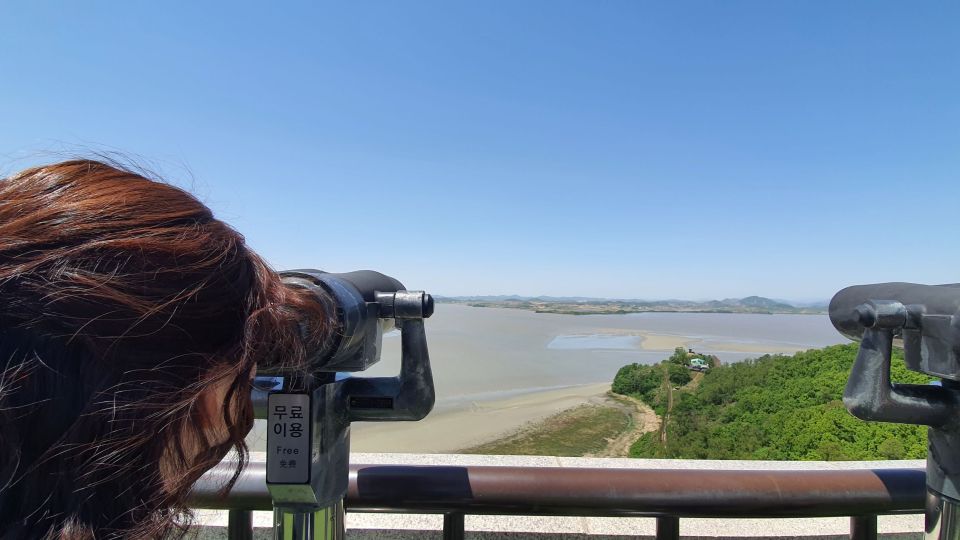
- Odusan Observatory to watch a North Korean farming village across the border
- Lunch of BBQ duck plus vegetarian options served during the day
Why this private DMZ and Odusan day feels different
A lot of DMZ tours are group-driven and time-tight. This one is built around privacy: you get a dedicated English-speaking guide and your own private vehicle, which matters because the DMZ isn’t a normal sightseeing loop. Security rules, escort instructions, and changing access can shape how long you stay at each stop.
What makes it compelling for me is the mix of places. You’re not only looking outward from an observatory; you’re also learning how the border zone works day to day—through the war-era pieces at Imjingak, the lived reality of military outposts, and the close border sightline from Odusan.
One more thing: the guide quality in this style of tour can make or break the day. In the same way a good museum guide changes how you read the room, a strong DMZ guide helps you interpret what you’re seeing—soldiers, fences, and the tense geography between North and South Korea. People mention guides like Shrek, Shaun, and Jimmy by name, and that lines up with the idea that you’re getting a real person who can answer your questions in plain language.
You can also read our reviews of more private tours in Seoul
Seoul-to-DMZ drive: what to expect on the road
You’ll start in Seoul with pickup and then ride out into Gyeonggi Province toward the Demilitarized Zone. The full day runs about 10 hours, so think of the schedule as a compact “inside the DMZ reality” day, not a slow scenic drive.
The ride matters because it sets expectations. As you head north, you’ll notice how the landscape and checkpoints change the vibe from ordinary city travel into something controlled and monitored. This is also when your guide usually frames the day: what the DMZ is, why particular spots matter, and what you should pay attention to once you’re near the border.
If you get car comfort like many previous guests describe—clean vehicle, and even water offered—use that as a cue to take your time with small needs. The day involves walking and waiting in controlled zones. Wear comfortable clothes and shoes, and keep your passport handy.
Spy commando battlefield stops: where the story turns serious

One of the most interesting parts is the visit tied to the infiltration route of North Korean spy commandos, including a site where North Korean spy commandos fought with combined Korean and U.S. special forces. That’s a heavy historical theme, but the value here is practical: it helps you understand why certain border areas became flashpoints in the first place.
This kind of stop can feel different from a museum. You’re not just reading about an event—you’re physically near the terrain where that kind of operation would have mattered: movement routes, concealment, and how quickly violence could escalate when two sides were already braced for infiltration.
For you, the payoff is perspective. When you later see fences and soldier patrol routines, you’ll have a clearer mental model for why the DMZ is so strict. It isn’t abstract. It’s built around real fear—cross-border movement, surprise attacks, and the ongoing tensions that never fully go away.
Imjingak Peace Park: war relics you can’t ignore
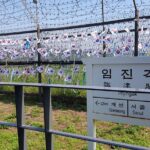
Imjingak Peace Park is one of the most grounded stops on the day. You’ll see war artifacts, artillery, and military bunkers—things you can stand near, not just look at from a distance.
This is the place where the emotional weight starts to make sense. War relics often feel random on a map. But in a DMZ context, they become evidence: evidence of what the peninsula has endured and why “peace” here means managing a frozen, armed standoff rather than a relaxed border.
A practical tip: give yourself time to look slowly. Even if you’re not a history buff, the bunkers and equipment make the scale feel real. If you like photo breaks, this is a good stop to stretch your legs, but do keep an eye on where your guide needs you next. In DMZ zones, timing can be less flexible than in a normal attraction.
Inside a South Korean military outpost: seeing the border up close
One major highlight is the chance to go inside a real South Korean military outpost. That’s the kind of access most visitors only see in documentaries—except here, you’re moving through the day with escorts and instructions that underline how controlled everything is.
What you’re learning is not just “what happened.” You’re learning how systems run now: personnel presence, the logic of observation, and how the border line is managed day to day. You may also get viewpoints where binoculars are available at the viewing platform, which can help you focus on the far bank and the human-scale details your eyes might miss.
Many people also mention going into the DMZ more than once depending on the day and access rules. Either way, the feeling tends to be the same: you’re close enough that the border stops being a concept and becomes an environment with rules, patrol patterns, and a visible sense of readiness.
You can also read our reviews of more tours and experiences in Seoul
Border perimeter fence views and patrolling soldiers
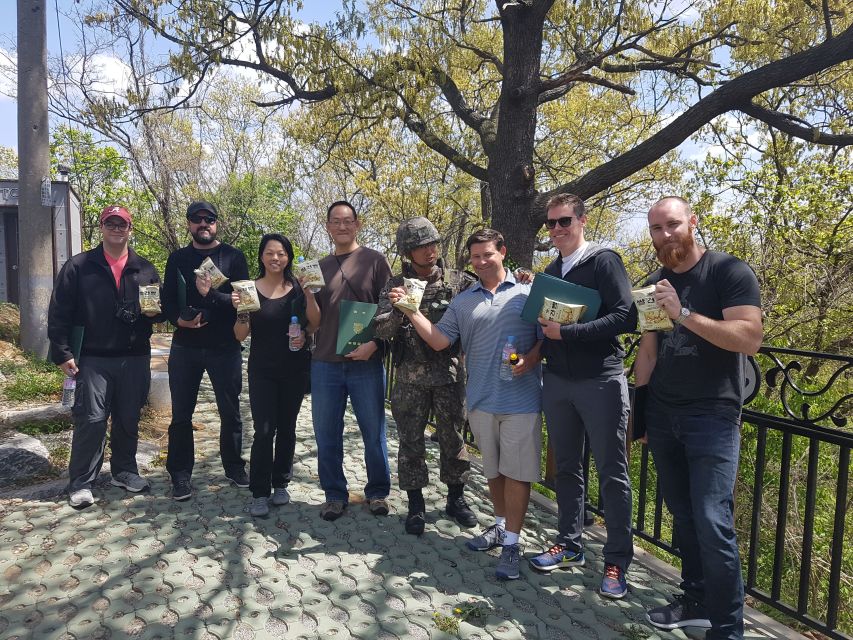
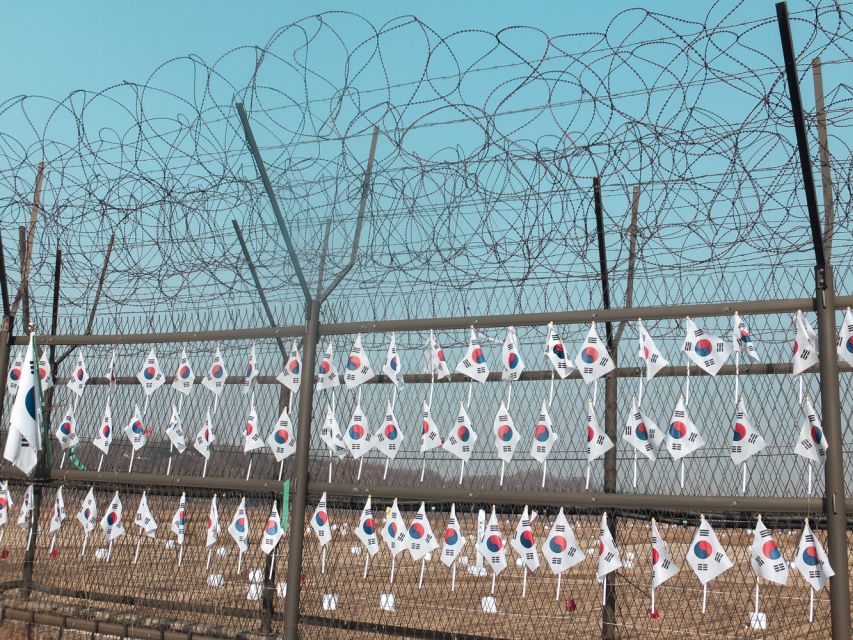
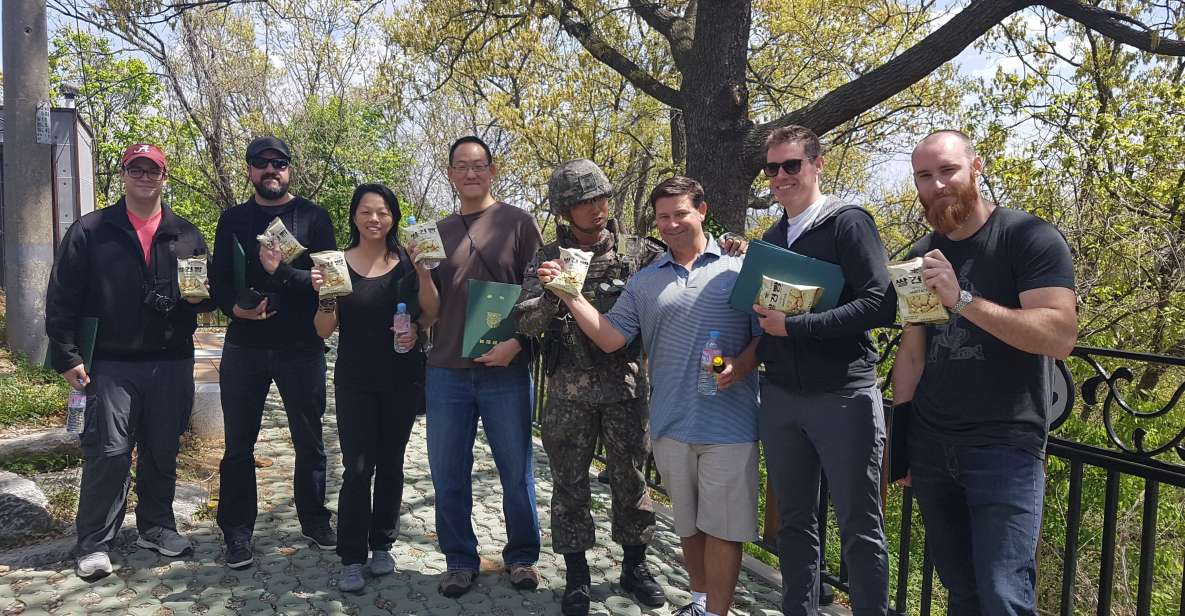
After Imjingak, you’ll follow the guide along the DMZ perimeter area with the barbed wire fence and soldiers patrolling the border. This is where your brain will start connecting the dots between history and present tense operations.
The best way to handle this stop is to go in curious, not shocked. Ask your guide questions like:
- What do you think people misunderstand about the fence line?
- How does observation work from this side?
- Why are some areas more restricted than others?
Even if you’ve read about the DMZ before, standing along a security perimeter changes the scale instantly. The fence isn’t a prop—it’s a boundary designed to prevent movement, and the presence of soldiers is there for a reason.
Also keep your expectations realistic for photography. There can be restrictions, and your guide will help you follow the rules so you can still capture plenty of useful images without causing delays.
Lunch of North Korean specialties: BBQ duck and options for vegetarians
Lunch is served during the day and centers on BBQ duck, often described as delicious and memorable. The value of this stop isn’t only the food—it’s that lunch anchors the day in a specific local experience rather than feeling like a standard tourist lunch break.
You’ll also have a range of vegetarian options. That matters because DMZ-area travel can be logistically tricky for dietary needs, and it’s reassuring that the tour plan includes alternatives rather than forcing you to skip the meal.
Practical advice: eat steadily and comfortably before your next stop. By the time you’re at Odusan, you might want your attention fully on distant details. A hearty lunch helps, and if you have any dietary constraints, tell your guide early so they can line you up with the right meal.
Odusan Observatory: a real farming village 2 km away
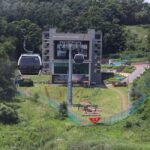
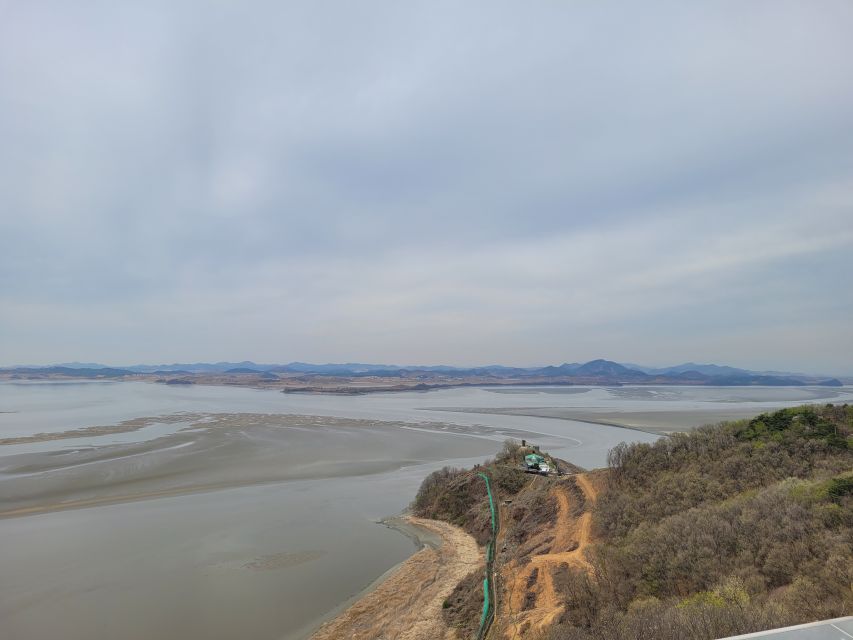
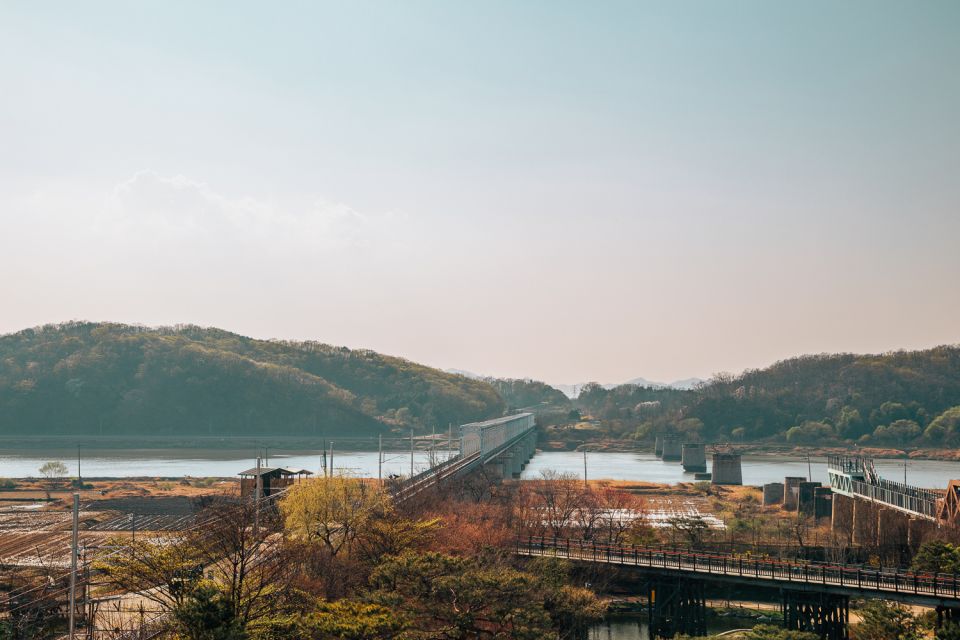
Odusan Observatory is where the DMZ becomes visual. You’ll visit an observatory and look across at a North Korean farming village about 2 km over the border, separated by the river.
The point isn’t that you can see everything clearly. It’s that the border is close enough to make everyday life feel close and complicated. A farming village across a short distance can feel like a contradiction—proof that the peninsula isn’t only divided by ideology. It’s divided by geography, security, and decades of tension.
Many guides also manage the viewing experience well by giving you time to look, explain what you might notice, and then move you onward before the next rules kick in. Some guests mention binocular access, which can help with far details. Even if you can’t spot much, you can still watch for motion and activity patterns that your guide explains.
This stop also gives you a clean “wrap the day” moment. After walking among war relics and military areas, Odusan shifts you into a different kind of understanding: the DMZ is not only about conflict; it’s about distance that separates lives.
Guide quality is the real multiplier on this tour
Because the day includes security zones, outpost access, and sensitive historical framing, your guide’s role is huge. In the experiences people share, guides like Shrek and Shaun come up often—friendly, communicative, and able to answer questions with balance.
One detail that stands out in the feedback: some guides bring a military background or firsthand experience, which can make explanations feel grounded and operational rather than purely political. Even when guides aren’t military, the better ones translate tense topics into calm, understandable observations.
Another practical advantage: private touring makes it easier to adjust pace. If you need an earlier return time, a vegetarian meal, or help managing a family situation, the private format tends to allow smoother adjustments. That’s harder with group schedules.
Price and value for a $200 private day from Seoul
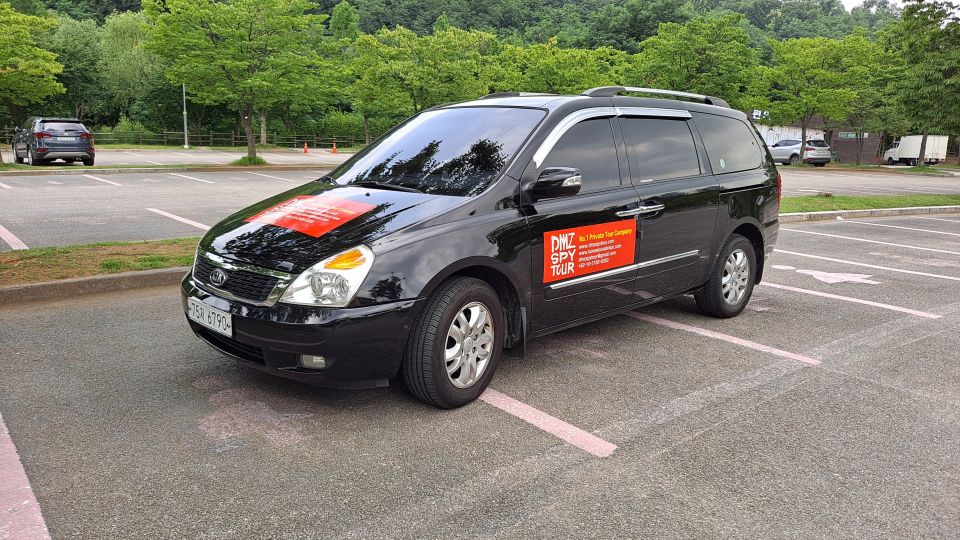
At $200 per person for a 10-hour private tour, you’re paying for more than entry fees. You’re paying for private transport, dedicated guide time, and the logistical overhead of DMZ access (which is not cheap in time, coordination, and security compliance).
Here’s the value math I’d use:
- You get pickup and drop-off in Seoul, so you aren’t spending your own time arranging rides or finding meeting points in a high-stakes zone.
- Entrance fees and lunch are included, meaning you don’t get surprised by costs once you’re out there.
- Private access matters because the DMZ isn’t a “wander and explore” setting; escorts and rules are the backbone of the experience.
If you’re traveling solo or as a small group, the private vehicle cost can still feel high. But compared with cobbling together transport plus separate ticketed stops, the day becomes more predictable and less stressful. I’d see this as a comfort-and-context package: you pay for convenience, guided interpretation, and a smooth experience in a place where smoothness is hard.
What to pack (and what to know before you go)
You’ll need a current valid passport on the day of travel. Bring it even if you think you might not need it—DMZ access tends to run on strict identification.
Dress for moderate walking. Comfortable clothes and shoes are a must. Even when the schedule feels short, you’ll likely spend time moving between stops, standing in place for views, and waiting for escort or access routines.
If you’re traveling with kids, some guides have helped arrange seating needs (for example, a rear-facing baby seat has been mentioned). You should still ask in advance, because arrangements can vary.
And if you have mobility concerns: this tour is not suitable for people with mobility impairments and wheelchair users. That’s important to take seriously because DMZ days can include uneven surfaces, controlled movement, and restrictions.
Who should book this DMZ and Odusan tour?
Book it if you:
- Want a private guide who can explain what you’re seeing at each stop
- Like history but also want context you can apply while you’re standing in front of fences and bunkers
- Prefer a structured day with pickup, entrances handled, and lunch sorted
Consider another option if you:
- Need full wheelchair accessibility or have limited mobility
- Get uncomfortable with security-related rules and photo restrictions
- Prefer open-ended travel where you roam freely without escort boundaries
Should you book this private DMZ and Odusan tour?
If you’re curious about how the Korean peninsula works on the ground—war relics, border systems, and the strange closeness of life across the river—this is a strong choice. The best part is the pairing: Imjingak helps you understand the past, and Odusan helps you see how that past still shapes the present.
For me, the decision comes down to guide quality and pacing. If you value a calm, explanatory day with a private vehicle and included lunch, the $200 price can make sense. If you’re looking for a casual, flexible sightseeing day, the DMZ’s rules will feel tighter than you may want.
FAQ
How long is the tour?
The experience runs for about 10 hours.
Where does the tour start?
Pickup is included from your accommodation in Seoul.
Is this a private tour?
Yes. It’s a private group tour with your own vehicle and guide.
What places will I visit during the day?
You’ll experience Imjingak Peace Park, visit a South Korean military outpost, and stop at Odusan observation point/visitor center to see a North Korean farming village across the border.
What’s included in the price?
Entrance fees for all visiting places, lunch (BBQ duck or an equivalent), a local English-speaking guide, and pickup and drop-off service are included.
Do I need a passport?
Yes. A current valid passport is required on the day of travel.
What languages is the guide available in?
The live guide is available in English, Japanese, and Korean.
Is there walking involved?
Yes, there is a moderate amount of walking. Comfortable clothes and shoes are recommended.
Is lunch included, and are there vegetarian options?
Lunch is included. It features BBQ duck or an equivalent, and there are vegetarian options.
Is it suitable for wheelchair users?
No. It is not suitable for people with mobility impairments or wheelchair users.