REVIEW · INCHEON
Incheon Port History Tour by 19th Century Electric Car, KTourTOP10
Book on Viator →Operated by 조은투어 · Bookable on Viator
Incheon port history moves at walking speed. This 19th-century-style electric car tour turns Incheon’s old port streets into a guided loop where you pick up story after story without rushing.
Two things I really like: you get a small group format, and the route mixes big-history sites with very specific local landmarks like Chinatown and the Jjajangmyeon Museum. One thing to keep in mind: at about 50 minutes, it’s more “high-impact overview” than a long, deep dive into every era.
In This Review
- Key details that shape your experience
- Why Incheon’s Open-Port Streets Feel Like a Time Machine
- The 19th-Century Electric Car: Fun Ride, Real Practicality
- The Stops That Make the Hour Count
- Incheon Art Platform: Red-Brick Port Storytelling
- Foreign Trade District Clues by the Stairs (Jogye and Jayu Park Views)
- Haean Catholic Church: Overseas Chinese Roots
- Jjajangmyeon Museum: Where a Food Legend Gets Tangible
- Euiseon-dang Shrine Inside Chinatown
- Donghwa Village Area: From Open Port to a New Town Life
- Mural Streets: Chohanji and Three Kingdoms
- Jemulpo Club: Foreign Social Life in a Port City
- Language and Guide Style: Getting More From the Hour
- Timing, Price, and Who This Tour Fits Best
- Weather, Comfort, and What to Do If Your Day Is Slipping
- Should You Book This Incheon Port History Tour?
- FAQ
- FAQ
- How long is the Incheon Port History Tour?
- How much does it cost?
- Where does the tour start?
- What’s included in the price?
- Do I need to buy a paper ticket?
- Is there a limit on group size?
- What happens if the weather is bad?
Key details that shape your experience
- The car ride is the point: slow, comfy, and perfect for seeing street-level history without sweating it out on foot.
- Small groups mean less waiting: your guide can actually notice what you’re looking at.
- You’ll hit iconic Incheon themes: open-port trade, foreign resident areas, Chinatown heritage, and murals.
- It’s built for schedules: multiple start times help if you’re working around flights or other plans.
- Audio may not be your friend: English explanations can vary, so bring questions you can’t cover with reading alone.
- Quality depends on the day: good weather matters, and you should confirm your time before showing up.
Why Incheon’s Open-Port Streets Feel Like a Time Machine
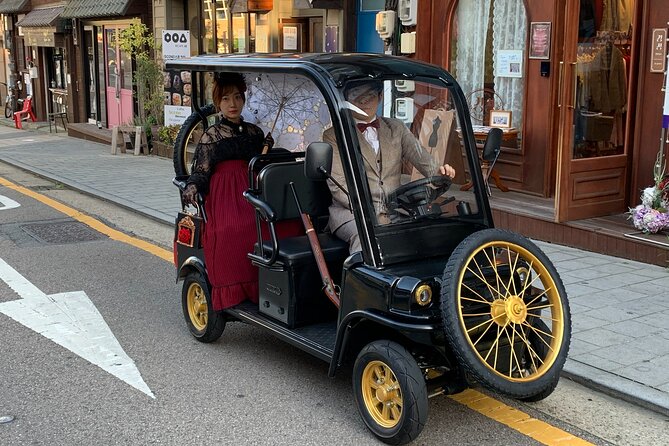
Incheon doesn’t just have a past. It has visible layers. You can feel it in the way buildings, stairways, and street corners still tell the story of foreign trade and mixed communities that formed around the port.
This tour leans into that idea by keeping you moving through the open-port area in a period-style electric car. You’re not stuck at one stop with a stack of plaques. Instead, you get a guided sequence: a port-history setting, then a foreign-resident district detail, then Chinatown religious culture, then murals tied to famous Chinese novels.
I especially like how the stops connect to everyday identity, not just dates. Jjajangmyeon gets its own museum stop, for example, which makes the story human. It’s not only “who arrived when,” but also “what food, people, and traditions stuck around.”
You can also read our reviews of more tours and experiences in Incheon.

The 19th-Century Electric Car: Fun Ride, Real Practicality
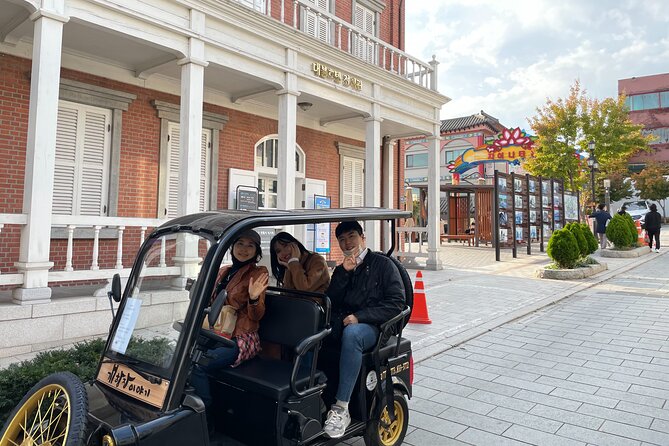
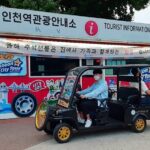
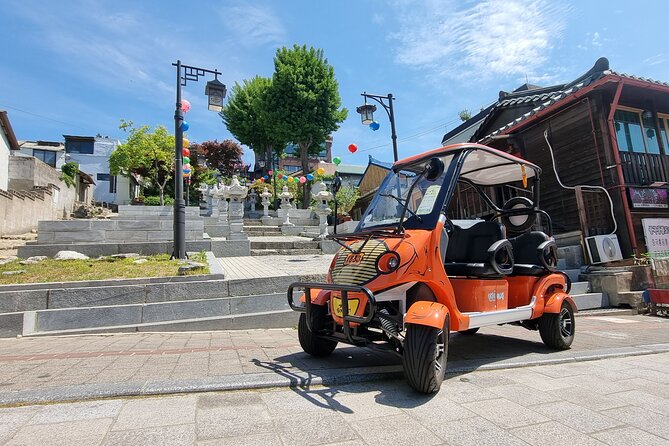
The vehicle is old-style on purpose. It’s not just a gimmick. Riding past heritage areas in a calm, historic-looking electric car helps you keep your attention on what you’re seeing instead of fighting traffic or walking long distances in heat.
This also helps if you have limited time. The tour clocks in at about 50 minutes, which is ideal when Incheon is only a piece of your day. I like that it’s short enough to fit without making you rearrange everything.
One more practical plus: it’s a small-group format with a maximum of 20 people. That matters because you’ll get more back-and-forth chances when your guide is near enough to hear you. If your group is tiny (and the pricing model supports groups of up to three in many bookings), you tend to get the kind of attention that makes the hour feel less like a bus lecture.
The Stops That Make the Hour Count
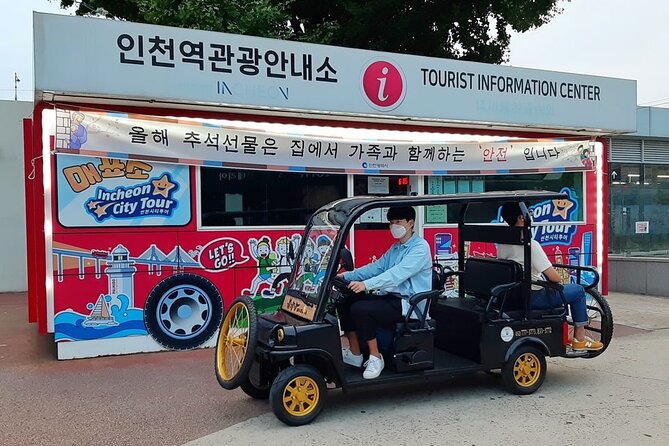
Here’s how the route “lands,” stop by stop—what you should look for, and what you might miss if you’re expecting a museum crawl.
Incheon Art Platform: Red-Brick Port Storytelling
Your first meaningful heritage stop is the Incheon Art Platform, made of red bricks. This place is tied directly to the open port story, and it also serves as a venue for art, music, literature, and film-type performances.
What you’ll likely enjoy here is the visual contrast: port-city history in an architectural style that feels steady and sturdy, then the reminder that cities keep remixing their cultural identity over time. If you like photography, the red-brick look is a natural win for quick shots before you head deeper into the port district.
Foreign Trade District Clues by the Stairs (Jogye and Jayu Park Views)
Next you move into a zone divided into Chinese and Japanese buildings around a stairway area. You’ll hear the term Jogye (조계), tied to a specific area for foreign residents and trade. The stop connects into Jayu Park as well, and you can typically get a view out toward the sea from this broader area.
This is a good moment to slow down mentally. Even if you don’t catch every explanation, the physical arrangement helps you “understand” the story: different communities and functions mapped onto specific buildings and spaces. It’s the kind of stop that makes the guide’s context click.



Haean Catholic Church: Overseas Chinese Roots
Then comes Haean Catholic Church, described as historically significant for devoted Catholics among overseas Chinese in the 1960s. Even if you aren’t church-focused, this is a valuable change in tone. It shows how migration isn’t only commerce; it’s also family life, belief, and community support.
Look for the feel of a specific community building. It’s the kind of place where you can sense that “overseas Chinese” wasn’t an abstract headline. It was neighbors trying to build a life.
Jjajangmyeon Museum: Where a Food Legend Gets Tangible
The Jjajangmyeon Museum sits at the location where the very first original Jjajangmyeon restaurant, Gonghwachun, used to be. The museum format is hands-on and relic-based, so you can connect the dish to a specific origin point rather than treating it as a generic Korean-Chinese fusion story.
This is one of the stops I think you’ll remember even if your port history notes fade. Food is a shortcut to culture. It’s also a reminder that major cities keep history alive through everyday habits—who opened a shop, who cooked what, and how something became normal over time.
Euiseon-dang Shrine Inside Chinatown
Inside Chinatown you’ll visit Euiseon-dang, described as a Chinese-style shrine built by Chinese immigrants who left their homeland seeking comfort from loneliness and the difficulties of immigration.
This stop works because it gives emotional context. Trade districts can feel clinical if you only focus on buildings. Here, the story turns personal. Even from the outside, you can see how a community would use a shrine to stay connected—spiritually and socially—while living far from home.
Donghwa Village Area: From Open Port to a New Town Life
You’ll also hear how, when Incheon Port opened in 1883, foreigners lived in Songwol-dong to form rich villages. Over the decades, younger residents moved out, and only seniors remained. The town was later reborn as Donghwa Village.
What I think makes this stop meaningful is the way it frames continuity. Cities don’t freeze in time. They shift. Some areas become quieter, some communities thin out, and the place gets rebranded or reimagined—yet the footprint of history remains.
Mural Streets: Chohanji and Three Kingdoms
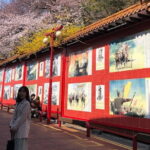
Then you get a more visual cultural stop: Chohanji Mural Street & Three Kingdoms Mural Street, featuring murals tied to representative Chinese historical novels.
If you like street art, this is a fun break from architecture-heavy stops. The murals give you something easy to look at while your guide provides context, and you’ll get a sense of how popular literature also travels and shapes local storytelling.
Jemulpo Club: Foreign Social Life in a Port City
The final major stop is Jemulpo Club. In 1981, it operated as a social club for foreigners living in Incheon. The building details include a social room, billiard room, and reading room, with a tennis court outside. It later connects to the Japanese colonial period era (the timeline is discussed as part of the site’s story).
This is the “how did people actually live” stop. Trade ports bring people, but social clubs show what those people did when they weren’t working. It’s also a reminder that foreign resident life had routines—play, reading, conversation—even when political events changed everything later.
Language and Guide Style: Getting More From the Hour
The experience is designed for an easy overview, but language can be the limiting factor. I’d go into this expecting that explanations may be pre-recorded or that spoken English can be limited depending on who’s driving or guiding.
That doesn’t mean you’ll be stuck. The route includes visual landmarks that work even without perfect audio. Still, if you want maximum value, come with simple questions before you start, like:
- What’s the most important connection between Jogye and the surrounding buildings?
- Why does jja-jang-myeon get a dedicated origin location here?
- Which mural scene is tied to a specific chapter or character?
One guide name you might hear is Soo nie (spelling can vary), described as enthusiastic and patient when explaining the historical parts of old Incheon. A good guide can turn a short tour into a satisfying story instead of a quick pointer-and-go route.
Timing, Price, and Who This Tour Fits Best

At $45 per group (up to 3), the price structure can be a strong value if you’re traveling as a small unit. Divide it and you’re often effectively paying less per person than you would for a per-person city walking tour—especially when the key “transport” component is included (the old-style electric car ride).
Duration is about 50 minutes, so you’re paying for a concentrated route rather than a slow, leisurely pace. If you’re someone who likes quick orientation and you’re comfortable reading details yourself between explanations, this fits perfectly.
I think this tour is especially good for:
- A short layover day when you want a guided highlight loop without committing to a full-day plan
- First-timers to Incheon who want context on what made the port area important
- People who enjoy history that includes food and daily-life spaces, not only formal monuments
- Families who want something moving and not overly long
It’s less ideal if you’re hunting for long museum time or deep academic coverage. In one hour, you’ll get guided “signposts,” not a complete timeline.
Weather, Comfort, and What to Do If Your Day Is Slipping
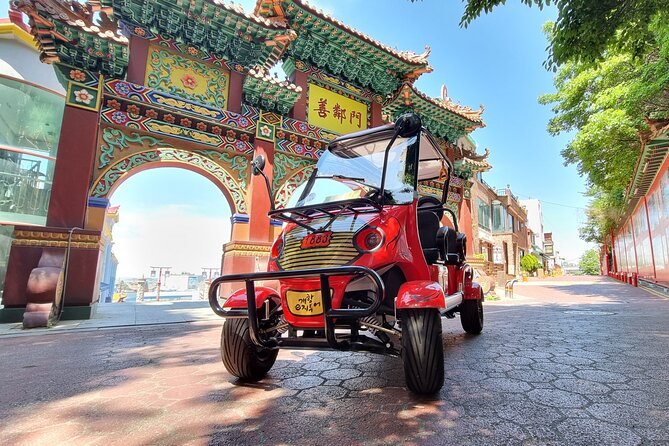
This experience depends on good weather. If weather is bad, the plan may shift with a different date or a full refund, so check conditions if you’re booking close to your travel day.
On a comfort level, the car format helps with pacing. You won’t have to power-walk between far-flung stops. That’s a big deal in Incheon when you’re juggling jet lag, humidity, or a tight schedule.
And here’s my real-world advice: don’t just assume the tour will run because you booked. If you’re on a strict itinerary, confirm your exact start time a day before and again closer to departure. One unfortunate scenario that can happen is a tour that doesn’t start as planned, leaving people waiting. A quick confirmation can save a lot of stress.
Should You Book This Incheon Port History Tour?
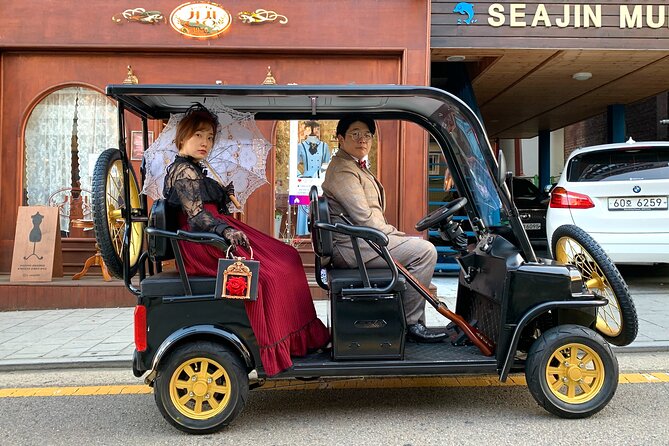
Book it if you want a fast, guided loop through Incheon’s open-port story in a fun transport format. The mix is the selling point: port-area landmarks, Chinatown culture, murals tied to famous novels, and a food-history stop that makes the story feel personal.
Skip it (or treat it as a “taste,” not a deep course) if you need lengthy explanations, fluent English narration, or long time inside museums. At 50 minutes, the tour is built for momentum.
My bottom line: if your goal is to get your bearings fast and leave with a handful of memorable places—especially Jjajangmyeon Museum and Jemulpo Club—this is the kind of tour that fits the way many people actually travel.
FAQ
FAQ
How long is the Incheon Port History Tour?
It runs for about 50 minutes.
How much does it cost?
It costs $45.00 per group, up to 3 people.
Where does the tour start?
The meeting point is 266 Jemullyang-ro, Jung-gu, Incheon, South Korea.
What’s included in the price?
The price includes the old-style electric car tour for about 50 minutes and the tour guide fee.
Do I need to buy a paper ticket?
No, the tour uses a mobile ticket.
Is there a limit on group size?
Yes. The tour has a maximum of 20 travelers.
What happens if the weather is bad?
This experience requires good weather. If it’s canceled due to poor weather, you’ll be offered a different date or a full refund.