REVIEW · SEOUL
Seoul History Tour: Dark Past & Market Street Flavors
Book on GetYourGuide →Operated by TRIPPER · Bookable on GetYourGuide
Seoul changes pace fast on this tour. You start at Seodaemun Prison, then move through Namdaemun Market flavors, tying Korea’s fight for freedom to what locals eat every day. I really like the way the day keeps one foot in real places (cells, courtyards, gates) while the other foot lands on comfort food you can actually taste.
The biggest consideration: this is moderate walking, and it’s not suitable for wheelchair users. If you’re comfortable on your feet, it’s a satisfying way to see a lot without feeling rushed.
In This Review
- Key highlights worth planning for
- A $65 day that connects Korea’s resistance to what you can eat
- Starting at Dongnimmun and keeping the day moving
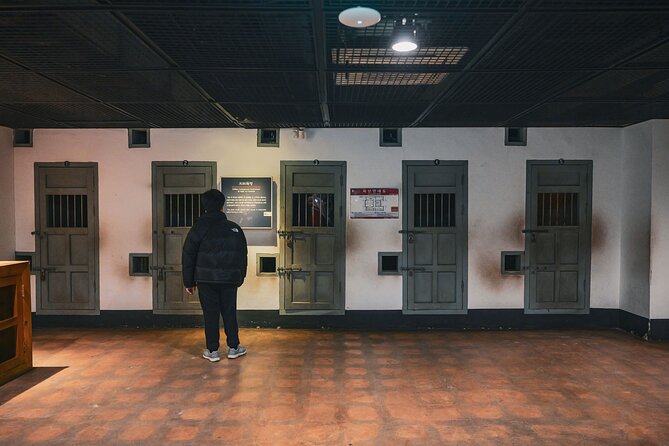
- Seodaemun Prison History Hall: where resistance had a cost
- Dilkusha and Albert Taylor: the surprising role of an American journalist
- Deoksugung Palace: royal space meets modernization
- Seoul City Hall and Sungnyemun Gate: a living marker of change
- Namdaemun Market: Kalguksu Alley and hotteok comfort
- Price and logistics: what you’re really paying for
- Who should book this tour (and who might want a different plan)
- Should you book this Dark Past & Market Street Flavors tour?
- FAQ
- Is the Seoul tour mostly walking?
- What does the $65 price include?
- Where do we meet the guide?
- What places do you visit during the day?
- Does the tour run in bad weather?
- Is it available in English, and who should avoid it?
Key highlights worth planning for
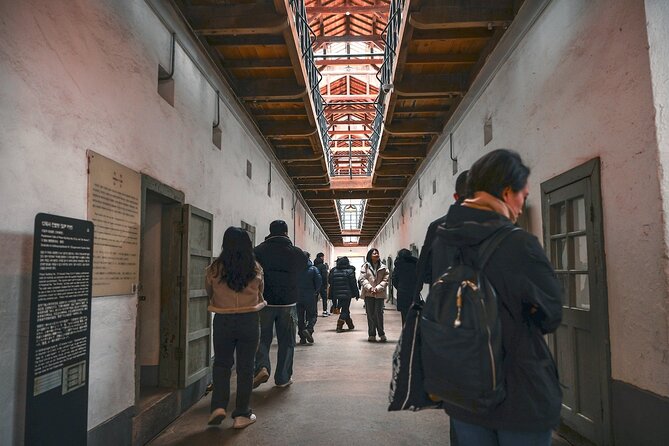
- Seodaemun Prison cells and execution grounds: see where independence activists were held during Japanese colonial rule
- Dilkusha and Albert Taylor’s house: understand how an American journalist helped spread Korea’s independence movement internationally
- Deoksugung Palace’s Korean-Western mix: watch royal space expand into a modernizing era under Emperor Gojong
- Sungnyemun (Namdaemun) Gate in context: pass a 600-year-old national treasure while the city’s story keeps moving
- Namdaemun Market street-food tastings: stop at Kalguksu Alley for handmade knife-cut noodles, plus sweet, hot hotteok
A $65 day that connects Korea’s resistance to what you can eat
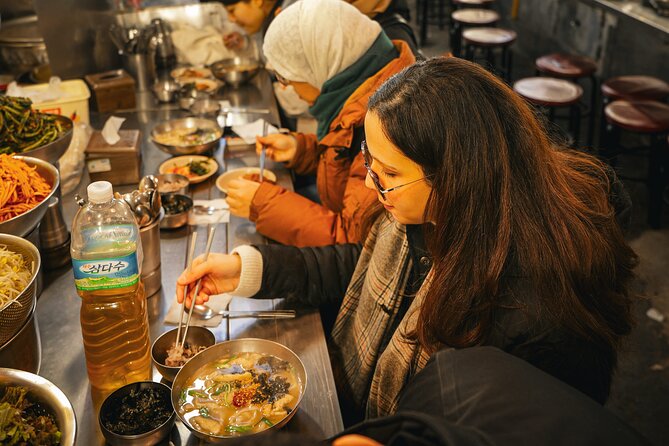
For $65, this tour does something smart: it refuses to treat “history” and “food” like separate vacations. You get the somber parts first, then you end in a market where the mood is warmer, louder, and very human. That contrast isn’t random. It helps you feel how the past lives in daily life.
I also like the practical balance. You’re not stuck in one museum room for hours. You walk through places—Seodaemun’s prison spaces, Dilkusha’s historical setting, Deoksugung’s palace grounds—and then you turn the corner into Namdaemun’s everyday rhythm. It’s the kind of flow that helps your brain stitch the country together fast.
One more value point: the price covers the English-speaking professional guide, entrance fees, and transportation, plus the food tastings at Namdaemun. That matters in Seoul, where transit and attraction tickets can add up quickly.
You can also read our reviews of more historical tours in Seoul
Starting at Dongnimmun and keeping the day moving
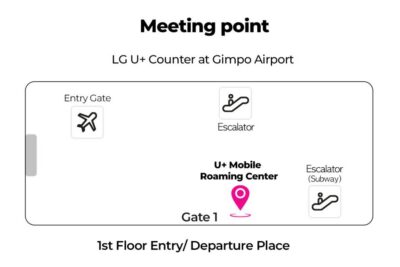
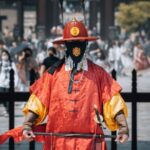
You meet at Dongnimmun (Independence Gate) Station, Exit 5, and you’ll spot the guide holding a Tripper sign. That makes the start easy—no long hunt for your group. Expect a day that keeps you walking between key areas, with on-the-ground flexibility if routes need to change.
The tour runs in rain or snow, and they only call you separately if it’s completely impossible to proceed. That’s comforting because Seoul weather can be moody. Just plan on wearing layers and bringing comfortable shoes—your feet will thank you.
Also, you’ll get tour details on WhatsApp 1–2 days before. It’s a helpful nudge if you want to confirm timing, meet-up point, or anything that affects where you walk that day. If you prefer calm, low-stress travel, this kind of communication reduces last-minute anxiety.
Seodaemun Prison History Hall: where resistance had a cost
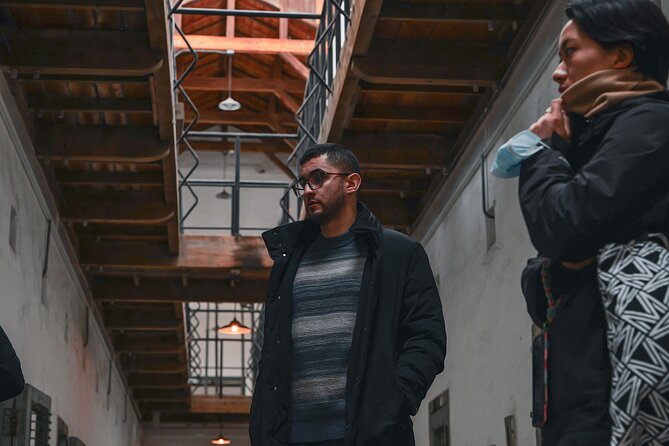
Seodaemun Prison is the emotional center of the day, and it doesn’t soften the story. You’ll walk through somber cells and the execution grounds tied to Korean independence activists imprisoned during the Japanese colonial era. It’s heavy material, but it’s also structured in a way that helps you understand the cause-and-effect: what happened, why it mattered, and how it shaped modern Korea.
What I appreciate about visiting here with a guide is context. Prison walls are prison walls if you don’t know what to look for. With an expert in your ear, you start noticing how exhibits connect personal suffering to broader resistance efforts. You also hear real-life accounts of those who fought for freedom and see how colonial rule left lasting legacy.
This stop can feel intense—again, that’s part of the point. If you’re sensitive to dark history, pace yourself. Step back when you need to. Take a moment outside when you can. The tour moves steadily, but you still control your breathing.
Dilkusha and Albert Taylor: the surprising role of an American journalist
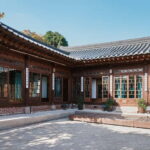
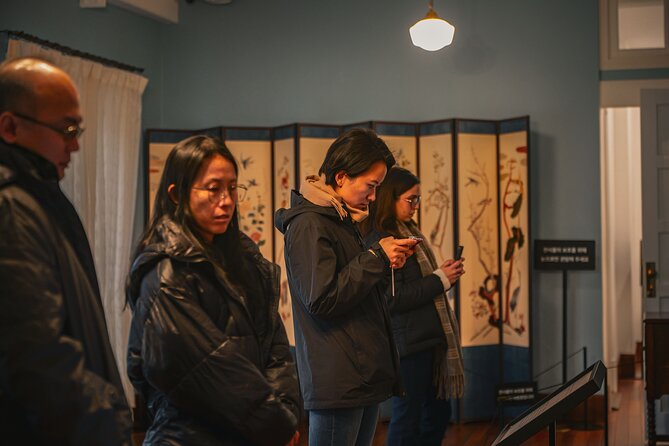
After the prison, you shift to a different kind of gravity at Dilkusha—the home of Albert Taylor, an American journalist who supported Korea’s independence movement. What makes this stop interesting isn’t just the connection to Korea’s cause. It’s the idea that international attention helped pressure the world to look.
You’ll learn how Taylor played a key role in spreading Korea’s story beyond the peninsula. In a place like Seoul, where history can feel intensely local, this is a reminder that Korea’s struggle reached global eyes—and that support could come from unexpected places.
Dilkusha is also where the day’s tone becomes more reflective rather than confrontational. You’re still learning, but it feels less like you’re staring at tragedy and more like you’re tracing how information travels. That’s valuable if you want a fuller picture than dates and names—you want the human networks behind them.
In the same breath, you also get a sense of how the house became a symbol of resistance and resilience. It’s one of those experiences where you step away thinking about power: who had it, who lacked it, and what it takes to change outcomes.
Deoksugung Palace: royal space meets modernization
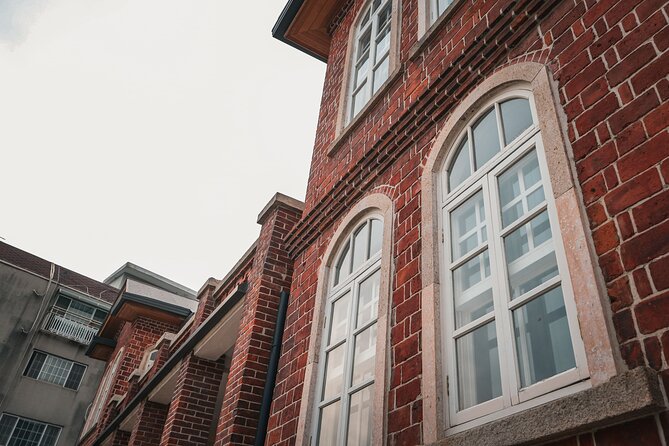
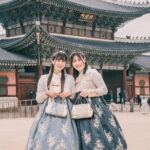
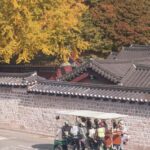
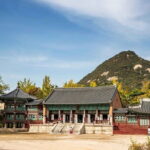
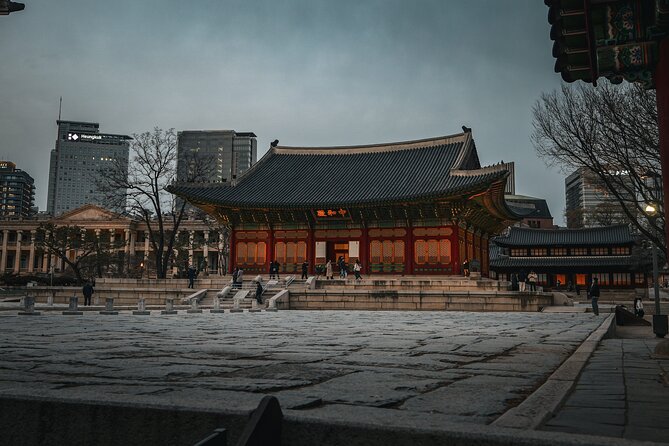
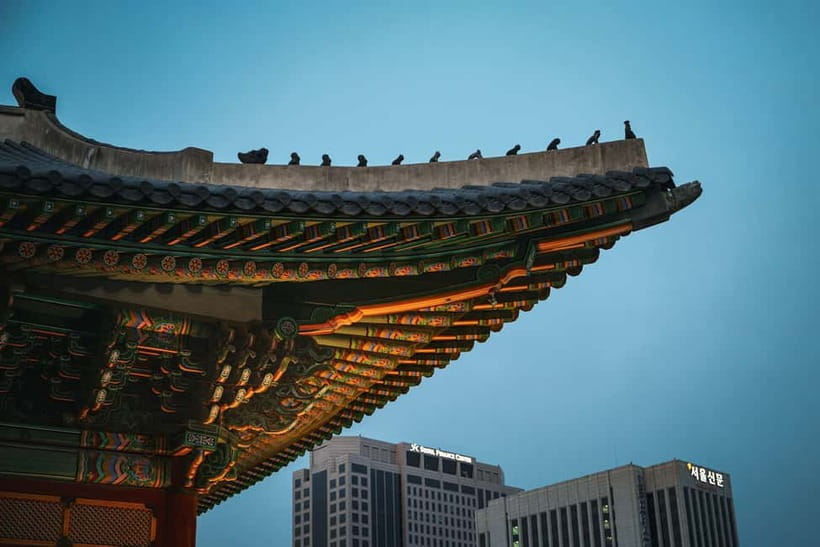
Next comes a visual breath: Deoksugung Palace. Here you’ll see a blend of Korean and Western architecture in a royal setting. That mix isn’t just aesthetic. It lines up with the era when Korea faced major shifts and leaders tried to chart new paths.
You’ll walk through areas tied to Emperor Gojong, described as the last emperor of Korea. He sought refuge here and worked through plans for Korea’s modernization. The contrast is striking: palace courtyards and formal halls, framed against the shape of a modern Seoul skyline nearby.
This is a stop I’d recommend even if you’re not a palace superfan. It helps you connect political change to physical space. You’re basically reading a country’s transition using buildings instead of textbooks.
If you want a practical tip: keep your eyes open for the architectural blend. It’s the kind of detail that’s easy to miss when you’re just snapping photos. A guide helps you notice what to look for so you come away feeling like you understood what you saw.
You can also read our reviews of more shopping tours in Seoul
Seoul City Hall and Sungnyemun Gate: a living marker of change
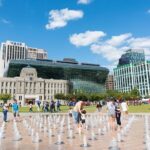
Between the palace and the market, you pass major landmarks that map Korea’s transformation from colonial past toward democracy and today’s city life. You’ll go by historic Seoul City Hall, framed as a symbol of the country’s shift over time.
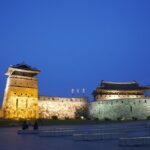
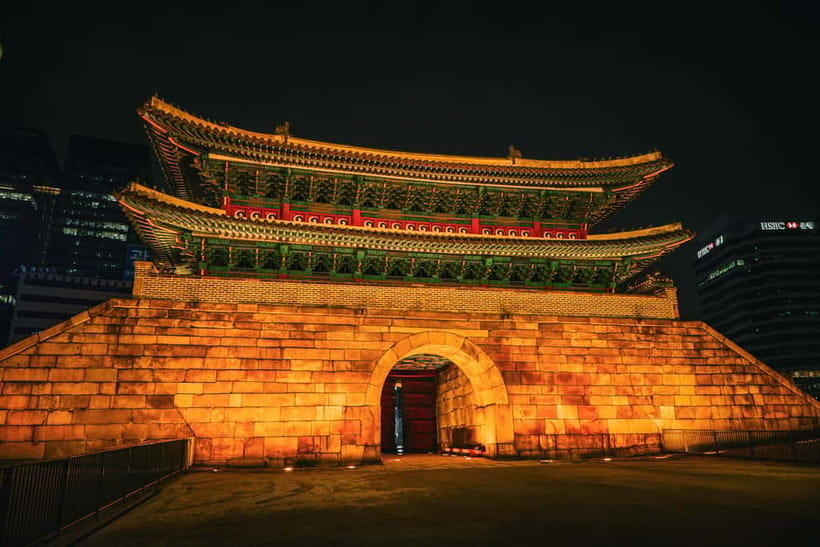
Then there’s Sungnyemun (Namdaemun) Gate, a national treasure with a history going back about 600 years as the southern entrance since the Joseon Dynasty. Seeing it as part of your walking route changes how it lands. It’s not just a postcard gate. It’s a reminder that Seoul has layers—and that today’s street life has deep roots.
This segment works well because it’s less emotionally heavy than Seodaemun but more meaningful than a simple photo stop. You’re still learning, but the mood is lighter. You’re getting your bearings for the market portion that comes next.
Namdaemun Market: Kalguksu Alley and hotteok comfort
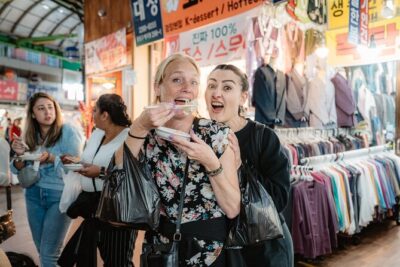
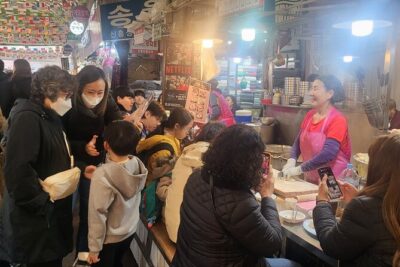
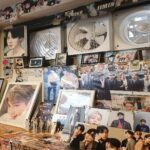
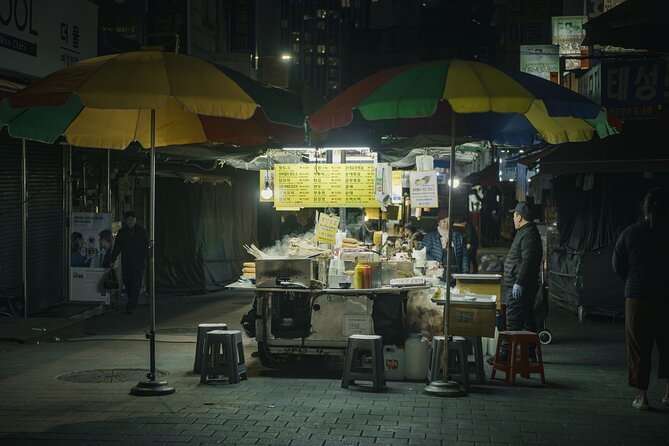
Namdaemun Market is where the day turns into real life. You’ll step into Korea’s largest and oldest traditional market, where vendors have been selling for over 600 years. The atmosphere can feel like sensory overload at first—sounds, smells, movement—but that’s also why it’s such a strong finale.
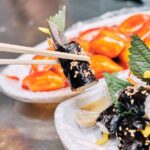
The tour focuses on street foods locals actually crave, with tastings that are meant to keep you full without turning the day into a food festival. One anchor stop is Kalguksu Alley, where you can enjoy steaming bowls of handmade knife-cut noodles. This is the kind of comfort food that makes history feel less abstract. After dark prison walls, a warm bowl in a busy alley is a shock—in a good way.
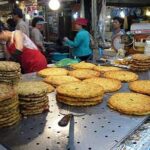
You’ll also taste street snacks like hotteok, the sweet, warm pancake often filled and cooked until it’s fragrant and gooey. It’s simple, but it’s also Korea in miniature: street cooking, quick satisfaction, and flavor built for walking and sharing.
One more thing I liked: this isn’t a vague “try something local” moment. You know what you’re going to eat, and you learn how those stalls fit into Seoul’s everyday rhythm. You leave with a sense of what locals reach for, not just what tourists can order.
Price and logistics: what you’re really paying for
Let’s talk value, because $65 in Seoul can mean very different things depending on what’s included. Here, you’re not paying just for a guide walking beside you.
You’re paying for:
- an English-speaking professional guide with historical storytelling
- entrance fees covered
- transportation cost covered
- food tastings in Namdaemun Market
That package matters because history stops like Seodaemun and major sites around Deoksugung aren’t just “look from outside” experiences. You’re going inside and seeing curated exhibits and palace spaces. Without guide context, those stops can feel like they’re doing half the work.
Also, the tour is described as a small-group setting, which tends to improve the experience. You get more time for questions and you don’t feel like you’re being herded through each stop like a human conveyor belt.
Main drawback? The walking. It’s moderate, but the day still strings together multiple sites across neighborhoods. If you show up with worn-out shoes or you hate moving, you’ll feel it. If you can handle a steady walk, the pacing makes sense.
Who should book this tour (and who might want a different plan)
This tour fits best if you like history with emotion and context. Seodaemun Prison can hit hard, but the goal is understanding Korea’s resistance story and its lasting legacy—not just collecting facts.
It’s also a great choice if you love food but want it tied to place. The market stop isn’t tacked on as a generic snack break. It’s part of the narrative: from prison walls to market stalls, from political struggle to everyday comfort.
You might choose a different experience if:
- you want a light, carefree day only
- you have mobility limitations (it’s not suitable for wheelchair users)
- you deal with altitude sickness concerns (it’s noted as not suitable)
If you’re the type who likes asking questions, you’ll probably enjoy this day even more. Guides like Janice and Ron (both mentioned as passionate and friendly in the experience) make a difference. They’re there to connect the dots between what you see and what it means.
Should you book this Dark Past & Market Street Flavors tour?
I’d book it if you want a Seoul day that feels real—real history you can’t ignore, followed by real food you’ll remember. The combination is unusual in a good way: you end with warm noodles and hotteok right after learning about colonial-era imprisonment and independence efforts.
I’d think twice only if you’re not up for emotional history or you don’t do well with steady walking. But if you’re comfortable on your feet and you’re ready for a meaningful story, this is strong value for the money.
If you’ve only got one day to “understand Seoul,” this is the kind of tour that gives you context you’ll carry with you long after the last bite.
FAQ
Is the Seoul tour mostly walking?
It includes a moderate amount of walking. They recommend a reasonable level of fitness, and it is not suitable for wheelchair users.
What does the $65 price include?
The price includes an English-speaking professional guide, all entrance fees, transportation cost, and food tastings at Namdaemun Market.
Where do we meet the guide?
You meet at Dongnimmun (Independence Gate) Station, Exit 5, and the guide will be holding a Tripper sign.
What places do you visit during the day?
The tour includes Seodaemun Prison History Hall, Dilkusha, Deoksugung Palace, passes Seoul City Hall and Sungnyemun (Namdaemun) Gate, and spends time at Namdaemun Market for food tastings like Kalguksu Alley noodles and hotteok.
Does the tour run in bad weather?
Yes, it operates as scheduled in rain or snow. They only contact you separately if the weather makes it completely impossible to proceed.
Is it available in English, and who should avoid it?
It runs in English. It is not suitable for wheelchair users or people with altitude sickness.