REVIEW · SEOUL
Seoul Cultural Tour – Kimchi Making, Gyeongbok palace with Hanbok
Book on Viator →Operated by VIP TRAVEL Co.Ltd · Bookable on Viator
Kimchi, hanbok, and palace etiquette—on one schedule. This Seoul cultural tour strings together hanbok photo time, Gyeongbokgung Palace, a tea ceremony, and a hands-on kimchi class into one 6.5-hour block. You also get a classic Korean folk game, plus a guided wrap-up stop on the way back.
I really like two things here. First, the experience runs as a small group (up to 10 people), which helps the guide keep things moving without feeling rushed. Second, the kimchi-making lesson is short (about 30 minutes) but structured, so you leave with a practical sense of what goes into the dish and why it matters in everyday Korean food.
One consideration: the day is packed, and lunch isn’t included. Also, your return stop is either an amethyst factory or a ginseng center, and if you prefer pure sightseeing, that final add-on may feel more shop-oriented than you’d expect.
In This Review
- Key highlights worth your attention
- Why this Seoul combo works so well
- Morning logistics: hotel pickup and a small group day
- Gyeongbokgung Palace: hanbok etiquette with real context
- Insadong time: a cultural walking break in the middle
- Tea ceremony and a Joseon-era folk game: the best break in the schedule
- Kimchi-making class: 30 minutes of hands-on cooking skill
- Hanbok shopping is actually learning: how the photo moment becomes etiquette
- The last stop on the way back: ginseng center or amethyst factory
- Price and value: is $99 worth it for this Seoul day?
- Who should book this tour, and who might skip it
- Should you book this Seoul Cultural Tour?
- FAQ
- How long is the Seoul Cultural Tour?
- What time does the tour start?
- How much does it cost?
- Is hotel pickup included?
- What language is the guide?
- How many people are in the group?
- What activities are included besides the palace?
- How long is the kimchi-making class?
- Is lunch included?
- Do I need a mobile ticket?
- Can I get a full refund if I cancel?
Key highlights worth your attention
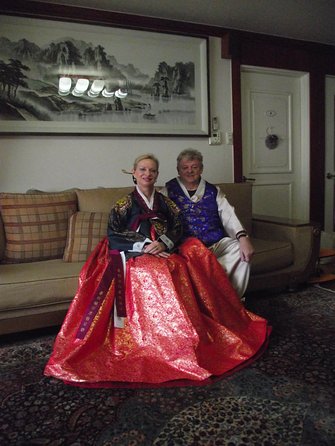
- Hanbok photo time with etiquette practice (you dress like royalty and learn how to behave formally)
- 30-minute kimchi class focused on making it yourself and learning how it’s used
- Tea ceremony plus a Joseon-era folk game (often Yut-nori)
- Gyeongbokgung Palace as the cultural anchor for the morning
- Hotel pickup + max 10 people to keep logistics calmer
- Amethyst factory or ginseng center on the way back
Why this Seoul combo works so well
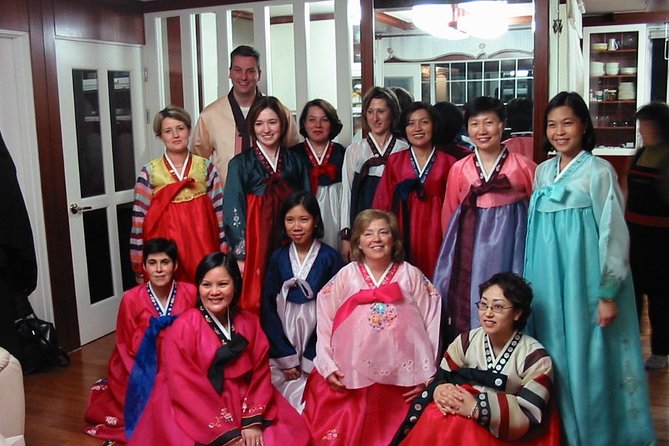
If you want Korean culture in a single afternoon, this format is a smart one. You’re not only looking at landmarks; you’re also doing the fun, hands-on stuff: putting on hanbok, joining a tea moment, playing a traditional game, and making kimchi with guidance.
The big value is how the pieces connect. Hanbok isn’t just a costume moment. You practice formal etiquette in it, so you understand what the clothing symbolized and how manners were expected. Then kimchi follows the same pattern: you learn a bit of tradition and reasoning, not just steps. It turns a famous food into something you can picture in a real kitchen.
The pace can feel busy, but it’s the kind of busy that makes photos easy and keeps you from spending your trip time figuring out transportation between separate activities.
You can also read our reviews of more historical tours in Seoul
Morning logistics: hotel pickup and a small group day
You’ll start around 9:30 am, and the tour includes hotel pickup in Seoul. That matters because Gyeongbokgung Palace and central cultural neighborhoods can eat up time if you’re hopping between subway stations and walking in crowds.
This runs with a maximum of 10 travelers, which tends to make a difference during kimchi class and costume time. When a group is small, the guide can correct posture for etiquette, help you choose an outfit, and keep the timing from sliding.
You’ll be with a professional guide in English or Chinese. Based on past group experiences, you may get hosts such as Jay, Eva, Alice, Lady K, Lena, Tom, Mi So, or Grace. Different guides have different styles, but the common thread is clear: they’re interactive, quick with explanations, and helpful with photos.
Tip: bring comfortable shoes you can move in while wearing hanbok. You’ll be changing locations and walking between moments.
Gyeongbokgung Palace: hanbok etiquette with real context
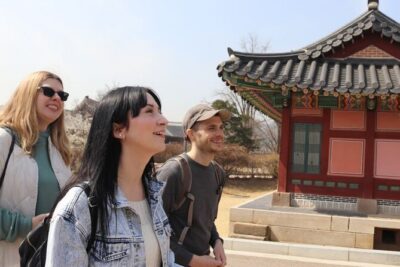
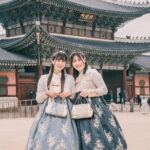
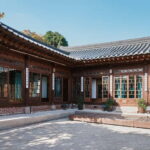
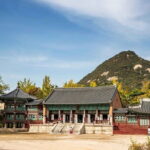
Gyeongbokgung Palace is your major anchor stop, and it’s a great choice for this kind of tour. It’s one of the most recognizable royal settings in Seoul, and wearing hanbok here adds a layer you don’t get from regular museum time.
What I like about the way this tour handles the palace portion is the focus on formal social etiquette. Instead of treating hanbok as a costume prop, you practice how people held themselves and interacted in polite settings. That turns your photos into more than just outfits. You also get a better sense of why clothes and behavior were linked in traditional Korean life.
The palace setting also gives your day a natural rhythm. You start with big, iconic architecture and open spaces, then shift into smaller, more personal activities like tea and kimchi. It’s the right order: see something grand first, then slow down for the details.
Practical note: cameras are useful, but also be ready for moments where you’ll stand, listen, and follow group directions. Palace walking plus hanbok can be a little slower than normal footwear.
Insadong time: a cultural walking break in the middle
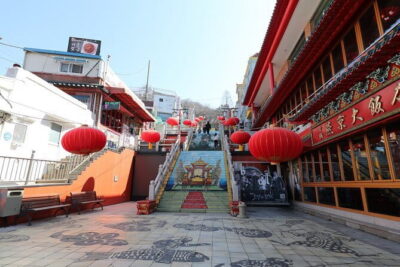
Stop 2 is Insadong, which works well as a mid-route reset. After palace time, you get a more street-level view of Korean culture as your guide moves the group along the day.
Why this matters: Insadong gives you a change of pace between the structured parts (palace, then cultural center activities). It’s also useful for collecting casual photo angles and seeing how people move through central Seoul.
What you should do here is simple: keep an eye on your guide’s timing, because this tour packs in a lot. If you want extra souvenir time, plan it carefully—this itinerary is built for multiple scheduled activities, not long detours.
If you’re the type who likes to wander, take it in small bites: walk a few blocks with the group, then use the free minutes you’re given. The best “value for time” approach is to stay close and let the guide handle the handoff to the next stop.
Tea ceremony and a Joseon-era folk game: the best break in the schedule
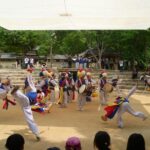
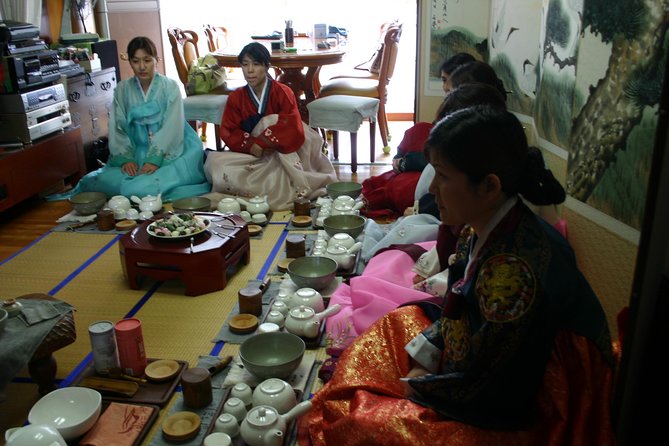
This tour doesn’t just teach. It includes a moment that feels like stepping into daily life. You’ll have a welcoming cup of Korean tea at a cultural center, then you’ll play a traditional folk game from the Joseon era.
I like this part because it balances the heavier elements. After hanbok and palace etiquette, tea and a game help you shift from “watch and photograph” to “participate and laugh a little.” The folk game is often Yut-nori, which is exactly the kind of activity that works across ages. In past experiences, even people in mixed-age groups have found it easy to join in because the guide helps explain how to play.
Also, this is where your guide’s personality really shows. People have praised guides for being interactive and supportive, including helping everyone stay engaged even when the group includes older participants.
Practical tip: tea is included, but you still might get thirsty while walking. Bring water for the in-between gaps.


Kimchi-making class: 30 minutes of hands-on cooking skill
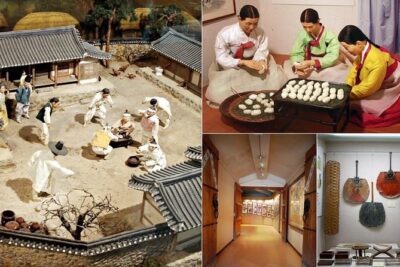
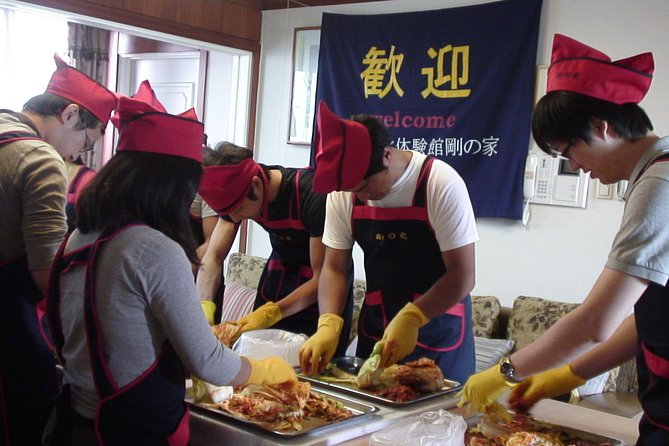
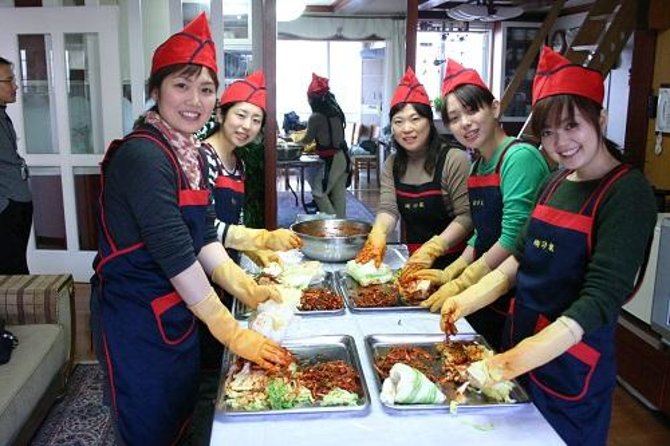
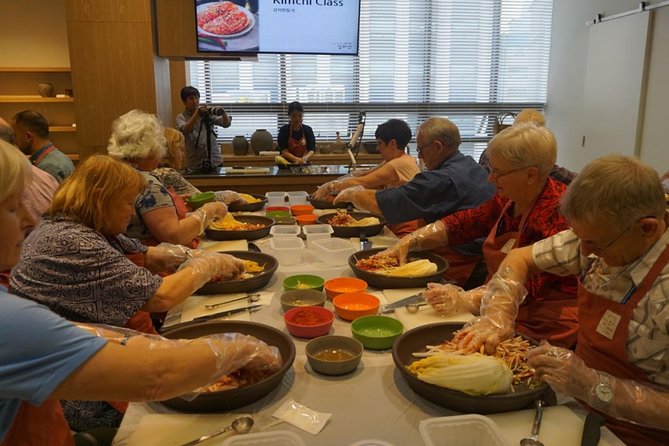
The centerpiece is a kimchi-making lesson with a guided lecture and a practical class component. The format is about 30 minutes, which is just long enough to learn the core process without blowing up your whole day.
This part also comes with context. You’ll hear about the history and tradition around kimchi, plus how it functions in Korean meals. That’s important because kimchi isn’t only a one-time “thing you make.” It shows up in lots of dishes, and learning the thinking behind it helps you understand why Koreans take it so seriously.
And yes, your hands will get involved. One memorable way to describe the class is that you’re properly mixing and working the ingredients, not just watching from a distance. That’s what makes it satisfying: you’re active, not passive.
What you should bring into this section: patience and a sense of humor. Korean food prep involves taste, texture, and timing. If something feels new, the guide and instructors are there to help you keep going.
Food note: lunch isn’t included on the tour, so kimchi class is likely to come when you’re hungry. You might leave with a strong craving, which is not a bad side effect.
Hanbok shopping is actually learning: how the photo moment becomes etiquette
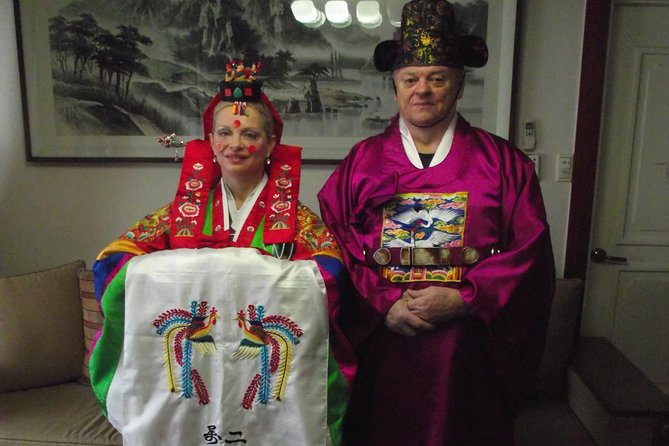
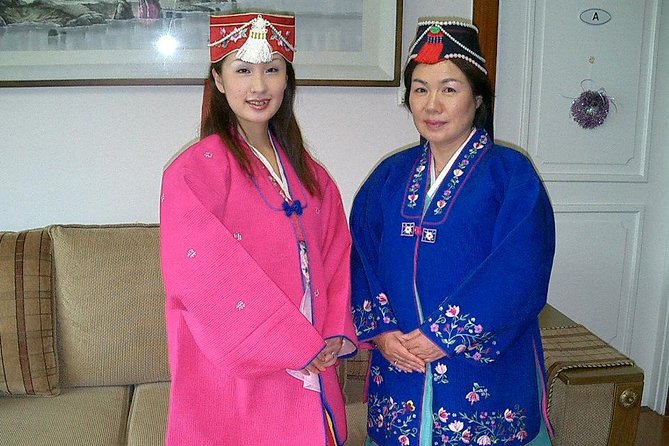
Hanbok is one of the main reasons people book this tour, and it’s handled better than the usual costume-rental approach. You try on Korean clothing for photos, then the tour uses that outfit to teach etiquette and polite manners.
A big plus: you typically get options. In past experiences, people have mentioned being able to select from a large range of hanbok styles, including wedding and royal outfits. That’s more fun than just one standard set of clothes, and it makes your photo session feel personalized.
Also, the guide helps with photos at key moments. Multiple people have noted that the hosts took plenty of pictures, so you’re less stuck with awkward self-timer angles and more focused on enjoying the moment.
Style tip: choose an outfit that you’ll actually enjoy wearing while standing and moving. Some heavier-looking options can be gorgeous in photos but a little harder on the move. If you want maximum comfort, balance looks with mobility.
The last stop on the way back: ginseng center or amethyst factory
On the return route, you’ll stop at either an amethyst factory or a ginseng center. This is an optional-feeling element inside a structured tour, and that’s why it’s worth calibrating your expectations.
If you’re curious about Korean wellness and traditional products, a ginseng center fits naturally with the cultural theme. If you’re more interested in crafts and decorative items, the amethyst factory can be interesting for the visual side.
The key point: this stop may involve more explanation and purchasing culture than a purely historical site. If you’re the type who hates hard selling, you’ll still be fine as long as you treat it like a short educational stop and decide in your own time what you want to do.
You’ll finish back at your hotel via the included transport.
Price and value: is $99 worth it for this Seoul day?
At $99 per person, the price is best understood as a bundled day: palace entry time (as part of the program), hotel pickup, a professional guide (English or Chinese), tea, the kimchi-making class, and the included cultural activities. That’s a lot of “paid components” stacked into one schedule.
The kimchi class is the big value driver. A hands-on cooking session with instruction generally costs more than you expect once you add guided time and food handling. Then add hanbok outfit time and etiquette guidance, plus tea and a folk game. This is where the tour earns its keep: you’re not just seeing things, you’re doing several distinct cultural activities.
One more value angle: small group size (up to 10) makes the day feel more personal, and the included pickup saves you money and hassle versus cobbling together separate tours.
The trade-off is clear: there’s no lunch included, and the day is packed. If you hate busy schedules, plan for breaks on your own after the tour ends.
Who should book this tour, and who might skip it
This is a great fit if you want:
- A fast, well-structured taste of Korean culture without planning seven separate stops
- Hands-on fun: kimchi making plus a traditional game
- The photo payoff of hanbok, with actual etiquette practice instead of just dressing up
- A guide-led day with hotel pickup and a small group pace
You might skip it if:
- You prefer deep, slow exploration of one area rather than multiple activities
- You dislike any shop-like stops on principle (because the return includes either amethyst or ginseng)
- You don’t like tight scheduling and you get cranky when lunch isn’t built in
Should you book this Seoul Cultural Tour?
Yes, I’d book it if you want a single afternoon that checks a lot of boxes: royal Seoul at Gyeongbokgung Palace, a hanbok etiquette experience, tea time, a real kimchi-making class, and a traditional folk game. The small group size and included pickup reduce friction, and the activities are varied enough that your day doesn’t turn into one long museum-style wait.
Just go in knowing two things: you’ll need to handle the no-lunch gap, and the return stop is either an amethyst factory or a ginseng center. If that’s okay for you, this is strong value for a very “do-it” kind of cultural day.
FAQ
How long is the Seoul Cultural Tour?
The tour lasts about 6 hours 30 minutes.
What time does the tour start?
The start time is 9:30 am.
How much does it cost?
It costs $99.00 per person.
Is hotel pickup included?
Yes. Round-trip hotel transport is included, and hotel pickup is offered.
What language is the guide?
You’ll have a professional guide in English or Chinese.
How many people are in the group?
The maximum group size is 10 travelers.
What activities are included besides the palace?
You’ll include hanbok photo time, a tea ceremony, a traditional folk game, and a kimchi-making class.
How long is the kimchi-making class?
The kimchi-making class is 30 minutes.
Is lunch included?
No. Lunch is not included.
Do I need a mobile ticket?
Yes. The tour includes a mobile ticket.
Can I get a full refund if I cancel?
You can cancel for a full refund up to 24 hours before the experience start time.