REVIEW · SEOUL
Tour Seoul’s oldest district with a storyteller from Bukchon
Book on Viator →Operated by Owl Tour · Bookable on Viator
Bukchon finally speaks in your ear. This walking tour strings together Seoul’s changing power center—from the Joseon dynasty era in the 1300s-1400s through the 1980s—using stories from Dong, a filmmaker and screenwriting professor who grew up in Bukchon.
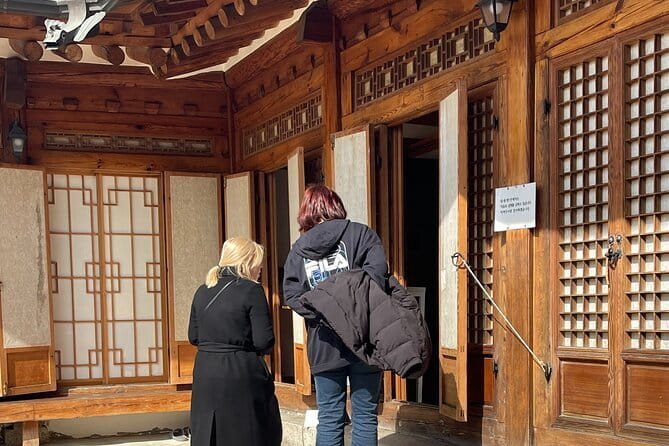
I love how the tour makes you look closely at ordinary corners, like doorways and courtyards, instead of just collecting photos. I also like the stop choices, from Unhyeongung to a Winter Sonata filming location at Choong Ang High School, because each one links politics, daily life, and architecture in plain language.
One thing to consider: it’s an alley walk with uneven ground, so I’d think twice if your group includes younger kids, since it’s recommended for ages 12+.
In This Review
- Key highlights to look for
- Bukchon storytelling: 600 years in 2 to 3 hours
- Meeting at Anguk Station Exit 4 and pacing through the alleys
- The stop-by-stop route: Unhyeongung, wells, hanoks, and drama sites
- Unhyeongung: a king without a crown prince
- Cafe Onion Anguk: three time layers in one look
- Bukchon Traditional Culture Center: hanoks of the Yangban
- Seokjeong Boreum Well: childhood memories meet history
- Choong Ang High School: Winter Sonata, but with deeper roots
- Samcheongdong / Bukchon: power, feng shui, and the rise-and-fall cycle
- Bukchon Hanok Village: the neighborhood reshaped in the 1920s and 30s
- How the guide Dong turns buildings into personal stories
- Price $39.20: why this feels like good value for Seoul
- Small print to know before you go
- Should you book Bukchon Storytelling with a Bukchon storyteller?
- FAQ
- How long is the Bukchon storytelling tour?
- Where do I meet the guide?
- Is the tour private?
- What’s included in the standard tour price?
- Is the traditional handicraft included?
- Do I need to pay admission at the stops?
- What kind of fitness level do I need?
- What if there aren’t enough people for the tour?
Key highlights to look for
- A guide with firsthand memories of Bukchon, not just a script from a book
- A focused route that covers Joseon-era power and later 20th-century changes
- Iconic stops with free entry at the listed sites, so your money stays in your pocket
- Feng shui explained through real places, not vague theory
- Optional Korean handicraft (Plus Tour) including Hopae-style making activity
- A relaxed walking pace that gives time to ask questions
Bukchon storytelling: 600 years in 2 to 3 hours
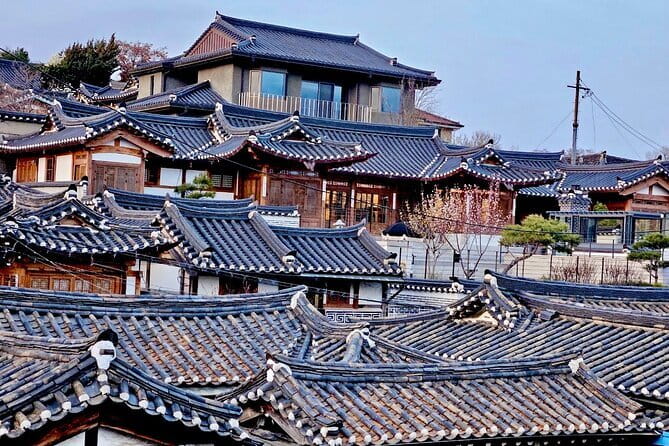
If you’ve ever felt Seoul is split into neat halves—modern towers here, old palaces there—this tour stitches the eras together. Bukchon is one of the clearest places to feel Seoul’s long timeline, because the neighborhood layout and hanok architecture act like a living map. On this walk, you’re not just seeing landmarks; you’re learning why people built, ruled, and lived where they did.
The backbone of the experience is the storyteller: Dong, born and raised in Bukchon. That matters because he talks about the area in “how it felt” terms—small details, local habits, and what changed over time. His background as a filmmaker and university screenwriting professor also shows in how he structures the stories. You get scenes, causes, and consequences, not just dates.
The tone is friendly and direct. You’ll walk at a pace that doesn’t leave you sprinting between photo stops, and the route stays tight enough that you actually remember what you learned rather than collecting blur after blur.
You can also read our reviews of more tours and experiences in Seoul.

Meeting at Anguk Station Exit 4 and pacing through the alleys
The tour starts at Anguk Station, Exit 4, in the Jongno District area (Unni-dong). It’s convenient because you’re near public transportation, and that makes it easier to join even if you’re already moving around Seoul. The tour runs 10:00 am and lasts about 2 to 3 hours.
Two practical things I’d plan for:
- You end in a different location than where you start. That’s normal for city walks, but it does affect how you schedule dinner or your next booking.
- The walking is in and around traditional lanes. You should have moderate physical fitness, and it helps if your shoes handle uneven steps and narrow paths.
In a couple of the tour experiences shared by past participants, the walking pace came up as a strong point—people appreciated that it didn’t feel rushed. That’s a big deal here, because Bukchon rewards slow looking.
The stop-by-stop route: Unhyeongung, wells, hanoks, and drama sites
This is the kind of itinerary where each stop feels like a “chapter title.” You’ll move through royal power, architecture, everyday stories, and later cultural media—all connected to where you’re standing.
Unhyeongung: a king without a crown prince
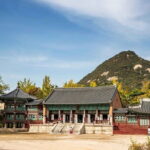
You begin at Unhyeongung, where the story turns quickly into a family and succession drama. When a king dies without a crown prince, an 11-year-old boy born and raised here becomes the 26th king of Joseon. For the next ten years, his father would rule the country from this place.
What I like about opening here: it anchors the whole tour. You learn early that Bukchon wasn’t only a pretty residential area—it was tied to national decisions. The stop also has free admission, so you’re not juggling costs while trying to follow the story.
Cafe Onion Anguk: three time layers in one look
Next is Cafe Onion Anguk, which is less about buying coffee and more about training your eye. You’ll admire historic architecture connected to different eras—about 600, 100, and 50 years ago—and hear the stories behind those changes.
This is a smart stop because you’ll start to notice how architecture carries time like a stamp: materials, layout, and what people valued when they built. If you’re someone who likes architecture but hates boring lectures, this is where you’ll feel it click.



Bukchon Traditional Culture Center: hanoks of the Yangban
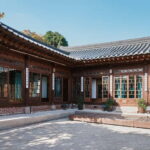
At the Bukchon Traditional Culture Center, you learn about hanoks connected to the Yangban, the ruling class who typically lived in Seoul. This part helps you understand that not all hanoks were just “pretty houses.” Social status shaped layout and daily rhythms.
Also, you’re learning how to read the neighborhood. Once you know what the Yangban needed, the streets feel less random. You’ll start noticing why certain spaces are where they are and what that implies about how people moved and lived.
Seokjeong Boreum Well: childhood memories meet history
Then you reach Seokjeong Boreum Well, where the storytelling shifts to a very human kind of history. The guide talks about the wells you heard as a child and what history has revealed about them.
This stop is a reminder that Bukchon’s story isn’t only political. Water access and local infrastructure shaped survival and community life. The history here also connects nicely to later feng shui themes, because feng shui isn’t treated as magic—it’s treated as a decision-making system people believed in.
Choong Ang High School: Winter Sonata, but with deeper roots
A big favorite for pop-culture fans is Choong Ang High School, famous as a filming location for Winter Sonata and many other dramas and music videos. But the tour keeps it grounded: the school is also a historic space that helped shape how Korea became the country it is today.
I like this stop because it explains how modern media borrows physical places that already carry meaning. You’ll see the site with “today’s camera eyes,” but you’ll also learn to recognize the older layers underneath.
Samcheongdong / Bukchon: power, feng shui, and the rise-and-fall cycle
From here, you trace the dramatic rise and fall of powerful politicians and business tycoons who once held land in Bukchon. You’ll also connect Bukchon to the idea of choosing a capital location using feng shui principles, because it was seen as an auspicious setting.
In plain terms, this section shows you how geography, belief systems, and politics can reinforce each other. One review-style theme that keeps showing up in people’s experiences is feng shui explained as something practical and personal—what people thought would make them prosper or protect them, and how that belief influenced decisions.
Bukchon Hanok Village: the neighborhood reshaped in the 1920s and 30s
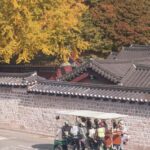
You finish at Bukchon Hanok Village, where the story focuses on a man who changed the face of Bukchon in the 1920s and 30s. This finale works well because by the time you get here, you’ve already built a mental timeline. You’re not just taking in hanok photos—you’re seeing a neighborhood that was actively transformed, not frozen in time.
The ending also helps you leave with something usable. You’ll know what to look for when you return on your own: roof lines, street angles, and the reasons certain areas feel more guarded or more open.
How the guide Dong turns buildings into personal stories
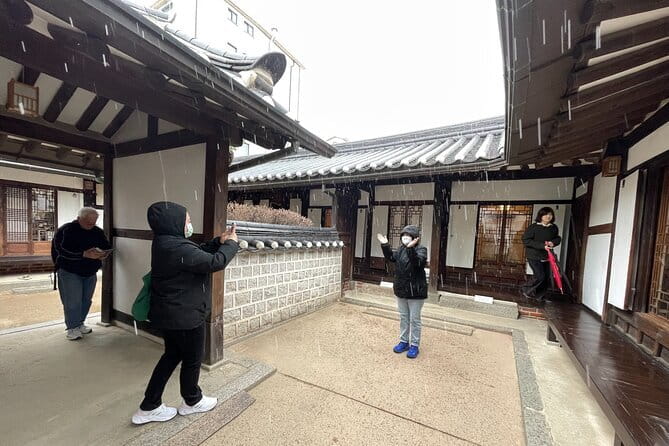
The biggest difference between a generic tour and this one is the human angle. Dong doesn’t just explain what a place is. He explains how it was lived and how it’s changed.
A few practical ways that shows up:
- Personal anecdotes: Dong grew up in Bukchon, so he answers questions with examples, not just theory.
- Links between past and present: You’ll hear how power, household life, and space evolved over time.
- Q&A time built into the walk: Past participants specifically liked that the pace felt relaxed enough to ask things and get real answers.
- Local tips for moving around: Some people mentioned help with getting around Seoul and even support like call follow-ups to confirm details.
If you want the best version of the tour, come ready with one or two questions. For example: Are you more curious about Joseon politics, daily life in hanoks, or the modern drama-media layer? Dong can usually steer the story in the direction that fits you.
Price $39.20: why this feels like good value for Seoul
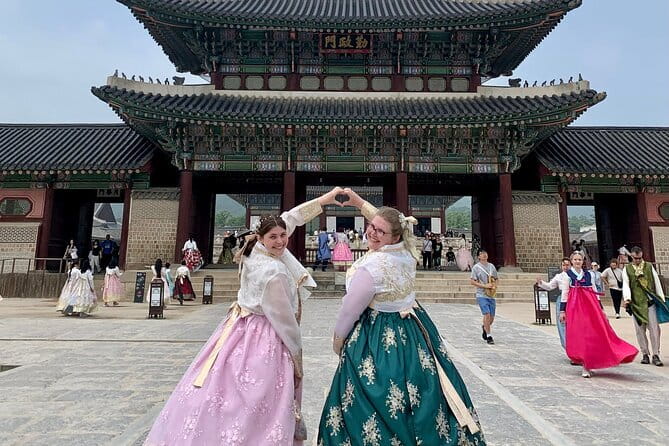
At $39.20 per person, this tour is priced like a bargain when you break down what’s included. You’re paying for:
- A professional guide from Bukchon
- Access to a route with free admission at the listed stops (Unhyeongung and the other sites on the route)
- A walking experience that lasts 2 to 3 hours, so you’re not spending your day on transit and waiting
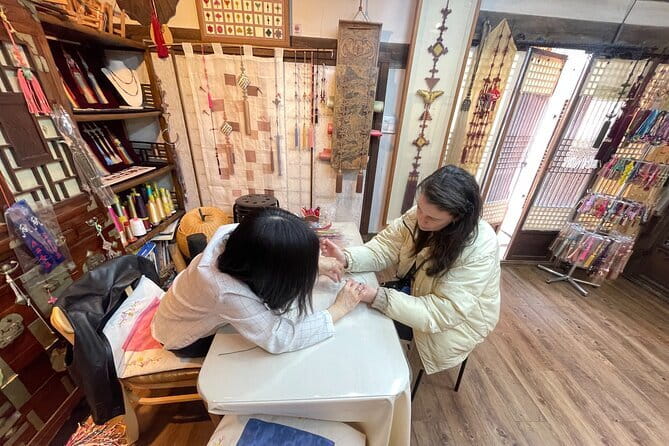
If you choose the Plus Tour, you’ll also get a traditional Korean handicraft experience. One participant specifically mentioned making Hopae tags, which fits with that “hands-on” option. If you’re the type who learns better by doing, the Plus upgrade is where it pays off.
Two value notes I’d keep in mind:
- This is a private tour/activity, meaning it’s just your group. That usually matters more for families and small groups than for big tour crowds.
- The tour uses a mobile ticket and includes group discounts, so it can be extra efficient if you’re traveling with friends.
Small print to know before you go
A few details can make your day smoother:
Ages and pace. The tour is strongly recommended for age 12+. The physical walking element is real, even though it’s not described as hardcore hiking.
What you’re not paying for. Hotel pick-up isn’t included, and you’ll cover personal expenses. Coffee or tea isn’t included either, so if you want a drink, plan to grab it before or after your walk.
Bring a plan for timing. Since the tour ends at a different location, don’t schedule something tight right at the finish time. Give yourself breathing room.
Rain and narrow lanes. You’ll be walking in alleys and around older architecture. If you’re visiting in rainy months, think about footwear and weather protection. Umbrellas can feel awkward in tight spaces, so light rain gear can be easier than a big umbrella.
Should you book Bukchon Storytelling with a Bukchon storyteller?
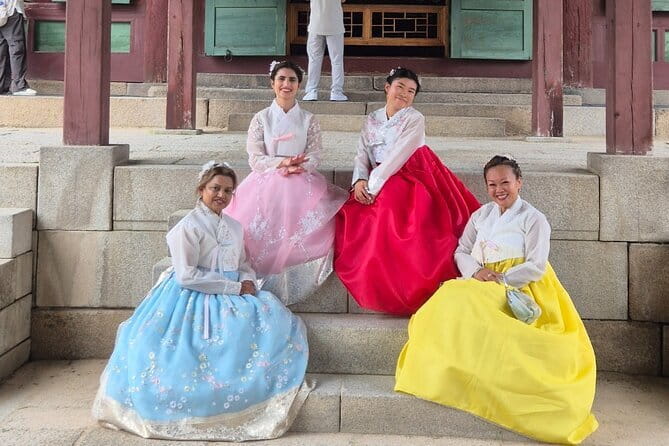
I’d book it if you want Seoul in story form. This tour is built for people who like:
- Architecture plus context (not just photo stops)
- Clear storytelling that connects politics, daily life, and belief systems
- A guide with real ties to the neighborhood—Dong’s firsthand connection is the point
Skip it (or rethink it) if your group includes kids under 12, or if your mobility needs are sensitive to uneven old-city walking.
If your goal is to see Bukchon in a way that actually changes how you understand the city, this is one of the better ways to do it without spending a whole day hopping between unrelated attractions.
FAQ
How long is the Bukchon storytelling tour?
It runs about 2 to 3 hours.
Where do I meet the guide?
You meet at Anguk Station Exit 4 (Unni-dong, Jongno District, Seoul).
Is the tour private?
Yes. It’s listed as a private tour/activity, meaning only your group participates.
What’s included in the standard tour price?
You get a professional guide from Bukchon. The listed traditional handicraft experience is not part of the standard tour.
Is the traditional handicraft included?
The traditional Korean handicraft experience is available with the Plus Tour only.
Do I need to pay admission at the stops?
The stops listed on the route show free admission tickets.
What kind of fitness level do I need?
You should have a moderate physical fitness level, since it’s a walking tour in older parts of the city.
What if there aren’t enough people for the tour?
The tour may be canceled if fewer than 2 guests join. You can cancel up to 24 hours in advance for a full refund.