REVIEW · INCHEON
Seoul Layover Private Incheon Cultural Odyssey from Airport
Book on Viator →Operated by Hidden History with Alice · Bookable on Viator
One layover, five cultures, no stress. This private Incheon cultural day turns your airport time into a smart mix of old-port Korea and modern development, with easy airport pickup and timed stops that make sense for a long layover. I particularly love the included sea views on the Wolmido Sea Train and how the day stays flexible around what you care about, but a packed schedule means you’ll want comfortable shoes and a little walking tolerance.
The vibe here is practical and human: your guide checks in, helps you plan the day, and keeps things moving so you’re not guessing your way through Incheon. If the weather’s poor, you may need to adjust because several highlights are outdoors. Still, for the right kind of layover—8 to 16 hours—this is a very efficient use of time.
In This Review
- Key highlights worth planning around
- From Incheon Airport pickup to a full day that still feels organized
- The $190 private day: value for an 8-hour layover window
- Incheon Chinatown: first port life, then full-on food alley
- Jaryu Park: the first modern park angle and a Korean War-era moment
- Wolmido Sea Train plus Culture Street: ocean views and photo chances
- Songdo Central Park: the seawater canal you can actually stand beside
- Triple Street: snacks, shopping, and a younger Seoul vibe
- The modernization contrast: old port Korea vs planned Korea
- Guides who make the day easier: WhatsApp planning, flexibility, and real care
- What to watch for: walking time, lunch timing, and weather
- Should you book this Incheon cultural odyssey from the airport?
- FAQ
- How long is the Incheon layover tour?
- Does the tour include airport pickup?
- Is this tour private or shared?
- What’s included in the price?
- Is lunch included?
- Do I need to buy tickets for each stop?
- Is the tour dependent on weather?
Key highlights worth planning around
- Wolmido Sea Train rides with ocean views and a great transition from the waterfront to Culture Street
- Songdo Central Park with a seawater canal, a rare modern design detail you can actually see and walk by
- Private pacing that fits your flight timing, plus communication before you arrive by WhatsApp
- Old-port Korea meets new Korea through the day’s neighborhoods and modernization contrasts
- Triple Street for quick shopping and casual dining during your layover window
From Incheon Airport pickup to a full day that still feels organized
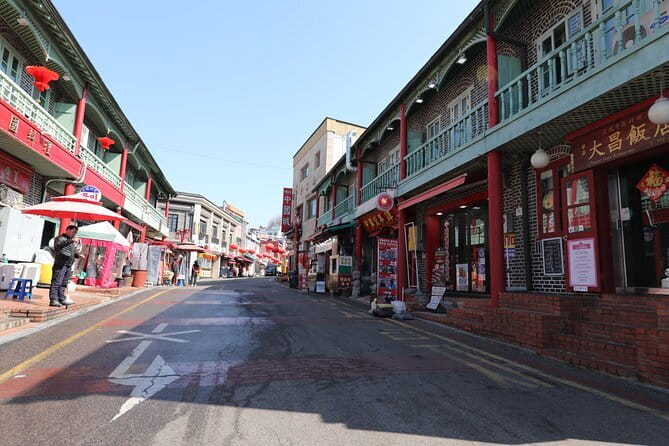
This is the kind of tour you book when you don’t want your layover to feel like waiting in an airport lounge. You get picked up from Incheon Airport and taken through a set of neighborhoods that tell a story—ports and trade, then modern city planning, then food and street life—without turning your day into a frantic checklist.
The “private” part matters more than you might expect. With only your group, your guide can slow down when you’re taking photos or speed up when you’re hungry. It also means you can ask for adjustments in real time, which is a big deal when your flight is delayed or you’re arriving at a time when you didn’t expect crowds.
One practical note: the tour is listed for moderate physical fitness. That doesn’t mean a strenuous workout, but you will be walking between areas, crossing streets, and spending time outdoors. If your layover includes a lot of jet-lag and you’re hoping for a fully seated day, you’ll want to consider that.
You can also read our reviews of more private tours in Incheon

The $190 private day: value for an 8-hour layover window
At $190 per person for about 8 hours, the value comes from the combination of transportation, admission coverage for several key stops, and a guide who’s actively managing the day. You’re not paying only for a driver. You’re paying for someone to connect the dots: where you are, why it matters historically, and how to make the most of limited time.
Here’s what you can expect to be covered versus not covered. Entrance tickets are included for Chinatown, the Wolmido portion (including the Sea Train), and Songdo Central Park. Jayu Park is free, and Triple Street is free too since it’s mostly an area you walk around. Lunch is not included—you’ll handle that part yourself, though your guide can point you toward a restaurant you’ll actually enjoy.
If your goal is maximum sightseeing with minimum decisions, this price can make sense. But if you’re the type who already plans routes like a hobby, buys tickets online, and enjoys navigating on your own, you may feel less value. This tour shines when you want someone to handle the timing and the context for you.
Incheon Chinatown: first port life, then full-on food alley
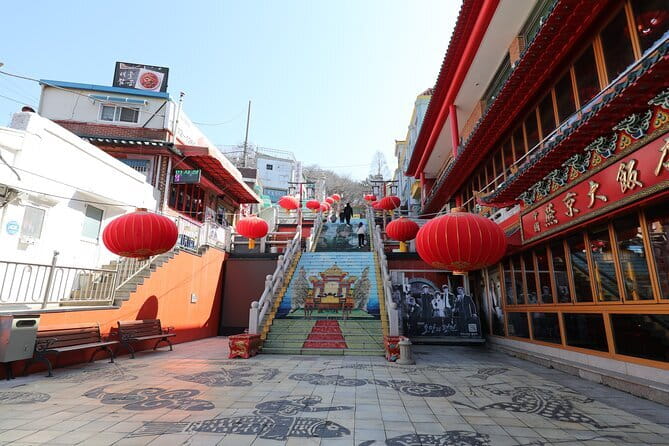
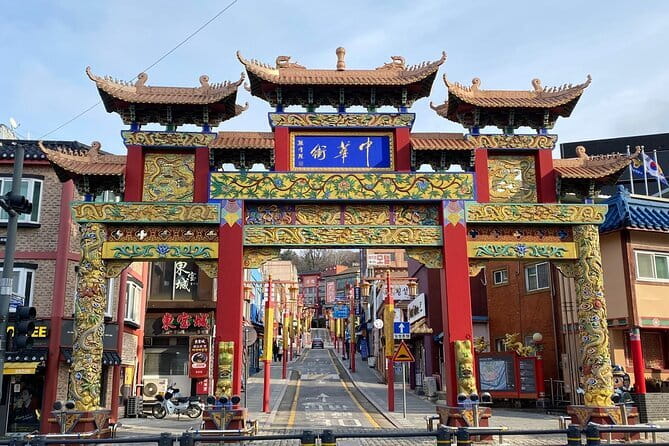
Your first stop is Incheon Chinatown, set up right by Incheon Station. This area is a fast way to understand how Korea’s late-19th-century port opening reshaped daily life—trade brought change, and Incheon became a gateway where new influences stuck around.
The practical win here is that Chinatown is easy to explore on foot, and it’s also restaurant-friendly. You’ll see a lot of Chinese food options concentrated in a walkable zone, so it’s the kind of place where you can pick something you’re craving without traveling across town.
Chinatown also works well early in a layover because it helps you get oriented. You land, you get picked up, and within a short time you’re in a neighborhood that feels established and legible—street signs, familiar restaurant rhythms, and a sense of “we’re in a real place now.”
What to watch for: this stop is ticketed and time-boxed. If you tend to linger, plan to treat Chinatown as a “taste and learn” segment, not a slow wander. The rest of the day has its own tempo.
Jaryu Park: the first modern park angle and a Korean War-era moment

Next is Jayu Park (Jaryu Park), where the historical framing is the point. You’re seeing a site built as Korea’s first modern-style park, then also learning about a location that played a role during the Korean War.
This stop is shorter—around an hour—and it often feels like a reset button. You go from dense streets into open space with flowers that can be especially nice in spring and summer. Even if you’re not traveling during those seasons, it’s a calmer break that helps the day feel balanced instead of nonstop movement.
It’s also a good place for your guide to connect history to geography. Incheon’s modern story isn’t just architecture; it’s also conflict, displacement, and how people rebuilt afterward. Jaryu Park gives that context without forcing you into a museum-only timeline.
My consideration: if it’s winter or windy, it won’t feel like “vacation walking.” But you’ll get a meaningful historical pause that helps the later sea and city-planning stops make sense.
Wolmido Sea Train plus Culture Street: ocean views and photo chances
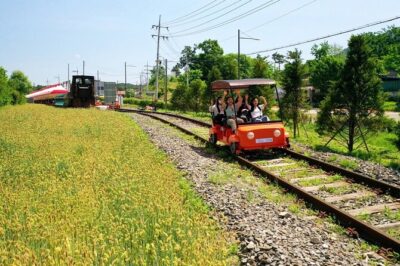
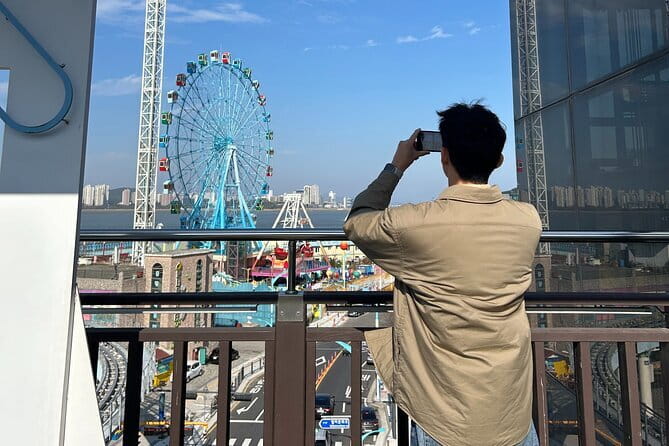
Now we get to the fun part: Wolmido. You ride the Wolmido Sea Train, a short transit-style ride that doubles as sightseeing. From the train you get sea views and a view of Wolmi Island, and that’s exactly what makes this stop work on a layover. It gives you scenery without requiring you to hike or navigate complex public transit.
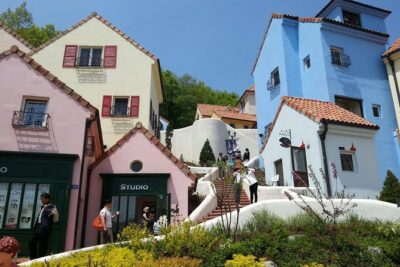
When you disembark at Wolmi Island Culture Street, the day shifts from ride-and-look to stroll-and-explore. Culture Street is where you can wander a cafe-focused area and check out amusement facilities, depending on what’s operating when you’re there.
One big contextual detail here is the Incheon Grand Bridge—described as the longest in Asia. Even if you’re not measuring it in your head, you’ll feel it when you look out over the area: this is where modern infrastructure meets waterfront identity.
What to watch for: this is an outdoor experience. In clear weather it’s a win. In cold, windy conditions you’ll want real layers. One guide habit that impressed me from the experiences you shared with me: guides have shown up prepared with weather gear—like extra winter warmth—so you can keep moving without turning the sea train into a suffering contest.




Songdo Central Park: the seawater canal you can actually stand beside
After Wolmido, the tour moves into Songdo, a city built on reclaimed land. This is where the theme of the day—Korea’s modernization—gets practical. You’ll see how planned development shapes daily life: big public spaces, water management, and a very different “feel” from older neighborhoods.
The star here is Songdo Central Park, where seawater flows in and gets purified in real time to reach a high quality standard. The centerpiece for visitors is the seawater canal in the middle of the park, which makes the concept visible instead of abstract.
This is a great stop if you like design and planning—because you’re not just looking at buildings. You’re seeing how water is used as a public feature. It’s also a good spot to pause, slow your pace for a bit, and reset after the bridge-and-sea views.
My tip: treat this like a “stop and absorb” hour. You’ll get more out of it if you actually take a few minutes near the canal instead of just walking through for the photo.
Triple Street: snacks, shopping, and a younger Seoul vibe
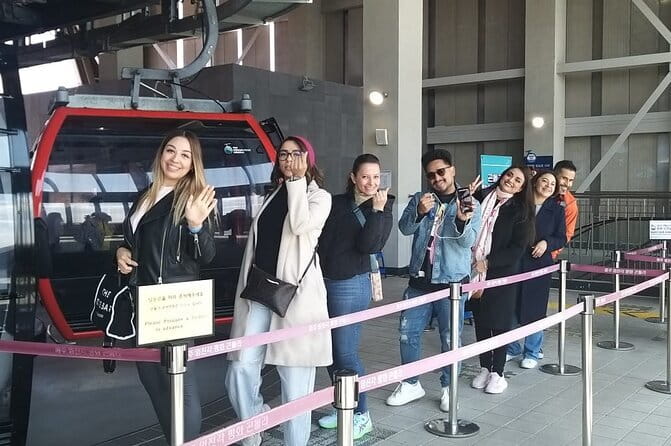
To wrap things up, you’ll head to Triple Street, known for shopping and dining. It’s a free stroll area, and it’s especially popular with younger crowds because it has that mix of casual atmosphere, people-watching, and easy-to-find food.
This is where you can make the layover feel more personal. If you want a dessert break, this is a logical place to do it. If you want gifts or small souvenirs, it’s also a practical “browse without planning” zone.
Also, Triple Street is the type of stop that works well even when you’re running slightly behind schedule. If your flight time is tight, you can adjust by spending more or less time here without wrecking the whole plan.
The modernization contrast: old port Korea vs planned Korea
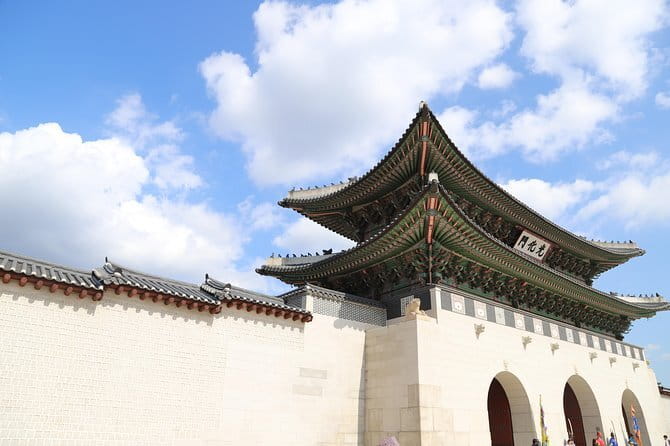
One of the clever parts of this day is how it frames modernization. You start with a port-era neighborhood like Chinatown, then you move into parks and waterfront infrastructure, and finally into Songdo’s planned, modern design.
There’s also mention of a viewpoint from a 33rd-floor observatory, which fits the overall theme perfectly: you look down and see how the city’s layout reflects its priorities. Even if you don’t spend ages up top, a viewpoint at the right time can help connect the day’s pieces into one mental map.
I like this approach for layovers because it turns a “tourist day” into something that sticks. You don’t just see places—you learn how they connect.
Guides who make the day easier: WhatsApp planning, flexibility, and real care
What people seem most impressed by here is the guide style: communication, adaptability, and staying on top of details that matter when you’re traveling with limited time.
Many guests describe guides reaching out by WhatsApp before pickup, confirming what you want to see and discussing timing. That pre-check reduces stress when you’re landing. It’s not just friendly; it’s useful. You arrive feeling like someone already has the plan in their hands.
Then there’s the flexibility. If you’re excited about certain stops, the itinerary can be adjusted on the fly to match priorities. If weather changes how long you want to be outdoors, guides handle the pacing.
And yes, there are small “made my day” moments. For example, guides have been described as helping with luggage so you don’t wrestle bags while trying to keep moving. Others have been praised for photo-friendly guidance, like suggesting angles and encouraging you to get the shots you actually want.
If you’re traveling with family, including kids, this matters even more. A flexible guide can keep the day from turning into adult-only sightseeing by adding breaks and stopping at places that keep attention.
What to watch for: walking time, lunch timing, and weather
This tour is designed for an efficient layover, not for slow travel. So your main considerations are simple:
- Walking + outdoor time: you’ll be outside at the waterfront and in parks. Comfortable shoes and layers are key.
- Lunch is on you: plan to eat during the free time your guide suggests. The guide can recommend where to go, but you’ll pay on your own.
- Weather matters: the experience notes it requires good weather. If conditions are rough, you may need alternative timing or a different plan.
One more practical point: because it’s private, you can ask questions and adjust. That’s part of the value. If you know you’ll be tired or you want breaks, say it early, and your guide can build in the right rhythm.
Should you book this Incheon cultural odyssey from the airport?
If you have a layover and you want the day to feel meaningful instead of chaotic, I’d say this is a strong match. Book it if you want a mix of Chinatown history, a sea ride on the Wolmido Sea Train, and a modern-design stop at Songdo Central Park—all with an English-speaking guide mindset, plus airport pickup.
I’d think twice only if you’re hoping for a low-walking, indoor-only day, or if you’re traveling during weather that’s likely to interfere with outdoor waterfront time. Also, if your idea of value is strictly ticket-and-sightseeing and you don’t care about explanations or pacing, you might find a DIY plan cheaper.
But for most people on a tight flight schedule, this tour’s biggest advantage is the way it turns your limited hours into a coherent story of Incheon: ports, parks, sea views, and planned modern Korea.
FAQ
How long is the Incheon layover tour?
It runs about 8 hours (approx.), designed for people who have a long layover window and want a full day of highlights.
Does the tour include airport pickup?
Yes. Pickup is offered, and the experience includes welcoming you from Incheon Airport and taking you to your reserved hotel.
Is this tour private or shared?
It’s a private tour/activity, so only your group participates.
What’s included in the price?
The price includes an air-conditioned vehicle, and admission tickets are included for stops like Chinatown, Wolmido, and Songdo Central Park. Jayu Park and Triple Street are free.
Is lunch included?
Lunch is not included. You can be guided to a restaurant of your choice, then you pay for it yourself.
Do I need to buy tickets for each stop?
You’ll use a mobile ticket for the experience, and tickets are included where specified in the itinerary. Free areas like Triple Street don’t require tickets.
Is the tour dependent on weather?
Yes, it requires good weather. If it’s canceled due to poor weather, you’ll be offered a different date or a full refund.