REVIEW · SEOUL
Private DMZ SPY Tour from Incheon Airport
Book on GetYourGuide →Operated by DMZ Spy Tour Inc · Bookable on GetYourGuide
One day at the DMZ changes your perspective. This private 10-hour tour from Incheon follows the infiltration-route focus of North Korean spy commandos, and I like how the day ties each viewpoint to the story. You also get a real break with duck BBQ lunch, not just crackers and coffee. One possible drawback: DMZ access can shift for drills or official events, so the operator may adjust timing or stops.
You’ll start with an airport pickup, travel south of the border area through Gyeonggi Province, and spend the day with a live English-speaking guide. Pacing is firm, the sites are spread out, and you’ll want sturdy shoes because you’ll be outside and walking to observation points.
In This Review
- DMZ Spy Tour from Incheon: what makes this day trip work
- Key points to know before you go
- Entering the DMZ region from Incheon: pickups, timing, and the feel of the day
- Blue House-era commando battle site: why this stop matters
- Imjingak Peace Park: war artifacts, bunkers, and the quiet weight of the DMZ
- Following the DMZ fence line: soldiers on drill and controlled access
- 3rd Infiltration Tunnel: what it teaches (and what to expect physically)
- Dora Observatory: binocular views of propaganda and Kaesong in the distance
- Odusan observation point: seeing a real village across the river
- Duck BBQ lunch and the mid-day reset you’ll appreciate
- Price and logistics: is $250 good value for this DMZ-focused route?
- Who should book this tour (and who might want a different format)
- Should you book the Private DMZ Spy Tour from Incheon?
- FAQ
- How long is the DMZ Spy Tour from Incheon?
- Where do pickups happen?
- What is included in the price?
- What language is the tour guide?
- What should I bring?
- Is lunch included?
- Are unaccompanied minors allowed?
- Is the tour wheelchair accessible?
- Is there a cancellation policy?
- Will the itinerary ever change?
DMZ Spy Tour from Incheon: what makes this day trip work
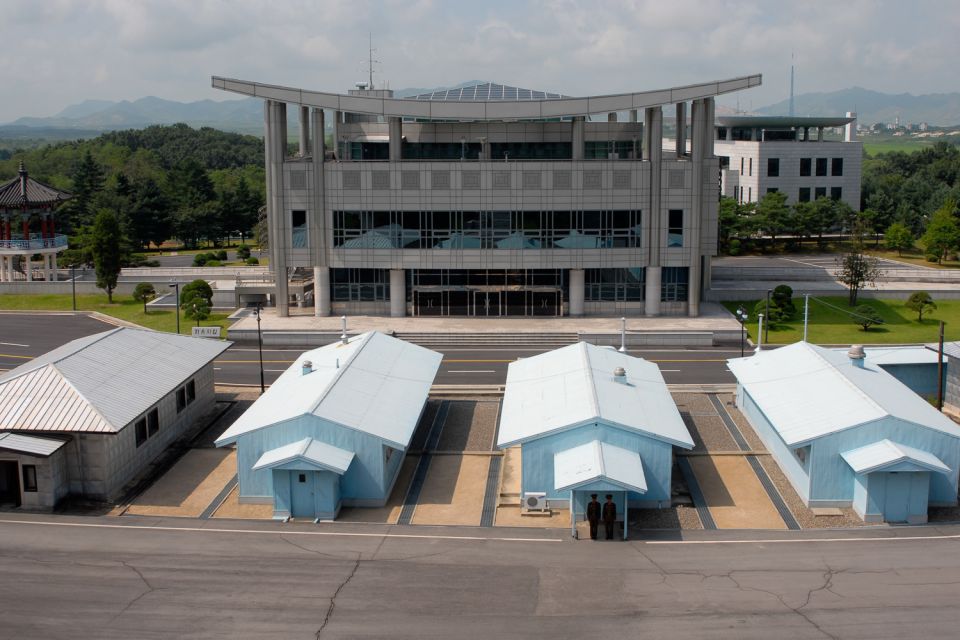
This is a smart option if you’re landing or leaving via Incheon and you don’t want to gamble on getting to the DMZ on your own. Instead of “DMZ planning” turning into a half-day of taxis and confusion, you get a round-trip transfer and a set route built around the infiltration story.
The tour is private, but it’s also described as a small-group style experience in how it’s run. That matters because it keeps the day calmer when you’re listening to guide explanations through headsets and trying to take photos. You’re not racing random crowds through each stop.
At $250 per person for a full 10-hour day, you’re paying for three things: guided access, time-saving logistics from the airport side, and a lunch meal included (duck BBQ or an equivalent). The price is steep on paper, but in this case it’s mainly covering the hassle you’re avoiding.
Key points to know before you go
- Infiltration-route storyline connects Blue House-era fighting to tunnels and observation points instead of treating the DMZ as random scenery
- 3rd Infiltration Tunnel gives you a close look at the underground invasion concept from the late 1970s (built for a stealth approach)
- Dora Observatory and Odusan put you at high viewpoints with binocular viewing of North Korea across the border
- Imjingak Peace Park is a practical history stop with war artifacts, artillery, and military bunkers
- Duck BBQ lunch with vegetarian options is included, so you won’t waste the middle of the day hunting food
- Guide quality can make the day: past bookings praised English/Japanese/Korean-speaking guides like Shrek Lee and Scott for clarity and access
You can also read our reviews of more private tours in Seoul
Entering the DMZ region from Incheon: pickups, timing, and the feel of the day
Your day starts with an airport-focused setup. Pickup options include the Incheon Airport Transit Hotel Terminal 2, and the day’s routing also references pickup points at Exit 14 (Terminal 1) and Exit 3 (Terminal 2). That means you should be able to make the tour work even if you’re not staying in central Seoul.
The schedule is built around a full day: about 10 hours total, with two guided segments totaling around two hours before lunch and more guide-led time after. You’ll spend a lot of that time moving between checkpoints and viewpoints, so go in expecting a day that’s structured, not leisurely.
Practical tip: this tour requires a current valid passport on the travel day, and you also want comfortable shoes. Sneakers are specifically required for safety. If you show up in fashion footwear, you’ll feel it when you’re walking outside at observation points.
And yes, the DMZ has its own rules. Every tourist must travel in the authorized vehicle and follow time and photo restrictions. If there’s unannounced military training or an official event, the operator will contact you to rearrange the tour—so it’s normal to treat it as a plan with variables, not a script carved in stone.
Blue House-era commando battle site: why this stop matters
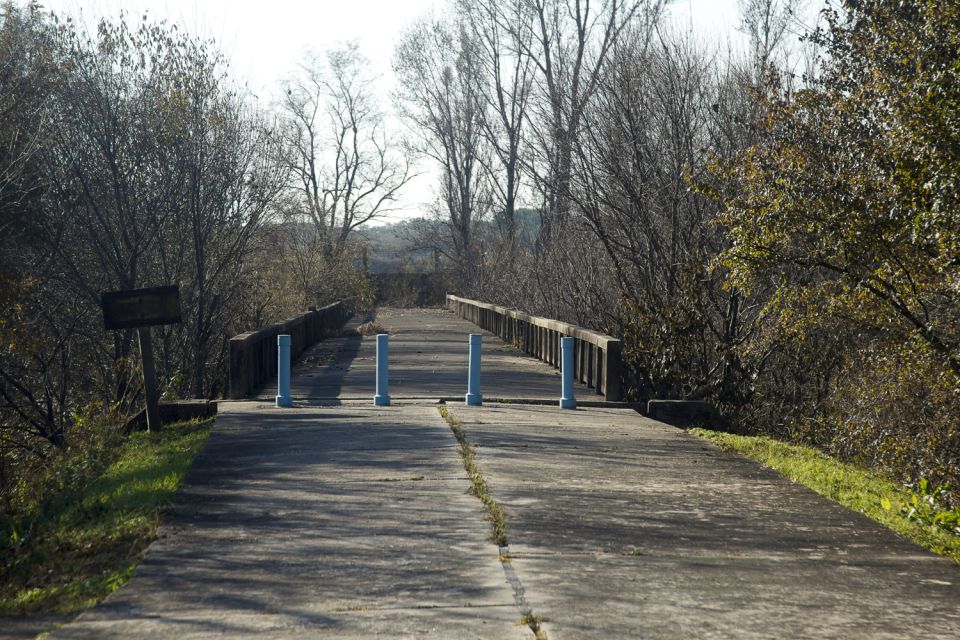
One of the most compelling elements here is the way the day begins near a site tied to the first gun battle between North and South Korean commandos (associated with the Blue House area). This is where the tour’s theme becomes clear: the DMZ isn’t only about ceasefire lines. It’s also about infiltration routes—what both sides planned to do if the boundary ever mattered less.
With an expert guide, you’re not just looking at a spot on a map. You’re getting the logic of the route—why these points were chosen, what it meant to move men and supplies under cover, and how the early fighting shaped what came next. It’s the kind of explanation that makes the later tunnel visit feel connected rather than random.
If you’re the type who likes understanding the “why” behind each stop, this is one of the better values in the whole itinerary. If you only want photos with minimal talking, you’ll still be fine, but you’ll get more out of it if you go with questions.
Imjingak Peace Park: war artifacts, bunkers, and the quiet weight of the DMZ
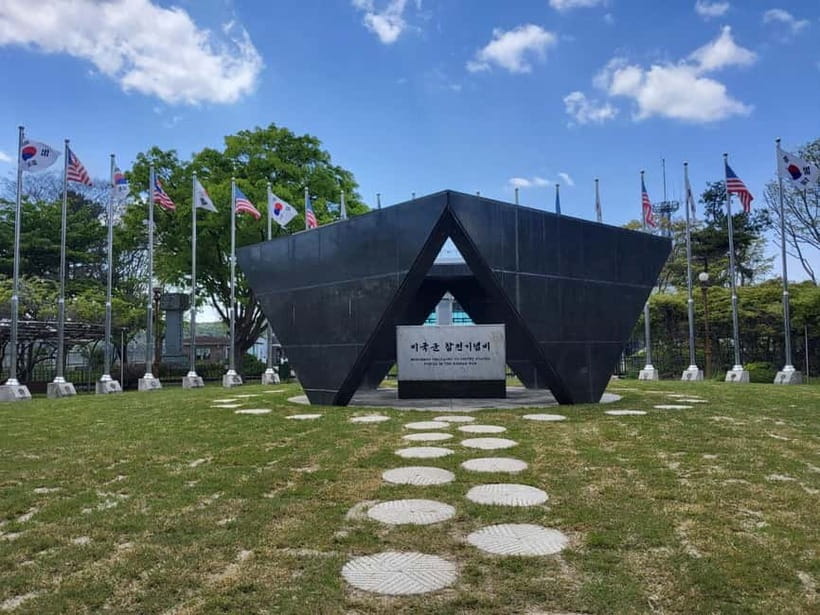
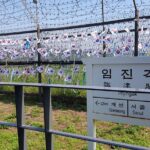
Imjingak Peace Park is a must-stop style location on many DMZ routes, and here it’s used as a grounding point. You’ll see war artifacts, artillery, and military bunkers, all tied to the reality that the Korean War never really became a clean historical chapter.
This is where the tour often “clicks” for people. From there, it’s easier to understand why fences, drills, and observation routines exist. You’re not just touring. You’re learning how the DMZ functions as a lived security boundary.
You might also get a sense of scale—how close things are to the border line and how quickly the situation could escalate. The park doesn’t ask you to take sides. It simply helps you see how the conflict left material traces.
Following the DMZ fence line: soldiers on drill and controlled access
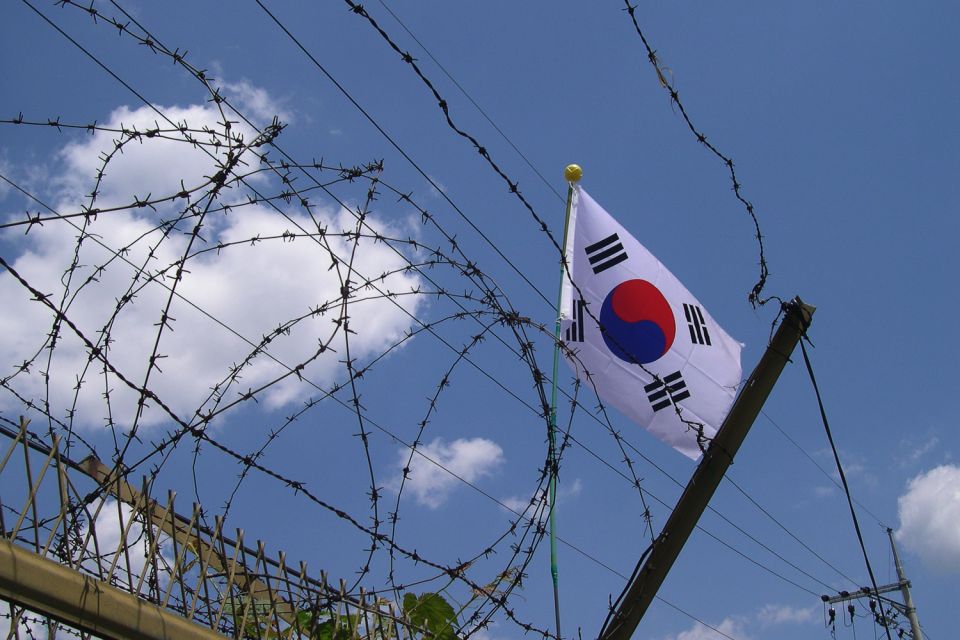
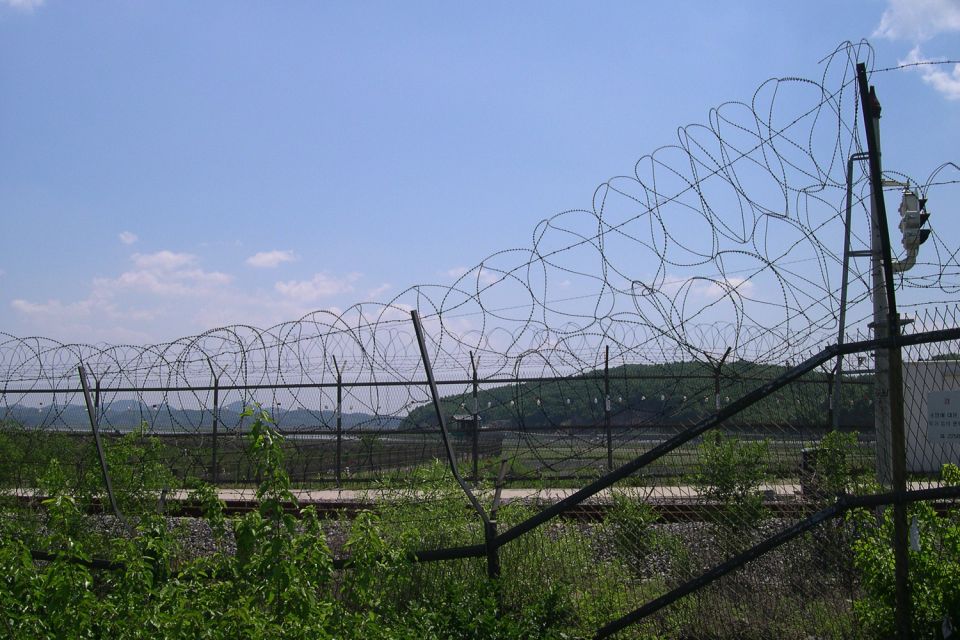
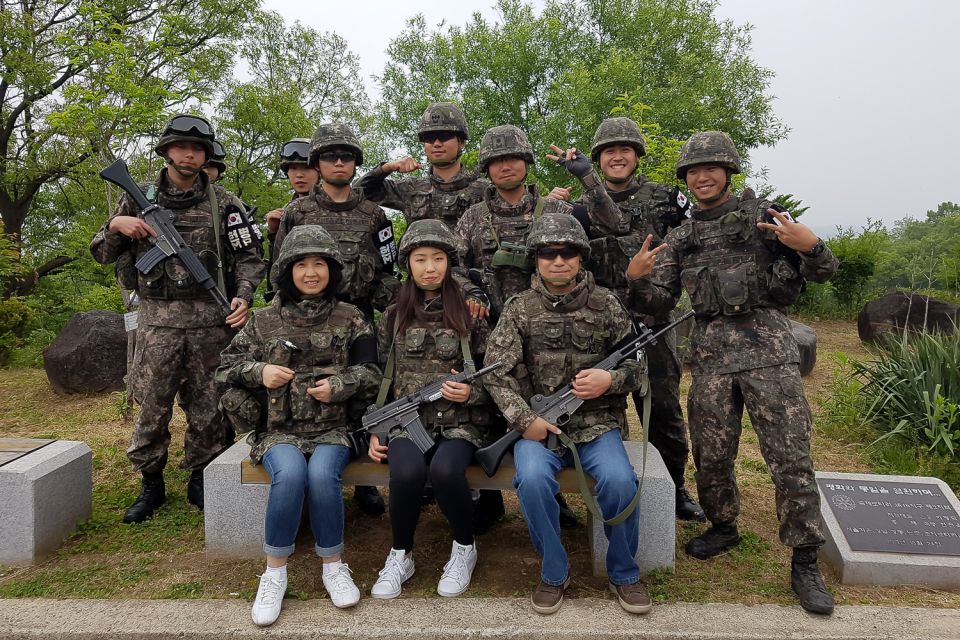
After Imjingak, you follow along the DMZ’s barbed wire fence past soldiers on drill. That part matters because it reminds you this is not a museum zone. It’s an active, controlled environment.
In a place like this, the guide’s role gets practical, not just historical. You’ll want someone who can explain what you’re seeing from the safe viewing points, and also help keep you within the rules on photos and time windows. That’s where a good guide makes the day less stressful.
This is also where you may notice a key difference from DIY sightseeing. You’re moving in an authorized vehicle with scheduled access. You’re not trying to guess where you’re allowed to stop, and you’re not standing in the wrong place while hoping officials wave you through.
You can also read our reviews of more tours and experiences in Seoul





3rd Infiltration Tunnel: what it teaches (and what to expect physically)
Then comes the big, physical-feeling stop: the 3rd Infiltration Tunnel. It was designed and dug for a stealthy underground invasion in 1978, which means the purpose is chillingly specific. This isn’t “a tunnel you can admire.” It’s built around the idea of getting people across quietly.
From a visitor perspective, the tunnel experience can be the most memorable part because it turns an abstract fear into something bodily real—tight passage, the sense of confined movement, and the clarity of why underground routes were considered.
One consideration: a tunnel stop usually means you need to be comfortable with enclosed spaces and safe footing. This tour requires sneakers for safety, so come prepared to move carefully and follow guide instructions closely.
Also, don’t ignore the fact that access in the DMZ can be unpredictable. If there are military training events or official happenings, the operator may rearrange the tour. One past booking noted that the written plan didn’t match what they got on the day, including tunnel access and an observatory portion—so think of tunnel viewing as a goal, not a guaranteed outcome.
Dora Observatory: binocular views of propaganda and Kaesong in the distance
After the tunnel, you go to Dora Observatory. Here, you catch a glimpse of a North Korean propaganda village and faraway Kaesong City using powerful binoculars.
The value of this stop isn’t just that you can see across the border. It’s that the guide’s context helps you interpret what you’re seeing. Propaganda villages are designed to communicate messages, and seeing the layout from a controlled viewing point makes that strategy feel less theoretical.
If you love photography, you’ll likely find yourself spending extra time with the binocular area. But remember: photo rules can be strict in DMZ-adjacent areas, so follow your guide’s cue on what’s allowed.
Odusan observation point: seeing a real village across the river
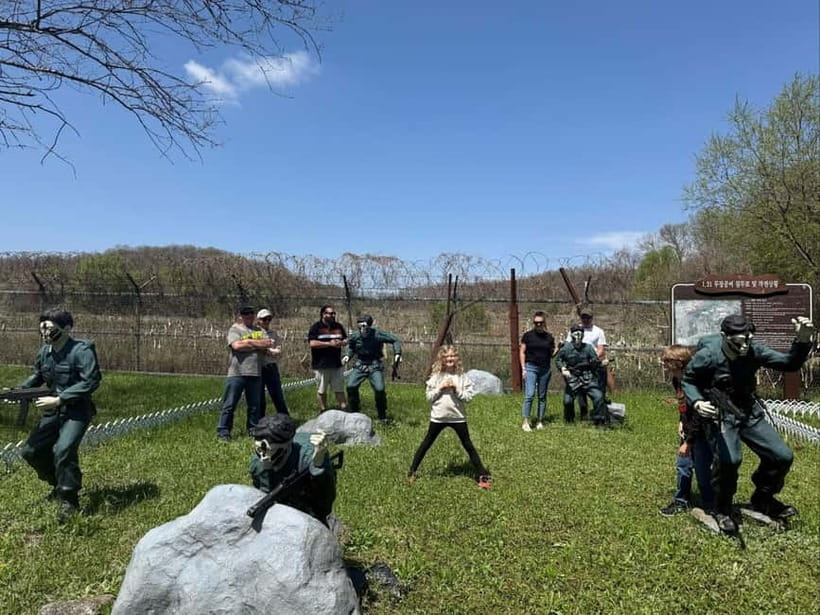
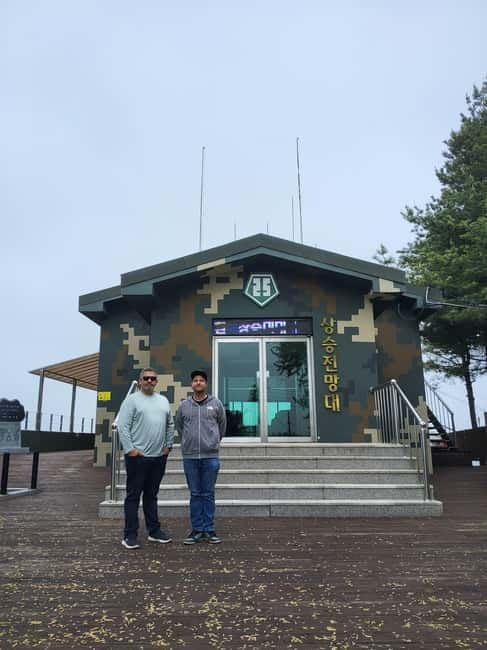
Next is a short trek to Odusan observation point. This is one of the most powerful “up close without crossing” moments of the day, because you can see a real North Korean village just across the river border.
The guide explains the traditions of North Korean farming life from this vantage point. Whether or not you can identify details with your eyes, the explanation gives the view meaning. You’re not just looking at buildings; you’re learning how daily life is shaped by the geography and border reality.
Physical note: because Odusan includes trekking, wear shoes you can handle. The tour’s safety rules emphasize footwear, and in my opinion that’s not overkill. You want to stay focused and not worry about slipping or aching feet when you’re trying to listen.
Duck BBQ lunch and the mid-day reset you’ll appreciate
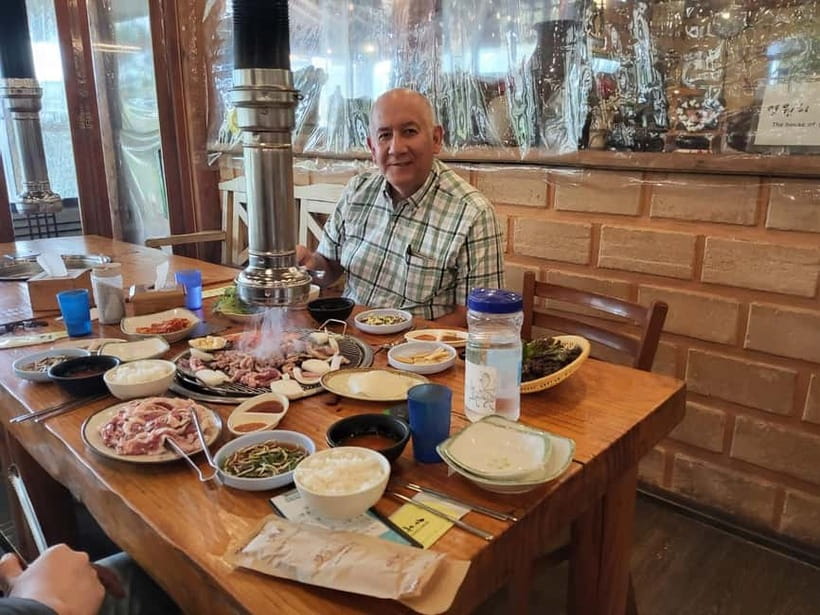
Lunch happens in Paju-si and is about 1.5 hours, with a meal centered on barbecued duck plus other North Korean specialties. There are also vegetarian options, which is a big deal if you travel with someone who doesn’t eat meat.
I like included lunches on DMZ days because it prevents decision fatigue. You’re already spending hours in checkpoints and listening to rules. Having a scheduled meal with a known restaurant reduces stress.
What to keep in mind: the tour doesn’t include additional food and drinks beyond the lunch. So if you’re a heavy coffee person or you want bottled water and snacks, plan on paying extra.
Price and logistics: is $250 good value for this DMZ-focused route?
At $250 per person for a 10-hour private tour with entrance fees and lunch included, the value depends on what you’d otherwise do.
If you’re flying in and out of Incheon, the transfer alone can be worth it. DMZ logistics are not simple, and timing is everything. If you were to DIY it, you’d be spending money on transportation while also taking on the stress of access rules.
You’re also paying for guide-led interpretation at multiple stops. The tour is not just viewpoints; it’s explanations that connect the Blue House-era fighting, peace park artifacts, the infiltration tunnel, and the observatory/border views into one narrative.
Could it feel expensive? Yes. Some visitors mentioned getting a different experience from what they expected, including tunnel and observatory differences, and one booking had timing problems that cut lunch short. That’s the tradeoff with any DMZ-adjacent plan: the day can change.
My advice: if you’re choosing this tour, look at it as a DMZ history day with meals and transportation sorted. If you want flexible wandering, this isn’t that style.
Who should book this tour (and who might want a different format)
This tour fits well if you:
- have limited time around Incheon and want a structured DMZ day
- care about the spy infiltration theme rather than only “seeing the border”
- want a guided experience in English, Japanese, or Korean with a guide who can answer questions
It may not be the best fit if you:
- need wheelchair access (it’s not wheelchair accessible)
- are traveling with unaccompanied minors (unaccompanied minors are not allowed)
And one more real-world factor: the quality of the day can hinge on the guide and day-of logistics. The experience has been praised with named guides like Shrek Lee for humor, friendliness, and access to sites other tours may not reach, and Scott for being well-informed and safe on the road. Still, as with any private tour, you should expect the route to depend on how the day goes.
Should you book the Private DMZ Spy Tour from Incheon?
Book it if you want a DMZ day that’s tightly organized around a specific storyline—spy commandos, infiltration tunnels, and border viewing—with lunch handled and transportation taken care of. For a layover or short visit window, the airport pickup makes this far more doable than most alternatives.
Consider a different option if you’re extremely sensitive to schedule changes or you need guaranteed access to every specific stop every time. With DMZ operations, the operator can rearrange the plan for drills or official events, and past bookings show that day-of access can differ from the written outline.
If you do book, do two things that will pay off fast: bring your passport and wear sneakers. Then go in ready to ask questions. A guide can turn a set of checkpoints into a coherent understanding of how the Korean conflict still shapes what you see today.
FAQ
How long is the DMZ Spy Tour from Incheon?
The tour duration is listed as 10 hours.
Where do pickups happen?
Pickups can include Incheon Airport Transit Hotel Terminal 2 and Incheon Airport pickup points referenced as Exit 14 (Terminal 1) and Exit 3 (Terminal 2). Drop-off options include Incheon International Airport and Incheon Airport Transit Hotel Terminal 2.
What is included in the price?
Entrance fees for all visiting places, lunch (BBQ duck or an equivalent), a local English-speaking guide, and round-trip surface transportation are included.
What language is the tour guide?
The guide is available in English, Japanese, and Korean.
What should I bring?
You’ll need a current valid passport and comfortable shoes (sneakers are required for safety).
Is lunch included?
Yes. Lunch is included and features barbecued duck plus other North Korean specialties, with vegetarian options available.
Are unaccompanied minors allowed?
No. Unaccompanied minors are not allowed.
Is the tour wheelchair accessible?
No. The tour is not wheelchair accessible.
Is there a cancellation policy?
There is free cancellation up to 24 hours in advance for a full refund.
Will the itinerary ever change?
Yes. In the event of unannounced military training or an official event in the DMZ, the operator will contact you to rearrange the tour.