REVIEW · SEOUL
5-Day Korea Golden route by K-shuttle Tour from Seoul Including Busan, Yeosu
Book on Viator →Operated by US Travel Korea · Bookable on Viator
Start planning your Korea sweep with confidence. This 5-day Golden Route tour links UNESCO temples, old kingdoms, and coastal Korea so you don’t burn vacation time on transit planning. I like the way it mixes big-name history with real everyday places like seafood markets and traditional villages.
Two things I really like: you get 4 nights with breakfast plus round-trip ground transportation, so your mornings are simple. And the guide work—names like Justin Choi, Mina, Andy, Cooper, and Brandon show up as standout favorites—means you get context, not just stop-by-stop photos.
One thing to consider: the days move fast, and hotel quality can vary a lot. If you’re picky about rooms, push for what you need early, and be ready that some departures have had issues like weak A/C, basic breakfast, or housekeeping complaints.
In This Review
- Key points before you go
- How this Seoul-based Golden Route keeps transport off your plate
- Price and what you actually get for $999
- Day 1: Baekje tombs, Gongju fortress views, and Jeonju hanok roofs
- Songsan-ri Tombs and the Royal Tomb of King Muryeong (about 2 hours)
- Gongju Gongsanseong Fortress (about 1 hour)
- Jeonju Hanok Village (about 2 hours)
- Day 2: May 18 memorial, Suncheon Bay ecology, and Admiral Yi’s headquarters
- May 18 National Cemetery (about 2 hours)
- Suncheon Bay Garden (about 2 hours)
- Statue of Admiral Yi Sun-sin (about 2 hours)
- Day 3: Busan’s Jinjuseong walls, Jagalchi seafood, and Haeundae’s Nurimaru APEC House
- Jinjuseong (about 1 hour)
- Jagalchi Market (about 2 hours)
- Haeundae Beach and the Nurimaru APEC House area (about 2 hours)
- Day 4: Seokguram and Bulguksa UNESCO stone craft, then Andong’s Hahoe folk village
- Seokguram (about 2 hours)
- Bulguksa Temple (about 1 hour)
- Andong Hahoe Folk Village (about 2 hours)
- Day 5: Alpensia Olympic sights and Seoraksan mountain air
- Alpensia Ski Jump Lounge (about 2 hours)
- Seoraksan National Park: Sinheungsa and mountain views (about 2 hours)
- End back at Donghwa Duty Free (around 6:00 pm)
- Hotel reality and the pace trade-off
- Who this tour suits best (and who should skip it)
- Should you book this K-shuttle Golden Route tour?
- FAQ
- How long is the tour?
- Where does the tour start and end?
- What is included in the price?
- Are meals included?
- Do I need to pay for attractions?
- Is there a lot of walking?
- Do I need to bring a passport name for booking?
- What’s the luggage limit?
- How big is the group?
- Is a mobile ticket used?
Key points before you go
- A transport-heavy route: you see a lot in 5 days, but you trade free time for efficiency
- UNESCO time is real: Seokguram and Bulguksa get proper focus, not a quick photo sprint
- Traditional Korea + coastal Korea: Jeonju hanok streets one day, Jagalchi and Haeundae the next
- Good pacing for first-timers: moderate walking, clear guidance, and frequent stops to break up driving
- Hotel quality isn’t uniform: some are praised, others have drawn complaints, so manage expectations
How this Seoul-based Golden Route keeps transport off your plate
This is designed for first-time visitors who want the highlights without the headache of figuring out trains, transfers, or Korean signage. You meet in Seoul at 8:00 am near Gwanghwamun, then spend most of your days moving between regions by bus with an English-speaking guide.
The big value here is mental load. You show up, the route is set, and you’re guided through each stop with enough explanation to make the scenery and history click. One review note I’d echo: this tour gives you outside-Seoul Korea rather than a lot of time in Seoul itself, so it’s great if your real goal is to see the country, not just city neighborhoods.
You can also read our reviews of more tours and experiences in Seoul
Price and what you actually get for $999
At $999 per person, this isn’t a budget bus tour. The price is basically paying for three things: (1) transportation across the route, (2) a professional English-speaking guide, and (3) 4 nights of accommodation with breakfast.
What’s not included is where you’ll feel the cost shift day-to-day: lunch and dinner aren’t included, and some optional experiences may cost extra (for example, certain grotto/temple entrances or cable car/monorail-type add-ons that can appear depending on the day). If you keep meals simple and plan for a few paid entrances, the math tends to work out well.
Day 1: Baekje tombs, Gongju fortress views, and Jeonju hanok roofs
You start with a practical Seoul meeting point: the parking area near Donghwa Duty Free Shop, by Gwanghwamun Station exit 6. After that, the tour jumps straight into ancient Korea, which is exactly how you want to spend your first morning.
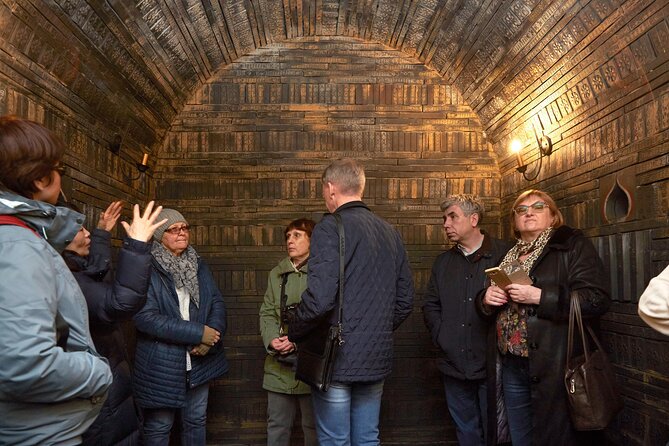
Songsan-ri Tombs and the Royal Tomb of King Muryeong (about 2 hours)
This is Baekje-period history, tied to King Muryeong’s reign (462–523). The tomb area is known for representative relics from the Baekje era (234–678). It’s one of those stops where you can’t fully appreciate the details unless someone explains what you’re seeing—so bring your curiosity and follow along.
A small consideration: this kind of site can involve walking around uneven outdoor areas, so wear shoes you trust.
Gongju Gongsanseong Fortress (about 1 hour)
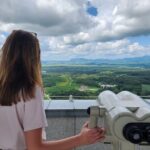
Gongju’s mountain fortress was established during the Baekje era, and you get rewarding views over the Geumgang riverside area. The value here is the change of pace: after tomb history, you move into scenery and walking on a fortress trail.

Jeonju Hanok Village (about 2 hours)
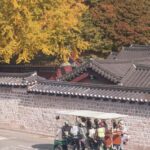
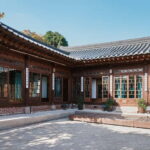
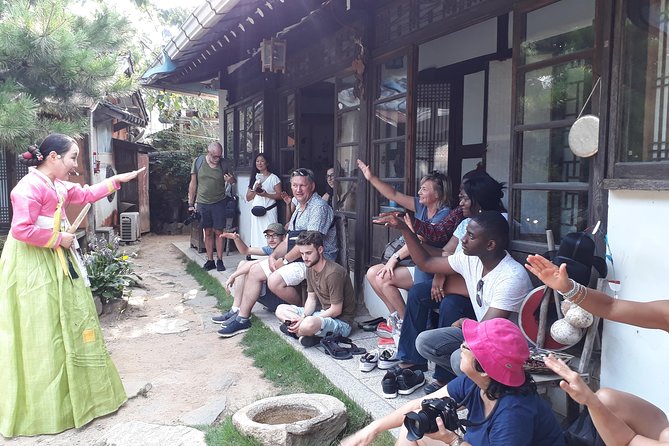
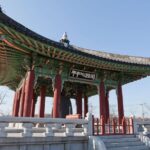
Jeonju is where traditional architecture steals the show. The hanok village keeps strong character even as the rest of the city modernizes. Look for the roof edges, which are described as slightly raised—great for photos, but even better when you slow down and notice the design lines.
This is also a nice moment to grab snacks or casual shopping on your own (since meals aren’t included, you’ll likely be doing that often anyway).
Day 2: May 18 memorial, Suncheon Bay ecology, and Admiral Yi’s headquarters
Day 2 leans into Korea’s modern identity and then back into nature—so you feel like you’re moving across time, not just across geography.
May 18 National Cemetery (about 2 hours)
This memorial sits in front of Mudeungsan Mountain and honors victims from the May 1980 struggle for democracy. Even if you’ve never studied this chapter before, it’s powerful, and your guide’s role matters a lot here. You’ll leave with a clearer sense of how modern Korean civic culture formed.
Suncheon Bay Garden (about 2 hours)
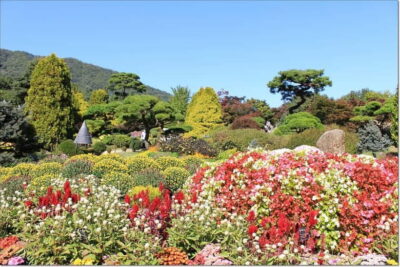
This is conservation-focused and very different from temple stones. The Suncheon Bay Garden is built to turn 1.12 square kilometers of natural habitat into a protected area, and it highlights an impressive range of plant life—over 505 species of trees and 113 species of flowers.
Practical tip: this stop can feel like a walk-through nature museum. Don’t dress only for looks; dress for wandering.
Statue of Admiral Yi Sun-sin (about 2 hours)
Admiral Yi Sun-sin is a national figure in Korean storytelling, and the tour ties him to the Imjin Waeran War (1592–1598). The stop explains this site was used as his headquarters, so you get a link between a statue and the broader war context.
If you like military history, you’ll probably enjoy how your guide connects earlier and later eras through people like Yi.
Day 3: Busan’s Jinjuseong walls, Jagalchi seafood, and Haeundae’s Nurimaru APEC House
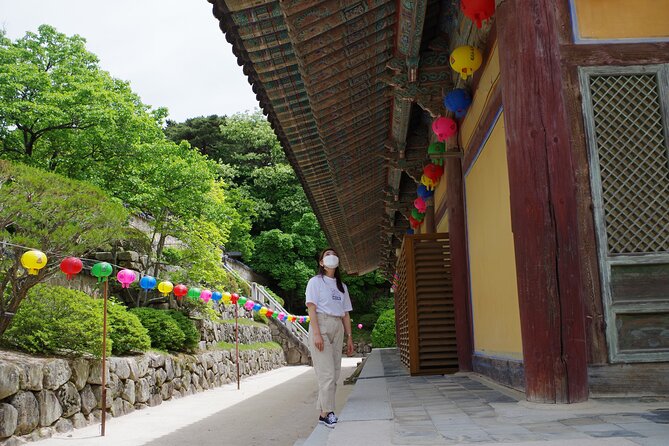
Busan day has the best mix of “wow, Korea is different” energy and real food culture.
Jinjuseong (about 1 hour)
This fortress links to the Japanese invasion in 1592 and shares earlier names from the Three Kingdom Period before becoming Jinjuseong. It’s short, but it gives you a strong sense of coastal defense and how locations mattered during conflict.
Jagalchi Market (about 2 hours)
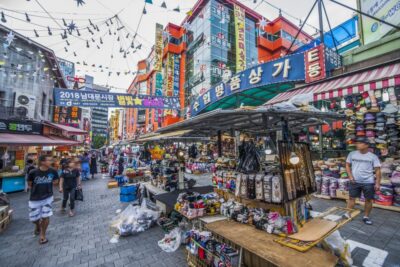
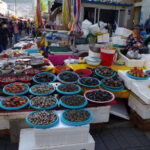
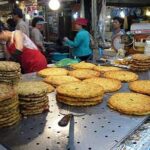
This is the big one for food lovers. Jagalchi Market is described as Korea’s largest seafood market, with both live and dried fish. Even if you don’t buy much, it’s a sensory stop—watch how vendors work, see how goods are displayed, and let your guide translate what’s worth trying.
If you’re a cautious eater, you’ll still enjoy it. You can treat it like a guided tasting of the local seafood culture without committing to anything too adventurous.
Haeundae Beach and the Nurimaru APEC House area (about 2 hours)
This combines sea views and modern architecture. Haeundae Beach sits next to the area associated with the Nurimaru APEC House, described as an international conference hall that blends modern and natural beauty.
This is also where you get a mental reset. After tombs and forts, the ocean air and open views help the day feel lighter—even if the bus ride between stops is long.
Day 4: Seokguram and Bulguksa UNESCO stone craft, then Andong’s Hahoe folk village
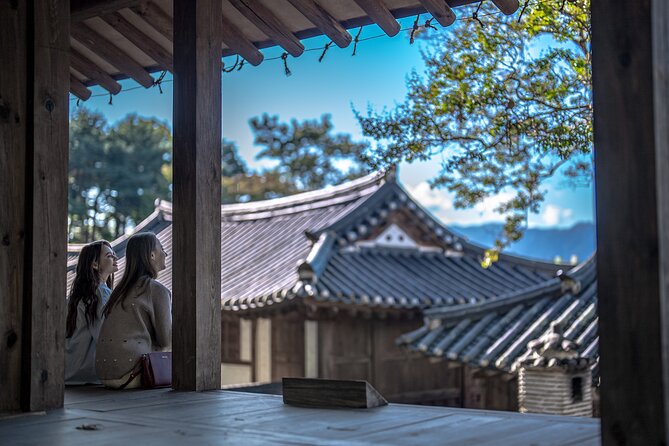
Day 4 is your UNESCO center of gravity. It’s also a day where the guide’s explanations can make a huge difference, because stone details take time to understand.
Seokguram (about 2 hours)
Seokguram is built with Bulguksa Temple context and is recognized as a UNESCO site. You’re looking at an artificial stone temple made of granite, designated by UNESCO in 1995.
The drawback to plan for: depending on what’s included versus optional on your particular day, there may be additional small entrance fees. Also, grotto-style sights can involve stair steps and enclosed spaces, so pack accordingly.
Bulguksa Temple (about 1 hour)
Bulguksa is described as a representative relic of Gyeongju and also UNESCO-designated (1995). The highlight is the artistry of the stone relics along with the temple beauty itself.
If you want one “pin this memory” stop on the whole route, this is it.
Andong Hahoe Folk Village (about 2 hours)
Then you switch from UNESCO stone to living tradition. Hahoe Village is framed by the Nakdong River wrapping around the village, with Buyongdae Cliff and long stretches of sandy beaches nearby, plus old pine trees.
This works well for families and for anyone who likes traditional environments beyond temples. You’re seeing how landscape and culture reinforce each other.
Day 5: Alpensia Olympic sights and Seoraksan mountain air
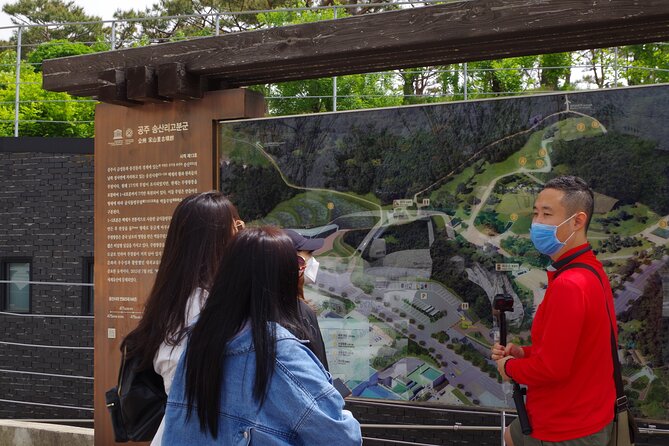
Your last day mixes an Olympic afterlife with classic Korea hiking scenery, even if the time on each stop is limited.
Alpensia Ski Jump Lounge (about 2 hours)
This is tied to the 2018 Winter Olympics and is described as the venue for ski jumping stadium work (not the tower). Even if you’re not a winter sports fan, it’s a useful snapshot of how big events leave behind infrastructure and place identity.
Seoraksan National Park: Sinheungsa and mountain views (about 2 hours)
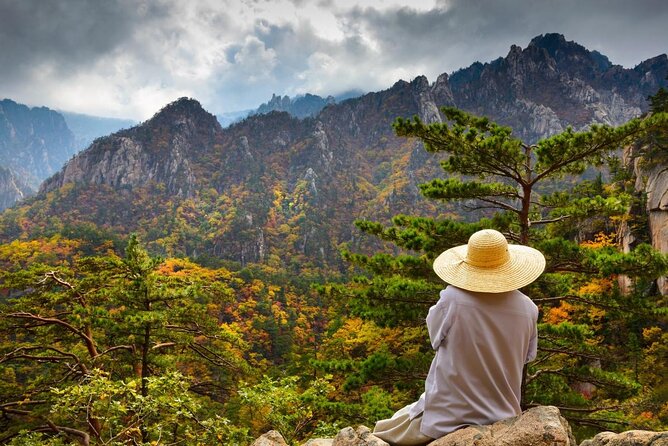
Seoraksan gets your “final postcard” material. The tour description emphasizes peaks breaking through clouds and jade-like water flowing through valleys, plus the Sinheungsa connection.
Practical note: this is the kind of stop where weather matters. If clouds and mist roll in, it can be dramatic, but it can also affect how comfortable you are moving around. Bring a layer you can stand up in.
End back at Donghwa Duty Free (around 6:00 pm)
You finish near Donghwa Duty Free Shop, around 18:00. It’s a clean return point for sorting your next steps in Seoul.
Hotel reality and the pace trade-off
This tour includes 4 nights with breakfast, and most people feel the accommodations meet a solid baseline. The less pleasant part is that reviews have also flagged major variation: some hotels are described as clean and comfortable, while others have had complaints like outdated rooms, weak A/C, bathroom hot-water issues, hair found in tubs or sinks, and breakfast that felt minimal compared to other stops.
So here’s how I’d plan your expectations:
- Treat the hotels as “sleep and breakfast” rather than a destination
- Pack your patience for long drive days
- If cleanliness matters a lot to you, be proactive about room requests at checkout
Pace-wise, it’s fast. One review called it almost too much per day, and that matches the structure: multiple major stops, then travel between regions. The benefit is you leave with a wide view of Korea instead of one city with deep repetition.
Who this tour suits best (and who should skip it)
This is a strong pick if you:
- Want a first-time Korea overview without the stress of transportation and language
- Like mixing traditional culture (Jeonju hanok, Hahoe folk village) with UNESCO temples (Seokguram and Bulguksa)
- Enjoy guided history with a human storyteller, not just self-paced plaques
You might skip it if you:
- Want lots of unstructured time in one city
- Have very high standards for hotel consistency
- Dislike long days that combine driving with multiple sites
Should you book this K-shuttle Golden Route tour?
If your goal is to see Korea’s big story arcs—ancient kingdoms, democracy-era remembrance, UNESCO temples, coastal culture, and even an Olympic relic—this tour makes sense. The best part is that you get guided context at the stops where you’d otherwise just see pretty sights.
I’d book it if you’re flexible on hotels and okay with a tight schedule. And I’d do one prep move before you go: plan your meal budget for lunch and dinner, because that’s where your day-to-day spending happens. If you do that, the $999 price stops feeling like a mystery and starts feeling like a shortcut.
If you want, tell me your travel month and whether you prefer history, food, or nature most—I can suggest what to prioritize each day so you enjoy the pace instead of just surviving it.
FAQ
How long is the tour?
It runs for about 5 days (5 days / 4 nights of accommodation with breakfast included).
Where does the tour start and end?
It starts at 8:00 am near the Donghwa Duty Free Shop area by Gwanghwamun Intersection, and the tour ends around 18:00 pm in front of Donghwa Duty Free Shop.
What is included in the price?
Transportation to all itinerary places, a professional English-speaking guide, 4 nights of accommodation, and breakfast for 4 days.
Are meals included?
No. Lunch, dinner, snacks, and other food or drinks are not included unless specified.
Do I need to pay for attractions?
Some entrances are listed as included or free, but optional admission fees may apply for certain stops (for example, items mentioned like Seokguram Grotto entry, monorail to Pyeongchang ski jump, and cable car/temple entry in some cases).
Is there a lot of walking?
There is a moderate amount of walking. Good walking shoes are recommended.
Do I need to bring a passport name for booking?
Yes. Passport name, number, expiry, and country of issue are required at time of booking for all participants.
What’s the luggage limit?
You’re allowed one carry-on bag about 24 x 16 x 11 inches.
How big is the group?
The tour has a maximum group size of 50 travelers.
Is a mobile ticket used?
Yes. The tour uses a mobile ticket.