REVIEW · SEOUL
Local Home Korean Cooking Class & Market Adventure in Seoul
Book on Viator →Operated by Hello K Cooking Class · Bookable on Viator
Korean food starts at the market. This small-group class in Seoul pairs a local street-food shopping walk with a hands-on cooking session in a home kitchen, then ends with a full Hanjeongsik dinner loaded with side dishes. It is a simple idea, done well: you learn what to buy, cook it, and eat it right away.
I especially like the way the tour builds from ingredients to dinner. First you get a guided market visit with street-food sampling and ingredient education, then you move straight into cooking. I also like the payoff at the table: you end up with a proper Korean meal featuring over 10 different side dishes plus dessert and a glass of makgeolli.
One thing to consider: this is a 3.5-hour experience with a market walk baked in. If you prefer a cooking-only class with minimal walking, you may feel like you want to skip the browsing part.
In This Review
- Key Things I’d Prioritize
- Mangwon Station Entrance 2: A Clean Start for a 3.5-Hour Plan
- Mangwon Market Shopping: Learning Korean Ingredients Without Guessing
- Cooking in a Real Home Kitchen: Why This Style Feels Different
- Four Dishes You’ll Cook: Bibimbap and Dakgalbi Plus More
- The Hanjeongsik Dinner Finale: 10+ Side Dishes, Dessert, and Makgeolli
- Value Check: Is $91 Worth It in Seoul?
- Who Should Book This Korean Cooking Class in Seoul?
- Should You Book It?
- FAQ
- Where is the meeting point?
- How long is the Korean cooking class and market adventure?
- What dishes will I cook?
- What will I eat during the meal?
- Is this a small group tour?
- How much does it cost?
- What is the cancellation policy?
Key Things I’d Prioritize
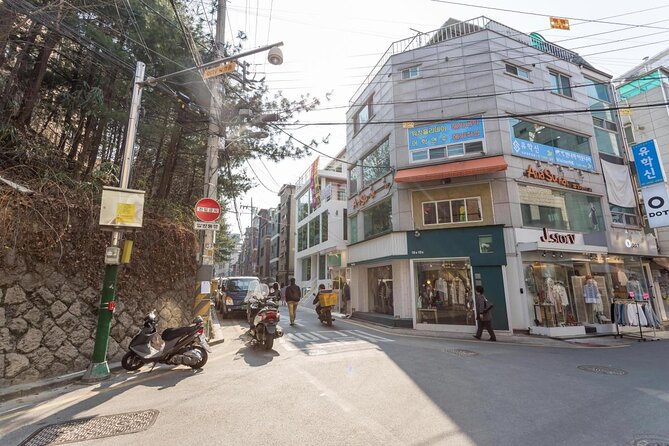
- Mangwon Station Entrance 2 start: easy public transport access to begin your afternoon.
- Market shopping + street-snack tasting: you learn what to look for before you cook.
- Four hands-on dishes: you practice multiple Korean techniques, not just one.
- Small group up to 10: more time for questions and attention from your host.
- Hanjeongsik-style dinner: a long, layered meal with 10+ side dishes, dessert, and makgeolli.
Mangwon Station Entrance 2: A Clean Start for a 3.5-Hour Plan
This experience kicks off near Mangwon Station Entrance 2, with the location listed at 377-20 Mangwon-dong, Mapo-gu. For me, the best part of a Seoul food tour start is when you do not have to waste time deciphering complicated meeting spots. A station entrance is practical. You can get there fast, regroup easily, and keep the rest of your day intact.
The total time is about 3 hours 30 minutes, so it is long enough to feel like a real activity, not a quick showroom stop. You’ll have a clear rhythm: meeting point, market adventure, hands-on cooking, then dinner. Plan your schedule around that block. This is the kind of tour where it helps to show up hungry and ready to walk.
Also, it runs with a maximum of 10 travelers. That small size matters here because the day includes both listening and doing. When there are fewer people, you spend less time waiting for instructions and more time following along at your work station.
You can also read our reviews of more shopping tours in Seoul
Mangwon Market Shopping: Learning Korean Ingredients Without Guessing
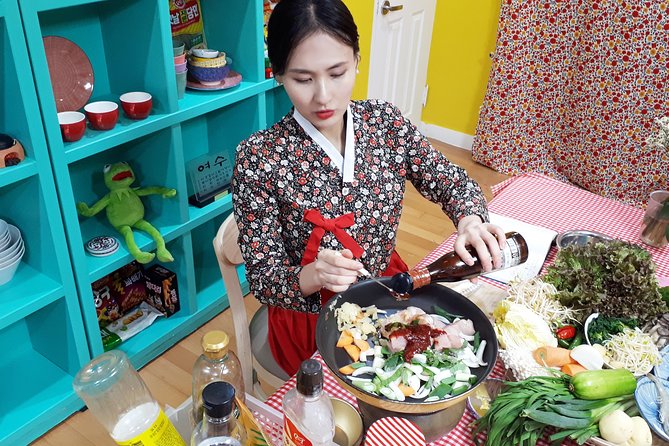
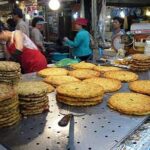
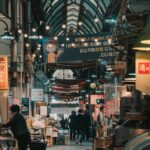
The middle of the morning-to-evening magic is the market adventure. You get a guided visit focused on local street foods, ingredients, and typical herbs and spices. The point is not just tasting random snacks. You’re learning how Korean cooking starts: with what’s fresh, what’s seasonal, and what flavors are built in.
During this part, you’ll also sample street-food items. That matters because many ingredients in Korean cooking make sense only after you taste the end result. You start associating names with flavors. It is a fast way to stop thinking of Korean cuisine as unfamiliar and start treating it like something you can shop for and cook.
You will also be buying fresh ingredients for the class. That is where value shows up. Instead of leaving with recipes you cannot source, you practice the whole chain. You learn what you need, how you spot it, and what goes together.
Practical tip: wear comfortable shoes. Markets in Seoul can mean uneven sidewalks and lots of short stops. The tour is designed around walking, tasting, and picking ingredients, so your feet will do the heavy work early.
Cooking in a Real Home Kitchen: Why This Style Feels Different
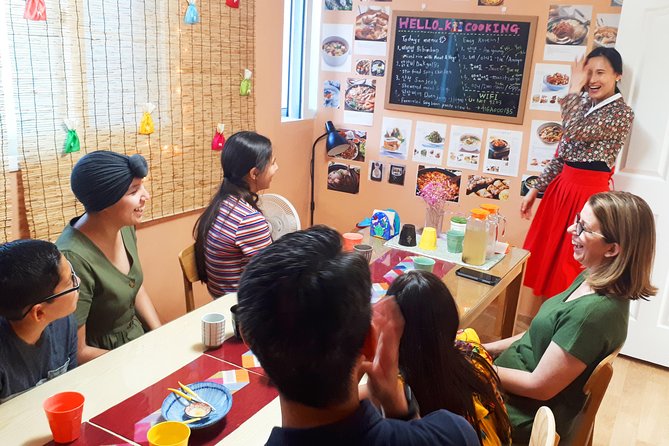
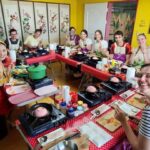
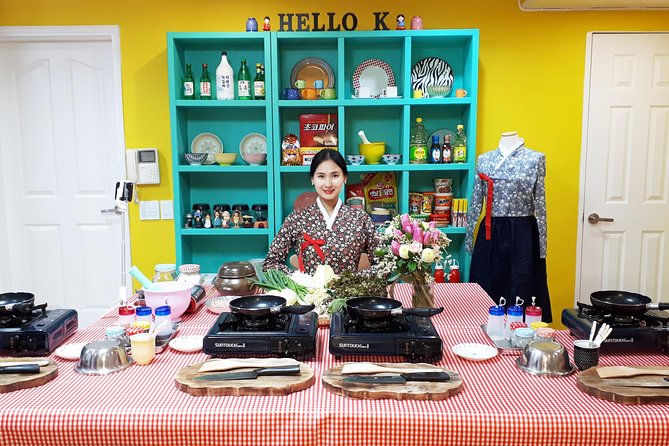
After the market, you shift into a 100% hands-on Korean cooking class at a local home. This is a key detail. A class in someone’s real home tends to feel more relaxed and personal than a studio setup. In practice, you usually get more of that careful, step-by-step teaching that helps you cook with confidence.
The class is also built for attention. With a group size capped at 10, you are not just watching from the sidelines. You’re likely to get guidance on technique and how to handle the ingredients you bought. That is how you walk away actually capable, not just entertained.
One more nice piece: your meal is not an afterthought. The dinner you eat is tied directly to what you cook, including homemade dishes and additional spreads. That makes the cooking feel purposeful, not like separate activities.
Four Dishes You’ll Cook: Bibimbap and Dakgalbi Plus More
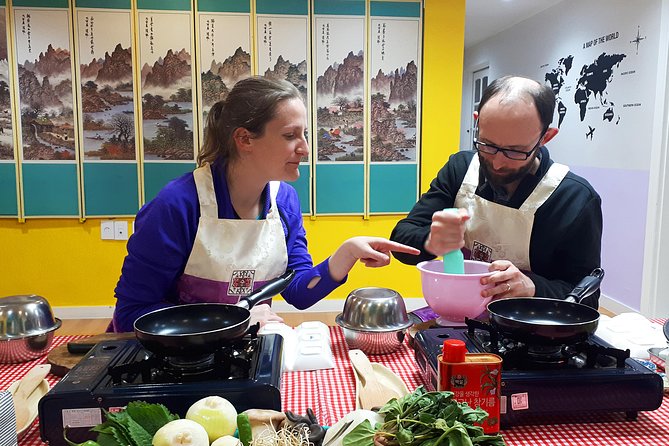
You are creating four Korean dishes, including options like Bibimbap rice and Dakgalbi. That combination is smart for a short class. Bibimbap helps you understand rice-based structure and topping balance. Dakgalbi pushes you toward savory, cooked-together flavor and technique.
You also learn traditional cooking techniques, not just assembly. The goal is that you can recreate the feel of the dish later, not merely repeat the steps. In Korean cooking, small technique differences can change texture and taste, and this class format is designed to teach you those “how” moments.
You may also find that your instruction covers typical Korean herbs and spices from the market stop. That connection is useful because it gives your cooking context. When you know what a spice does, you can adjust more confidently next time.
For picky eaters: you should expect a mix of flavors across the dishes. Korean meals often balance savory, fresh, and spicy elements. If you dislike spice entirely, consider that the menu can include spicy components depending on the dishes selected for your session.
The Hanjeongsik Dinner Finale: 10+ Side Dishes, Dessert, and Makgeolli
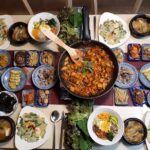
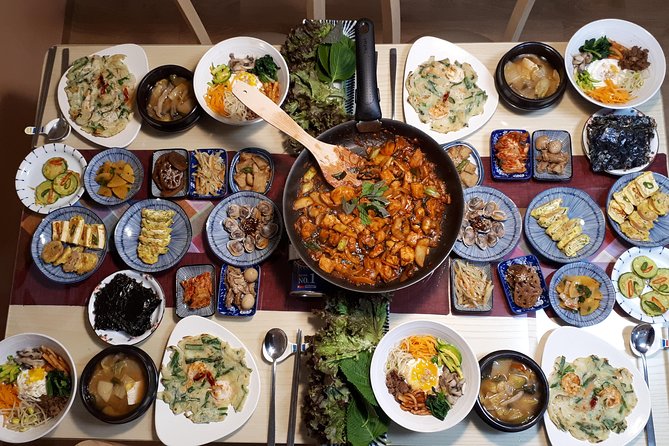
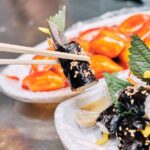
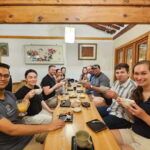
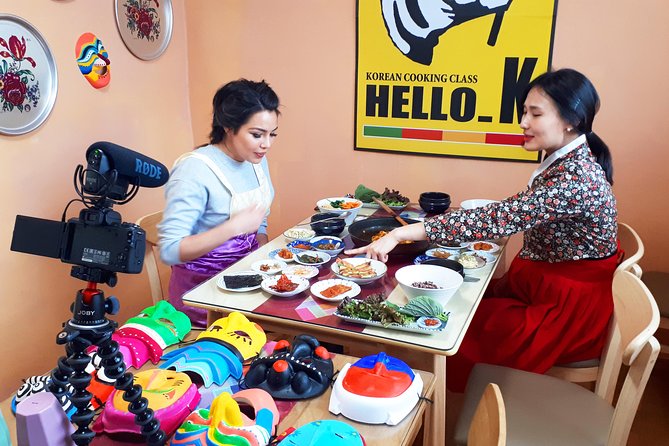
The ending is the part that makes the experience feel like a full cultural meal, not just a cooking class. You sit down for a Hanjeongsik dinner, which is traditionally served with a big assortment of side dishes. In this class, you get over 10 different side dishes, alongside your homemade dishes.
Then there is dessert, plus a glass of makgeolli, the Korean rice wine. That is a fun finishing touch because it ties the meal to Korean tradition and makes dinner feel complete rather than just filling. If you like learning through food, this is exactly the kind of structure that helps you understand how Korean dining works: the main items are important, but the sides shape the whole experience.
Also, dessert means you do not leave with only salty flavors on your palate. You get a clean closing taste. It sounds small, but it can make the whole evening feel less heavy.
If you tend to eat slowly, plan for a longer-feeling meal at the end. A Hanjeongsik-style spread takes time because you’re sampling multiple dishes and sides, plus enjoying your cooked items. It is part of the point.
You can also read our reviews of more tours and experiences in Seoul
Value Check: Is $91 Worth It in Seoul?
At $91.00 per person, this isn’t a bargain basement food activity. But it also is not overpriced for what you actually get.
Here’s the value equation that matters:
- You cook four dishes hands-on.
- You visit a local market and do street food tasting.
- Your dinner includes your creations, 10+ side dishes, dessert, and a glass of makgeolli.
- The group stays small with a maximum of 10 travelers, which usually means more teaching time.
When classes are only cooking, they sometimes feel short on payoff. This one pays you back in two ways: you learn to shop and cook, and then you eat a full meal that expands beyond the dishes you made. That combination helps the price feel more justified than paying for one cooking station with no market piece and no real banquet-style finish.
Also, it’s listed as having a mobile ticket, and you get confirmation at booking. Those are small details, but they reduce friction. In a city like Seoul, anything that makes the start smooth tends to improve the overall experience.
Who Should Book This Korean Cooking Class in Seoul?
This is best for you if you want more than a meal. You want the “how” behind Korean food: ingredients, buying, and cooking techniques, all in one afternoon.
It is also a great fit if you like small-group experiences. With a maximum of 10 travelers, the teaching style is more interactive, and you have a better chance of getting answers in the moment while you cook.
I’d especially recommend it if you:
- want a Seoul food experience with a market component
- like hands-on cooking where you can take technique home
- enjoy sitting down to eat a long traditional dinner, not just sampling bites
If you dislike walking or feel impatient with market shopping, you might find the market adventure longer than you want. But if you like learning where flavors come from, the market stop is a big part of the reason this tour works.
Should You Book It?
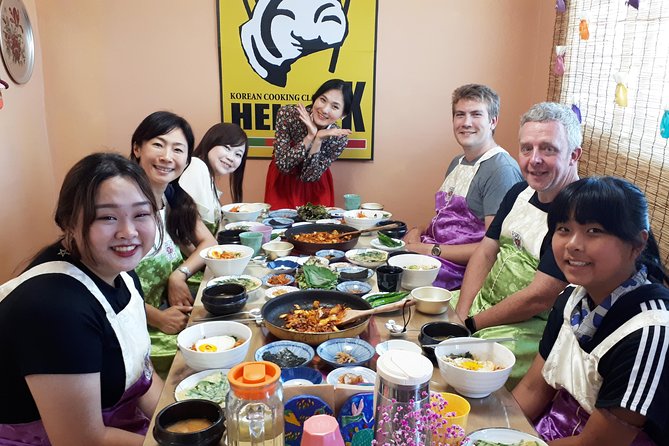
Yes, I think you should book this if your goal is to leave Seoul knowing how to make Korean home-style dishes, not just collecting photos and a stomach full of food. The combination of market learning, four hands-on dishes (including Bibimbap and Dakgalbi), and a Hanjeongsik dinner with 10+ side dishes plus makgeolli is a strong package for a single 3.5-hour slot.
It’s not the cheapest option. But it is the kind that can feel worth it because it teaches you the whole system: what to buy, how to cook it, and how it’s actually served at the table.
If you want a low-effort cooking show, skip it. If you want a practical, ingredient-focused class with a real meal finale, this one deserves a spot on your list.
FAQ
Where is the meeting point?
You meet at Mangwon Station Entrance 2, at 377-20 Mangwon-dong, Mapo-gu, Seoul, South Korea.
How long is the Korean cooking class and market adventure?
It runs for about 3 hours 30 minutes.
What dishes will I cook?
You’ll cook four Korean dishes. The experience mentions options like Bibimbap rice and Dakgalbi.
What will I eat during the meal?
You’ll enjoy a Hanjeongsik dinner with your homemade dishes plus additional side dishes (over 10), dessert, and a glass of makgeolli.
Is this a small group tour?
Yes. The experience has a maximum of 10 travelers.
How much does it cost?
The price is $91.00 per person.
What is the cancellation policy?
Free cancellation is available up to 24 hours before the experience starts for a full refund. If you cancel less than 24 hours in advance, the amount paid will not be refunded.