REVIEW · SEOUL
Gyeongbokgung palace,seoul with gigibebe hanbok rental
Book on Viator →Operated by 지지배배 한복 · Bookable on Viator
A hanbok makes Seoul instantly feel iconic. This Gigibebe rental is a quick, practical way to get properly dressed and then use 2 hours of free time right by major sights. The main watch-out is that the shop can feel a bit busy, and the experience may not feel as deeply authentic as you’d hope.
I especially like the staff help—from picking a style to talking through what different pieces mean. I also like the timing: you get the fitting first, then you’re free to explore around Gyeongbokgung, Gwanghwamun, and Bukchon Hanok Village without dragging your day down. One drawback to consider: if you want extra warmth or a more personal, less “shop-like” vibe, you might prefer another store nearby.
You’ll start at Gigibebe Hanbok Rental on the 3rd floor (Jahamun-ro 2-gil), use a mobile ticket, and finish back at the same meeting point. Plan on about 2 hours total, and remember this is limited to a maximum of 30 people at a time.
In This Review
- Key highlights to know before you go
- How Gigibebe Hanbok Rental Fits Into a Gyeongbokgung Day
- Choosing Your Hanbok: Styles and What the Pieces Actually Mean
- Dressing Room Details: What’s Included and How to Use Your Time
- Your 2 Hours in Hanbok: From Palace Front to Photo Stops
- Rain Happens: The Photo-Saving Strategy
- Price and Value: Why $7 Can Still Be Worth It
- Where It Makes Sense (And Where It Might Not)
- Practical Tips Before You Book
- Should You Book This Hanbok Rental?
- FAQ
- Where is the meeting point for the Gigibebe hanbok rental?
- How long does the experience take?
- What is the price per person?
- Do I need a printed ticket?
- What happens after I choose and wear the hanbok?
- What nearby attractions can I visit while I have free time?
- Is there a limit on group size?
- Is the experience suitable for most people?
- What if it rains?
- What is the cancellation policy?
Key highlights to know before you go
- Fast hanbok checkout and dressing help so you’re not wasting your palace time in a line
- Clear guidance on choosing styles with explanations of what pieces represent
- Real photo time built into the experience after you’re dressed
- A nearby location for Gyeongbokgung photos plus options toward Gwanghwamun and Bukchon
- Staff support when weather turns so you can still get good pictures
How Gigibebe Hanbok Rental Fits Into a Gyeongbokgung Day
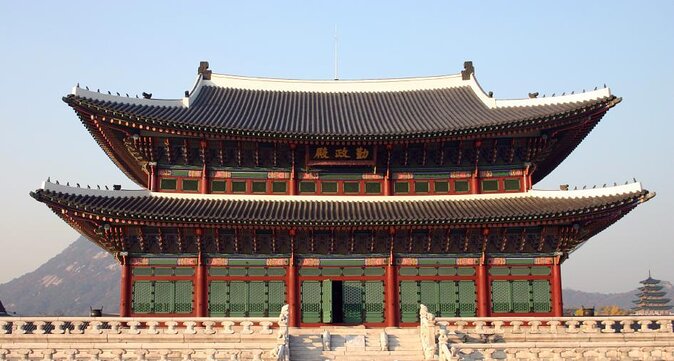
If you’re planning to see Gyeongbokgung Palace, adding hanbok is one of the easiest “big impact” choices you can make. The trick is making it simple and time-efficient. This experience does that: you handle the hanbok part first, then you walk out with your outfit on and your schedule basically becomes a photo-and-stroll mission.
The meeting point is at Gigibebe Hanbok Rental, Jahamun-ro 2-gil, in Jongno District. It’s on the 3rd floor, so don’t ignore the “3층” detail—getting confused at the start is the fastest way to lose momentum. It’s also near public transportation, which matters because Gyeongbokgung and the surrounding areas can be crowded and slow if you’re moving on foot from far away.
The group size cap (up to 30) is another practical detail. It generally keeps things moving, especially during the busiest dress-allocation moments. You’ll also have a mobile ticket, and you should receive confirmation when you book, so you can show up prepared rather than hunting for paperwork.
You can also read our reviews of more tours and experiences in Seoul.

Choosing Your Hanbok: Styles and What the Pieces Actually Mean

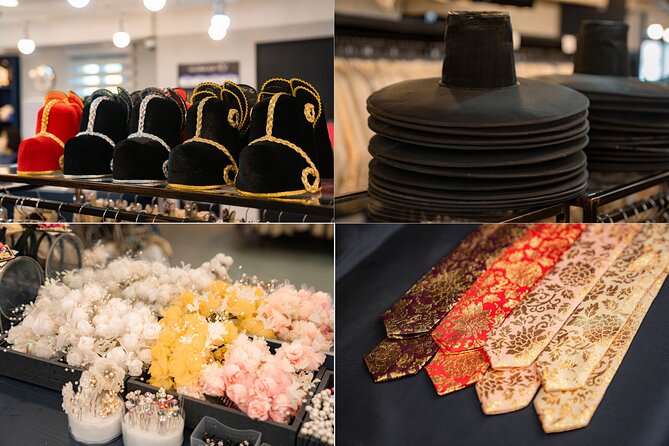
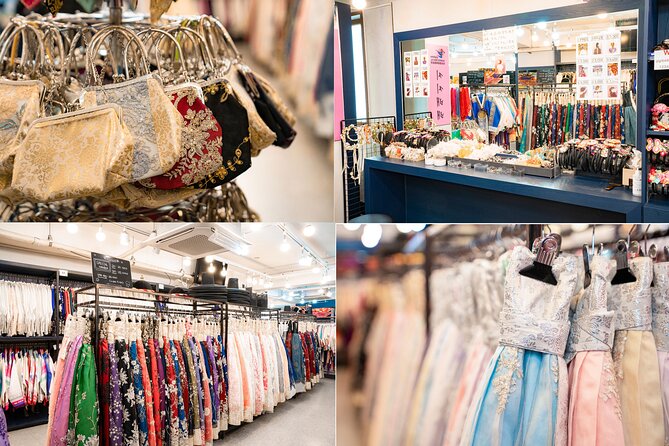
One of the best parts here is the selection process. They don’t just hand you a random outfit and send you off. You’re guided through the store and you get lots of options, which is a big deal if you want your photos to match your style.
The most praised experience aspect is the way staff help you choose. In particular, the guide named Jinn is repeatedly described as kind, helpful, and knowledgeable about what each piece means. I like that approach because it turns a costume choice into a decision with context. You don’t need to memorize history, but it helps to understand why one style might feel more formal, festive, or traditionally styled than another.
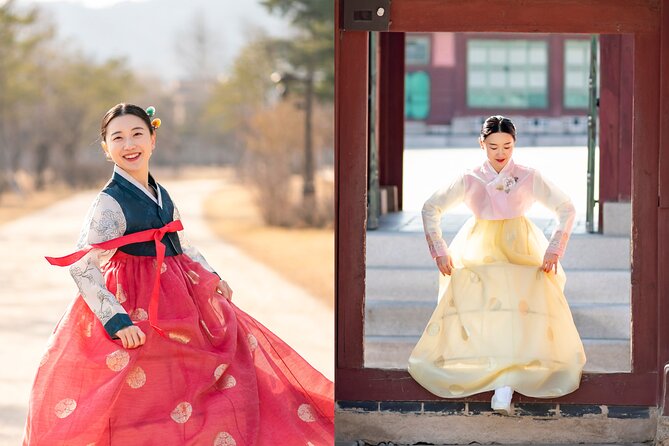
What to do before you arrive: think about your photo goal. If you want classic palace portraits, lean toward hanbok looks that read clearly in bright daylight. If you’re more about street-style photos near Bukchon, you might want something that contrasts well with neutral stone streets and wooden houses. The staff can steer you based on what you’re aiming to photograph.
And yes—there are many types of hanbok. That’s good news, because it means you can pick something that fits your comfort level too. Even if you’re not sure what you’ll like, this kind of “try and compare” setup gives you a real chance to choose confidently.
Dressing Room Details: What’s Included and How to Use Your Time
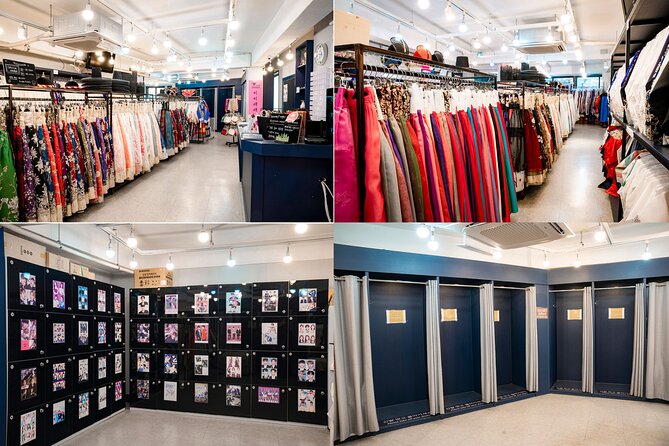
The experience is about 2 hours total, and the structure matters. You start by selecting and putting on your hanbok in the shop. Then you get free time afterward—so your day doesn’t end the moment you finish dressing.
Here’s the practical part: you’ll be helped with getting dressed, and you’ll also get a place to store your belongings. One review specifically mentions a locker and receiving an underskirt to help your hanbok stay comfortable and sit right. This is exactly what you want from a rental experience—basic support so you can focus on walking and photos instead of juggling your bag and outfit.
Time management tip: treat those 2 hours like a mini photo session. Don’t schedule complex stops immediately afterward. Go to the nearby sights first while you’re still feeling good in the outfit. Your hanbok photos will look best when you’re not rushing, and a slow pace helps you actually enjoy the place instead of just collecting pictures.
The shop itself is described as a short walk to the palace, and that proximity is huge. When a hanbok rental is far away, you lose the main benefit: wearing it while the lighting and atmosphere are right. When it’s close, you can make the most of the outfit without burning time in transit.
Your 2 Hours in Hanbok: From Palace Front to Photo Stops
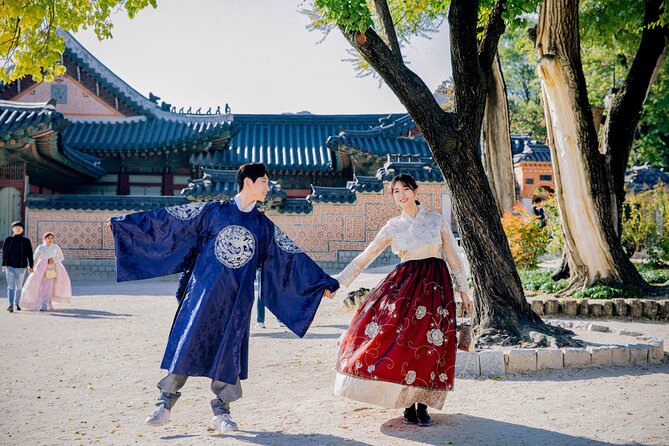
Once you’re dressed, the experience is basically your hanbok-powered sightseeing loop. You’re positioned near major hits, with nearby attractions including Gyeongbok Palace, Gwanghwamun, and Bukchon Hanok Village.
How you use your free time is up to you, but I’d plan around three things:
1) Start where the background reads instantly “Seoul.”
Gyeongbokgung Palace is your anchor sight. Wearing hanbok here looks natural because the setting matches the clothing. It’s also where your photos will feel the most instantly recognizable.
2) Use short distances for variety.
Instead of trying to cram everything into one tight route, do a couple of high-value photo areas and then wander. Gwanghwamun is a good “second act” because it’s another central, iconic zone.
3) If you go toward Bukchon, slow down.
Bukchon Hanok Village is all about atmosphere—narrow lanes, traditional textures, and the feeling of walking through an older neighborhood. In hanbok, this is where your outfit stops feeling like a rental and starts feeling like part of the experience.
If you’re camera-ready, your best plan is to rotate between posed photos and “walk and frame” photos. Posed is for the classic memories. Walk-and-frame is where you’ll capture candid moments that still look intentional.
Also, since the tour ends back at the meeting point, don’t drift too far without leaving enough time to return. Your outfit and your schedule both matter.
Rain Happens: The Photo-Saving Strategy
Seoul weather can flip fast, and one of the most useful bits from the experience info is that the staff can help when it rains. One review describes help booking a photo shoot in a nice place out of the rain so you don’t end up trudging through muddy areas just to get a picture.
This is worth underlining: in a hanbok day, you’re not just managing your comfort—you’re managing your outfit. If it rains, dry ground and clean backdrops become part of the “photo success.” The fact that staff can suggest or arrange alternatives makes a real difference.
So if the forecast looks shaky, consider this your built-in fallback plan. You can still get good pictures without turning your day into a wet, stressed scramble.


Price and Value: Why $7 Can Still Be Worth It
At $7.00 per person for a roughly 2-hour hanbok experience, the value angle is strong. This isn’t just “stand in front of a palace and hope for the best.” You’re paying for three practical things:
- help choosing your hanbok
- help dressing (with included items like an underskirt, plus storage)
- the time advantage of having free time to actually use the outfit near the sights
In other words, you’re paying to remove friction. The time it takes to pick the right outfit and get it on properly is the kind of thing that can eat up your schedule if you do it on your own. With this format, you get set up and then you go.
There is still a consideration: because the experience is cost-friendly, it may feel more like a streamlined rental service than a deeply staged cultural program. That’s not “bad,” it’s just a match question. If your priority is getting dressed quickly and getting onto the streets, you’ll likely feel good about the price-to-time ratio.
Where It Makes Sense (And Where It Might Not)
This is the right kind of activity if you want:
- classic photos without complex planning
- a simple way to add cultural color to a palace day
- staff help that makes choosing easier (especially if you’re unsure what to pick)
It’s also a good match if you travel in a small group and want everyone to get their hanbok experience without coordinating multiple independent rental trips.
It might not be the best fit if:
- you’re looking for an extra-long cultural explanation or a very quiet, low-traffic shop vibe
- you’re extremely sensitive to service tone or the pace of a busy dressing area
- you expect the “authentic” feeling to come from more than just having the right outfit and a helpful guide
One piece of feedback noted the experience didn’t feel very authentic and that staff weren’t exceptionally helpful in that particular visit. That means your best bet is to treat this as a practical rental-first plan. If you want authenticity, pair it with time at the palace itself and nearby neighborhoods.
Practical Tips Before You Book
A few things I’d plan around to keep the experience smooth:
- Book with your palace timing in mind. The average booking window is about 16 days in advance, which suggests it can be a popular slot. If you’re traveling in a busy season, don’t wait until the last minute.
- Wear shoes that work for walking. You’ll be sightseeing afterward, and you’ll likely do steps and short strolls.
- Decide your photo priority early. If you want palace photos first, plan your route so you’re not rushing back too soon.
- Have a rain mindset. If weather looks unstable, lean into the fact that staff can help with rain-safe picture options.
Should You Book This Hanbok Rental?
I’d book it if you want a time-efficient hanbok experience that lands you close to the big sights—especially if your goal is easy photos at Gyeongbokgung and nearby areas. The strongest reasons to choose it are the hands-on dressing support, the strong guidance around selection (including help from Jinn), the locker/underskirt setup, and the practical way the experience turns into real photo time.
I’d skip or consider alternatives if you’re chasing a very slow, deeply personal cultural experience rather than a rental-driven format. Also, if you’re someone who hates busy shop environments, go in with realistic expectations about crowding.
If your travel style is “good photos, minimal hassle, maximum time at the sights,” this is a solid pick.
FAQ
Where is the meeting point for the Gigibebe hanbok rental?
It starts at Gigibebe Hanbok Rental in Seoul, Jongno District, at Jahamun-ro 2-gil, 18 (3rd floor), and the experience ends back at the same meeting point.
How long does the experience take?
Plan for about 2 hours (approx.).
What is the price per person?
The price is $7.00 per person.
Do I need a printed ticket?
No. You use a mobile ticket.
What happens after I choose and wear the hanbok?
After dressing, you’re given about 2 hours of free time to visit nearby attractions and take photos in your hanbok.
What nearby attractions can I visit while I have free time?
Nearby options mentioned include Gyeongbok Palace, Gwanghwamun, and Bukchon Hanok Village.
Is there a limit on group size?
Yes. This activity has a maximum of 30 travelers.
Is the experience suitable for most people?
The information says most travelers can participate.
What if it rains?
The experience notes it requires good weather. If it’s canceled due to poor weather, you’ll be offered a different date or a full refund. Also, staff can help with photo plans if rain happens.
What is the cancellation policy?
You can cancel for a full refund up to 24 hours before the experience. If you cancel less than 24 hours before, the amount paid is not refunded.