REVIEW · SEOUL
Seoul: War Memorial, Jogyesa Temple & Tapgol Park Tour
Book on GetYourGuide →Operated by I LOVE SEOUL TOUR Co., Ltd. · Bookable on GetYourGuide
Seoul tells its story in steel and incense. This half-day afternoon tour ties together The War Memorial of Korea with Jogyesa Temple, then lands you in the center of the city at Tapgol Park, plus an included lottery activity. I like how the route feels like one clear theme: conflict, society, and independence, all within a few hours.
The trade-off is moderate walking, and the tour is not suitable for wheelchair users. If you’re hoping for an easy stroll or need step-free access, plan differently.
In This Review
- Key things I’d circle on your plan
- Steel, incense, and real context: the best part of this afternoon plan
- Where you start and how the route is designed
- The War Memorial of Korea: why the 3rd-floor UN Memorial Cemetery matters
- National Museum of Korean Contemporary History: the timeline you wish you had
- Jogyesa Temple: a spiritual site that also carries modern memories
- Tapgol Park: independence movement history in the heart of Seoul
- The included lottery moment: playful, not a theme-park gimmick
- Price and value: what $42 really buys you
- Guides make the difference: how the experience feels in practice
- The practical stuff you should plan for
- Who should book this Seoul afternoon tour
- Should you book? My take
- FAQ
- What is the meeting point for the Seoul afternoon tour?
- Where will the tour end?
- What does the tour include?
- Is hotel pickup or drop-off included?
- Is food included?
- Is Hanbok available on this tour?
- Will the tour run in bad weather?
- What language is the tour in?
- Is the tour suitable for wheelchair users?
- Can I bring alcohol or drugs?
- Are unaccompanied minors allowed?
- What is the cancellation window?
Key things I’d circle on your plan
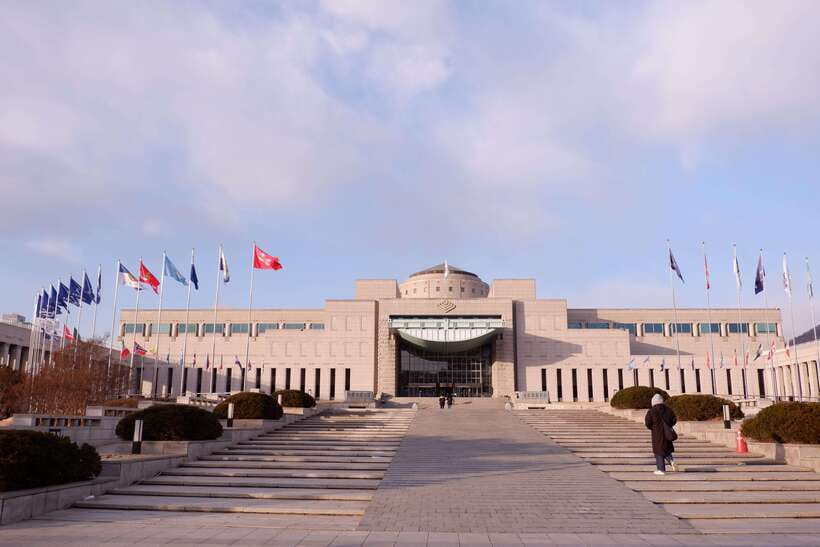
- War Memorial focus (including the 3rd-floor UN Memorial Cemetery) for a heavy but meaningful start to the afternoon.
- National Museum of Korean Contemporary History opened in 2012, giving you a guided thread from the late 19th century to today.
- Jogyesa Temple as a living site, not just a photo stop, tied to the Jogye order and modern Korean history.
- Tapgol Park’s Independence Movement connection (1919) near Insadong, plus a nod to the Squid Game Season 2 Bread and Lottery scene.
- The included lottery moment, a fun interactive bit that’s closer to theatre than a costume activity.
Steel, incense, and real context: the best part of this afternoon plan
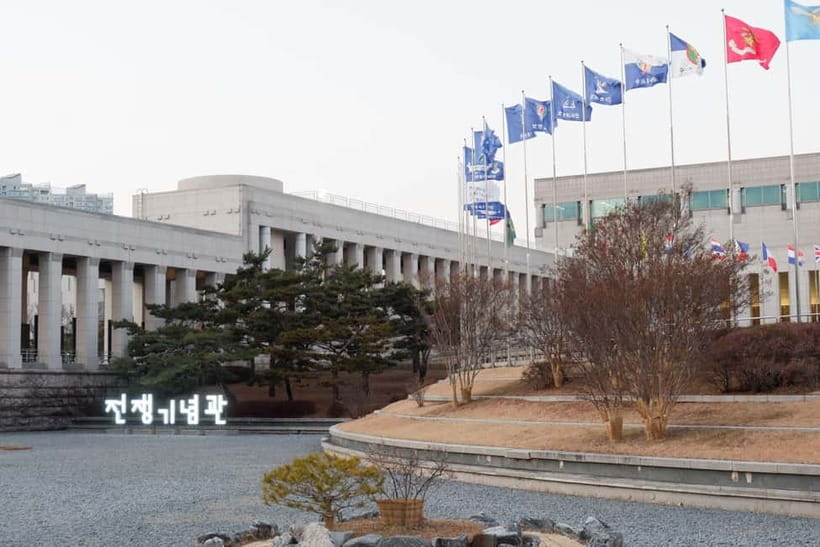
This tour works because it doesn’t treat Seoul like a checklist. You move from military remembrance to a museum that explains how Korea got to the present day, then you shift gears into Buddhism at Jogyesa Temple, and finish at Tapgol Park, a key point in Korea’s fight for independence.
I like that the day mixes head and heart. You’re not only seeing objects; you’re getting the why behind them. The War Memorial of Korea is set up to encourage learning from war (specifically the Korean War) and to reflect on preventing future conflict and reunification hopes. Then the National Museum of Korean Contemporary History picks up the broader story of modern Korea, stretching from the late 1800s to current times.
And because it’s an afternoon tour, it’s a smart way to get these themes without losing your whole day. After you’re dropped at Myeongdong Cathedral, you can keep going on your own, whether that means shopping streets or grabbing a late snack in Myeongdong.
You can also read our reviews of more tours and experiences in Seoul.

Where you start and how the route is designed
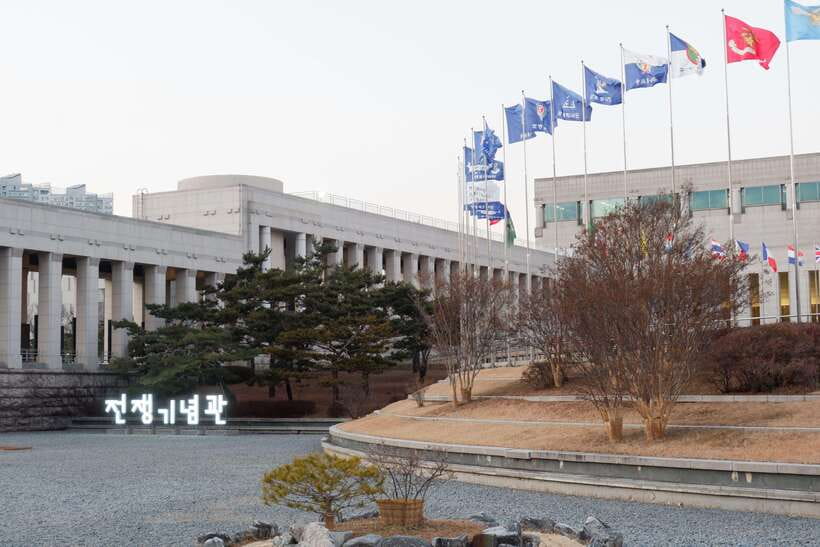
The designated departure point is the lobby of the Koreana Hotel’s office building. From there, you ride in an air-conditioned minivan with a professional local guide.
That “minivan + guide” format matters. Seoul traffic can mess with pacing if you’re moving on your own. Here, you get a planned route so you can spend your energy on the sites, not on route anxiety.
The afternoon route runs in this order:
1) The War Memorial of Korea
2) National Museum of Korean Contemporary History
3) Jogyesa Temple
4) Tapgol Park
Then you’re dropped off at Myeongdong Cathedral.
Rain or shine, the tour runs. So if the weather is wet, you’ll still hit each stop. Bring comfortable shoes and expect a moderate amount of walking through museum spaces and temple/park areas.
The War Memorial of Korea: why the 3rd-floor UN Memorial Cemetery matters
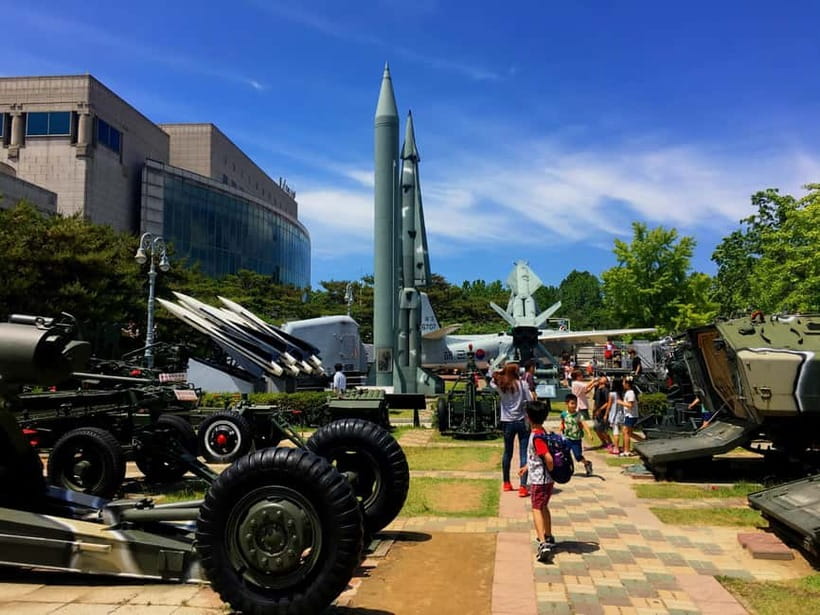
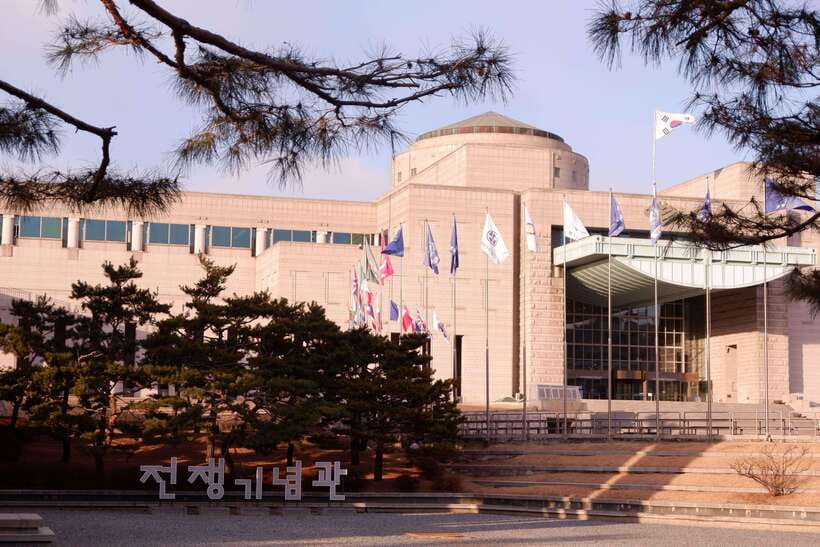
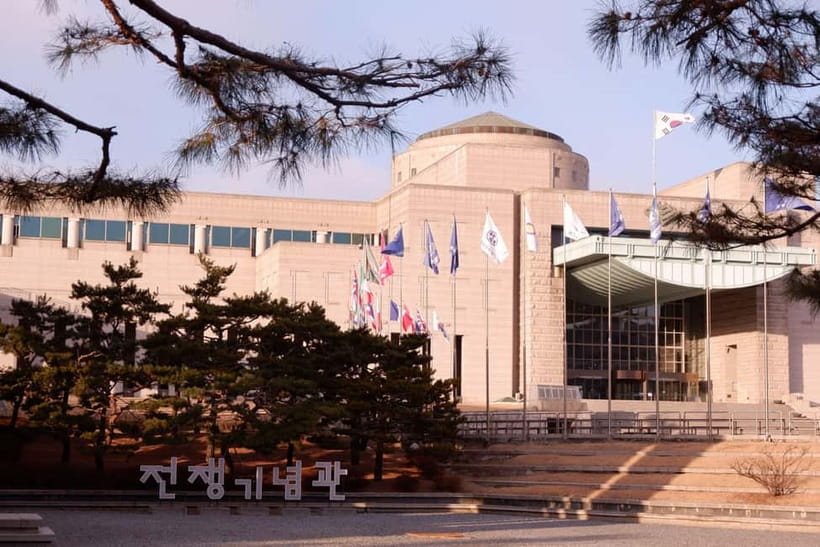
The War Memorial of Korea is established in 1994, and it’s designed to make you stop and think instead of just “look around.” One practical detail that helps: this tour focuses heavily on the 3rd-floor United Nations Memorial Cemetery within the larger museum.
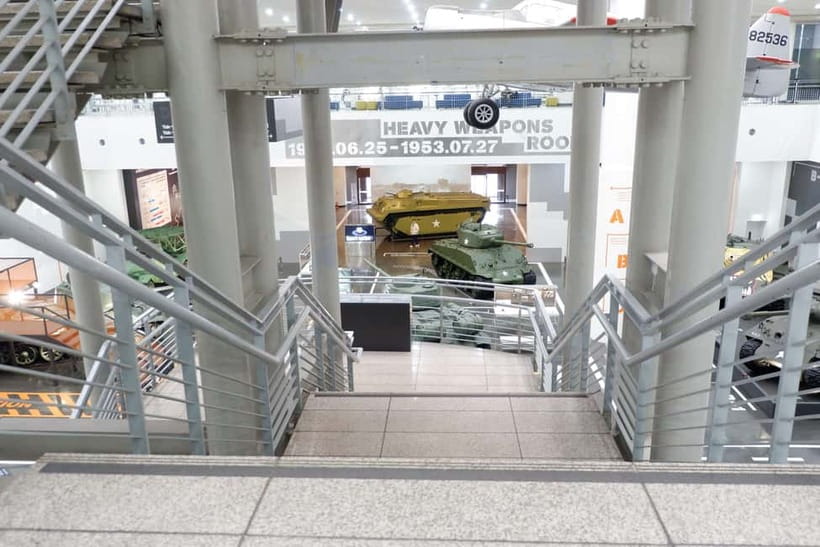
That change in perspective is the point. The displays include dramatic subjects like tanks and aircraft, but the UN memorial area shifts the tone toward people and remembrance. If you’re the type who likes your history with a human thread, this part is where the tour lands hardest.
You’ll also get guidance to help connect what you’re seeing to the museum’s goal: learning lessons from the Korean War to prevent war and keep hope alive for reunification of North and South Korea. Even if you’re not a “military museum person,” this structure gives you a way to understand why the collection exists.
One small consideration: because it’s a memorial-focused museum stop, it may feel emotionally heavy for some people. It’s not a party vibe, which is exactly why it can be worth doing early in your afternoon.
National Museum of Korean Contemporary History: the timeline you wish you had
After the War Memorial, the National Museum of Korean Contemporary History gives you a broader frame. This museum opened on December 26, 2012, and it’s organized into four permanent exhibition halls covering the period from the late 19th century to the present of South Korea.
For you, that structure is useful. Without a guide, it can be easy to wander and forget what you just saw. With the tour pacing, you get a guided explanation of the big lines—how modern Korea is shaped over time—so the rest of the sites make more sense.
This is also a good stop if you want context before you hit temple and independence-area history. Korea’s modern identity is tied to social change, political pressure, and rebuilding. When you learn the “how we got here,” the later stops don’t feel random—they feel connected.
Jogyesa Temple: a spiritual site that also carries modern memories
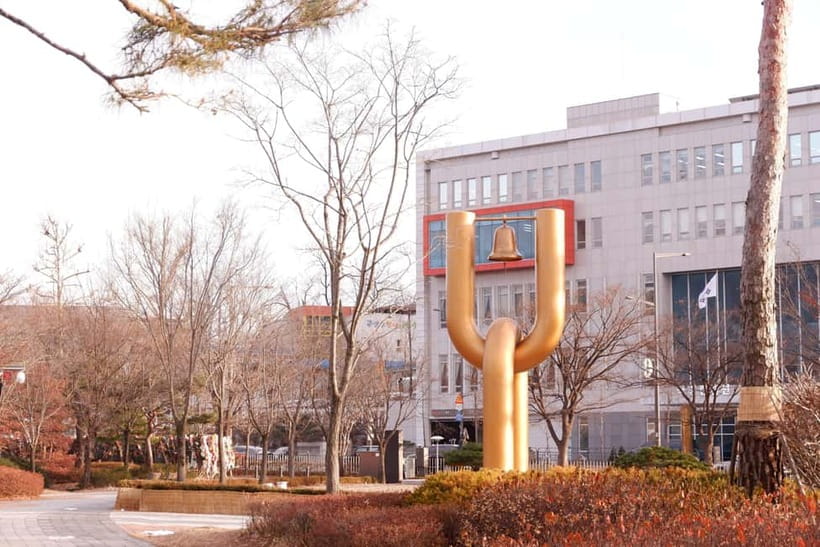
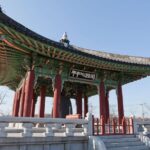
Jogyesa Temple is the chief temple of the Jogye order, which matters because it isn’t just any old temple photo stop. The tour highlights Jogyesa’s role in Korean Buddhism, including the idea of living together as a society and the spirit associated with Bodhisattva.
What you’ll notice is that a temple is both a place for worship and a real, working part of the city. This one is described as a historic site that has lived through Korea’s turbulent modern history. So when you’re there, you’re not only seeing Buddhist architecture and calm spaces—you’re stepping into a place that has endured.
I also think this stop is a strong “reset” after the museum. You get a shift from exhibits and timelines into atmosphere and practice. If your brain is a little overloaded by the history content, Jogyesa helps you breathe again.



Tapgol Park: independence movement history in the heart of Seoul
Tapgol Park sits at the center of Seoul near Insadong. It’s not far from the neighborhoods where you’ll likely be walking later anyway, which makes it a smart capstone.
The key historic hook here is 1919, when the March 1 Korean Independence Movement began at this location. That’s the kind of fact that turns a park into a meaningful stop. You’re standing somewhere connected to a major moment of resistance against Japanese rule.
And there’s a fun pop-culture connection too: Tapgol Park was briefly featured in Squid Game Season 2, episode 1, in the Bread and Lottery scene. The tour builds on that recognition with an included lottery activity, giving you a chance to interact with the concept rather than just watch it on a screen.
If you’re watching for photos, this is also a good place to get them without the pressure of a strict timed ceremony. It’s open-space friendly.
The included lottery moment: playful, not a theme-park gimmick
This tour includes a lottery. It’s specifically described as something you experience like a scene from Squid Game, so you should expect an interactive activity with tickets and a “game” structure.
Here’s how to think about it so you enjoy it: treat it as a playful storytelling tool, not as the main reason to book. The real value is the way it ties into Tapgol Park’s independence context and into the broader theme of how society and power can be staged, controlled, and challenged.
Also, keep your expectations grounded. Hanbok is not available on this tour, so it won’t turn into a full costume-and-photos experience. What you’ll get is the interactive element and the guide’s framing.
Price and value: what $42 really buys you
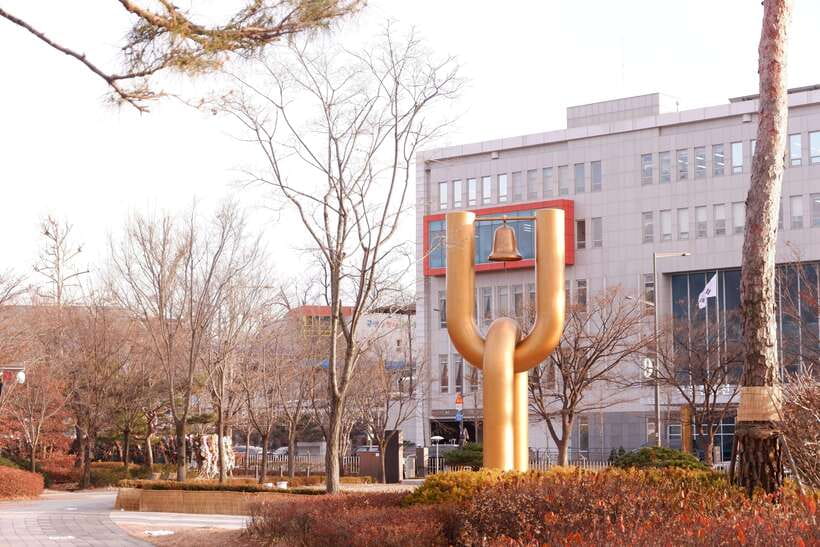
At $42 per person, this is priced for a half-day that includes a lot of essentials. The included items are: entrance fees, a professional guide, transport by air-conditioned minivan, and the lottery activity.
What’s not included: hotel pickup/drop-off and food and drinks.
So the value question is simple: are you getting enough guided sites to justify group-tour pacing? In my view, yes, because you’re visiting multiple major anchors in one afternoon:
- War Memorial of Korea (including the UN memorial focus)
- National Museum of Korean Contemporary History
- Jogyesa Temple
- Tapgol Park
- plus the included lottery activity
If you were to do these on your own, you’d spend time figuring out transit between them and you’d likely lose the “connect-the-dots” explanation that makes the history land. That’s what your guide brings.
One practical note: since there’s no food included, plan to eat before or after. The drop-off at Myeongdong Cathedral is convenient for filling in the gap, but don’t count on lunch being part of the schedule.
Guides make the difference: how the experience feels in practice
This tour leans on your guide’s delivery. The strongest pattern from past guide feedback is warmth plus pacing.
Guides like Dragon and Connie are described as friendly and easy to talk to, with stories that connect the sites to modern life. Orota and Jang are praised for putting energy into the day, including clear answers to questions. Leo shows up in feedback for punctuality and a good sense of pacing, even with an 80-year-old parent in the group. And Melvin and Guy are highlighted for kind, helpful guidance, along with an organized van experience.
A small hint for you: ask questions early. If your guide is the chatty type, you’ll get much more value out of the museum explanations once you set the tone with a couple of questions.
The practical stuff you should plan for
Comfortable shoes are a must. The walking is described as moderate, and it’s not suitable for wheelchair users.
Also keep it rule-simple:
- The tour takes place rain or shine.
- Alcohol and drugs are not allowed.
- Children must be accompanied by an adult.
- Unaccompanied minors are not allowed.
- Language is English.
If you’re coming from another neighborhood, you’ll want to get yourself to the Koreana Hotel lobby meeting area rather than expecting hotel pickup. That’s not a problem, just something to account for when you’re building the rest of your day.
Who should book this Seoul afternoon tour
You’ll likely love it if you want:
- a guided intro to modern Korea and how it connects to war remembrance and independence
- a balanced afternoon (museums plus a temple plus a park)
- a tour with an interactive activity that feels fun without being the whole point
I’d think twice if you:
- need step-free access (the tour isn’t suitable for wheelchair users)
- want zero-history, low-walking entertainment
- can’t handle emotionally heavy content in a war memorial setting
Should you book? My take
Book it if you want to use one afternoon to see multiple Seoul “meaning stops” with context, not guesswork. The War Memorial + contemporary history museum combo is especially strong because it gives you the big picture, then the later stops feel earned instead of random.
Skip or consider an alternative if you dislike memorial-heavy sites, need fully accessible routes, or you’re traveling with someone who can’t handle moderate walking.
If you go in with comfortable shoes and a curious mindset, you’ll leave with a better understanding of why Seoul can feel like steel, faith, and resilience all in one day.
FAQ
What is the meeting point for the Seoul afternoon tour?
The designated departure point is the lobby of the Koreana Hotel’s office building.
Where will the tour end?
The tour ends with a drop-off at Myeongdong Cathedral.
What does the tour include?
It includes entrance fees, a professional guide, transport by air-conditioned minivan, and a lottery activity.
Is hotel pickup or drop-off included?
Hotel pickup and drop-off are not included, except for the tour’s end drop-off at Myeongdong Cathedral.
Is food included?
No. Food and drinks are not included.
Is Hanbok available on this tour?
No. Hanbok is not available.
Will the tour run in bad weather?
Yes. The tour takes place rain or shine.
What language is the tour in?
The tour is in English.
Is the tour suitable for wheelchair users?
No. It is not suitable for wheelchair users.
Can I bring alcohol or drugs?
No. Alcohol and drugs are not allowed.
Are unaccompanied minors allowed?
No. Unaccompanied minors are not allowed. Children must be accompanied by an adult.
What is the cancellation window?
You can cancel up to 24 hours in advance for a full refund.