REVIEW · SEOUL
DMZ tour south Korea from Seoul (NK experience hall, defector)
Book on Viator →Operated by SEOUL CITY TOUR CO. LTD. · Bookable on Viator
The Korean DMZ isn’t just a map line. It is a living border story with sites like the Freedom Bridge and Dora Observatory.
I like two things most: the mix of Cold War landmarks and present-day context, and the way you get a human perspective via a North Korean defector session (plus an NK Experience Hall component tied to the tour theme). The guide details how these places fit together, so the day feels like one connected lesson, not random stops.
One consideration: access and what you can physically do can change with conditions, and the tunnel portion involves steep, narrow walking. Bring shoes you can trust and be ready for a longer, more physical segment than the photos suggest.
In This Review
- Key highlights worth prioritizing
- The DMZ facts that actually matter before you go
- Imjingak Park and the Freedom Bridge: where the war becomes physical
- DMZ Museum and Theater: the context you’ll be glad you got
- The 3rd Infiltration Tunnel: steep, narrow, and worth dressing for
- Dora Observatory and Kijongdong: binoculars, viewing, and a strange kind of clarity
- Dorasan Station and Unification Village: symbol rails and soybean reality
- How the defector Q&A (and NK Experience Hall) changes the tone
- Price and timing: what $26.04 buys you and what it doesn’t
- Logistics that can trip you up (so you can enjoy the day)
- Who should book this DMZ tour from Seoul?
- My honest booking advice: should you do it or skip it?
- FAQ
- FAQ
- How long is the DMZ tour from Seoul?
- What sites does the tour include?
- Is the Dora Observatory view helped by binoculars?
- Do I need a passport?
- Is the tour physically demanding?
- Are admission fees included?
- Does the tour include food?
- How many people are on the tour?
- What if military conditions force changes to the itinerary?
- What’s the cancellation policy?
- Is pickup available everywhere in the Seoul area?
Key highlights worth prioritizing
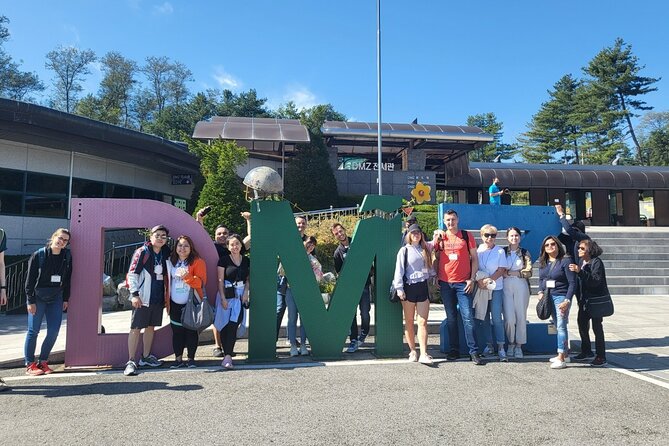
- Freedom Bridge and the POW exchange: a concrete moment in the DMZ story where nearly 13,000 POWs crossed at the end of the war
- 3rd Infiltration Tunnel walk: moderate but real effort through a steep, tight route
- Dora Observatory with binoculars: you’ll look directly toward North Korea and hear how people interpret what you see
- DMZ Museum + Theater & Exhibition Hall: staged context so you understand what you’re seeing before you arrive
- Defector live chat/Q&A: a rare inside viewpoint that shifts the tone from history to lived reality
- Half-day vs full-day options: extra suspension bridge stops if you’ve got time
The DMZ facts that actually matter before you go
The Demilitarized Zone is a 2.5-mile (4 km) wide strip of land that separates North and South Korea, created after the Korean War in 1953. From Seoul, it is about an hour north by coach, which makes this one of those rare day trips where the world feels suddenly close and very specific.
What makes the DMZ worth your time is not just fear or politics. It’s the contrast between what you can see from controlled viewpoints and what the people living nearby must plan around every day—watching, guarding, waiting, and adapting. This tour keeps you moving through the major sites in a logical order, so you build meaning as the day progresses.
I also appreciate the emphasis on interpretation. At places like Dora Observatory, you do not just stare; you’re given a framework for what you are likely looking at. And the defector session (plus the NK Experience Hall theme) adds the missing piece: how border rules and propaganda translate into daily life.
Finally, remember that the DMZ is not an amusement park. The tour sets the pace for respect. You’ll be close to military history and symbolism, and that changes how you experience the sights.
You can also read our reviews of more tours and experiences in Seoul.

Imjingak Park and the Freedom Bridge: where the war becomes physical
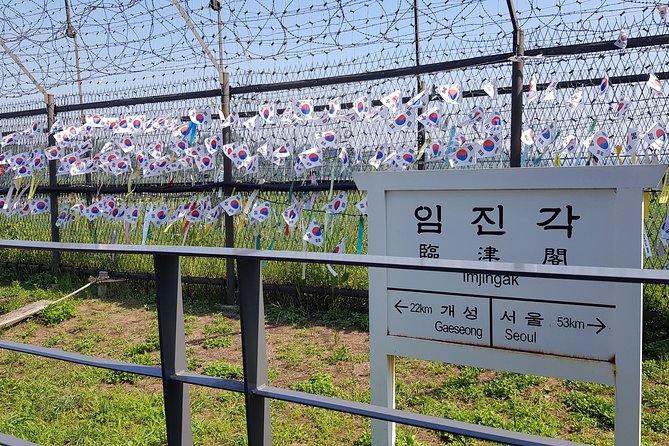
Your day usually starts with hotel pickup in central Seoul, then you transfer north to the DMZ region. Expect a morning or afternoon half-day format (and a full-day upgrade if you choose it). Either way, the early stops matter because they give you the emotional tone.
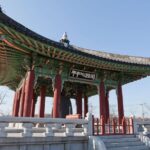
Imjingak Park is often the first reality check. Along the Imjin River, you see artillery and war artifacts tied to the Korean conflict. It’s the kind of place where your brain connects dates and headlines to objects you can point at.
Then comes the Freedom Bridge. This is one of the most historically grounded stops on the route. The guide explains that nearly 13,000 Korean POWs crossed there at the end of the war. That number turns the bridge from a structure into a checkpoint with a purpose—where people passed from one side to the other after years of separation.
A practical note: these stops are not built for casual strolling. Even if the day isn’t long, you’ll be outdoors enough that comfort matters. Bring a layer you can handle if the weather flips.
DMZ Museum and Theater: the context you’ll be glad you got
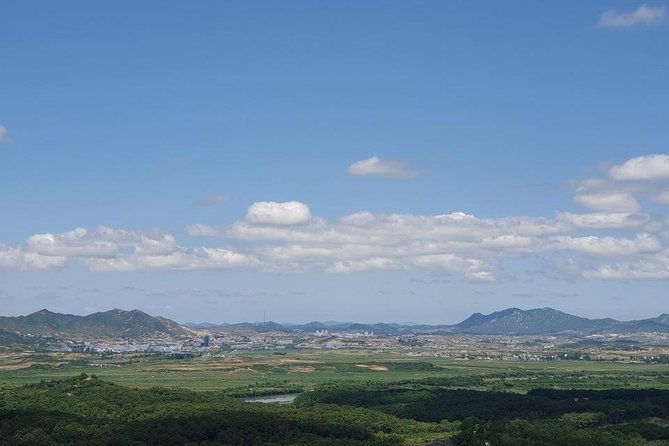
Before the more dramatic viewing points, you’ll spend time at DMZ Museum areas and a DMZ Theater & Exhibition Hall. This is the part that helps you avoid the usual mistake: seeing big sights without understanding what makes them significant.
At the DMZ Museum and related exhibition spaces, you’ll get artifacts and photographs connected to the Korean War. The tour is set up so this historical material doesn’t sit in the background. It feeds directly into what you’ll learn at the tunnel and observation points later.
If you like your sightseeing with explanations you can use immediately, this section is where the tour earns its value. You don’t want to walk into Dora Observatory guessing what the guide will say next. Here, you get the scaffolding first.
One more detail: the tour uses short time blocks per site, not long wandering. That keeps things efficient and helps you see most of the important stops even if conditions limit one segment.
The 3rd Infiltration Tunnel: steep, narrow, and worth dressing for
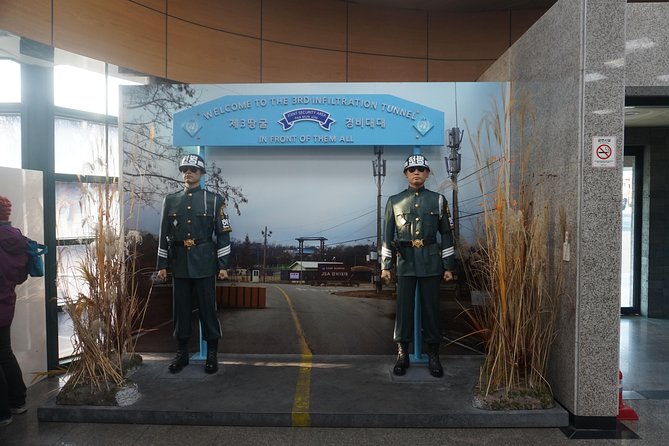
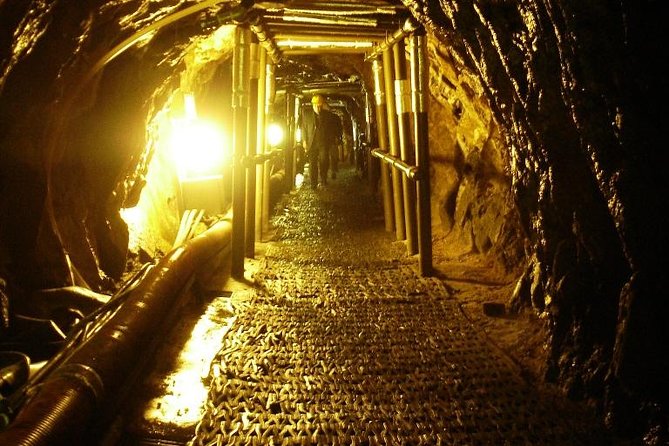
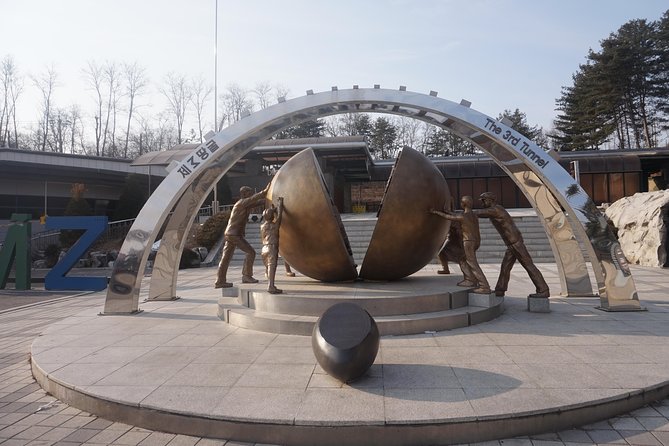
The 3rd Infiltration Tunnel is the kind of stop that makes you feel gravity. It’s located beneath the border area, and it is tied to North Korea’s military planning. The tour explains that it was believed to have been built for an invasion and discovered in 1978. South Korea blocked the actual military demarcation line at the border, and you see how that worked on-site.
Important for your body: the tour mentions a moderate amount of walking through a steep and narrow tunnel. Comfortable clothes and shoes are recommended, and one review tip is to leave coats in a locker because the route back can feel steeper and it gets hot.
So here’s the reality plan:
- Wear closed-toe shoes with solid grip.
- Skip slick soles and anything you can’t move in.
- If you get warm easily, dress lighter than you think you need.
- Bring a small bag only if the lockers and rules let you.
The tunnel itself is not just a photo stop. It is closer to experiencing the motion and effort people faced. You’ll walk through a restricted space, slow down naturally when it narrows, and think about scale in a way a museum alone can’t do.
Dora Observatory and Kijongdong: binoculars, viewing, and a strange kind of clarity

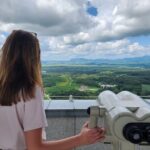
After the tunnel, the tone shifts again. You head to Dora Observatory, where you can use provided binoculars to scope out North Korea. If it’s a clear day, this part can feel especially sharp.
The guide explains daily life in a North Korean model village called Kijongdong across the river. That detail matters because it’s not just a visual line-of-sight. It’s a narrative about what the border area is supposed to represent.
This is also where the tour’s structure helps you. By the time you reach Dora, you’ve already handled war artifacts, seen the exhibition context, and walked through the tunnel. Now your brain starts asking better questions: What does a model village mean? What do people learn to expect? How does distance turn into policy?
One more practical note: expect photos and lots of looking. You’re on a schedule, so pay attention when the guide says where to focus your binoculars and how to interpret the view. The tour doesn’t waste time, and neither should you.


Dorasan Station and Unification Village: symbol rails and soybean reality
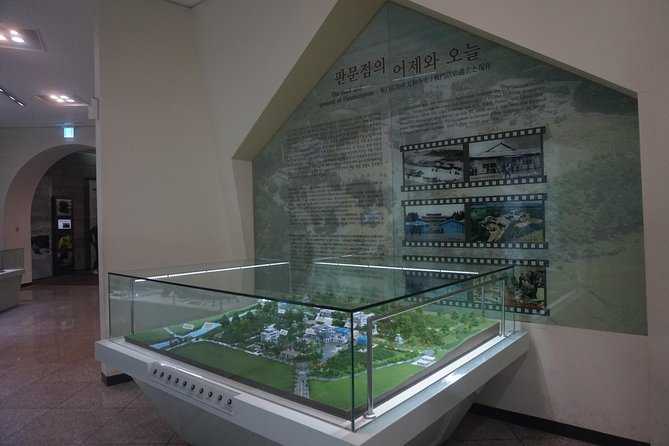
The day often finishes the main DMZ sightseeing with Dorasan Station and Unification Village-style stops. These are loaded with symbolism, but the guide keeps them grounded.
Dorasan Station is described as a train station that once connected North and South Korea and now carries symbolic significance. Even if trains aren’t running across the border, the station represents the idea that the connection once existed and could return.
Next comes Unification Village, a small farming community that models daily life in a typical South Korean farm community. The tour highlights what that daily life includes, such as products tied to soybeans—like soybean milk and traditional soy sauce—and other corn goods.
This is a subtle shift: after heavy military landmarks, you’re shown the rhythm of agriculture. It’s not a fantasy pitch. It’s a reminder that border politics still land on lunch tables, work schedules, and seasons.
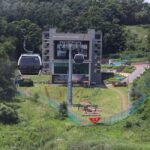
Depending on whether you choose a half-day or full-day option, you may also add suspension bridge stops such as the Red Suspension Bridge at Gamaksan Chulleong Bridge and/or visits linked to Majang Lake and its suspension bridge. The goal there is scenic variety plus extra time for the guide to keep the story moving.
How the defector Q&A (and NK Experience Hall) changes the tone
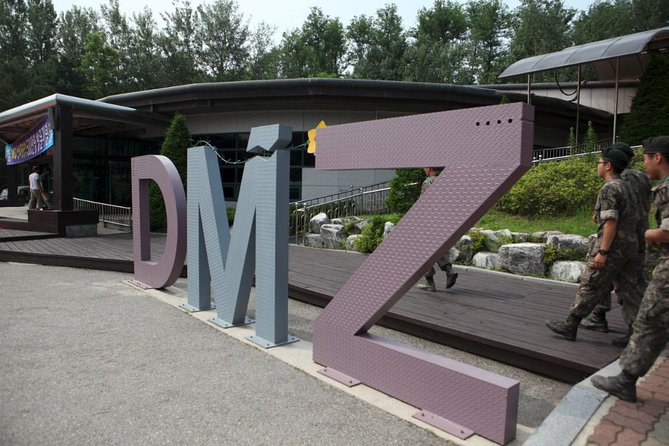
The most praised part in the info you provided is the session connected to a North Korean defector. Many people treat it as the emotional centerpiece because it turns the DMZ from a political geography lesson into something more personal.
A live chat or Q&A format gives you direct access to lived perspective: how it feels to leave, what differences people notice day to day, and what the border does to families and expectations. You still get the structure of a tour, but the defector segment adds the kind of detail you can’t get from exhibits.
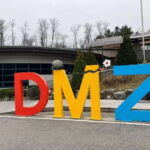
The tour theme also mentions an NK Experience Hall, which suggests you’ll see a themed presentation designed to help you understand North Korea in a more immediate way. I would treat that component as tone-setting. It helps you ask better questions during the defector session, and it makes the later sites feel less abstract.
This combination is why the tour can feel both somber and motivating. You see the mechanics of the border, and then you hear what those mechanics mean for a person’s memory and choices.
Price and timing: what $26.04 buys you and what it doesn’t
At about $26.04 per person for a tour that runs around 7 hours (depending on half-day vs full-day choices), you’re paying for more than bus seats. The price includes a guide, transport by air-conditioned coach, and admission fees. That admission coverage matters because DMZ-area sites often have multiple small fees that add up fast.
What is not included is also clear:
- Breakfast
- Lunch
- Tram
- Hotel pick up/drop off is listed as not included in one place, even though the tour description and itinerary mention pickup timing from central Seoul—so you should confirm how your group is handled.
If you’re on a tight schedule in Seoul, this is one of the better deals because it packs several major DMZ checkpoints into one day. You don’t have to coordinate a separate driver or stitch together tickets for each site. You also get the guide’s linking story, which is where the value often lives.
Plan food like an adult with a day-trip mindset: bring a snack and water. The day moves, and lunch isn’t covered.
Logistics that can trip you up (so you can enjoy the day)
A few things affect your experience more than you might expect:
Passport matters. A current valid passport is required on the day of travel, and you do not need to send a copy in advance.
Rules can change. The tour notes that if part of the itinerary is cancelled due to unexpected military conditions or local circumstances, there will be no refund. In other words, build flexibility into your day and your expectations.
Walking and heat are real. The tunnel stop involves a steep and narrow walk, and one practical tip is to use the locker for coats on the descent because the return can feel hot and steep.
Dora Observatory is weather-dependent. On a clear day you can spot more, and you’ll spend time using binoculars. If clouds roll in, you still get the educational component, but your visual wow-factor may be lower.
Pickup versus City Hall meeting point. The tour lists City Hall as the start and end point, and it also references hotel pickup timing. Treat it as a confirm-with-the-operator situation so you don’t end up waiting in the wrong spot. Incheon pickup is not available.
Who should book this DMZ tour from Seoul?
This tour is a strong match if:
- You want DMZ highlights in one organized day without doing a complicated DIY plan.
- You care about both history and today’s reality, not just a list of landmarks.
- You’re interested in hearing perspective from someone who has lived through North Korea’s system via a defector Q&A.
- You like guided context at museums and observation points.
It may be less ideal if you want a relaxed, mostly scenic outing. There is walking, there is a tunnel, and the subject matter stays serious. Also, full-day options add more stops, so choose based on your stamina.
My honest booking advice: should you do it or skip it?
If you can handle steep walking and you want a DMZ day that connects Cold War sites to real human perspective, I think this is a smart book.
The deal is especially strong when you value the combination: tunnel + Dora Observatory + museum context + defector Q&A. A DMZ tour can be purely historical and still feel distant. This one has a built-in reality check that changes how the day lands in your head.
If you’re deciding between half-day and full-day, go full-day only if you want the extra bridge time. Otherwise, half-day can still hit the core sites with less fatigue.
FAQ
FAQ
How long is the DMZ tour from Seoul?
The tour is listed at about 7 hours (approx.), with options for a half-day format and an optional full-day upgrade.
What sites does the tour include?
Key stops include Imjingak Park, the Freedom Bridge, the 3rd Infiltration Tunnel, the DMZ Museum / exhibition areas, Dora Observatory, Unification Village (Tongilchon-gil), and Dorasan Station. Depending on the option you choose, you may also visit suspension bridges such as Gamaksan Chulleong Bridge and/or Majang Lake.
Is the Dora Observatory view helped by binoculars?
Yes. Binoculars are provided so you can scope out North Korea from Dora Observatory.
Do I need a passport?
Yes. A current valid passport is required on the day of travel. You do not need to send a copy.
Is the tour physically demanding?
There is moderate walking, including a steep and narrow tunnel. Comfortable clothes and shoes are recommended.
Are admission fees included?
Yes. Admission fees are included as part of the tour.
Does the tour include food?
No. Breakfast and lunch are not included.
How many people are on the tour?
The tour has a maximum of 40 travelers.
What if military conditions force changes to the itinerary?
If part of the itinerary is cancelled due to unexpected military conditions or local circumstances, there will be no refund.
What’s the cancellation policy?
Free cancellation is available up to 24 hours in advance for a full refund.
Is pickup available everywhere in the Seoul area?
Pickup is for central Seoul hotels, but Incheon is not available for pick up. City Hall is also listed as the meeting point. Confirm the exact pickup arrangement for your day.