REVIEW · SEOUL
Best DMZ Tour Korea from Seoul (Red Suspension Bridge Optional)
Book on Viator →Operated by VIP TRAVEL Co.Ltd · Bookable on Viator
DMZ feels close enough to be real. I like this tour because it strings together the emotional sites and the high-control viewpoints in one smooth day with round-trip pickup from central Seoul.
I also love the value details: free museum admissions and an approach that avoids the typical forced-shopping vibe. In particular, guides such as Ray, Emily, Crystal, and Lina are repeatedly praised for making the Korean War feel clear, not confusing.
One consideration: you’ll need a passport (or an acceptable alternative like a Military ID/ARC card), and the timing can change due to military issues in the DMZ area.
In This Review
- Key highlights worth clocking before you go
- DMZ Tour From Seoul in One Half-Day Block
- Pickup, Mobile Ticket, and the Logistics That Actually Matter
- DMZ Theater and Exhibition Hall: Getting the South Korean View First
- Imjingak Pyeonghwa-Nuri Park and the Iron Horse Symbol
- Third Tunnel of Aggression: A Physical Portion With Big Explanations
- Bridge of Freedom: Counting 12,773 POWs
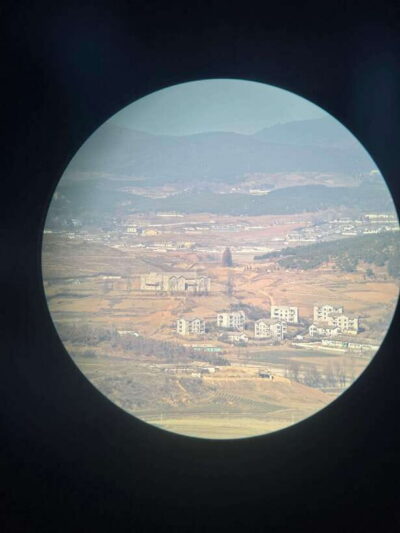
- Dora Observatory Binoculars Toward Kaesong and Kijong-dong
- Optional Gamaksan Red Suspension Bridge for the Wobbly Side Quest
- Optional Majang Lake Bridge and JSA Museum: Choose Your Own Intensity
- When the Military Changes Timing: Keep Your Day Flexible
- Price and Value: Why $29.75 Can Be a Smart Deal
- Who This Tour Suits Best (and Who Should Think Twice)
- Should You Book This DMZ Tour?
- FAQ
- Do I need a passport for the DMZ tour?
- How long is the tour from Seoul?
- Is pickup from my hotel included?
- Does the tour include lunch?
- Are the Red Suspension Bridge and Majang Lake Bridge included?
- Is the JSA Museum included?
- What languages are the guides available in?
- What happens if the DMZ schedule changes?
Key highlights worth clocking before you go
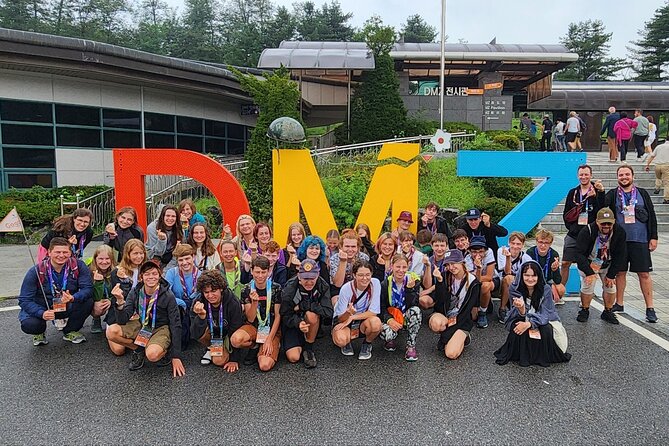
- Imjingak Pyeonghwa-Nuri Park sets the emotional tone before you start looking north
- Bridge of Freedom remembers 12,773 POWs who crossed the Imjin River in 1953
- Third Tunnel of Aggression is physically demanding and only makes sense with the guide’s context
- Dora Observatory binoculars help you spot North Korea’s propaganda village and see toward Kaesong
- Optional Gamaksan Red Suspension Bridge adds a wobbly, memorable detour if you choose it
- Optional Majang Lake bridge and JSA museum let you tailor the day beyond the core DMZ sites
DMZ Tour From Seoul in One Half-Day Block
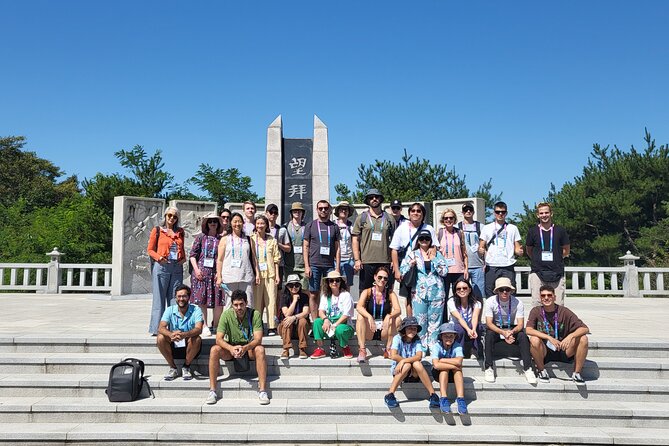
This is a 7.5-hour-style DMZ tour from Seoul that focuses on the major, classic sites in the Demilitarized Zone region without turning your day into a shopping errand. The pacing is built for a half-day feel: you get multiple stops, but you’re not stuck for hours at a single viewpoint.
The big win for me is how the tour mixes meaning and mechanics. You start with places that explain the human cost of division, then you move toward the observation-heavy sites where you can actually look across the border.
Also, this is a group day with a maximum size of 200, so it’s not a private fantasy trip. Still, the schedule is designed to keep you moving through the most important areas while your guide ties everything together.
You can also read our reviews of more tours and experiences in Seoul.

Pickup, Mobile Ticket, and the Logistics That Actually Matter
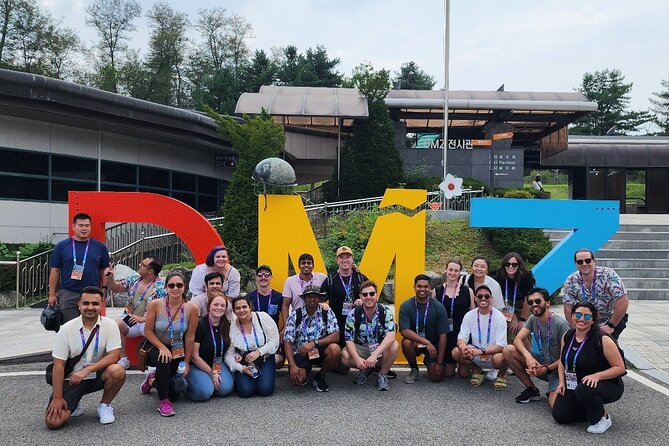
Round-trip transportation is part of what makes a DMZ day workable. Pickup is offered either from a main subway station near your hotel or from a downtown hotel meeting point, and you’ll use a mobile ticket on the day.
If you’re trying to plan around Seoul time, build in extra buffer. The DMZ tour time can change due to military issues in the area, so your schedule might shift slightly even if you book a fixed departure.
Another small practical point: lunch isn’t included, and the tour lists hotel drop-off as not included. That usually means you’ll be back in Seoul with evening time for dinner, but you should plan where you’ll go next based on your pickup location.
DMZ Theater and Exhibition Hall: Getting the South Korean View First
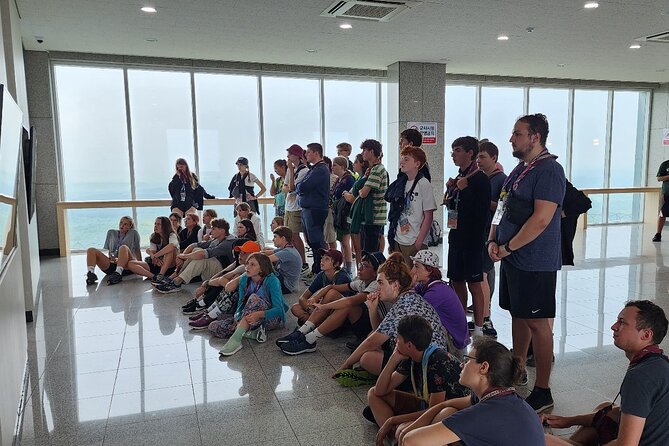
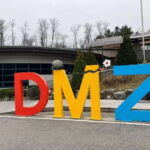
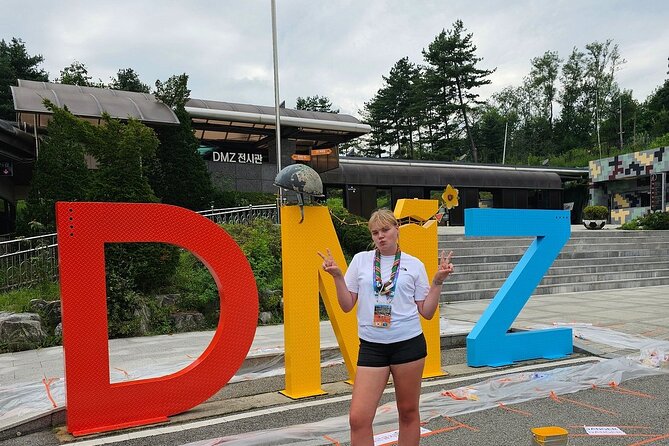
The day starts with the DMZ portion that gives you the framing most people miss when they go straight to photos. You’ll visit the DMZ Theater and DMZ Exhibition Hall for a South Korea perspective on the Korean War and the wider context of the peninsula’s division.
Why this matters: without that explanation, Dora Observatory and the tunnel can turn into just “cool sights.” With the intro, you’re more likely to notice what you’re looking at and why it’s there.
The guide commentary is a big part of making this portion land. The experience is built around someone walking you through what each stop represents, not just reading signs and moving on.
Imjingak Pyeonghwa-Nuri Park and the Iron Horse Symbol
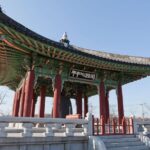
Before you head deeper into border territory, you pause at Imjingak Pyeonghwa-Nuri Park, a place meant to console Korean War refugees. This stop works like a rewind button: it reminds you that the DMZ isn’t only strategy, it’s also families, separation, and the long after-effects of war.
You’ll also see the Iron Horse train, a symbol of the severed railway between North and South Korea. It’s a simple visual, but it hits because it shows the physical version of division—systems cut off, routes interrupted.
This is also one of the most calming segments of the day. Even though the rest of the tour turns more rigid and controlled, this park helps you process what the border means before you look across it.
Third Tunnel of Aggression: A Physical Portion With Big Explanations
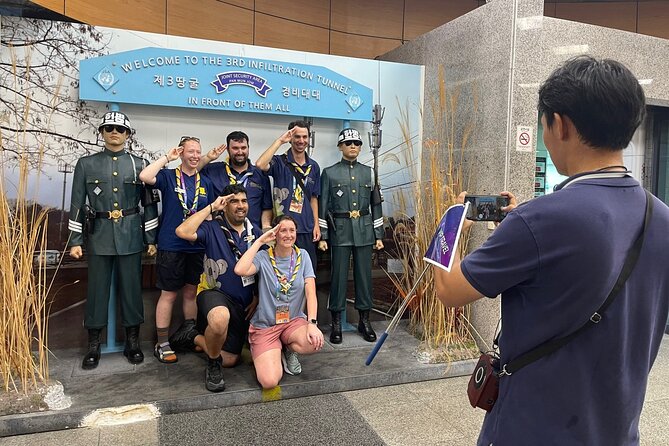
The Third Tunnel of Aggression is one of the reasons people book this tour. It was discovered in 1978, and the stop is described as being about 12 kilometers from Munsan and roughly 52 kilometers from Seoul.
Expect it to be more physically demanding than the open-air sites. The tour provides time inside, and you’ll walk through the tunnel with your guide explaining the infiltration purpose—so you understand why this “hole in the ground” is such a huge deal.
If you’re sensitive to enclosed spaces, plan carefully. The tunnel portion is reported as a real workout, and the pacing can feel tougher than the other stops simply because of the terrain and the confined environment.
This is also where a good guide makes or breaks the day. In the feedback, people highlight guides like Ray and Lina for turning the technical story into something you can actually picture.


Bridge of Freedom: Counting 12,773 POWs
Then you move to the Bridge of Freedom, a stop loaded with emotion. The tour explains that it was used by 12,773 prisoners of war to cross the Imjin River and return home to South Korea in 1953.
Why the bridge matters: it’s not just a photo spot. It’s a physical reminder of movement—who could cross, who couldn’t, and what “freedom” meant at the end of a specific moment in history.
The stop is short (about 20 minutes listed), so bring your camera but don’t rush your head. This is the kind of place where you’ll get more out of it by slowing your thinking, not just stacking pictures.
Dora Observatory Binoculars Toward Kaesong and Kijong-dong
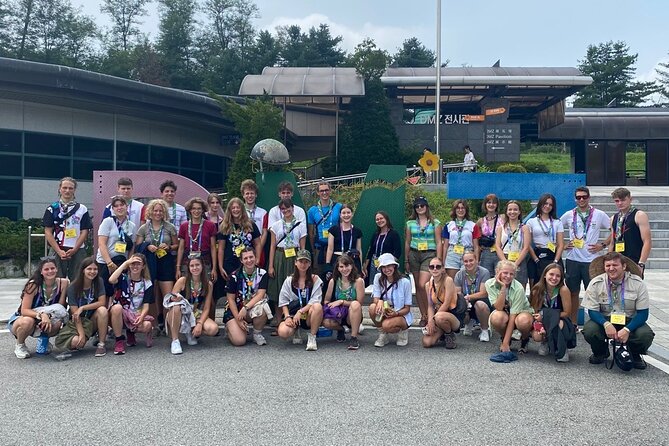
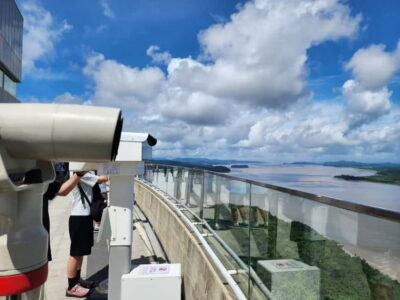
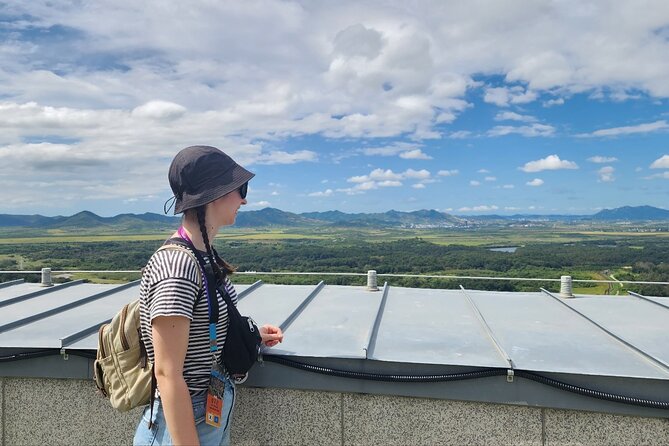
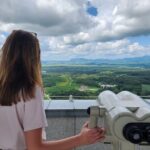
Dora Observatory is the pay-off for the “look north” part of your day. The tour says it was rebuilt in 2018 for clear views, and you’ll use high-powered binoculars from the third floor.
You’re looking toward key references: the propaganda village of Kijong-dong and Kaesong City in the distance. Even if you can’t identify everything perfectly (at long range, that’s normal), the binocular experience helps you feel how precise observation is in this border world.
This stop also tends to leave people with a surreal mix of emotions: you’re watching a divided reality from a controlled vantage point. Guides are often praised here for explaining what you’re seeing and what it represents politically and culturally.
Plan for weather. Observatory days can feel colder or harsher than central Seoul depending on the season, so bring a layer even if Seoul is mild when you leave.
Optional Gamaksan Red Suspension Bridge for the Wobbly Side Quest
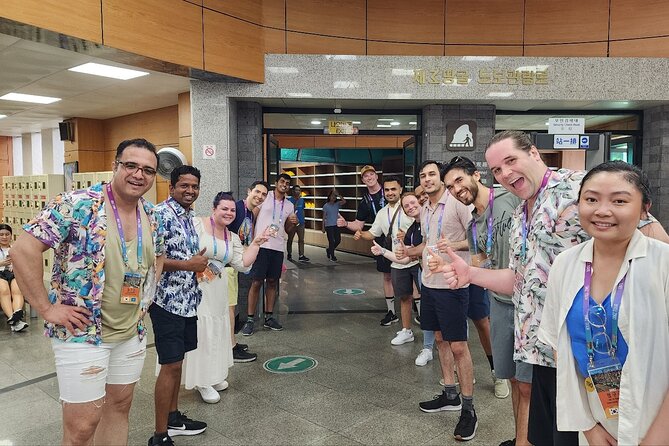
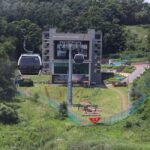
If you want one more memorable detour after the DMZ core sights, the Gamaksan Chulleong Bridge (Gamaksan Red Suspension Bridge) is the optional add-on. It’s described as South Korea’s wobbliest towerless suspension bridge and is also known as the Gloucester Heroes Bridge.
This is a meaningful contrast in the middle of a heavy day. After tunnels and war reminders, the bridge gives you something lighter—movement, height, and that fun fear factor that’s hard to get from museums.
If you’re going with the optional bridge, remember it’s still part of a long day. Choose this only if you’re comfortable with steps, time outside, and the idea that the day won’t be entirely quiet and contemplative.
Optional Majang Lake Bridge and JSA Museum: Choose Your Own Intensity
There are other optional add-ons depending on what you select during booking.
Majang Lake Suspension Bridge is listed as spanning 220 meters across the Majang Reservoir in Paju. It’s an easy “yes” if you want a big view moment and a break from strictly historical stops.
You can also add the Tongilchon-gil stop, with the JSA Museum at the DMZ included as an option. The tour data notes that this museum brings the story of Panmunjom and inter-Korean relations to life through exhibits.
Finally, strawberry picking is listed as another optional add-on. That’s the kind of thing that turns a border-history tour into a more hands-on day, but only if it aligns with what you want.
When the Military Changes Timing: Keep Your Day Flexible
This is the part I want you to respect most: your actual schedule may shift. The tour time can change due to military issues in the DMZ area, and that’s not something you can fully control.
So how do you handle it like a pro?
- Keep your evening plans flexible on the day of your tour.
- Avoid booking something tight right after you return to Seoul.
- If you’re traveling in winter or shoulder season, dress as if you might wait outside longer than you expected.
It’s one reason the best mindset is calm. The DMZ is real-world controlled space, not a theme park with guaranteed timing.
Price and Value: Why $29.75 Can Be a Smart Deal
The price shown is $29.75 per person, and the tour comes with several built-in value pieces. You get a professional guide (English or Chinese), hotel pickup from central points, and admission to the museums included on the route.
You’re also paying for the hard part: getting to these locations from Seoul with round-trip transportation and narration that explains what you’re seeing. DMZ tours are often expensive for the logistics alone, so a lower price makes sense only if you’re comfortable with a group format and you understand what’s optional.
What’s not included is equally important:
- Lunch is not included.
- Hotel drop-off is not included.
- The base DMZ-only option may not include the optional bridges, the JSA museum, or strawberry picking.
So if you want the full “big day” effect, select the add-ons that match your energy. If you’re aiming for strict DMZ highlights only, the core experience still works well.
Who This Tour Suits Best (and Who Should Think Twice)
This tour is a strong fit if you want:
- A guided DMZ day with context, not just sightseeing
- A structured route that hits major landmarks (Imjingak, Bridge of Freedom, Third Tunnel, Dora Observatory)
- Museum admissions included in the day
- Central pickup options that reduce Seoul hassle
It may be less ideal if:
- You’re unwilling to do a physically demanding tunnel portion
- You’re strict about needing exact timing down to the minute (the DMZ schedule can change)
- You don’t have the required ID documents (a passport is needed, with specific alternatives accepted)
If you’re traveling alone, it can still be rewarding because the guide commentary helps you follow the story. If you’re traveling with kids, it can work when everyone is ready for a long day that’s more serious than playful.
Should You Book This DMZ Tour?
If you’re visiting Seoul and you want a structured, low-drama DMZ experience, I’d lean yes. This tour concentrates on the major sites and adds the kind of explanation that makes the day feel meaningful instead of random.
Book it if you appreciate history with real-world context, and you’re okay with a long half-day, cold weather potential, and a tunnel visit that’s more active than it looks.
Skip or rethink if you hate enclosed spaces, can’t handle schedule changes, or you’re counting on lunch and hotel drop-off being included.
If you want the DMZ without the stress—and with the option to add the Red Suspension Bridge or other stops—this one is an efficient choice.
FAQ
Do I need a passport for the DMZ tour?
Yes. A passport is needed on the tour day. A Military ID Card or an ARC Card can be used instead of a passport.
How long is the tour from Seoul?
The duration is about 7 hours 30 minutes.
Is pickup from my hotel included?
Hotel pickup is offered. Pickup points are either a main subway station near your hotel or a hotel in the downtown area.
Does the tour include lunch?
No. Lunch is not included.
Are the Red Suspension Bridge and Majang Lake Bridge included?
They’re optional add-ons. You can select Gamaksan Red Suspension Bridge and Majang Lake Bridge during checkout. If you choose only the DMZ tour option, these optional stops are not included.
Is the JSA Museum included?
It’s optional. The Tongilchon-gil stop with the JSA Museum at the DMZ is included only if selected during checkout.
What languages are the guides available in?
The tour includes a professional guide in English or Chinese.
What happens if the DMZ schedule changes?
The tour time can change due to military issues in the DMZ area.