REVIEW · SEOUL
DMZ Guided Tour with Suspension Bridge / Gondola from Seoul
Book on Viator →Operated by Korea Time Tour · Bookable on Viator
A DMZ day trip feels like stepping into real history. You get an organized visit to the buffer zone, with stops like the Third Tunnel and Dora Observatory, where you can sometimes look toward North Korea when the sky behaves. It’s also the kind of tour where the guide matters, and guides such as Patrick, Roy, Ki, Andrew, and April often set the tone with clear English and sharp storytelling.
Two things I like a lot: the no-stress transport plan. You ride in an air-conditioned vehicle with round-trip transfers, so you’re not wrestling Seoul logistics all day. Second, you get a full “storyline” of the Korean peninsula, moving from the DMZ area itself to the tunnels and observatories instead of doing one quick viewpoint and calling it a day.
One drawback to keep in mind: the day is built on tight time slots and walking. The tunnel portion needs effort (and some health limits), and fog can ruin the North Korea viewing hopes at Dora Observatory.
In This Review
- Key Highlights You’ll Care About
- Value and Price: What $35 Actually Buys You
- Getting There: Air-Conditioned Comfort Plus Ticket-Driven Timing
- Stop 1 at the DMZ: The 248 km Buffer You Can Walk Through (Visually)
- Third Tunnel: The Highlight With Real Effort and Real Limits
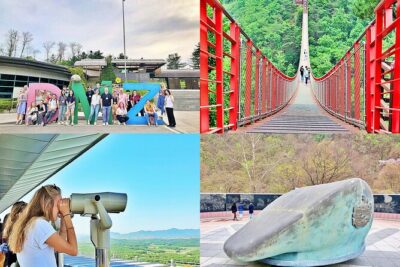
- Dora Observatory and Dorasan Station: When the Sky Clears
- Gamaksan Chulleong Bridge or Gondola: Choose Your Best Views
- Suspension bridge option
- Gondola option
- Monday Swap: Tunnel 2, Peace Observatory, Woljeongri, and Suspension Bridge
- How to Pace the Day: Shoes, Snacks, and Being Ready to Move
- Who This Tour Fits Best (And Who Should Think Twice)
- Cancellation and Weather Reality: Plan Around the Uncontrollable
- Should You Book This DMZ Tour?
- FAQ
- How long is the DMZ guided tour?
- How much does the tour cost?
- Is transportation included?
- What are the main sites you visit?
- Do I always get to see North Korea from Dora Observatory?
- Which tunnel do you visit on Mondays?
- What about Tuesdays to Sundays?
- Is the gondola included?
- Is lunch included?
- Are there health limits for the tunnel visits?
- What happens if the tour is canceled?
Key Highlights You’ll Care About
- DMZ + major Cold War sites in one long day without you planning stops or ticket timing
- Third Tunnel or Second Tunnel depending on the day (Mondays swap in Tunnel 2)
- Dora Observatory viewing depends on visibility, so clear weather really matters
- Gamaksan suspension bridge or gondola are optional add-ons, with photo-friendly views near the DMZ
- Strict entry times make punctual arrival important at pickup and mid-day meetings
- Guides by name matter, and Patrick, Roy, Ki, Andrew, and April show up in guest feedback for a reason
Value and Price: What $35 Actually Buys You
At $35 per person, this tour is priced like a bargain for what you’re getting. The fare includes round-trip transfers from Seoul, an air-conditioned vehicle, an English-speaking tour guide/driver, and admission to the key sites you’ll visit. It also includes cable car (gondola) ticket and/or access to the suspension bridge depending on your chosen option, plus entry where required.
What’s not included is also clear, and you should plan around it. Meals and beverages are on you, and the gondola vs suspension bridge is optional based on how you book. The monorail isn’t part of the route either, so don’t build your mental map around rail-based views.
For value, this is mostly about how efficiently the day is packed. If you want one guided trip that covers multiple DMZ-era “main chapters,” this price can feel shockingly reasonable for Korea.
You can also read our reviews of more guided tours in Seoul


Getting There: Air-Conditioned Comfort Plus Ticket-Driven Timing
This is a full-day outing, listed as about 7 to 11 hours. That range matters because the schedule depends on traffic and on-site time slots. The exact drop-off time and location can change depending on conditions, so treat the “approximate” window as real life.
Here’s the practical part: DMZ ticket entry times are strict. People who felt rushed tended to point at strict timeliness, so your best move is simple—show up early for pickup and be ready when the guide calls it. If you’re the type who likes to dawdle for photos every stop, you’ll have to fight that instinct here.
Also note that the itinerary time you see is not the travel time between destinations. In other words, the day can feel longer than the “activity duration” numbers alone suggest.
Stop 1 at the DMZ: The 248 km Buffer You Can Walk Through (Visually)
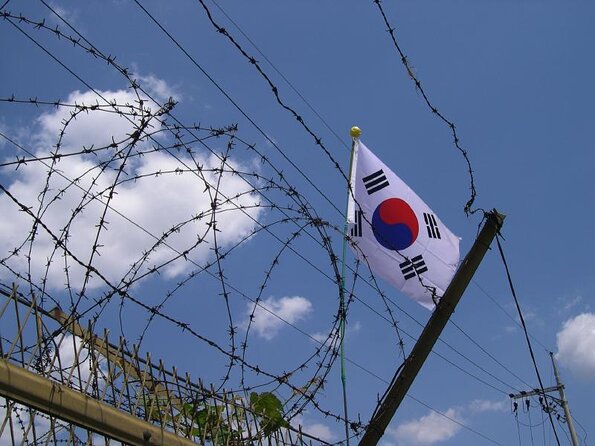
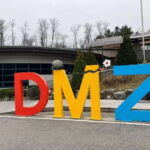
The first DMZ stop is built around the idea of seeing the buffer zone firsthand. The DMZ is a demilitarized buffer between North and South Korea, stretching about 248 km from Jeongdong-ri (Paju-si) to Myeongho-ri (Goseong-gun). That scale is hard to grasp from Seoul alone, so having a guided stop early helps your brain set the context for everything after.
You’ll spend about 2 hours here, and admission is included. This is the phase where you learn what you’re actually looking at: lines, zones, and the reality that this is not a museum fantasy. Even if you’re not a history person, it becomes easier to understand the tunnels and observatories once you’ve stood in the broader area.
Fog can limit certain views later, but the DMZ stop itself is still valuable because it anchors the whole day.
Third Tunnel: The Highlight With Real Effort and Real Limits
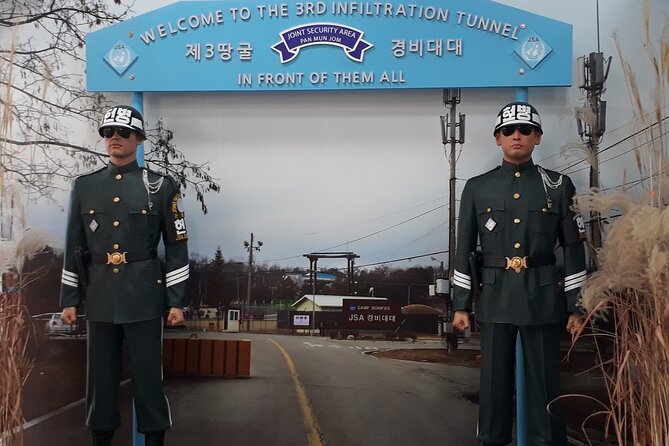
For many people, the Third Tunnel is the star. It was discovered by South Korea in 1978 and is described as about 1,635 m long, roughly 2 m wide, and about 2 m high. That low ceiling and narrow width idea is a big part of why this stop hits so hard. It’s built for scale, not comfort.
You’ll typically have about 1 hour for this stop, and admission is included. But don’t treat it as a casual walk. There are health and movement constraints, and the physical part is real.
- The tour notes that if you have heart disease or back/respiratory problems, you cannot enter the Third Tunnel.
- It also says there’s intermediate-level hiking, plus the tunnel route involves descending and ascending again.
- From guidance people received, plan for steep down-and-up movement and a slippery feel at times.
If you want to enjoy it, wear shoes with grip and expect you’ll be using your legs more than you think. If you can’t do the tunnel portion, the day may still be interesting, but you’ll miss the main wow factor.
The payoff is that the tunnel doesn’t just feel like a story. It’s a forced “size check” for what people tried to do and how close the conflict sits to everyday life in this region.
Dora Observatory and Dorasan Station: When the Sky Clears
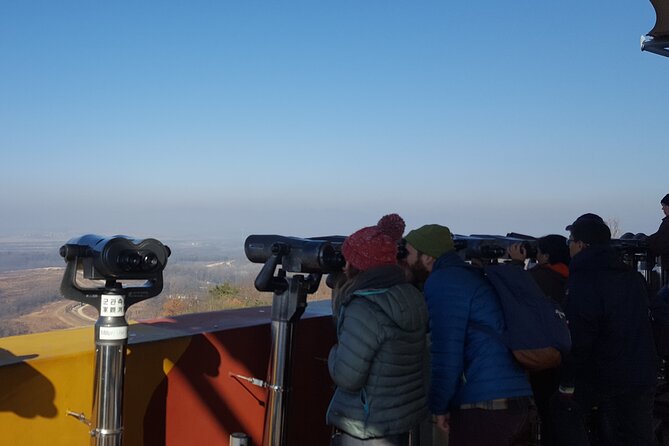
After the tunnel, you head to Dora Observatory. This is where the day becomes cinematic—if weather cooperates.
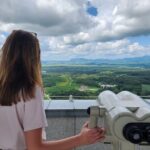
The tour includes Dora Observatory time (about 1 hour) and adds the idea that on clear days you may be able to see North Korea. The same logic is repeated again and again because it’s the one variable you can’t control. Fog is a real problem here. If you’re booking this with one shot at DMZ viewing, clear weather becomes part of your strategy, not just a nice bonus.
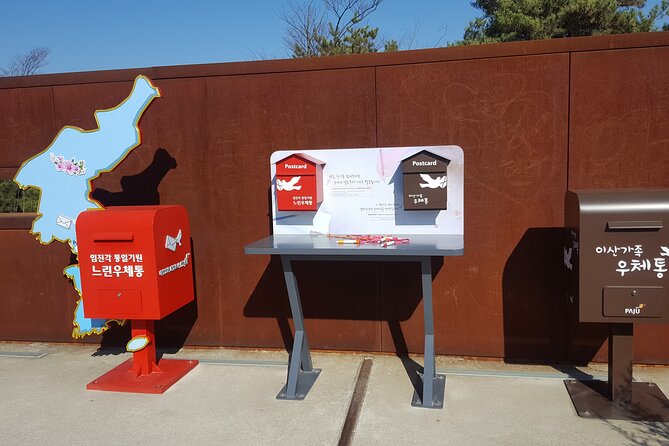
You’ll also have Dorasan Station, described as the last station in South Korea, as part of the Dora Observatory visit. That detail matters because it’s a physical boundary marker. You’re not only looking outward; you’re learning where movement, rail routes, and politics intersect on the ground.
If you love photography, Dora is one of those stops where you can get meaningful shots tied to the context you learned earlier. If visibility is bad, you still leave with a clearer understanding of what Dora is designed to show.


Gamaksan Chulleong Bridge or Gondola: Choose Your Best Views
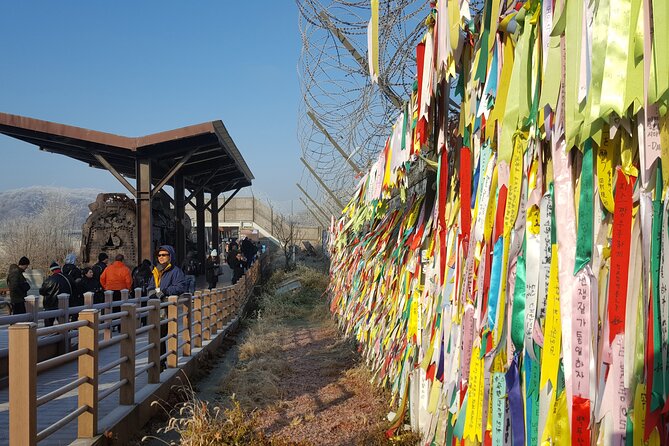
This tour offers options near the DMZ: the suspension bridge route or the gondola (cable car) experience. You won’t necessarily do both, so your choice should match what you want from the day: walking effort, photo angles, and the timing of your schedule.
Suspension bridge option
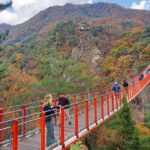
If you select the suspension bridge option, you visit Gamaksan Chulleong Bridge near the DMZ area. The stop is about 1 hour 30 minutes and the admission is listed as free. The description highlights dramatic lighting effects (black and blue lights) visible together in the valley area, which is the kind of detail that can turn a bridge stop into a memorable end-of-day scene.
Gondola option
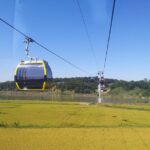
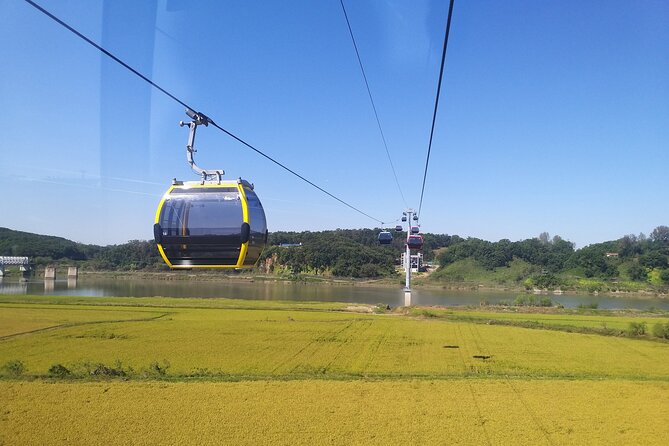
Many people recommend the gondola because it gives photo-friendly angles toward the DMZ area. One important point: gondola is optional at booking, and it’s described as included via cable car ticket depending on your choice. If you skip it initially, you might still have opportunities tied to time gaps or group flow, but you shouldn’t count on that unless the guide confirms it for your specific day.
Either way, don’t treat this as filler. Bridge and gondola are part of how the tour gives you “elevation and distance,” which helps you understand the geography behind the political boundary.
Monday Swap: Tunnel 2, Peace Observatory, Woljeongri, and Suspension Bridge
The tour runs differently on Mondays, and this is worth planning for if your schedule is tight.
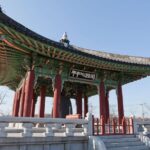
On Mondays, the route includes the Second Tunnel (about 3 hours for that stop cluster), plus the Peace Observatory, Woljeongri train station, and the suspension bridge. This matters because it changes the “main wow.” If your heart is set on the Third Tunnel, you probably want a Tuesday to Sunday date instead.
From a visitor perspective, this Monday routing still covers the core ideas:
- tunneling efforts and infrastructure
- observation points that connect you visually to the peninsula’s division
- station geography tied to the concept of connection
It’s not the same day as the rest of the week. The tour is thoughtful about not making you feel like you got a partial version.
How to Pace the Day: Shoes, Snacks, and Being Ready to Move
This is not a slow sightseeing loop. Even when the vehicle does the heavy lifting between sites, you still need to move on site.
A few practical tips that match what guides and schedules require:
- Wear grippy shoes. Tunnel steps can feel steep and slippery depending on conditions.
- Bring something small to eat if you’re prone to getting hangry. Meals aren’t included, and you may not want to wait until the end of the day to refuel.
- Be on time for the DMZ tickets. Once the schedule locks, you can’t “catch up” the way you can in a relaxed city walking tour.
- If you have luggage, discuss the size and number in advance. The tour specifically asks this, which usually means space is planned tightly on the vehicle and around check-ins.
Also, keep your expectations aligned with weather. Visibility affects Dora Observatory, and fog can shrink the big North Korea payoff. Still, the tunnel and DMZ parts don’t vanish when the sky is gray. They just shift from “see and point” to “understand and remember.”
Who This Tour Fits Best (And Who Should Think Twice)
This tour is best for people who want a structured, guided understanding of the Korean peninsula in one day. It’s also great if you like clear narrative told in real-world places. In feedback, guides like Patrick and Roy show up as standouts for engaging explanations, while Ki, Andrew, and April are credited with keeping the serious topic readable and not overly stiff.
You’ll probably love it if you:
- care about Cold War history and want real location context
- are okay with walking and short hiking segments
- want a guided day with transport handled
- are interested in either the gondola or suspension bridge views
You should think twice if you have health constraints for the Third Tunnel. The tour states you cannot enter the Third Tunnel if you have heart disease, back, or respiratory problems. Even if you’re willing, the physical requirements are part of the experience design. Also, people advised it’s not a great fit for slow elderly or disabled visitors because of steep walking segments.
If that describes you, consider picking a day that routes differently (like the Monday Tunnel 2 plan) or ask the provider what portion you can safely participate in.
Cancellation and Weather Reality: Plan Around the Uncontrollable
The tour can be canceled due to weather or political situation. If that happens, it’s either rescheduled or refunded. That’s not just fine print; it’s part of DMZ tourism reality.
So if this is your only day in Seoul, build in flexibility. If it’s one of several activities you can swap, you’ll feel calmer.
Also remember that if the Third Tunnel is unavailable, it can be changed to another destination. That’s helpful, but it also means your “must-see” might shift. If the Third Tunnel is your top priority, try to plan for a second possible date if your schedule allows.
Should You Book This DMZ Tour?
Book it if you want one guided full-day experience that connects DMZ geography to tunnels, observatories, and the realities of division. The price-to-inclusions ratio is strong for Seoul: you get transport, guided narration, admission, and optional gondola or suspension bridge access.
Skip or reconsider if you need a low-walking day or you have health issues that prevent Third Tunnel entry. And if you’re chasing a clear North Korea view, aim for a day with better visibility if you can. Even with fog, you’ll still get the core history at the DMZ and tunnel stops, but the viewing moment at Dora Observatory is weather-dependent.
If your goal is a meaningful, structured day outside Seoul with a guide who can make the story click, this is a very solid choice.
FAQ
How long is the DMZ guided tour?
It runs about 7 to 11 hours, depending on the day’s schedule and conditions.
How much does the tour cost?
The price is listed as $35.00 per person.
Is transportation included?
Yes. You get round-trip transfers and an air-conditioned vehicle, with no need to plan transport between stops.
What are the main sites you visit?
The tour includes DMZ plus major stops such as the Third Tunnel and Dora Observatory on most days, and on Mondays it swaps to the Second Tunnel route with Peace Observatory and Woljeongri station.
Do I always get to see North Korea from Dora Observatory?
You may be able to see North Korea on clear days. Weather and visibility are the big factors.
Which tunnel do you visit on Mondays?
On Mondays, the tour visits the Second Tunnel (along with Peace Observatory, Woljeongri station, and suspension bridge).
What about Tuesdays to Sundays?
On Tuesday through Sunday, the tour visits the Third Tunnel and Dora Observatory, plus Unification Village with either gondola or suspension bridge options depending on what you selected.
Is the gondola included?
The tour includes a cable car (gondola) ticket and/or the suspension bridge depending on your option. It’s described as optional to select during booking.
Is lunch included?
No. Meals and beverages are not included.
Are there health limits for the tunnel visits?
Yes. The tour notes you cannot enter the Third Tunnel if you have heart disease or back/respiratory problems, and it requires intermediate-level hiking.
What happens if the tour is canceled?
The tour can be canceled due to weather or political situation, and in that case it will be rescheduled or you’ll receive a full refund.