REVIEW · SEOUL
Signature DMZ Tour: Exclusive Defector Talk & Suspension Bridge
Book on Viator →Operated by Cosmojin Agency · Bookable on Viator
A day trip to the DMZ feels like stepping into a living timeline. You’ll ride out of Seoul with an English guide, stop at reunification sites like Imjingak and the Freedom Bridge, and then go where most people only ever see on TV. The standout is the interview with a North Korean defector, which turns a map of borders into something human.
Two things I really liked: first, the way the guides bring order to a confusing, changing place—people I had heard about on this tour include Han Solo and Jackie, and many guides are known for calm, clear explanations on the move. Second, the core DMZ stops are the exact ones that matter: the 3rd Tunnel (physically demanding, but unforgettable) and Dora Observatory for close views toward North Korea.
One drawback to factor in: the DMZ day can be weather-dependent and schedule-dependent, and closures happen. If something is off (including the optional suspension bridge), the operator may swap parts of the itinerary—so you’ll want to keep your expectations flexible.
In This Review
- Quick Take: What Makes This DMZ Tour Worth Your Time
- Start Smart: The 7:30am Seoul Departure and What You Need
- Imjingak Pyeonghwa-Nuri Park and the Freedom Bridge: Reunification in Barbed-Wire Form
- The DMZ Welcome Zone: Where Rules Replace Storytelling
- The 3rd Tunnel: A Tight, Steep Reality Check
- Dora Observatory: Close Views Toward North Korea (With Constraints)
- Gamaksan Chulleong Suspension Bridge Option: Worth It When It Runs
- The Defector Interview: The Part That Changes the Tone
- Time, Transport, and Group Flow: How This Day Really Feels
- Photo Rules, Quiet Moments, and How to Make This Tour Land
- Who Should Book This DMZ Tour (and Who Might Rethink It)
- Should You Book This DMZ Tour?
- FAQ
- What time does the DMZ tour start, and where do I meet?
- How long is the tour?
- How much does the tour cost?
- Is lunch included?
- Do I need a passport?
- Is the 3rd Tunnel hard to visit?
- Will I be able to take photos inside the tunnel or at the observation deck?
- What if the DMZ or a bridge stop is closed on the day?
Quick Take: What Makes This DMZ Tour Worth Your Time
- Defector Talk: the on-bus interview/Q&A is the emotional anchor of the day.
- 3rd Tunnel Visit: a tight, steep walk that you feel in your legs, not just your eyes.
- Dora Observatory View: one of the best ways to understand how close the two sides actually are.
- Imjingak + Freedom Bridge: a powerful reunification theme park setting, not just a photo stop.
- Optional Suspension Bridge Add-On: scenic views if it runs, but it can be weather-closed.
- Small-to-Medium Group Size: capped at 90, which helps keep things moving.
Start Smart: The 7:30am Seoul Departure and What You Need
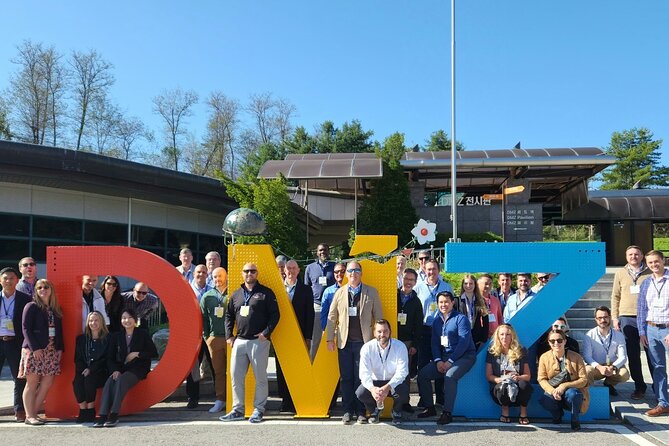
Your day begins early—start time is 7:30am—with a meet-up at 92 Sejong-daero, Jung District, Seoul. That early start is not just tradition. It’s how you get to the DMZ facilities before time slots get tight and before the day turns into a “rush-and-wait” game.
You’ll be on an air-conditioned vehicle, and the tour runs about 7 to 9 hours depending on access and traffic. Expect a structured flow: drive to each key checkpoint area, walk short-to-medium distances at stops, then repeat.
Two practical tips I’d treat as non-negotiable:
- Bring a current valid passport (original, no copies). This is required on the day of travel.
- Wear comfortable shoes. The 3rd Tunnel involves a physically demanding walk that many people underestimate until they’re in it.
You can also read our reviews of more tours and experiences in Seoul.

Imjingak Pyeonghwa-Nuri Park and the Freedom Bridge: Reunification in Barbed-Wire Form
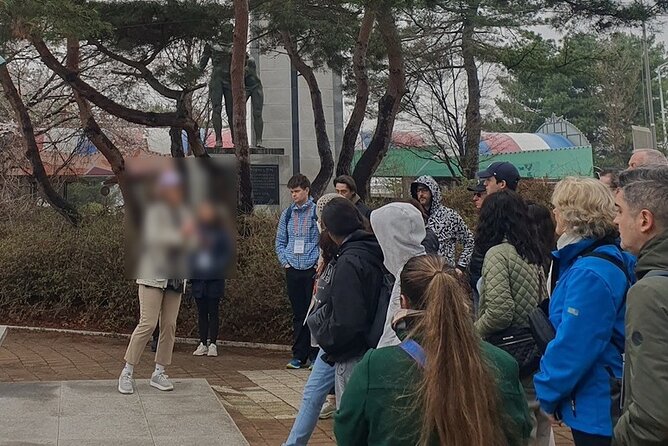
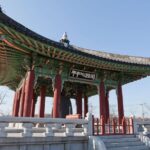
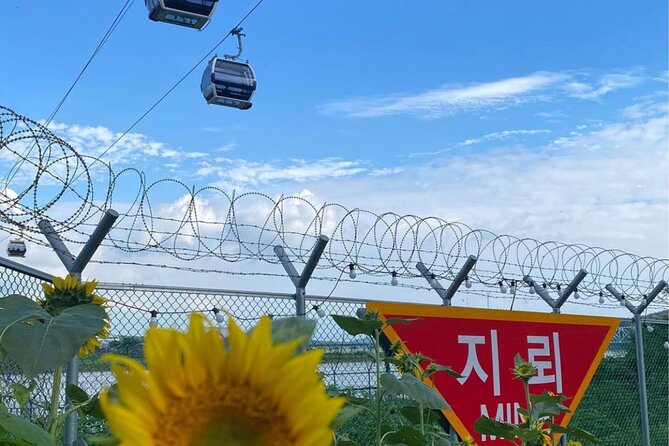
The first major stop after leaving Seoul is Imjingak Pyeonghwa-Nuri Park. This is a reunification-themed site that uses irony and realism at the same time: rides and museum-like displays sit near barbed-wire fences, making it hard to forget what the peninsula looks like when history gets enforced.
One feature you’ll hear emphasized is the Freedom Bridge, associated with the return of 13,000 POWs in 1953. The bridge is more than a landmark—it’s a story you can actually stand on, in a place designed to make you think about what freedom has cost here.
You’ll also see the bridge on the Imjingang River—again tied to that same group return in the Korean War era. The reason this early stop works: it sets emotional context before you go deeper into the DMZ’s “rules and lines.”
The DMZ Welcome Zone: Where Rules Replace Storytelling
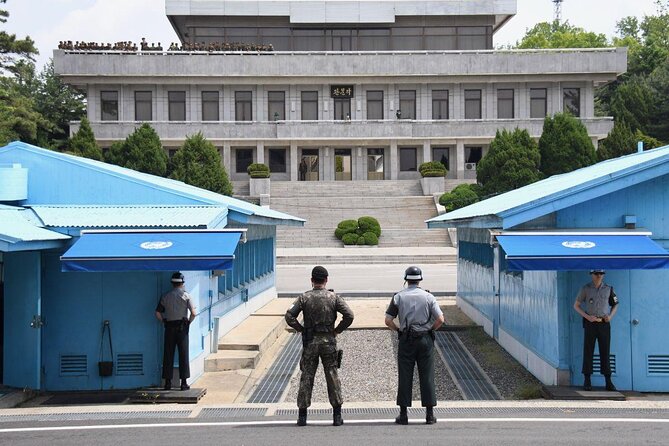
Once you reach the DMZ area, you’ll get a briefing-style experience at the main DMZ stop. You’re limited in what you can do and what you can photograph, because you’re in a military demarcation zone where access is controlled.
A key reality: you’re not walking through a museum corridor. You’re moving through a controlled perimeter where rules matter, and schedules can change. That’s why the role of your English guide is huge—especially for turning what you see into a coherent explanation.
One caution that shows up with this kind of site: photo restrictions. Inside the 3rd Tunnel, and at the observation deck, you won’t be able to take pictures due to military rules. It’s understandable, but it does affect how you’ll capture memories—so plan to rely on notes, photos outside restricted areas, and what your guide explains on the spot.
The 3rd Tunnel: A Tight, Steep Reality Check
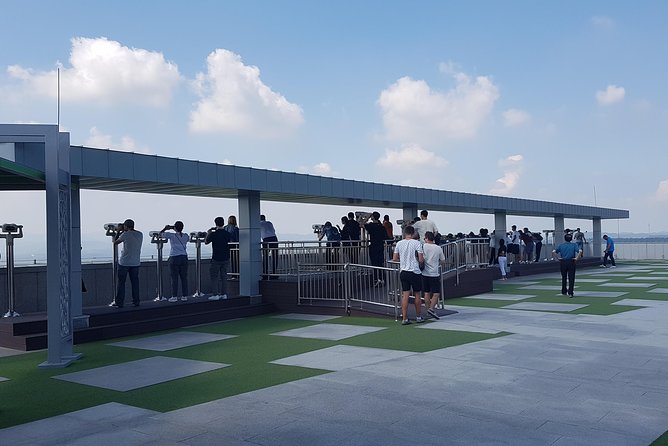
The tour’s “main physical challenge” is the Third Tunnel. You’ll explore a North Korean infiltration tunnel from the South Korea side—an area that extends 435 meters into South Korea. This is the stop that tends to stick with people because it’s not abstract.
You’ll walk down, move through tight corridors, and then walk back up. Reviews and trip descriptions often stress that it’s physically demanding—steep, narrow, and not ideal if you have a heart condition or other serious medical issues. If that describes you, treat this as a hard “do not recommend” situation.
A few things to be ready for:
- Comfortable shoes matter—you’ll want good grip.
- No photos in the tunnel and on certain viewing points, so don’t plan on a photo-heavy souvenir strategy.
- The experience becomes more meaningful if you listen carefully during the guide’s explanations, because the space forces you to slow down and notice details.
This tunnel stop works best if you’re okay with discomfort. Even a brief stretch of “hard walking” here gives you a better sense of why the DMZ is treated as a security priority on both sides.
Dora Observatory: Close Views Toward North Korea (With Constraints)
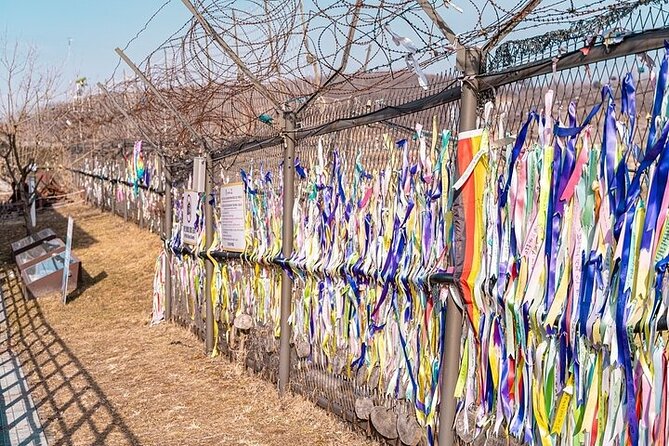
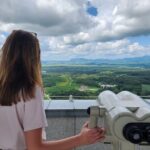
After the tunnel, you head to Dora Observatory. This is where the day turns visual. From here, you can view Gaeseong City and the Gaeseong Industrial Complex area, plus broader sights toward North Korea.
You’ll also see the Propaganda Village, described as a fake border village. That matters because it adds another layer to “what you see from here”: not just reality, but performance and messaging.
Photo rules still apply. Even when you can look across, you may not be able to photograph the view from the observation deck. So again, your best move is to treat the view as a “look and understand” moment, not a “capture everything” moment.


Gamaksan Chulleong Suspension Bridge Option: Worth It When It Runs
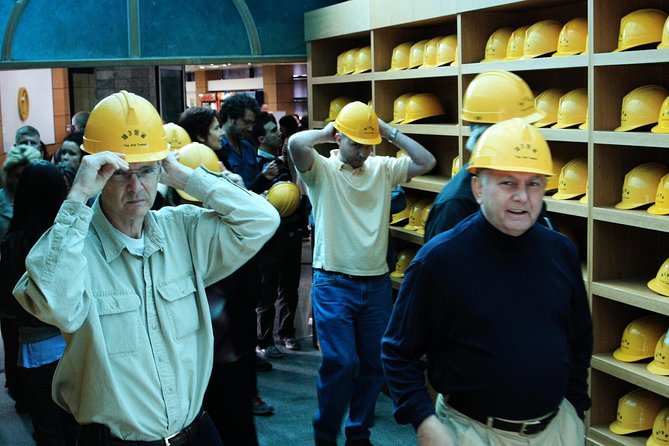
There’s an optional suspension bridge add-on: the Gamaksan Chulleong Bridge. It’s known as the former longest suspension bridge in Korea at 220 meters, opened in 2016, and it offers views over Silmari Valley.
This is the kind of add-on I like—when it’s available. It gives you a break from DMZ intensity and adds a more scenic, outdoors angle to the day.
But there’s a catch: the bridge option requires a minimum number of participants, and it can be closed due to weather. So if the bridge is your priority, check how flexible you can be on the day. If it doesn’t happen, you still get a full DMZ itinerary—but you’ll lose that final scenic payoff.
The Defector Interview: The Part That Changes the Tone
This is the heart of the tour: an interview with a North Korean defector, plus Q&A time during the day. People consistently highlight this as the most important segment, because it turns political facts into lived experience.
Guides are also part of this success. On tours like this, names you might hear associated with excellent guiding include SP Hong and Han Solo—and what matters most is how they handle the interview pacing and field questions so the experience stays respectful and clear.
What you should expect from this part:
- You’ll hear an escape story and background that helps explain why the peninsula is more than headlines.
- You’ll get chances to ask questions. It’s not just listening—it’s conversation, within the boundaries of what can be safely and appropriately discussed.
- The tone gets serious. In a good way. It makes every later stop feel less like sightseeing and more like understanding.
If you want the DMZ day to feel personal—not just educational—this is why the tour deserves your time.
Time, Transport, and Group Flow: How This Day Really Feels
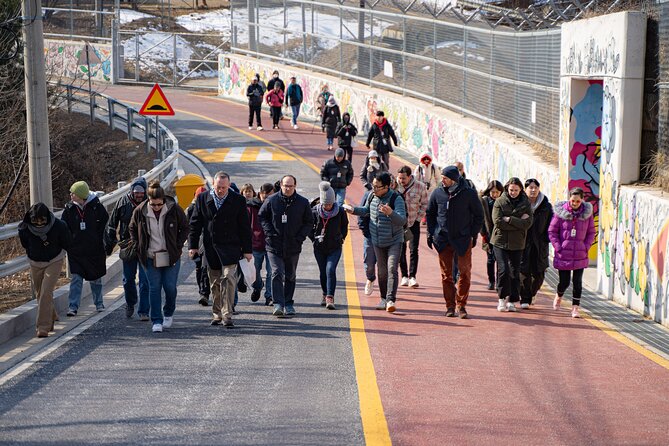
Even with a good itinerary, a DMZ day is a logistics exercise. This tour is typically all about movement: get on the bus, reach a site, walk, hear explanations, move on.
The tour runs about 7 to 9 hours, with DMZ stops taking a chunk of the day (including around 40 minutes at the main DMZ stop and about 1 hour each at major DMZ sites like the tunnel and Dora Observatory). Elsewhere, stops like Imjingak are around 1 hour.
Two practical things to plan around:
- Lunch isn’t included, so you’re relying on whatever quick meal stop is built into the schedule. Some people report the meal options are basic and time-limited, especially near the observation area. Bring snacks if you get hangry.
- Timing can shift. If there’s a DMZ access issue—unannounced military training or official events—the operator can replace the plan with a different set of sites, including places like Tomorrow’s Whistle-Bunker, Beat 131, the Odusan Unification Tower, and the War Memorial of Korea.
That replacement rule is worth knowing in advance. It’s not a failure; it’s how access control works.
Photo Rules, Quiet Moments, and How to Make This Tour Land
This tour isn’t designed for constant photos. You’ll run into restrictions, especially at the 3rd Tunnel and at the observation deck. That can feel annoying if you’re used to documenting everything.
My advice: plan a simple “memory system” before you go:
- Take photos outside restricted areas (like the general welcome zones or scenic overlooks where allowed).
- Write down 3 questions you want answered by the guide. The defector Q&A is where those questions can become gold.
- Use your eyes for the rest. The DMZ is one of those places where the first emotional reaction fades fast—notes help you hold onto meaning.
Also, expect that the day can be rainy or cold. One reason I appreciate guides like Jackie is that they’ll still do the job even when weather turns. If it’s wet, your shoes and outer layer matter more than you think.
Who Should Book This DMZ Tour (and Who Might Rethink It)
This tour fits you well if you want:
- A structured day that hits the big DMZ sites without you needing to manage timing.
- A human story as the anchor, not just plaques and maps.
- A guide-led explanation style, where names and context are handled clearly.
It might not fit as well if you:
- Have medical limitations that make tight, steep walking hard (the 3rd Tunnel is the key issue here).
- Expect a relaxed, slow sightseeing pace. This is controlled, timed, and sometimes constrained.
If you’re planning a first DMZ visit from Seoul, this is a strong choice because it covers the major viewing points and the tunnel—plus the interview that gives the day weight.
Should You Book This DMZ Tour?
Yes, if you can handle a serious day and you want the defector interview as part of your experience. At $27 per person, the value comes less from the transportation and more from what you get access to: the tunnel visit, Dora Observatory viewing, and that interview/Q&A format that turns the day from “facts” into understanding.
Book it if:
- You’re comfortable with walking and stairs.
- You can follow photo restrictions without feeling like you’re missing out.
- You care about context and personal perspective, not just landmarks.
Skip or reconsider if:
- Your health makes the tunnel a bad idea.
- You need a flexible day with no risk of closures. Even with adjustments, DMZ access can change fast.
If you go in with the right mindset—curious, prepared, and ready to listen—you’ll leave with a different sense of the Korean peninsula than you came with.
FAQ
What time does the DMZ tour start, and where do I meet?
The start time is 7:30am, and the meeting point is 92 Sejong-daero, Jung District, Seoul, South Korea. The tour ends back at the same meeting point.
How long is the tour?
The duration is listed as about 7 to 9 hours, depending on site access and traffic conditions.
How much does the tour cost?
The price is $27.00 per person.
Is lunch included?
No. Lunch and personal expenses are not included.
Do I need a passport?
Yes. You need a current valid passport on the day of travel, and it must be the original (no copies).
Is the 3rd Tunnel hard to visit?
It’s physically demanding. The tour notes that you should wear comfortable shoes, and it says visiting the 3rd Tunnel is not recommended for people with heart conditions or other serious medical issues.
Will I be able to take photos inside the tunnel or at the observation deck?
No. The tour experience includes restrictions where you cannot take pictures in the tunnel and on the observation deck due to military rules.
What if the DMZ or a bridge stop is closed on the day?
The itinerary may be adjusted due to DMZ military schedules, weather, or traffic. If DMZ access is restricted due to official events, the tour can be replaced with a different set of sites, and no refunds are given for closures or swaps.