REVIEW · SEOUL
Seoul: DMZ Tour with Optional Suspension Bridge
Book on GetYourGuide →Operated by I LOVE SEOUL TOUR Co., Ltd. · Bookable on GetYourGuide
A border split in plain sight. This DMZ day trip from Seoul mixes DMZ history with the real physical shock of the 3rd Infiltration Tunnel, then tops it off with wide views from Dora Observatory. You’ll also see the human side of separation at Imjingak Park, from the Bridge of Freedom to the message of reunification. One thing to consider: the walking and steep parts are real, so the tunnel can be tough for some kids and older folks.
What I like most is the way the tour is run by an English-speaking guide who keeps everything understandable and moving. Names like Winnie, Kenny, Sophie, Henry, Grace, and Sue come up again and again, often with humor and personal context that makes the border feel less like a museum and more like a lived story. The optional Gamaksan Suspension Bridge is a great add-on if you want photos and a bit more hiking, but you’ll want proper shoes.
In This Review
- Key things to know before you go
- A border split in one day: what this DMZ tour actually delivers
- Imjingak Park and the Bridge of Freedom: the emotional opening
- DMZ Theatre and Exhibition Hall: turning locations into a timeline
- The 3rd Infiltration Tunnel: the most demanding part
- Dora Observatory: rare views across the buffer zone
- Unification Village: peace-themed shopping with a calmer tone
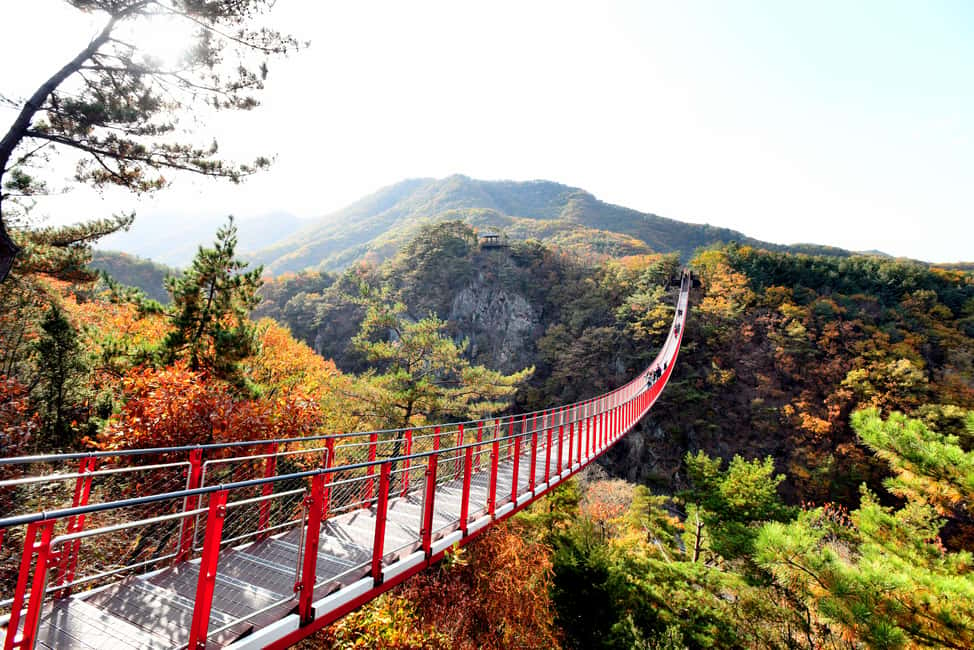
- Optional Gamaksan Suspension Bridge: extra hike, extra photos
- How the day runs: transport, checkpoints, and guide styles
- Price and value around $45: what you’re really paying for
- What to bring, what to avoid, and who should think twice
- Should you book this DMZ tour or skip it?
- FAQ
- What do I need to bring for the DMZ tour?
- Is JSA or Panmunjom included on this tour?
- Which days is the DMZ tour offered, and what about the suspension bridge option?
- How physically difficult are the tunnel and optional suspension bridge?
- What is included in the price?
- What happens if the tour is canceled or changed due to military or government rules?
Key things to know before you go
- Freedom Bridge at Imjingak Park: A moving start that connects the Korean War to separated families
- 3rd Infiltration Tunnel experience: A steep, time-consuming walk that gives you a visceral sense of conflict
- Dora Observatory views: Clear explanations plus sweeping sightlines across the buffer zone
- Unification Village stop: Peace-focused souvenirs, local products, and a calmer rhythm near the border
- Optional Gamaksan Suspension Bridge: Extra views and a workout, with a photo-friendly payoff
A border split in one day: what this DMZ tour actually delivers
This is the kind of trip that doesn’t let you stay “neutral.” In a good way, it makes the DMZ feel immediate: a strip of earth with rules, checkpoints, and consequences for real people on both sides. You’ll get the safe, guided route that stays on the South Korean side, but still shows you how close North Korea is from vantage points like Dora Observatory.
The best part is the mix of places. You don’t just stand and look. You move through the story: the symbolism of Imjingak Park, a guided look at how the DMZ works, an underground tunnel that changes how you think about war, then high views over the buffer zone. It’s history with geometry.
And then there’s the practical side: you’re not doing this by yourself. You ride in an air-conditioned bus or minivan with a licensed DMZ guide, plus roundtrip shared transfer from central Seoul areas.
You can also read our reviews of more tours and experiences in Seoul.

Imjingak Park and the Bridge of Freedom: the emotional opening
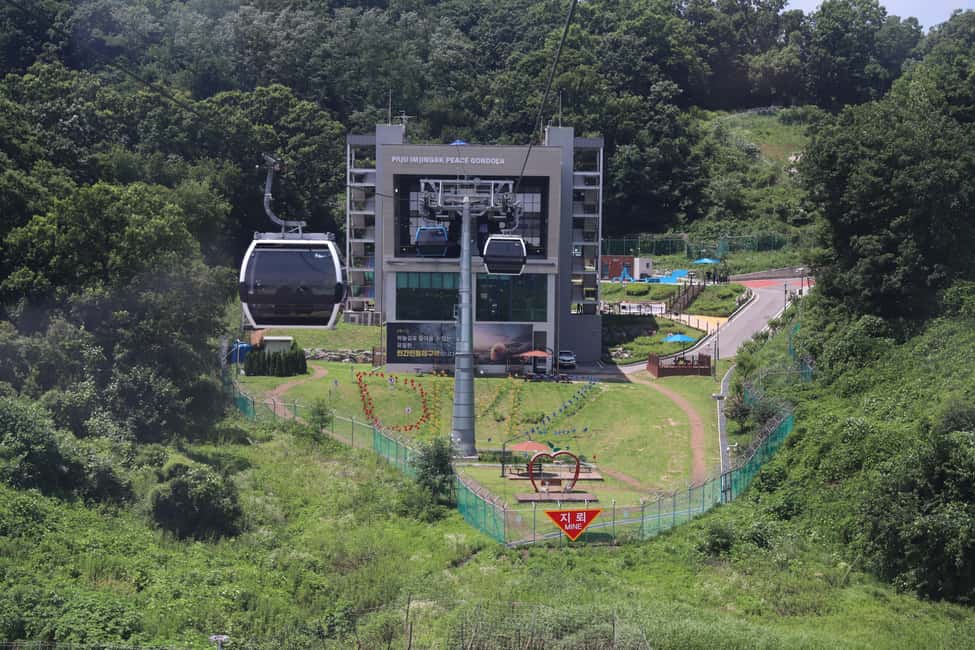
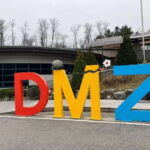
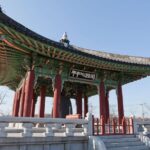
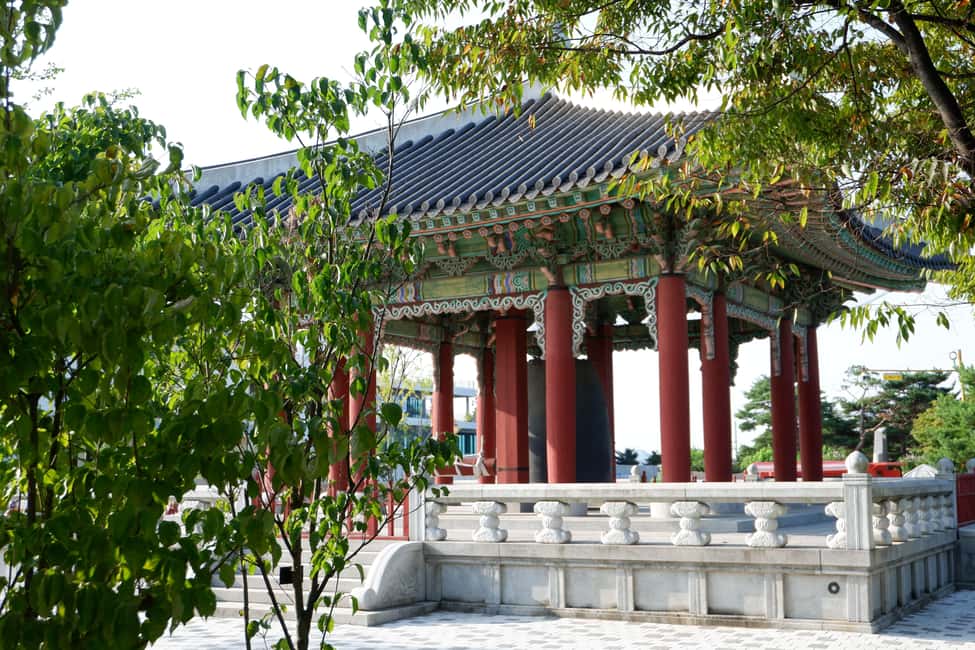
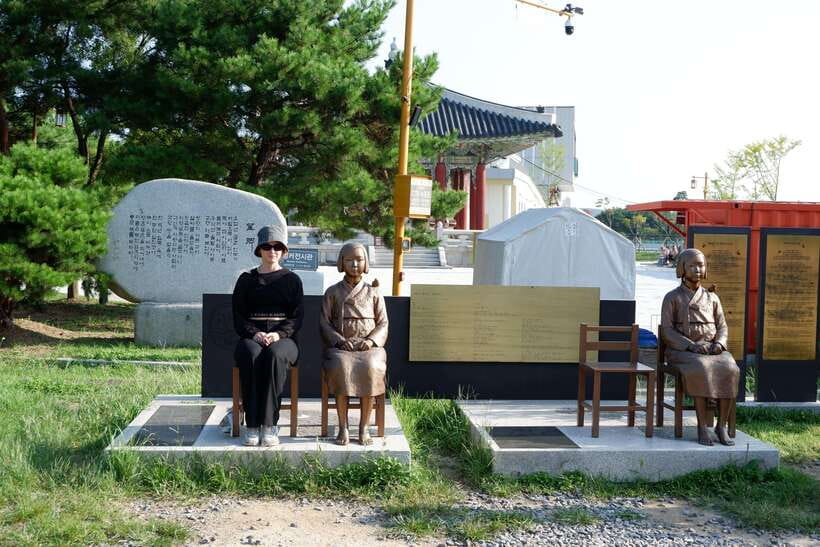
Most DMZ tours begin at Imjingak Park, and this one starts there for a reason. It’s the kind of place where the reminders of division feel personal, not abstract. You’ll tour with a guide for about an hour, then spend focused time at the Freedom Bridge, including guided context about separated families and hopes for reunification.
If you’re expecting something purely technical, this part is a reset. It’s also a helpful warm-up physically, because you’re not starting with steep walking. The tone is reflective, and it sets you up for the heavier stops later.
DMZ Theatre and Exhibition Hall: turning locations into a timeline
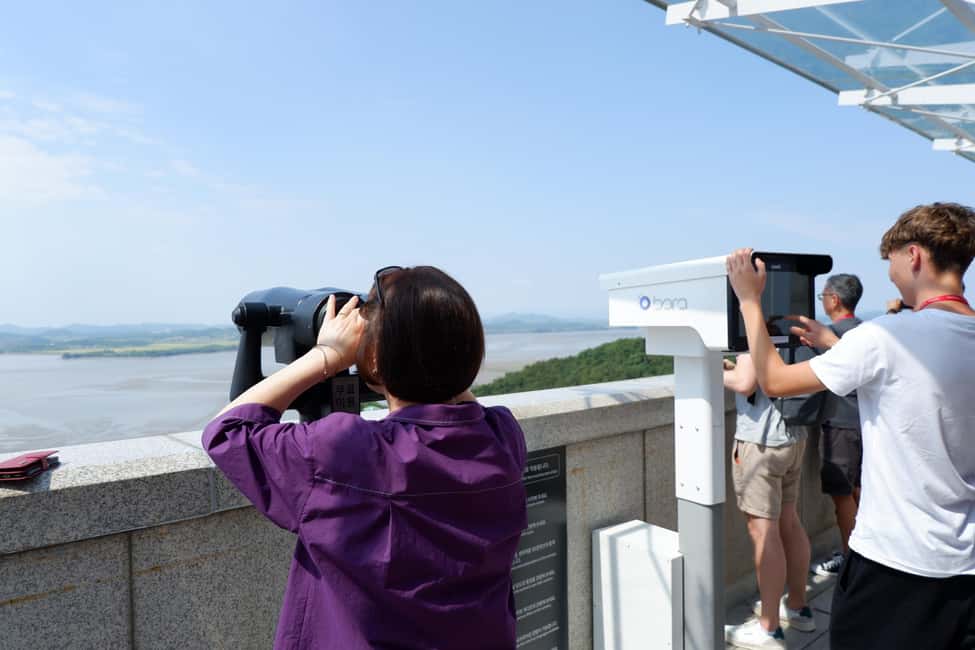
Before you reach the bigger wow-factor stops, you’ll get short, guided instruction at the DMZ Theatre and then a visit to the DMZ Exhibition Hall. Think of this as building a mental map before you enter the physical spaces.
Theatre time is brief, but it’s useful. You’ll get the why behind the buffer zone and the ongoing tensions that keep the peninsula divided. The Exhibition Hall then adds details so that when you later see the tunnel and look out over the border villages, you’re not just taking photos—you’re understanding what you’re seeing.
A good guide helps here. In English, guides like Winnie and Kenny are repeatedly praised for clear explanations and pace, with enough structure that the day doesn’t turn into a blur of checkpoints.
The 3rd Infiltration Tunnel: the most demanding part
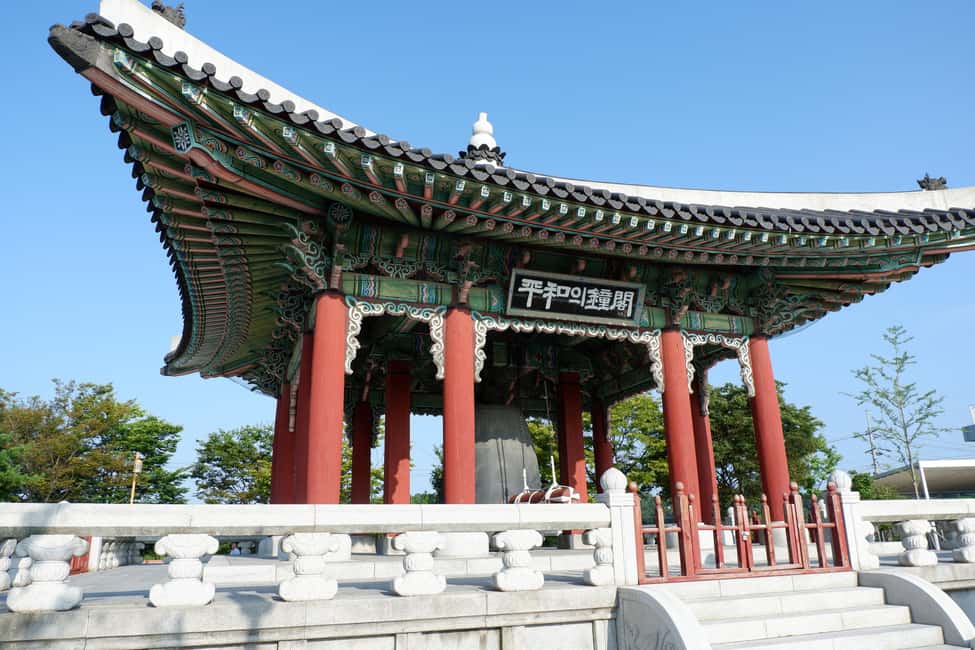
The highlight for many people is the descent into the 3rd Infiltration Tunnel. Expect guided time (about 40 minutes) plus the walk itself. The tunnel is open for public viewing now, and it gives you a rare, hands-on sense of how the North prepared for infiltration.
But plan for the physical reality:
- The slope is steep.
- It takes about 30–40 minutes for a round trip on foot.
- Children and elderly visitors may find it challenging.
- If you need a break, it’s possible to wait in front of the tunnel.
This is also where shoes matter. The tour strongly recommends avoiding flip-flops, slippers, and heels. Wear supportive footwear and accept that you’ll probably work your calves a bit.
If you want one “anchor memory” from this trip, it’s often the tunnel. The emotional effect comes from the contrast: a quiet, guided walkway that leads into a very unquiet idea.
Dora Observatory: rare views across the buffer zone
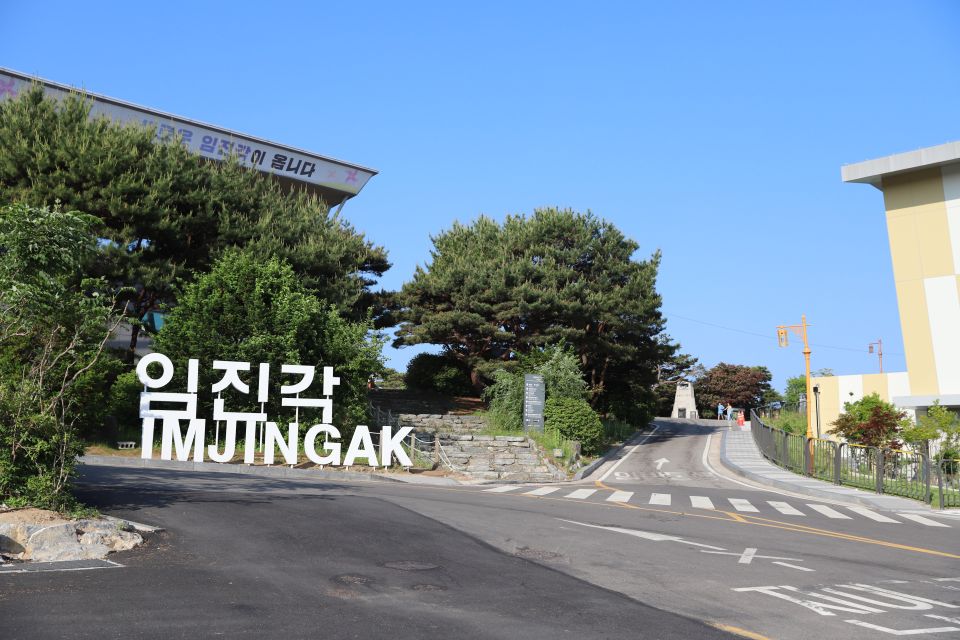
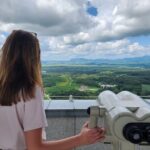
After you resurface from the tunnel, the schedule moves you to Mount Dora for the Dora Observatory. Here you’ll get guided time (around an hour) and the big visual payoff: sweeping views across the DMZ.
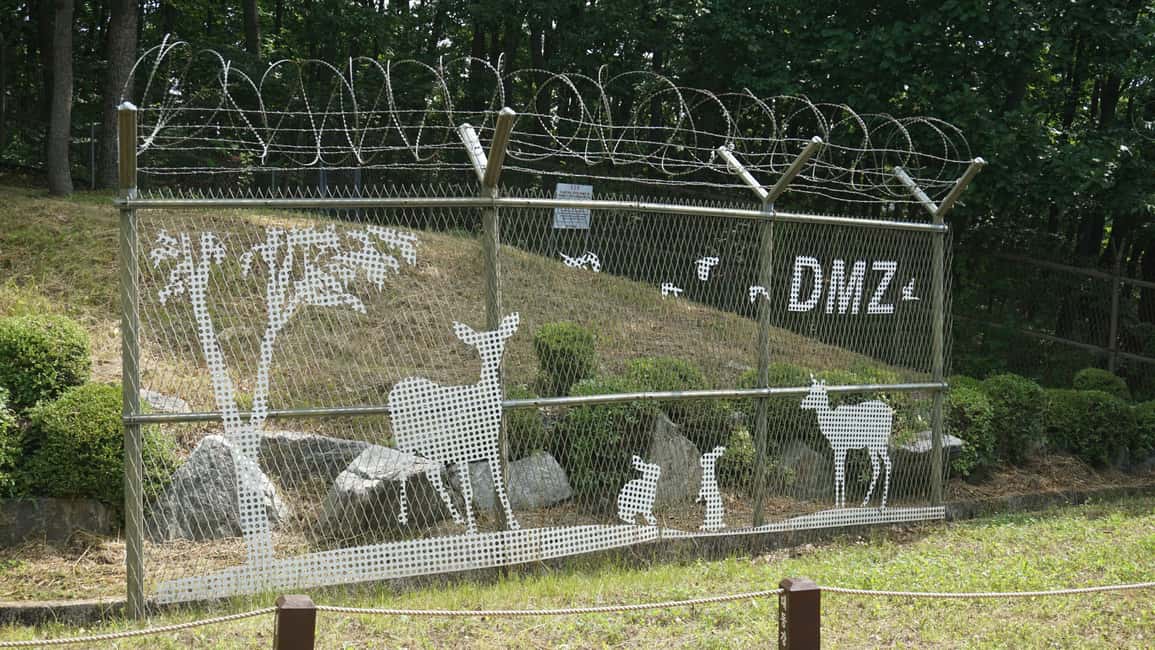
From this vantage point, you can see the buffer zone and, on a clear day, catch glimpses of North Korean territory and border villages. The tour also frames the DMZ as a 4-kilometer-wide separation buffer that has been in place since the 1953 armistice.
A reality check: weather can limit what you can see. If visibility is poor, you’ll still learn a lot, but the “look across” moments won’t be as dramatic. That’s not the tour’s fault, and it’s worth planning around if you have flexible dates.


Unification Village: peace-themed shopping with a calmer tone
Next is Unification Village, a peaceful farming community near the border. This stop is short (about 30 minutes), but it adds a different tempo. Instead of military mechanics, you get reconciliation as a theme.
You’ll have time to shop for locally made products and symbolic souvenirs. Occasionally, you may even see North Korean goods offered there, which adds a strange-but-still-meaningful layer to the visit. Even if you don’t buy anything, the point is the message: people trying to live beside the impossible.
This is a good stop for photos too—just remember you’re not touring a theme park. Keep your tone respectful.
Optional Gamaksan Suspension Bridge: extra hike, extra photos
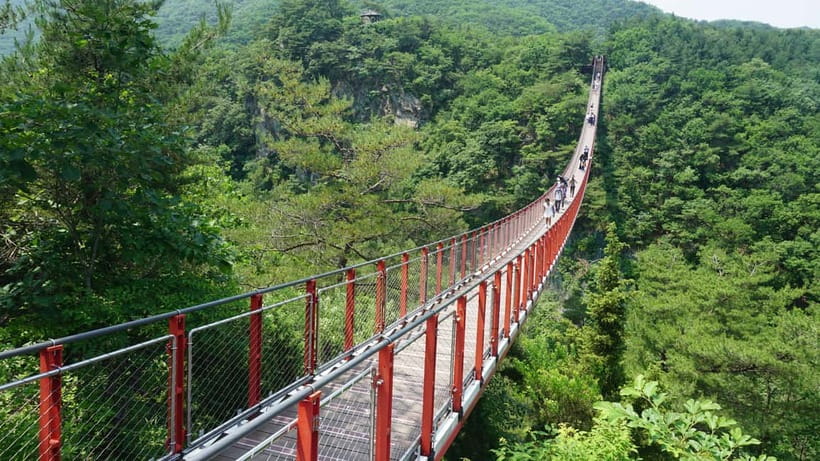
If you book the version that includes it, you’ll add the Gamaksan Suspension Bridge stop, plus a brief photo stop at Ungye Falls. The bridge portion includes guided time and a hike that’s about 40 minutes, so it’s not a casual add-on.
You’ll want comfortable shoes and steady legs. The suspension bridge gives you wide views and a unique photo angle that feels different from the tunnel and observatory perspectives. It also connects to a Korean War story involving British troops at that site, which your guide explains during the stop.
If you’re the type who wants one more “signature” view to contrast with Dora, this option delivers. If you’re traveling with someone who struggles on slopes, you might decide the tunnel is already enough work.
How the day runs: transport, checkpoints, and guide styles
This tour is structured for a smooth run through a heavily regulated area. You’ll typically start with bus/coach travel (about an hour) from Seoul, then move stop-to-stop with guided time blocks. The day is designed to fit into 7–9 hours, which is a pretty efficient use of a spare day.
Transport is by air-conditioned bus or minivan. Many guides also keep the ride informative; you might see things like videos or pictures shown on a TV during the trip, which helps if you want a bit of context before stepping out.
Group size can affect the vibe. The tour can be private or small group, but it can also operate as a shared experience. There’s also mention that you may need to transfer to a DMZ shuttle bus depending on how many people are in your vehicle under government policy.
On the human side, the guide matters a lot. A repeated theme in the guide feedback is clear English, humor, and safety-first direction. That matters at DMZ checkpoints, where instructions must be followed quickly.
Price and value around $45: what you’re really paying for
At around $45 per person, the value is mostly about what’s bundled. You get:
- entrance fees,
- roundtrip shared transfer,
- a licensed DMZ guide in English,
- transportation by air-conditioned bus or minivan.
That’s a lot to get for a single day, especially compared with the cost of piecing it together on your own. You’re also paying for the permissions and routing that make a DMZ visit possible in the first place.
One thing to keep in mind: food and drinks aren’t included. So while the ticket price covers the core experience and logistics, you’ll still want to budget a little extra for meals.
What to bring, what to avoid, and who should think twice
Bring a passport. That’s the one must-have listed. Also plan around the DMZ rules: alcohol and drugs aren’t allowed, and intoxication isn’t allowed. Smoking in the vehicle isn’t allowed either.
Clothing and footwear are more important than you might think:
- Avoid flip-flops, slippers, and heels.
- Wear comfortable shoes, especially if you choose the suspension bridge option.
This tour is also not suitable for people with heart problems, and it’s not for wheelchair users. If mobility is a concern, the tunnel and bridge hike are the biggest red flags.
Finally, know that the DMZ is run by the military. The trip can be canceled without prior notice, and itinerary changes are possible due to weather, military, and government regulation factors. If changes happen, the tour may visit alternatives like Art Space BEAT 131, Odusan Unification Observatory, or the War Memorial of Korea, and a refund isn’t offered in those cases. So pick your day wisely if your schedule is tight.
Should you book this DMZ tour or skip it?
Book it if you want a structured, English-guided DMZ experience that hits the key sites: Imjingak Park, the tunnel, Dora Observatory, and Unification Village, with an option to add the Gamaksan Suspension Bridge. The combination of symbolic places and physically real stops gives you a stronger understanding than a quick photo outing ever will.
Skip it if you or your travel group can’t manage steep walking and sustained time on your feet. The 3rd Tunnel and the suspension bridge hike aren’t just a little walking.
If you’re trying to choose between options, here’s a simple rule: the “main DMZ” is already intense, so only add the bridge if you’re comfortable with extra hiking and you really want that added viewpoint.
FAQ
What do I need to bring for the DMZ tour?
You need to bring a passport.
Is JSA or Panmunjom included on this tour?
No. This tour does not include a visit to JSA (Joint Security Area / Panmunjom).
Which days is the DMZ tour offered, and what about the suspension bridge option?
The DMZ tour runs Tuesday to Sunday. The version that includes the Gamaksan Suspension Bridge is also Tuesday to Sunday.
How physically difficult are the tunnel and optional suspension bridge?
The 3rd tunnel involves a steep slope and takes about 30–40 minutes for a round trip on foot, and it can be challenging for children and elderly visitors. The Gamaksan Suspension Bridge option includes about a 40-minute hike, so comfortable shoes are strongly recommended.
What is included in the price?
The price includes entrance fees, roundtrip shared transfer, a licensed professional DMZ tour guide, and transportation by air-conditioned bus or minivan. Hotel pickup from centrally located Seoul hotels may be included depending on the option you choose.
What happens if the tour is canceled or changed due to military or government rules?
The trip may be canceled without prior notice. If itinerary changes occur due to military, weather, or government regulation factors, you won’t receive a refund. Instead, you may visit alternatives such as Imjingak, Art Space BEAT 131, Odusan Unification Observatory, or the War Memorial of Korea.