REVIEW · SEOUL
Seoul: Bukchon Hanok Village Walking Tour
Book on GetYourGuide →Operated by Korea Guide Tour · Bookable on GetYourGuide
Hanok feels like Seoul in slow motion. This Bukchon walk turns traditional houses into a living lesson, from what Hanok is and how it evolved to the quieter details of daily life you can actually see. I especially love the guide-style explanations from someone like Alan, with lots of anecdotes and history that make the buildings feel personal, and I like that you get to view the interior side of Hanok rather than just posing outside. One consideration: it’s still a walking tour, so comfortable shoes matter, and weekend/holiday reservations can be tricky.
You’ll also get a sense of how old Seoul tries to keep things going, thanks to the concept of OraeGage—old stores valued for carrying local tradition forward. And the pace is friendly: at least one guide experience included time for photos and a tea-house pause without rushing you through the village.
If you want a fast photo stop, this probably won’t feel “efficient.” But if you want a calmer, story-driven walk through Bukchon’s 600-year-old urban character, this is a great way to spend an afternoon.
In This Review
- Key highlights
- Why Bukchon Hanok Village feels more real than a photo stop
- OraeGage and the meaning of Seoul’s long-running old shops
- How a 600-year-old neighborhood shapes your walk north of Cheonggyecheon
- Entering Hanok houses: how the tour turns architecture into everyday life
- The tea-house pause: coffee or tea that makes the day feel humane
- What you really get for $54 per person (and why it can be good value)
- The best way to approach this tour: slow down and ask questions
- Who should book the Bukchon Hanok Village walking tour
- Before you go: shoes and a realistic mindset for Bukchon streets
- Should you book this tour?
- FAQ
- Where does the tour start?
- Does this tour end back at the same meeting point?
- How much does the Bukchon Hanok Village walking tour cost?
- What’s included in the price?
- Is traveler’s insurance included?
- What language is the tour offered in?
- What should I bring?
- Are reservations confirmed on weekends or holidays?
- What happens if the group is too small?
- What are the cancellation terms?
Key highlights
- OraeGage explained: learn what an old store means in Seoul’s culture of preservation
- Bukchon’s 600-year-old setting: a neighborhood shaped by centuries of city life north of Cheonggyecheon Stream and around Jongno
- Hanok from different periods: you’ll see how traditional homes changed across eras
- Interior viewing: the tour goes beyond exteriors so you can understand how people lived
- Tea or coffee + sweets: a pause in a traditional tea house style stop
- English guide with real storytelling: Alan was praised for enthusiasm, courtesy, and history-rich commentary
Why Bukchon Hanok Village feels more real than a photo stop
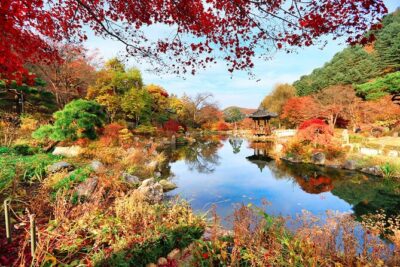
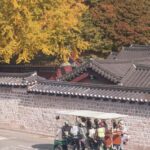
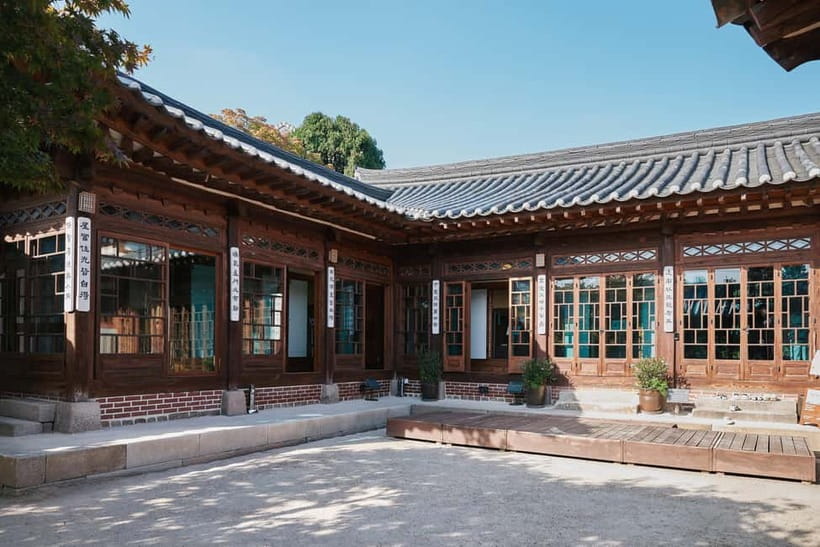
Bukchon Hanok Village is famous for a reason: it’s one of the clearer places in Seoul where you can still read the past in the layout of the neighborhood. The beauty here isn’t only the look of the roofs and gates. It’s that the hanok architecture was preserved without being “updated” into something that loses its original character. The result is a walk that feels like you’re moving through a timeline, not just a collection of pretty buildings.
What I like most is that the tour doesn’t treat Hanok like a single static style. You learn that Hanok is a traditional architectural approach that evolved through different eras. That matters, because it changes how you look at everything: patterns in a facade, layout choices, and how spaces work all start to make sense as you walk.
And yes, there’s a calm quality to this area. Even in a busy city, you get a chance for a slower rhythm, partly because the streets encourage walking and partly because the guide’s pace is meant to let the stories land.
You can also read our reviews of more walking tours in Seoul


OraeGage and the meaning of Seoul’s long-running old shops
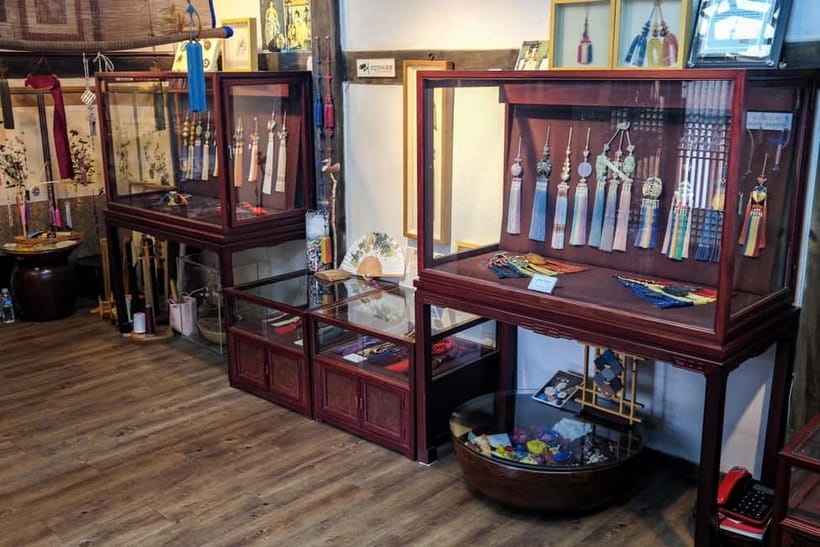
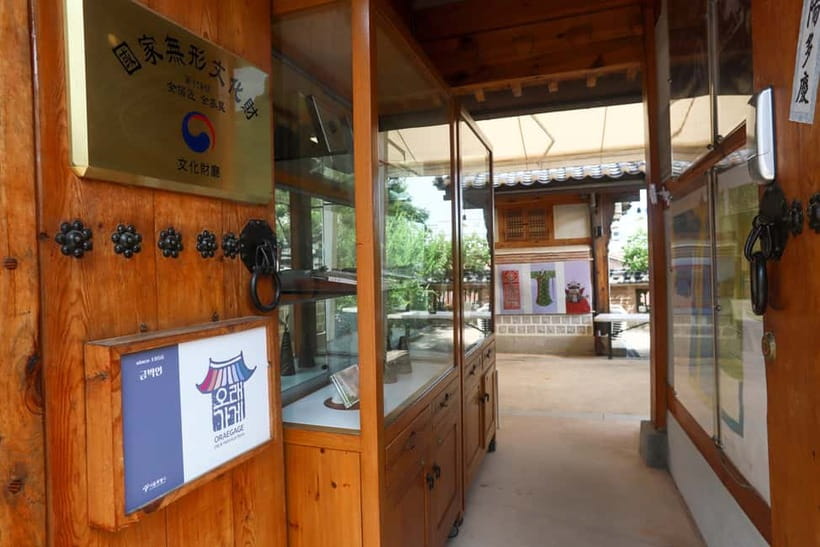
One of the most interesting bits of context you’ll get is OraeGage. In simple terms, it refers to an old store that has carried Seoul’s tradition and value for a long time. It’s not just about age; it’s about the idea that people want the store to keep going—long enough to pass on the atmosphere and stories to the next generation.
On a practical level, learning OraeGage helps you understand Bukchon beyond architecture. Seoul isn’t only about buildings. It’s also about continuity: the habits, places, and small businesses that build a city’s identity over decades.
So when the tour weaves this concept into the walk, it gives you a framework. You’re not only spotting hanok forms; you’re also noticing how old culture survives in everyday life—even in a modern metropolis.
How a 600-year-old neighborhood shapes your walk north of Cheonggyecheon
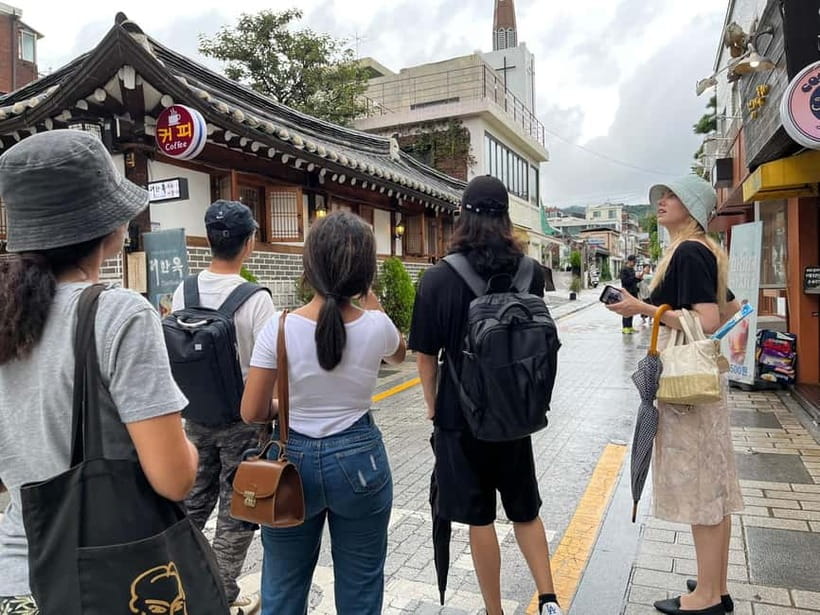
Bukchon is described as a place that carries the spirit of earlier Korean ancestors through a 600-year-old urban history. That’s a big claim, but you feel what it means while you’re walking. Streets and viewpoints are naturally compressed in places, and the contrast between old structures and modern Seoul nearby is part of the visual story.
The tour’s setting also helps with the “why should I care?” question. You can read about tradition anywhere, but standing in the same kind of environment where that tradition continued for centuries gives you a stronger sense of continuity. You start seeing how buildings, neighborhood boundaries, and even street flow contribute to how people lived.
I also appreciate that the tour positions Bukchon in relation to known landmarks like the area north of Cheonggyecheon Stream and around Jongno. That matters because it helps you orient yourself mentally. You’re not lost in the past—you’re placing it inside the modern map of Seoul.
Entering Hanok houses: how the tour turns architecture into everyday life
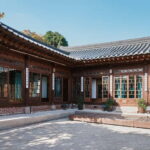
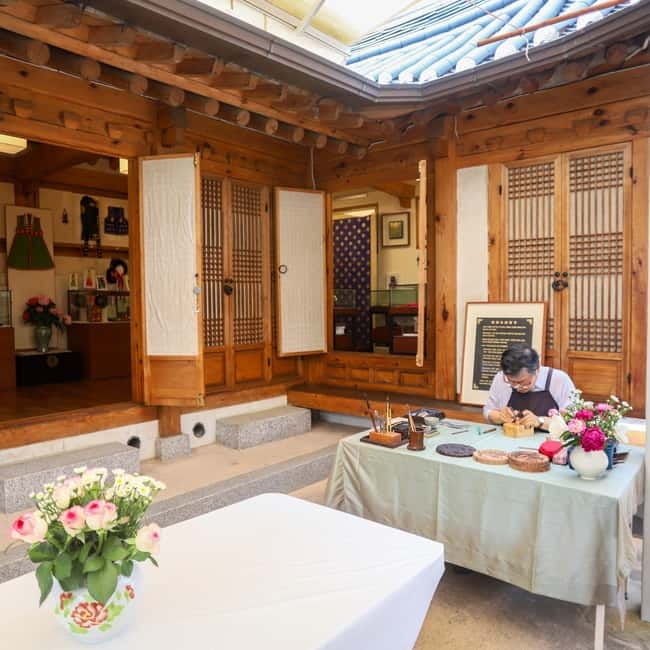
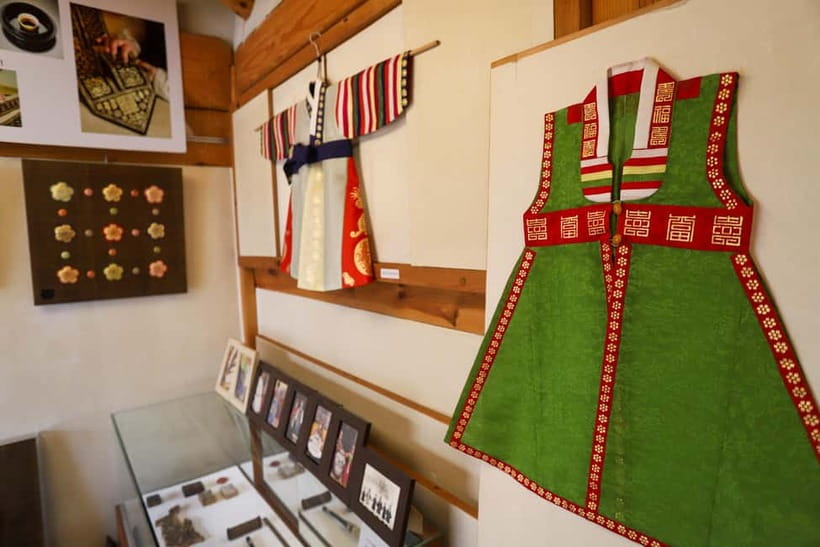
The main payoff is the way the tour approaches Hanok houses from various periods. Instead of treating Hanok as one uniform template, the guide explains the unique features of houses and how they transformed over time. That means you’re not just collecting visuals—you’re learning to “read” what you see.
A key detail from the guide experiences: you get shown the village and the interior of typical houses. That’s important. Exteriors tell you what’s on the outside. Interiors tell you how space works—where daily activities likely happened, how rooms relate, and what the home’s structure is trying to do.
At least one guide experience highlighted Alan showing interiors with enthusiasm and courtesy, and doing it without making you feel rushed. That “not rushed” feel is underrated. When you slow down, you notice small relationships: how entrances align, how courtyards function as a breathing space, and how a house’s layout changes the mood when you stand inside it.
If you’re the type who likes photos, you’ll probably appreciate the added bonus mentioned: Alan was also described as a good photographer. Even if you don’t care about photos, that skill often translates to timing and angles—helpful when you’re trying to capture a place that has a lot of narrow visual corridors.
The tea-house pause: coffee or tea that makes the day feel humane
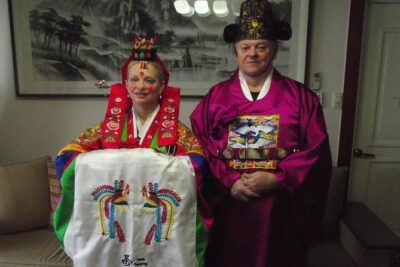
This tour includes a coffee or tea stop, and the tone of that break matters. In one described experience, the guide took the group to a beautiful tea house and offered tea and sweets. That’s more than a snack. It’s a chance to catch your breath and let the information settle.
Think of it like a reset button between the architecture and the culture. You can walk through hanok spaces and absorb details, then step into a quieter moment that fits the setting. It also gives you time to ask follow-up questions—because when the guide has momentum, you might not feel like you can interrupt. A tea pause creates a natural window for conversation.
If you’re worried about the tour feeling too dry or too lecture-like, this tea-house element is one of the reasons it works. It keeps the afternoon from turning into only “look, listen, move on.”



What you really get for $54 per person (and why it can be good value)
At $54 per person, this isn’t a bargain-basement activity, so you should judge it by what’s included and what you learn.
Here’s the value math I’d use:
- You get a local guide who provides English commentary.
- You get coffee or tea, plus the experience is framed around meaningful context: Hanok architecture, Bukchon’s history, and cultural ideas like OraeGage.
- You’re not only viewing the neighborhood; you’re also getting access to typical house interiors (as described in guide experiences).
If you’ve ever paid for a “walk-by” tour where you mostly follow a route and take pictures, this feels different. The guide-focused storytelling plus interior viewing makes the price easier to justify. You’re paying for interpretation and access, not just a map and a starting point.
Is it expensive for Seoul? It depends on your travel style. But if you want a clearer understanding of what Hanok is and how it changed, and you want that with a guide who’s described as courteous, enthusiastic, and not rushing, the cost starts to feel reasonable.
The best way to approach this tour: slow down and ask questions
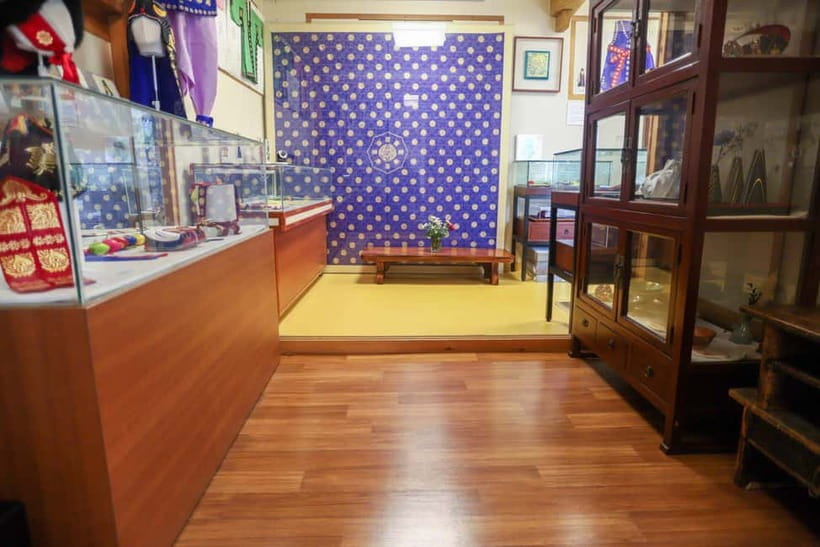
If you do Bukchon on your own, you can still see a lot. The difference here is that you don’t have to guess what matters. The tour’s structure is built to teach you:
- what Hanok is,
- how it evolved through eras,
- and how Bukchon’s preserved environment ties the past to the present.
So my advice is simple: don’t try to “finish” the village. Try to understand it. When you see a detail that looks different from another hanok house, treat it like a question, not just a background pattern.
Also, bring a mindset that fits the pace. One described experience noted the guide didn’t rush. That usually means you’ll get better context if you pause when the guide pauses—then ask what you’re seeing. Even one or two thoughtful questions can make the rest of the tour click.
Who should book the Bukchon Hanok Village walking tour
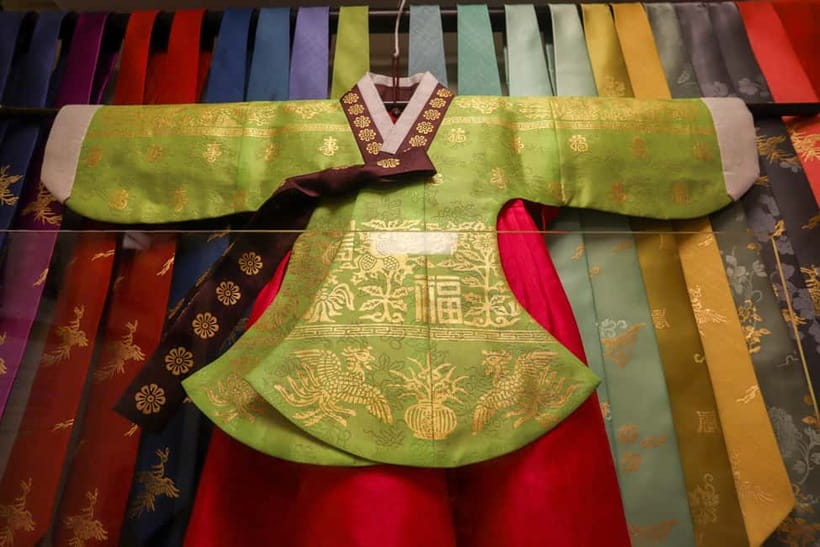
This tour is a strong match if:
- you’re curious about Hanok architecture and want context that goes beyond surface visuals
- you like guided history told through real places
- you enjoy slower, calm walks in the middle of a busy city
- you want an English-language guide who can explain features clearly
It might not be ideal if you:
- need a tightly scheduled, see-everything-in-one-hour style plan
- dislike walking on uneven streets and in and out of viewpoints
- want a purely photo-driven route with no explanations
That’s not a criticism—just a match issue. Bukchon rewards attention. If you give it attention, the tour gives you a better story back.
Before you go: shoes and a realistic mindset for Bukchon streets

The tour advice is straightforward: wear comfortable shoes. Even if you’re fit, you’ll likely be walking longer than expected because Bukchon’s streets can be uneven and curvy, and hanok areas invite short stops for photos and explanations.
If you’re sensitive to crowds, plan to arrive early and keep your expectations flexible. On weekends and holidays, reservations can’t be confirmed, so it’s smart to have a backup plan for that time of week.
And if you prefer to communicate quickly, note that the meeting details are shared via email/WhatsApp. That’s helpful because Bukchon tours can change slightly based on the group.
Should you book this tour?
I’d book it if you want more than pictures. For $54, you’re paying for guide storytelling, a culturally focused walkthrough, and time to see typical hanok interiors plus a coffee or tea break. The strongest praise centers on a guide like Alan explaining Bukchon history with enthusiasm and showing interiors without rushing, even offering a tea-house pause with tea and sweets.
I’d think twice if you’re only in Seoul for a strict “hits list” day. This is better as an afternoon activity where you can slow down and actually understand the place you’re in.
If your goal is to leave Bukchon with a clearer sense of what Hanok is, how it changed, and why Bukchon’s preserved character matters, this is a solid choice.
FAQ
Where does the tour start?
The tour starts at Anguk Station Exit no. 3 (Subway Line 3).
Does this tour end back at the same meeting point?
Yes. The activity ends back at the meeting point.
How much does the Bukchon Hanok Village walking tour cost?
The price is listed as $54 per person.
What’s included in the price?
The tour includes a local tour guide and coffee or tea.
Is traveler’s insurance included?
No. Traveler’s insurance is not included.
What language is the tour offered in?
The tour is offered in English.
What should I bring?
Wear comfortable shoes.
Are reservations confirmed on weekends or holidays?
Reservations cannot be confirmed on weekends and holidays.
What happens if the group is too small?
If the number of participants is under 4, the tour will be canceled. The cancellation notice is sent by WhatsApp.
What are the cancellation terms?
Cancel up to 24 hours in advance for a full refund. No refund is issued for a no-show or cancellation on the day of the tour.