REVIEW · SEOUL
Small Group DMZ Tour from Seoul Korea with North Korean Defector
Book on Viator →Operated by Sunny Seoul Korea Tour · Bookable on Viator
This DMZ tour stands out because you get a former North Korean elite guide perspective and enough small-group time to ask real questions. You’re not just checking boxes, you’re learning how the peninsula got here and what the DMZ means on the ground.
I like that the day is built around clear, high-impact stops with admission included at each major site. You’ll also move in a small enough group that your guide can adjust the pace and answer follow-ups without shouting over everyone.
One thing to consider: the defector portion and English/translation quality can make or break the experience, so manage expectations and be ready to lean on interpretation during the conversation.
In This Review
- Key points at a glance
- The morning start that sets the tone
- Small-group touring: where your questions actually go
- Imjingak Pyeonghwa Nuri Park: the DMZ’s backstory in one place
- North Korea Experience Hall: what division looks like through daily-life exhibits
- DMZ time: the Military Demarcation Line zone in real sightlines
- The Third Tunnel: engineering, fear, and why it still matters
- Dora Observatory: a long view with heavy context
- Suspension bridge options: a mental breather with big views
- North Korean defector meeting: what it adds and how to prepare
- Price and value: what $65 really covers
- Who this DMZ tour suits best
- Should you book this DMZ small-group tour?
- FAQ
- What time does the tour start?
- How long is the DMZ tour?
- Is pickup offered?
- Do I need a passport?
- Are admission fees included?
- Is lunch included?
- Is the defector meeting included?
- Is the suspension bridge optional?
- FAQ
- What is the cancellation window?
- How many people can be on the tour?
- Is the tour physically demanding?
- Is hotel drop-off included?
Key points at a glance
- Former North Korean elite guide lens for how people on both sides understand the division
- Small-group pacing that leaves room for questions instead of nonstop rushing
- DMZ highlights plus major exhibits with admission included (no surprise add-ons at stops)
- Third Tunnel and Dora Observatory as the day’s most intense visual moments
- Optional suspension bridge time for views and a break from the hard geopolitics
- North Korean defector meeting is option-based, so confirm it before you go
The morning start that sets the tone
The tour begins at 6:40am in Seoul, which is early enough that your day feels purposeful instead of dragged. You’re leaving before crowds fully form, and you’ll be working around the limited visiting windows that come with DMZ-area checkpoints.
You’ll also be glad the ride is air-conditioned. Even if Seoul is mild in the morning, DMZ day tours can turn into long, busy stretches of standing, waiting, and walking. A comfortable vehicle helps you save your energy for the sightseeing parts that actually matter.
This is a 7 to 8 hour day. Expect it to feel like a full day out, not a quick morning loop. Wear shoes you can stand in. If you’re moderately fit, you’ll be fine with the walking, photo stops, and the standard “tour rhythm” of moving from one site to the next.
You can also read our reviews of more tours and experiences in Seoul.

Small-group touring: where your questions actually go
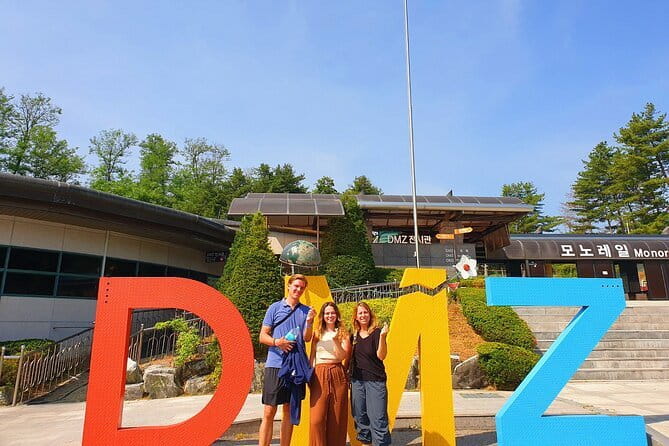
One of the biggest reasons I recommend this style of DMZ day trip is the small-group format. With fewer people than the big-bus tours, it’s easier to ask follow-ups and get answers that aren’t just generic talking points.
In practice, that means you can spend more time on things that connect emotionally and historically, not just visually. The guide can also steer you toward what to notice in the exhibits—signposts, timelines, terminology, and how the sites are explained.
The group size cap is up to 45 travelers, which can still be busy, but the tour’s marketing emphasis on small-group interaction is key. If you’ve ever been on a DMZ tour where your main contribution was staying quiet, this one is trying to give you a voice.
Imjingak Pyeonghwa Nuri Park: the DMZ’s backstory in one place
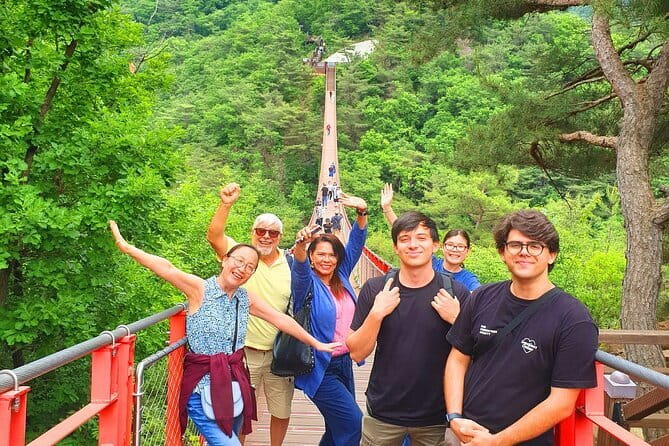
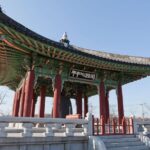
Your first stop is Imjingak Pyeonghwa Nuri Park, located in Paju. This site works like a human-level introduction to division. It’s not just a viewpoint. It’s a place designed to help visitors understand separation, families, and the long tension that still shows up in daily life and politics.
A practical way to enjoy this stop is to go slow and use your guide to clarify terms. DMZ sites tend to overload visitors with facts fast—years, names, acronyms, and agreements. If you let your guide frame the big picture at the start, the later stops feel more coherent.
Admission is included, which makes it easier to commit fully to the moment instead of doing the math in your head. Give yourself time to read, absorb, and ask questions here, because later you’ll be focused on the most intense “I’m really here” parts of the day.
North Korea Experience Hall: what division looks like through daily-life exhibits
Next up is the North Korea Experience Hall, an exhibition and experiential space meant to show the reality of Korea’s division and day-to-day life in North Korea.
This is one of those stops where the details matter. The value isn’t just seeing objects or images. It’s learning how the hall organizes the story: what it emphasizes, how it contrasts North and South, and how it links daily routines to the broader political structure.
Your guide’s explanations can turn the exhibits from “interesting images” into useful context—things like how ordinary life changes under a closed system, and why the same peninsula can feel so different to people living there.
Again, admission is included, and the stop is about 1 hour. If you want to get your money’s worth, use that hour to ask questions that you’re too shy to ask later at more crowded sites.
DMZ time: the Military Demarcation Line zone in real sightlines
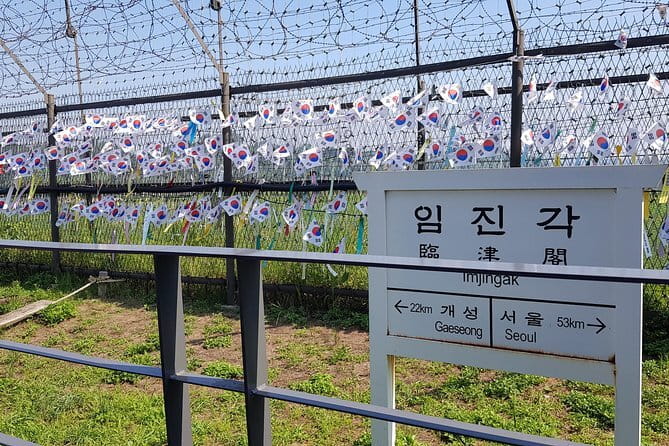
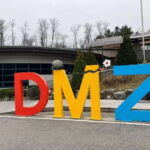
Then you get the core moment: the DMZ stop itself. The tour frames this around the establishment of the Military Demarcation Line (MDL) and the truce framework after 1951.
At this stage, keep your expectations grounded. You’re seeing a controlled border-area viewing experience, not walking around freely like a normal sightseeing area. The value is in the perspective: how distance works here, how the boundary shapes landscapes, and how the place is presented to visitors.
Use your guide to translate what you’re seeing. The DMZ can look like “just land” if you don’t know what the lines and facilities mean. When you do understand the basics, small details start clicking—why certain structures exist, what distance implies, and how the area is protected.
Admission is included, and the stop is about 1 hour. That hour feels short once you realize you’re looking at the result of decades of negotiation, threat management, and political hardening.


The Third Tunnel: engineering, fear, and why it still matters
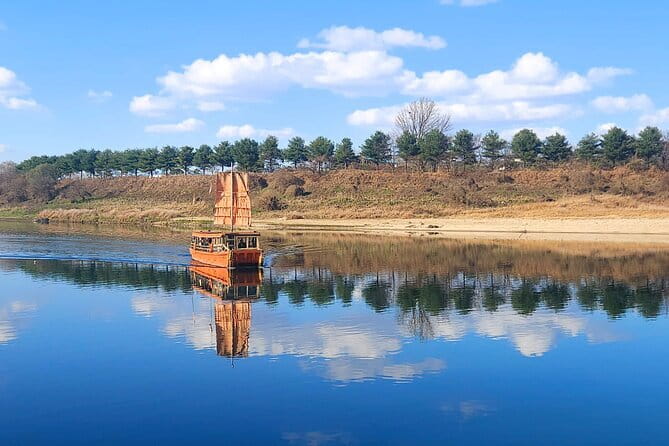
The Third Tunnel stop takes you to a major story site: an infiltration tunnel dug by North Korea with the goal of surprise attack on the South. It was discovered in 1978.
This is where many people feel the DMZ in a more physical way. Tunnels are not abstract history. They’re engineering, planning, and a literal path that symbolizes intent. Even if you’re not a technical person, the explanation helps you understand why tunnel warfare mattered in the early Cold War era and why it changed how both sides thought about security.
Your tour time here is about 1 hour, and admission is included. If you like history told through tangible evidence, this stop is one of the most meaningful points of the day. If you don’t like enclosed or detailed spaces, you may still find the explanation and story framing more important than the tunnel visuals themselves.
Dora Observatory: a long view with heavy context
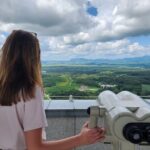
Next is Dora Observatory, described as your window to North Korea. It’s known for giving visitors a rare chance to see far across the border area from a controlled viewing spot.
The emotional weight here comes from the contrast between the scenery and the political reality behind it. You might see distant terrain and call it geography. Your guide will push you to see it as a boundary shaped by strategic choices.
The stop is about 2 hours, which is longer than the other main sites. That extra time usually matters because it lets you sit with what you’re seeing, listen to the framing, and move at a steadier pace. It also helps if you want photos without feeling you’re rushing through the viewing moment.
Admission is included, and this tends to be the stop people remember most for the sheer “how is this possible” reaction.
Suspension bridge options: a mental breather with big views
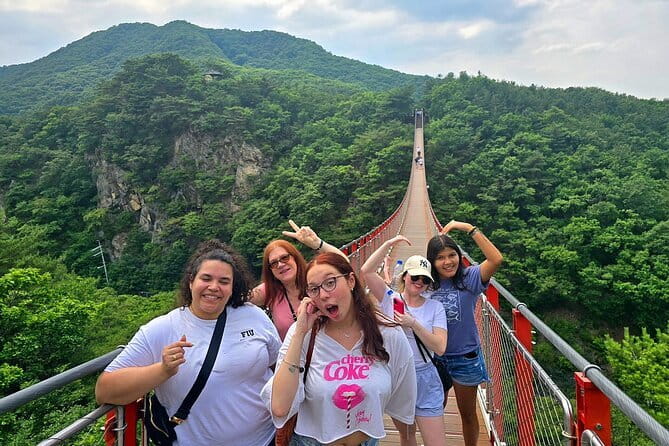
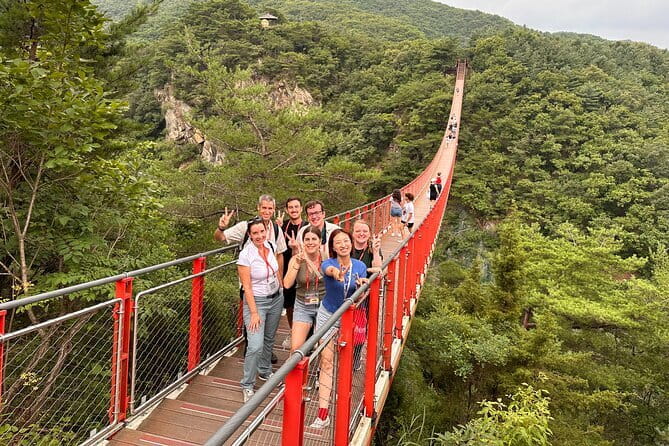
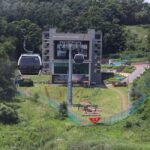
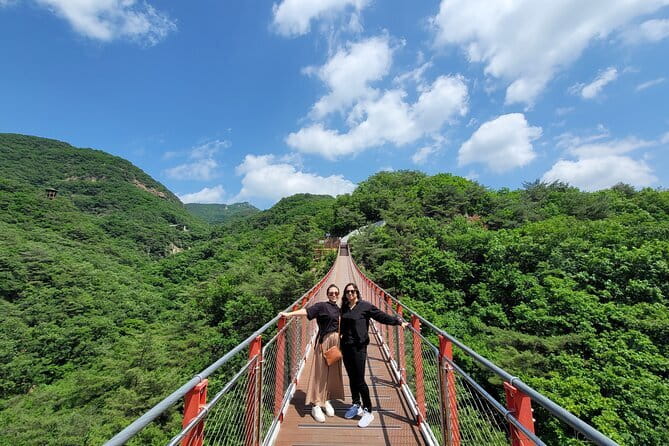
There’s an optional stop: Gamaksan Suspension Bridge (also described as the Gamaksan Chulleong Bridge). It’s listed as a thrill-focused break from the heavier border narrative, with a note that it was once Korea’s longest suspension bridge, spanning 220 meters.
Even if you’re not the adrenaline type, suspension bridges are fun because they give you a quick reset. You shift from political geography to physical experience—height, wind, and views.
Separately, if you select the option for the Red Suspension Bridge, that’s included as well. The red bridge becomes another photo-friendly highlight, and it can be a nice contrast to the gray seriousness of the DMZ sites.
My practical advice: if you’re sensitive to heights or strong winds, decide based on your comfort level ahead of time. If you’re fine with standing out in the elements for photos, this is a good bonus.
North Korean defector meeting: what it adds and how to prepare
If your option includes the meeting with a North Korean defector, this is the most human part of the tour. Not in a sentimental way—more like a reality-check. Exhibits explain systems. A personal story can make those systems feel real.
That said, this is also the portion where communication can vary. The tour relies on interpretation support, and English clarity can depend on the speaker and the translator’s work. Some people will find it smooth and moving; others may struggle to catch details if the interpretation pace doesn’t match your expectations.
Here’s how you can make this segment work for you:
- Go in with a listening mindset, not a strict “perfect English” expectation.
- Prepare one or two questions in your mind that you truly want answered, even if your phrasing isn’t perfect.
- Focus on themes the guide emphasizes: why choices were made, what daily life feels like, and what the defector wants visitors to understand.
If you’re doing the DMZ mainly for history and visuals, you’ll still get plenty without the defector meeting. But if you care about the personal side of division, this option can be the moment that gives the whole day meaning.
Price and value: what $65 really covers
At $65 per person, this tour is positioned as a value day that bundles transportation and key DMZ-area admissions.
Here’s what you get that reduces hidden costs:
- English-speaking licensed professional guide
- Air-conditioned transportation
- All fees and taxes
- Photo opportunities built into the stops
- Admissions included at the main sites (Imjingak Park, Experience Hall, DMZ, Third Tunnel, Dora Observatory)
- Optional extras: North Korean defector meeting and the Red Suspension Bridge (when selected)
What’s not included is straightforward: lunch and hotel drop-off. You can request restaurant recommendations, but you’ll still want a plan for food timing on a full day that starts at 6:40am.
If you’re comparing costs, the key value logic is simple: DMZ day trips can become expensive once you add up admissions and transport. Here, most of those “must-pay” pieces are packaged into the price, so you’re not doing math during a long day.
Who this DMZ tour suits best
This tour fits you best if you want:
- A guided explanation rather than a solo “drive and hope” day
- Small-group pacing so you can ask questions
- Big visual stops like Dora Observatory plus evidence-based sites like the Third Tunnel
- The option for a defector meeting if you want the human layer added
It’s also a smart choice if you’re short on time in Seoul. In one go, you get multiple high-signal stops that are hard to stitch together efficiently on your own.
If you dislike early starts, long waits, or you need very quiet, flexible pacing, you may find this kind of structured day tiring. But if you want a one-day DMZ experience with context and built-in translation support, this is exactly the kind of itinerary that works.
Should you book this DMZ small-group tour?
If you’re choosing between a generic DMZ outing and one with more guided context, I’d lean toward booking it—especially because the day includes major sites with admission fees built in and a guide who can keep the story connected.
Book it if:
- You want DMZ + Third Tunnel + Dora Observatory in one shot
- You like the idea of question time in a smaller group
- You’re open to interpretation during the defector meeting
Consider alternatives if:
- You’re specifically relying on the defector conversation for your experience, and you’re unwilling to deal with translation variability
- You need lots of free time at each stop with zero tour pacing
Overall, it’s a practical, full-day way to understand one of the world’s most unusual border realities, with enough guided framing to make the sights stick.
FAQ
What time does the tour start?
It starts at 6:40am.
How long is the DMZ tour?
Plan on 7 to 8 hours total.
Is pickup offered?
Yes, pickup is offered.
Do I need a passport?
Yes, a current valid passport is required on the day of travel.
Are admission fees included?
Yes. Admission tickets are included for the listed stops.
Is lunch included?
No, lunch is not included. You can ask for restaurant recommendations.
Is the defector meeting included?
A meeting with a North Korean defector is included only if that option is selected.
Is the suspension bridge optional?
Yes. Gamaksan Suspension Bridge is listed as optional, and the Red Suspension Bridge is included if you select that option.
FAQ
What is the cancellation window?
You can cancel for a full refund up to 24 hours before the experience start time.
How many people can be on the tour?
The tour has a maximum of 45 travelers.
Is the tour physically demanding?
It requests moderate physical fitness.
Is hotel drop-off included?
No, hotel drop off is not included.