Four stops. One smooth way to get oriented. This private walking tour threads together Seoul’s traditional streets, a major Buddhist temple in the city center, a classic market food stop, and the big-hitter palace visit with admission included. You get a local host who can adjust the route and share both day-to-day life and stories behind what you’re seeing.
I like the private setup because it stays focused on your pace and interests, not a factory line. I also love that Gyeongbokgung Palace admission is included, so you’re not juggling tickets while you’re trying to enjoy the day.
One watch-out: you’ll be walking and standing for hours, and the tour is listed for moderate physical fitness. On a hot day, you may want to bring water and a hat, and be ready for a route that includes plenty of sidewalks.
In This Review
- Key points worth knowing
- Pricing and what you actually get for your money
- How the 3-hour walk works (and why the timing feels right)
- Stop 1: Gwangjang Market for food culture and quick local shopping
- Stop 2: Jogyesa Temple for an urban calm break
- Stop 3: Bukchon Hanok Village for hanok streets and viewpoint moments
- Stop 4: Gyeongbokgung Palace for stories tied to the real place
- The guide experience: why some days feel magic and others feel flat
- What’s included (and what you’ll likely pay for yourself)
- Who this tour suits best (and who might want to skip it)
- Should you book this private Seoul walking tour?
- FAQ
- How long is the Highlights & Hidden Gems with Locals: Best of Seoul Private Walking Tour?
- Is this tour really private?
- Which major attraction has admission included?
- What stops are included in the walking route?
- Is food included?
- Is hotel pickup included?
- Can I cancel for a full refund?
Key points worth knowing
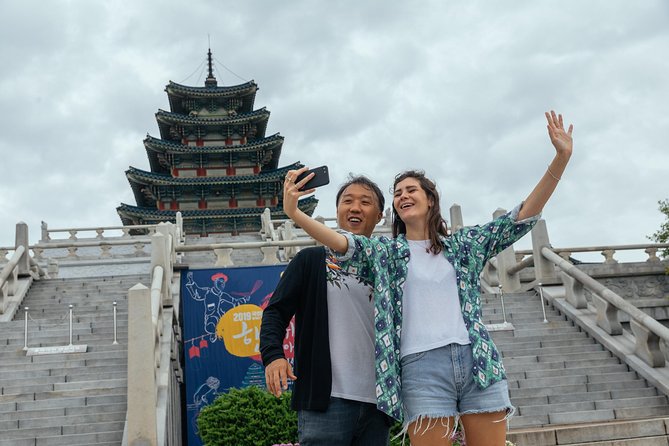
- Private and tailored: it’s just your party with a local guide, so you can ask questions and shape the stops.
- Ticket included at the big palace: you’ll enter Gyeongbokgung Palace with admission taken care of.
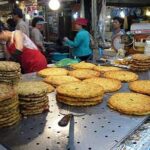
- A market stop with a famous snack: Gwangjang Market is known for Bin Dae-tteok (mung bean pancake) and long-running local food culture.
- Central temple visit: Jogyesa Temple is in the heart of the city and linked with lotus lanterns and plants.
- Hanok streets for photos and slow wandering: Bukchon Hanok Village brings you to preserved traditional houses and viewpoint energy.
- A small tasting is included: you’ll get 1 local drink/tasting, with other food likely available to buy on-site.
Pricing and what you actually get for your money
At about $123.22 per person for a roughly 3-hour private walking tour, this isn’t the cheapest way to see Seoul. The value comes from two things: a local guide for a fixed block of time, and the fact that Gyeongbokgung Palace admission is included in the package. If you’re planning to visit the palace anyway, that already helps justify the price.
The other part of the deal is less “check-box” and more real-life helpful: you’re not just moving from sight to sight. You’re walking with someone who can explain what matters, point you toward less-obvious streets, and tailor suggestions for what to do next. Several guides named in recent experiences showed a strong ability to make the day practical—helping with directions, photos, and even transit basics for first-day visitors.
That said, a private guide is only as good as the match. The positive reports highlight guides who were engaging and flexible, while the worst reports point to communication or pacing issues. So treat this as a guide-experience product, not a guaranteed script.
You can also read our reviews of more walking tours in Seoul
How the 3-hour walk works (and why the timing feels right)
This tour is designed as a compact loop through areas that are close enough to walk, with a plan that mixes “stop and look” moments and “keep moving” moments. The schedule also breaks up attention: one market, one temple, one traditional neighborhood, and then the palace.
That structure matters because Seoul’s top sights can blur together fast. A market stop gives you a taste of everyday Korea (and gives you an excuse to buy something small). A temple stop slows the pace and gives context about spiritual life. Bukchon adds architecture and street texture. Then Gyeongbokgung lands you with the grand historical scale.
If you’re new to the city, this is a smart first-day or second-day activity because it helps you understand where things are and what kinds of stories you should listen for when you explore on your own afterward.
Stop 1: Gwangjang Market for food culture and quick local shopping
Your day starts at Gwangjang Market, one of the city’s long-running places to eat and browse. It’s described as a lively food market with authentic goods and treats, and it’s especially known for Bin Dae-tteok, a popular mung bean pancake snack. The market is noted as over 100 years old, which is exactly the kind of detail that helps you understand why this place feels like a living institution rather than a curated tourist market.
What I like about this start is the “momentum effect.” You begin with sensory input—smells, sounds, crowds, and the rhythm of ordering—so the rest of the walking feels less like museum time and more like city time. It also helps you learn what kind of food to look for later, even if you don’t want to eat a lot right then.
Practical consideration: markets can be crowded and warm. Wear shoes that can handle uneven floor spots and plan to move with the group. Since only 1 local drink/tasting is included, you might still want to budget for extra snacks if you’re hungry.
Stop 2: Jogyesa Temple for an urban calm break
Next comes Jogyesa Temple, set in the city center. It’s listed as one of the most important Buddhist temples in Korea and a symbol of Korean Buddhism, with construction dated to 1395. You’ll also see why the temple is associated with lotus lanterns and plants—details that make it feel more like a meaningful place of practice than a photo-only stop.
This is a good reset after the market. The market is active and fast-moving; the temple is slower, more grounded. Even if you’re not a temple person, the contrast helps you read Seoul better—this city can feel intense, but it has pockets of stillness built into daily life.
Time-wise, you’re there for about 30 minutes, so you won’t spend half the day in silence. It’s long enough for orientation: where to look, what the space is meant to communicate, and what to notice on your own later.
Stop 3: Bukchon Hanok Village for hanok streets and viewpoint moments
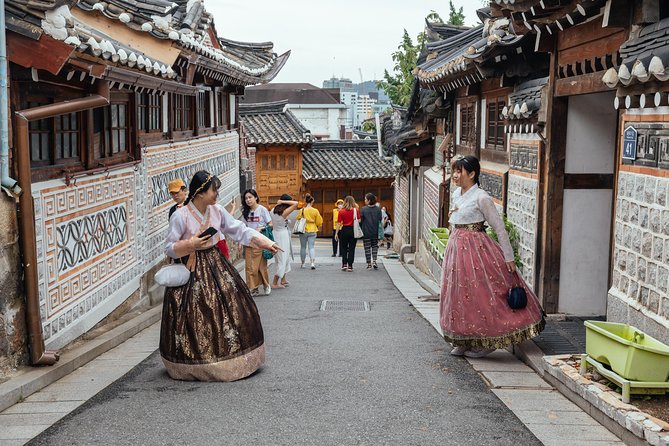
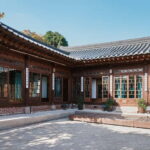
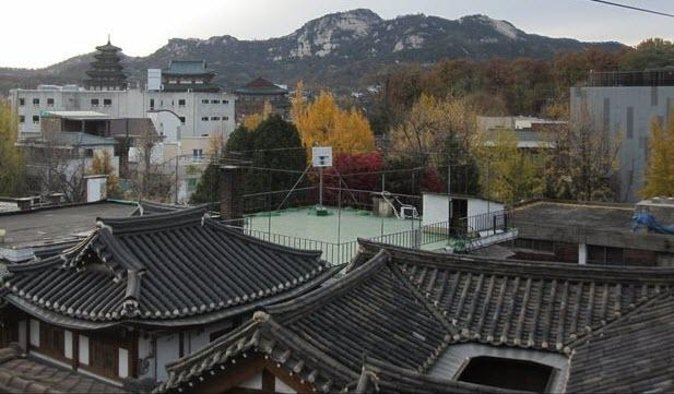
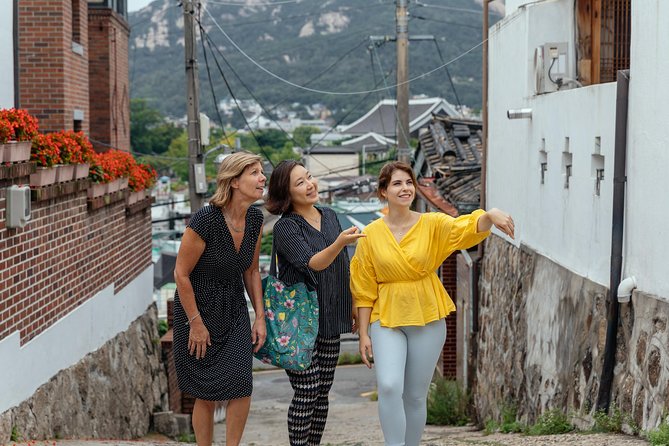
Then you head into Bukchon Hanok Village, a preserved neighborhood of traditional hanoks (traditional Korean houses). It’s described as dating back almost 600 years, which is a big reason the streets can feel like walking through a layered time capsule.
What makes this stop valuable is how it changes your mental map. Before Bukchon, Seoul can feel like big landmarks and wide roads. After Bukchon, you start noticing the human scale: doorways, rooflines, lanes that bend, and viewpoints that pop up when you turn a corner.
In multiple positive experiences, guides were praised for showing nicer off-the-beaten-path views around this area. One guest highlighted how guide Jin helped find quieter, more interesting angles, even on a very hot day. Another report described a guide adjusting the plan when the weather was intense—bringing fans and umbrellas and even switching to a ride when walking got too much. That kind of flexibility is what makes Bukchon more than a checkbox; it becomes a pleasant walk with good payoffs.
Practical consideration: you should expect uneven surfaces and lots of stair-like street gradients in older neighborhoods. If you have mobility limits, you’ll want to ask your guide for a version of the route that avoids the hardest stretches.
You can also read our reviews of more private tours in Seoul

Stop 4: Gyeongbokgung Palace for stories tied to the real place
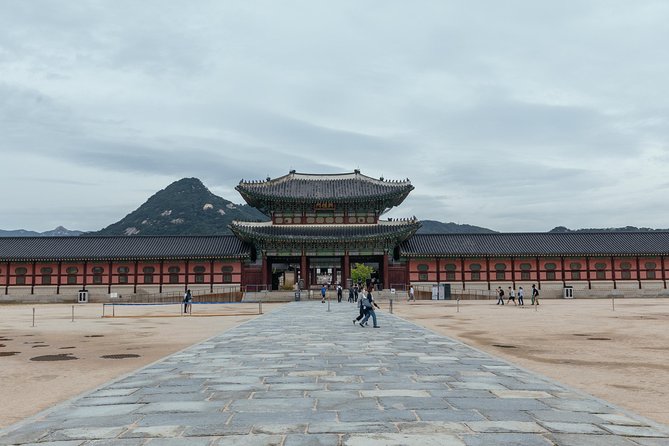
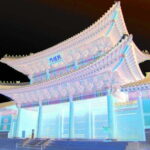
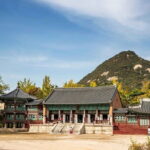
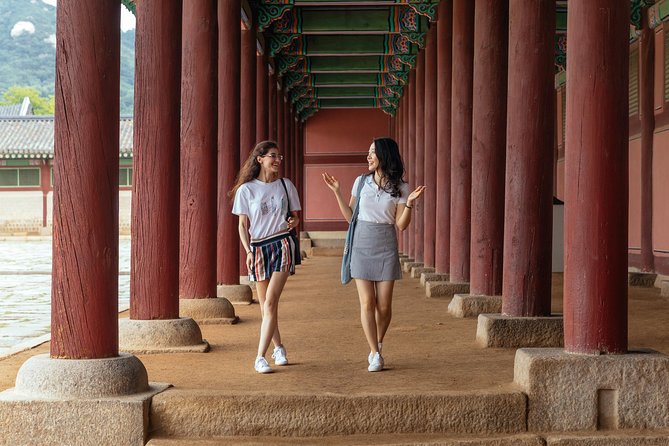
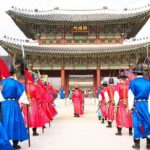
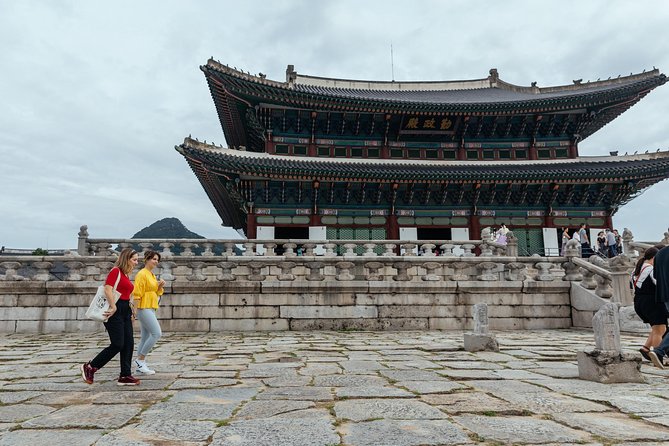
The centerpiece stop is Gyeongbokgung Palace, a palace from the 14th century area described in the tour overview. You’ll spend about 30 minutes here, and admission is included.
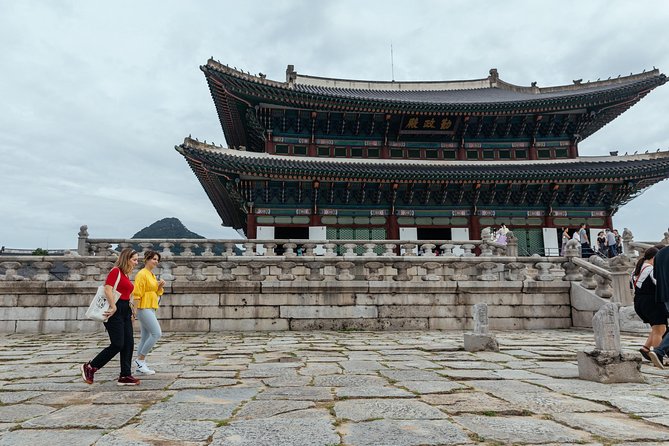
Short palace time can feel risky if you love deep museum-style explanations. But in this format, the palace visit is a “sense-making” stop. A good guide turns a quick visit into a set of memorable story cues: what you’re looking at, what each section meant, and why the palace matters in how Korea represents itself today.
This is also the stop where you’ll feel the guide’s skill the most. In positive experiences, guests specifically singled out palace explanations and enjoyable storytelling—people mentioned guides stopping for photos and giving clear background so the palace didn’t feel like random buildings.
One balanced reality: if your main interest is just taking photos and you don’t care about historical context, the time inside may feel short. One less-positive report said the palace wasn’t the main interest for that person, even though they still enjoyed other parts like Bukchon.
The guide experience: why some days feel magic and others feel flat
This tour lives or dies by the local guide. That’s not a knock; it’s how private walking tours work.
On the positive side, several named guides stood out for practical and friendly help:
- Sarah was praised for being engaging and full of local knowledge and for giving an excellent first-day orientation.
- Cristina was praised as professional and helpful, guiding people to many places and keeping the day easy.
- John was highlighted for stopping whenever someone wanted a picture and for making the day fun and educational.
- Ho Jin (Jimmy) was praised for great English and being both knowledgeable and fun.
- Sanghee Priscilla and Sanghee were praised for strong history and even helping with transit basics like bus/subway use and a transportation card.
- Camille was described as sharing passion and making it feel like a walk with a friend rather than a rigid tour.
On the negative side, the worst experiences mentioned limited context, a guide walking far ahead, unresponsiveness through the app, and even missing the meeting time. Those issues are rare, but they’re real enough that I’d advise you to keep your expectations grounded: if you don’t get the communication you need, you can’t enjoy the day.
My practical suggestion: think of this as a conversation-friendly experience. Go in ready with a couple of questions like:
- What should I do next after this area?
- What’s the one thing most first-timers miss?
- Where should I go for photos without big crowds?
That helps you get value even if the guide’s style is more reserved.
What’s included (and what you’ll likely pay for yourself)
From what’s included, you can expect:
- Local guide and private tour for your party
- Ticket for Gyeongbokgung Palace
- 1 local drink/tasting
- No hotel pickup listed
Food isn’t broadly included beyond that one drink/tasting. Since Gwangjang Market is a food hub, you’ll probably want to buy at least one snack, especially if you’re curious about Bin Dae-tteok. Build in a bit of extra cash for small purchases.
One more small but useful note: the tour is CO2 neutral, meaning emissions are offset. It’s not a reason to choose a tour by itself, but it’s a nice extra for travelers who care about impact.
Who this tour suits best (and who might want to skip it)
This is a great fit for:
- First-time visitors who want orientation fast and a local perspective.
- People who like asking questions while walking.
- Travelers who care about a mix: food culture, religion/temple life, traditional architecture, and a major palace.
- Anyone visiting for a short time and wanting one organized loop instead of piecing it together.
You might want a different plan if:
- You hate walking or standing and want a mostly seated experience.
- You only care about deep palace history and museum-level detail, since the palace time is listed at about 30 minutes.
- You’re the type who prefers self-guided exploration without a conversational guide.
Should you book this private Seoul walking tour?
Yes, I’d book it if you want a practical “Seoul orientation day” that mixes famous and less-obvious street moments, and you’re planning to see Gyeongbokgung Palace anyway. The best version of this tour is when your guide is flexible and talkative, and when you go into the day with curiosity instead of a strict checklist.
I’d think twice if you’re very schedule-driven, very sensitive to heat, or you mainly want palace depth. In those cases, you might still enjoy the markets and neighborhoods, but you may find the pace and time split doesn’t match your style.
If you do book, come prepared: comfy shoes, water, and a couple of questions for your guide. That turns a good tour into a memorable one.
FAQ
How long is the Highlights & Hidden Gems with Locals: Best of Seoul Private Walking Tour?
It runs for about 3 hours.
Is this tour really private?
Yes. It’s a private tour with only you & your local guide (your party).
Which major attraction has admission included?
Gyeongbokgung Palace admission is included.
What stops are included in the walking route?
The tour includes Gwangjang Market, Jogyesa Temple, Bukchon Hanok Village, and Gyeongbokgung Palace. There may be additional stop(s) depending on the route your host chooses.
Is food included?
Only 1 local drink/tasting is included. Food beyond that isn’t listed as included.
Is hotel pickup included?
No. Hotel pick-up and drop off are not included.
Can I cancel for a full refund?
Yes. You can cancel up to 24 hours in advance for a full refund. If you cancel less than 24 hours before, the amount paid is not refunded.
![[ Half Day ] Sightseeing, Top 3 spots of Seoul !! - N Seoul Tower: a big view stop with included entry](https://2.letsgoseoul.com/wp-content/uploads/half-day-sightseeing-top-3-spots-of-seoul-400x267.jpg)