REVIEW · SEOUL
From Seoul: 5-Day Tour of Korea with UNESCO Sites
Book on GetYourGuide →Operated by US TRAVEL KR · Bookable on GetYourGuide
Five days, and Korea covers a lot of ground. I like how this route hits major UNESCO sites across Gongju and Gyeongju, and I also like the food-and-coast contrast of Jagalchi seafood market plus Haeundae Beach views. The main drawback to plan around is that in October, the Mt. Seorak portion can be restricted or even skipped.
You start at Gwanghwamun with an English-speaking guide, and then you’re moved by air-conditioned bus between regions. In runs with guides like Justin and Mr. Kim, the schedule has stayed tight even during busy periods such as APEC. The trade-off is simple: lunch and dinner aren’t included, so you’ll want to budget for meals and be ready to eat on the go.
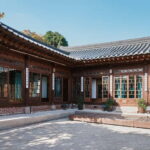
I also like the stops that feel hands-on, especially Andong Hahoe Folk Village, a UNESCO site known for preserved Joseon Dynasty housing and visited by Queen Elizabeth II. One quick heads-up: the Suncheon Bay Garden can have monthly closures, so don’t assume it’s open on your exact day.
In This Review
- Key highlights you’ll feel in your feet and photos
- Why this Seoul-to-Seorak route works
- Day 1: Gongju UNESCO tombs and Gongsanseong fortress, then Jeonju Hanok-area nights
- Day 2: Gwangju’s May 18 National Cemetery, Suncheon Bay Garden, and Admiral Yi’s Yeosu path
- Day 3: Jinjuseong Fortress and Chokseoknu, then Busan seafood at Jagalchi
- Day 4: Seokguram and Bulguksa UNESCO, then Andong Hahoe’s Joseon-era houses
- Day 5: Mt. Seorak National Park, UNESCO biosphere rules, and the Gwongeumseong cable car option
- Price and value: what $999 buys you (and what it doesn’t)
- Hotels and meal reality: breakfast quality helps, but room categories can vary
- Logistics that matter: meeting at Gwanghwamun, KRW cash, and bus limits
- Who this tour suits best (and who should consider another pace)
- Should you book this UNESCO + Seorak tour?
- FAQ
- Where do I meet the guide for the tour?
- Are breakfast and hotel stays included?
- Is lunch or dinner included?
- Will Mt. Seorak always be visited in October?
- If buses are restricted at Seoraksan, how much walking might be required?
- What time does the tour end back in Seoul?
Key highlights you’ll feel in your feet and photos
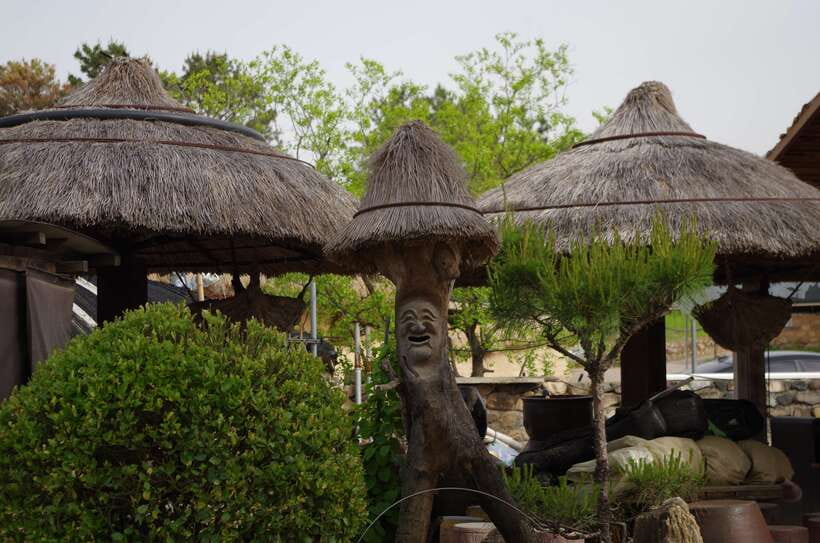
- UNESCO concentration across Korea’s regions: Gongju, Jeonju area, Gyeongju, and Andong Hahoe.
- A reality-check democracy stop: May 18th National Cemetery in Gwangju adds weight to the trip.
- Busan’s seafood energy: Jagalchi Fish Market, then a breather at Haeundae Beach and Dongbaek Park.
- Living Joseon culture: Andong Hahoe Folk Village is preservation you can walk through.
- Mt. Seorak’s nature views with options: cloud-shrouded peaks and a cable car add-on (subject to conditions).
- Hotels with breakfast included: 4 nights in twin/triple sharing setups, with breakfast buffet quality noted.
Why this Seoul-to-Seorak route works
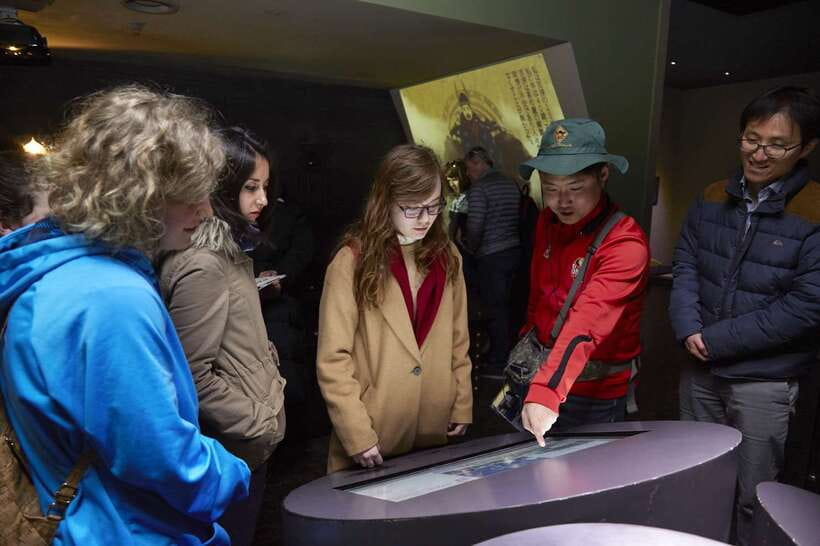
This tour works because it keeps transportation handled for you. In one week you cover major historic districts, market culture, coastal scenery, and a top national park without the daily stress of figuring out intercity routes.
It’s also a smart mix of “world-famous” and “more specific to Korea.” You’ll see UNESCO World Heritage sites, yes, but you’ll also spend time at places tied to modern democratic memory in Gwangju and military history along Admiral Yi’s path in Yeosu.
The only watch-out is pacing. Five days can feel full, and if you’re the kind of person who wants long, slow hours at each site, you may want to add a day. Even with a well-run schedule, you’ll likely wish for just a bit more time in a couple of places and a bit less in others.
You can also read our reviews of more tours and experiences in Seoul
Day 1: Gongju UNESCO tombs and Gongsanseong fortress, then Jeonju Hanok-area nights
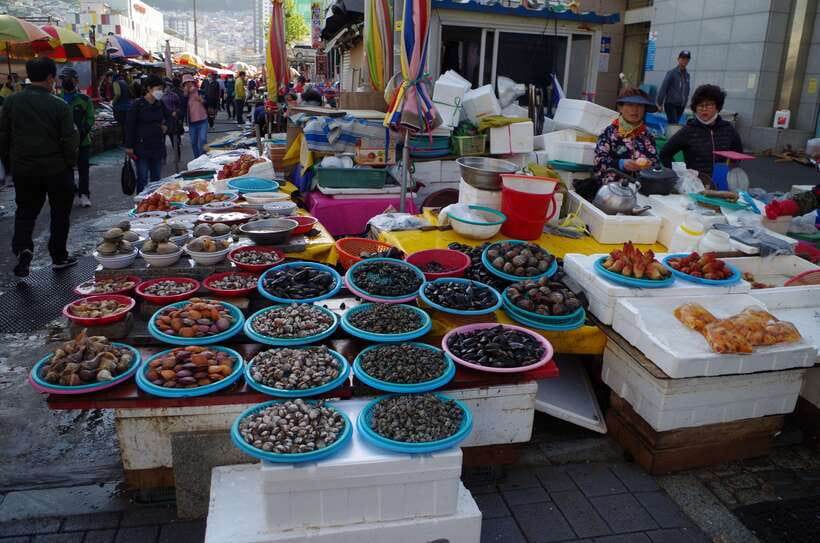
Day 1 starts in Seoul and drives you into central Korea. The first UNESCO stop is The Tomb of King Muryeong, a major historical site you’ll explore with guided context, not just “look and leave.” Next comes Gongsanseong Fortress (UNESCO), where the goal is to understand how this kind of fortification shaped movement and defense in its era.
Then you shift toward a different mood: Jeonju. You check into a hotel close to Jeonju Hanok Village, which is ideal if you want to walk around later without getting stuck in a far-away location. It’s the right kind of first-night setup because Day 2 has a lot of emotional and physical stops.
Practical tip: start Day 1 with comfortable shoes. You’ll spend enough time on foot that your feet will notice the difference between “looks fine” and “actually comfortable” footwear.
Day 2: Gwangju’s May 18 National Cemetery, Suncheon Bay Garden, and Admiral Yi’s Yeosu path
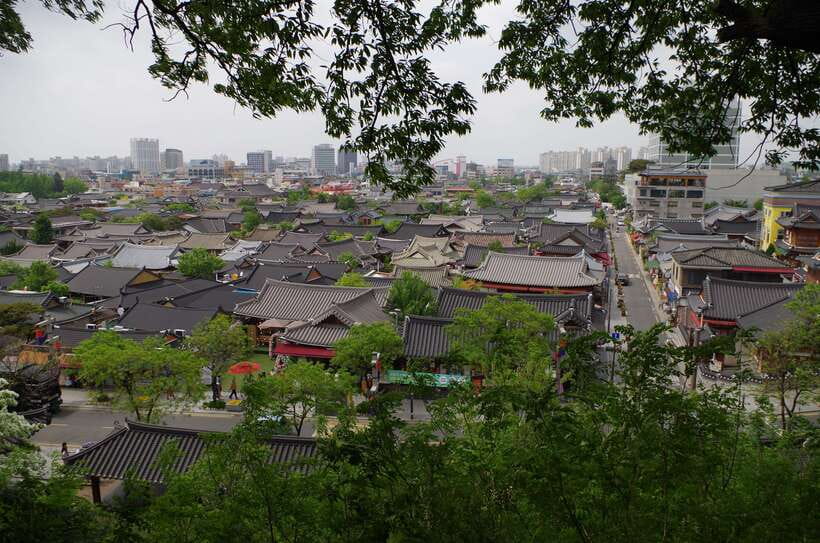
Day 2 carries emotional weight right away. You’ll go to May 18th National Cemetery in Gwangju, a place that helps you understand modern Korean democracy through memorial space and guided explanation. It’s not the same vibe as a palace or fortress, and that’s the point: it adds a real-world layer to the history you’re seeing.
Next is Suncheon Bay Garden, a scenic stop that gives you a calmer rhythm before you hit Yeosu. Then the day ends in Yeosu with the Historic Site of Admiral Yi Sun-sin’s Path, which is a good change from “standing still at monuments.” You’re walking a route tied to a historical figure, so you feel the geography instead of just viewing it.
This day is a good example of why this tour feels efficient. You’re not only ticking boxes—you’re moving through different kinds of “Korea”: memorial culture, garden scenery, and historical storytelling.
One more thing to watch: the Suncheon Bay Garden can have monthly closures. If your exact dates land near a scheduled closure, you’ll want a backup plan for that day’s expectation.
Day 3: Jinjuseong Fortress and Chokseoknu, then Busan seafood at Jagalchi
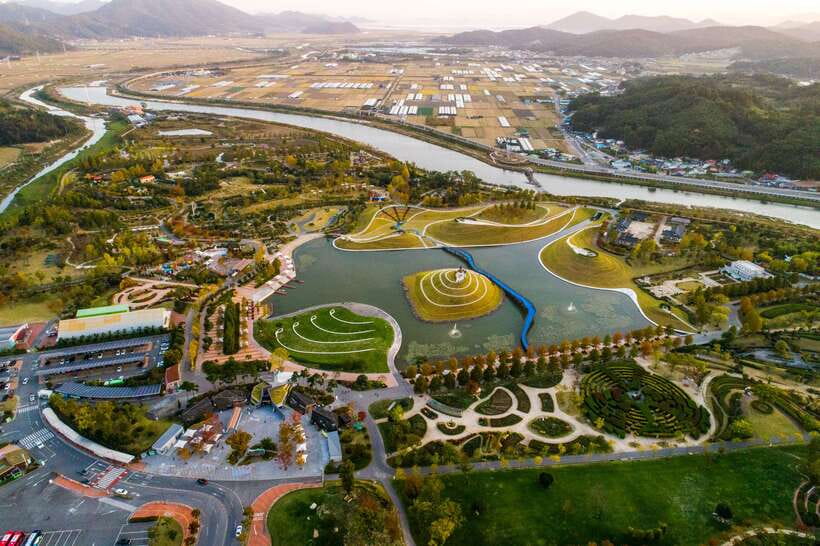
Day 3 starts with a strong historical anchor: Jinjuseong Fortress – Chokseoknu edifice. This is the kind of site where the guide’s timing matters, because understanding the context makes the stonework and structure more than just sightseeing.
After that, you head to Busan, where the pace changes fast. Your stop at Jagalchi Fish Market is built for full senses: sights, smells, and the buzz of a working market. Then you get two classic coastal breaks in a row: Haeundae Beach and Dongbaek Park. This pairing matters because it prevents the day from turning into pure “market overload.”
By evening you’re back on the road again to Gyeongju, known for its ancient cultural density. You check into your hotel, which is useful because Day 4 is UNESCO-heavy.
Practical tip: if you like seafood, keep a little cash and some flexibility. Jagalchi is a place where snacks and casual meals happen naturally, and you won’t want to be stuck waiting for a specific sit-down option.
Day 4: Seokguram and Bulguksa UNESCO, then Andong Hahoe’s Joseon-era houses
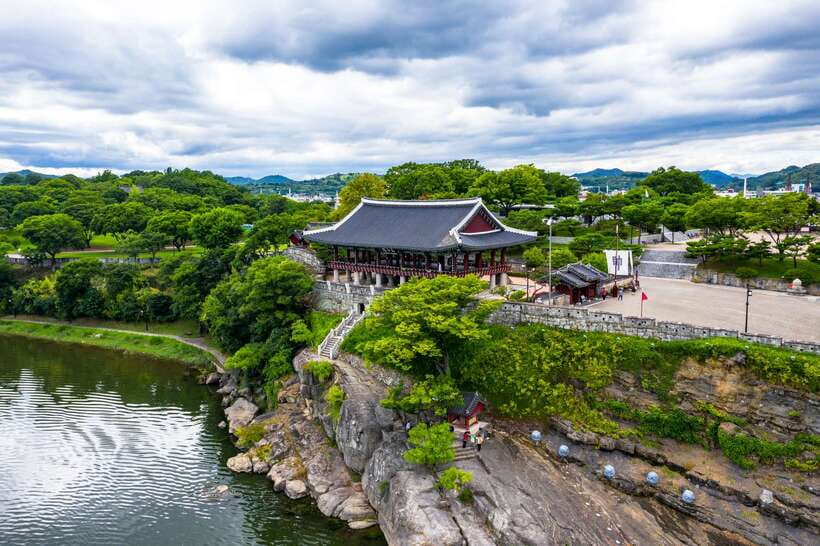
Day 4 is the UNESCO day most people remember. You begin at Seokguram Grotto (UNESCO) and then go to Bulguksa Temple (UNESCO). Together they give you a “Korea’s art and spiritual architecture” feeling, not just isolated monuments. The guide’s explanations help you spot what you’d otherwise miss, especially when you’re standing close enough to notice details.
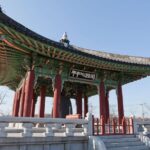
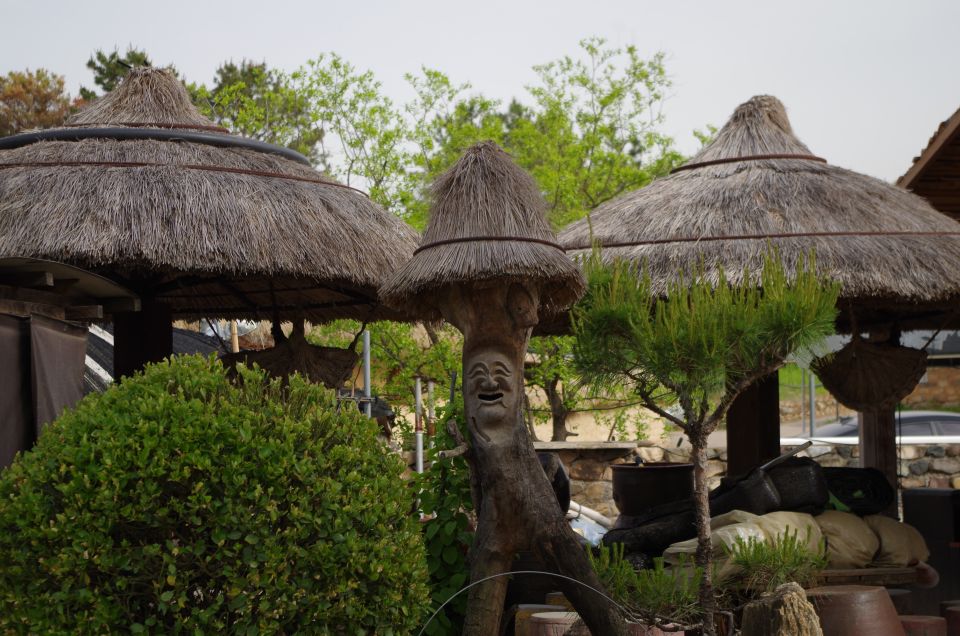
Then you travel to Andong Hahoe Folk Village (UNESCO). This is the living museum stop: preserved Joseon Dynasty ancient housing where the setting matters as much as the buildings. And yes, it’s noted as a UNESCO site visited by Queen Elizabeth II, which adds an extra layer of international recognition.
After the cultural intensity, the day finishes by moving you to Pyeongchang for hotel time. That’s a smart way to avoid running your energy all the way into the last day.
One practical note from real-world experience: hotel rooms can vary by category. In some cases, the chosen room setup has ended up closer to roads or parking areas, which can reduce the comfort factor. If you have the option, ask for a quieter room type when booking.

Day 5: Mt. Seorak National Park, UNESCO biosphere rules, and the Gwongeumseong cable car option
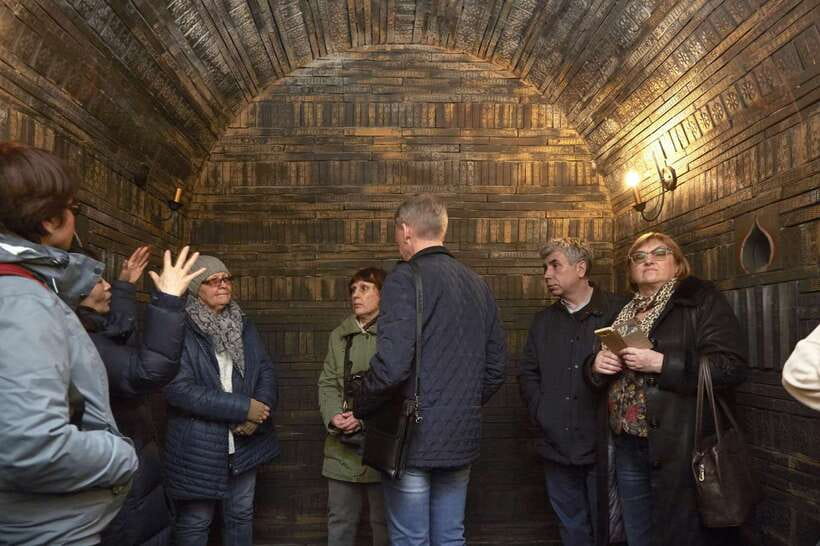
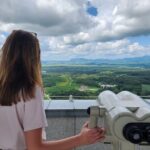
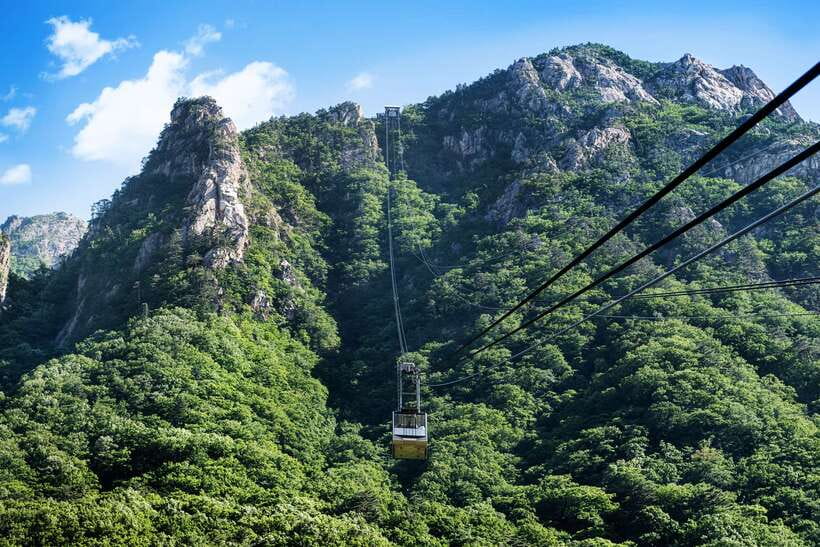
Your final day takes you to Mt. Seorak National Park (UNESCO), part of a UNESCO Biosphere Preservation District. This is where the tour slows down just enough for the views to land. The highlight here is the scenery of valleys and peaks, with water described as jade-like and ridges breaking through cloud cover.
There’s also an optional add-on: the cable car to Gwongeumseong Fortress. The tour notes that this option can connect with plans involving Shinheungsa Temple. Even if you don’t take the cable car, you’ll still get that “big national park” feeling that’s hard to replicate in the city.
Here’s the important logistics reality: in October, visiting Seoraksan can be restricted. The tour warns that buses can be restricted, and you may need to walk 3.6 km from the parking area to the entrance. In some October scenarios, the Seoraksan portion could be skipped, so it pays to treat your dates as a variable, not a certainty.
Practical tip: bring comfortable shoes and expect some walking. Even “optional views” tend to include steps and uphill stretches once you’re in the park.
Price and value: what $999 buys you (and what it doesn’t)
At $999 per person for 5 days, you’re paying for time-saving logistics and trained guidance. What’s included is meaningful: 4 nights hotel accommodation (twin or triple sharing), hotel breakfast, an English-speaking guide, entry tickets for selected attractions, and air-conditioned transportation.
That combination is the heart of the value. Intercity driving across multiple provinces is where independent travel often eats your day and energy. This tour gives you a planned sequence, so you’re not bouncing between train schedules, ticket counters, and translation apps all day.
What isn’t included matters for your daily budget: lunch and dinner are on you, and travel insurance isn’t provided. Also, the tour does not include hotel pickup/drop-off from Seoul, so you’ll need to meet at the designated spot in the city.
If you want to maximize value, plan to spend your food money strategically. Markets and local stops are part of the experience, and the tour’s structure makes it easy to eat like a local without chasing a long list of restaurant reservations.
Hotels and meal reality: breakfast quality helps, but room categories can vary
You’ll have 4 nights of hotel stays with breakfast included, which is a big deal on a schedule this full. Breakfasts have been praised, including the buffet style spread, so you’ll usually start the day with something solid rather than hunting for an early meal.
Still, hotels can vary by room category. There’s at least one reported case where the room assigned felt lower than expected, such as being adjacent to routes or parking areas. If you know you’re sensitive to noise or light, ask for a quieter room position ahead of time if that’s possible.
For food, remember you’re covering multiple cities and historical zones. Lunch and dinner are not included, so use the day’s pacing: snack as you go when it makes sense, and plan one proper meal where you find the best option nearby.
And yes, bring cash: the tour advises having enough KRW because currency exchange during the trip can be difficult.
Logistics that matter: meeting at Gwanghwamun, KRW cash, and bus limits
Your meeting point is Donghwa Duty Free Shop Building at Gwanghwamun Intersection, with your guide holding a K-shuttle sign board. You should use Exit 6 of Gwanghwamun Station to get there.
The vehicle is air-conditioned, but the size can change depending on how many people join. That’s not a problem, but it means your comfort level can vary slightly from one day to the next.
For payment, plan ahead. The tour specifically suggests you prepare enough KRW before departure because exchange may be hard once you’re moving around the route.
Finally, expect a fixed ending: the tour returns to Gwanghwamun at 17:00 on Day 5. That’s helpful for planning your last-night Seoul meal or onward travel.
Who this tour suits best (and who should consider another pace)
This is a great fit if you want a guided hit of Korea’s major UNESCO sites without the hassle of arranging each leg. It also works well if you like variety: tombs and fortresses one day, memorial space the next, a working seafood market after that, and a national park finish.
It’s also a good choice for first-timers to South Korea who want the country mapped out in five days, with an English-speaking guide smoothing the cultural context.
You might want to look for a different format if you’re very sensitive to tight schedules or long walking days. Seoraksan in October is the clearest example: bus access may be restricted, and you could be asked to walk 3.6 km from parking to the entrance.
Should you book this UNESCO + Seorak tour?
I’d book it if you want structure, you like history with guided context, and you’re excited by the mix of UNESCO sites, market energy, and mountain scenery. The included hotels, breakfasts, transport, and guided entry points are exactly what keeps this kind of route from turning into a logistical headache.
Before you commit, do three quick checks:
- If your trip is in October, treat Mt. Seorak as partly weather-and-access dependent.
- If you care about hotel surroundings, ask about room category since some setups can be close to roads or parking.
- Consider adding an extra day if you hate rushing. Even with skilled guiding, five days can feel short for people who like to linger.
If those points work for you, this tour is a strong way to see a lot of Korea in a clean, guided line.
FAQ
Where do I meet the guide for the tour?
You meet your guide at the Donghwa Duty Free Shop Building at Gwanghwamun Intersection. Your guide will be holding a K-shuttle sign board, and you can reach the meeting area via Exit 6 of Gwanghwamun Station.
Are breakfast and hotel stays included?
Yes. The tour includes 4 nights of hotel accommodation (twin or triple sharing) and hotel breakfast each morning.
Is lunch or dinner included?
No. Lunch and dinner are not included, so you’ll need to budget for meals each day.
Will Mt. Seorak always be visited in October?
The tour notes that visiting Seoraksan could be restricted and may be skipped in October. Bus restrictions can apply, and the schedule may change based on entry rules.
If buses are restricted at Seoraksan, how much walking might be required?
The tour information says you must walk 3.6 km from the parking lot to the entrance when access is restricted.
What time does the tour end back in Seoul?
On the final day, the tour concludes with a transfer back to Gwanghwamun at 17:00.
![[Private Tour] Nami Island & Snow Viewing and Snow sled (More Members Less Cost) - Nami Island in winter: Winter Sonata vibes and how to use 4 hours](https://2.letsgoseoul.com/wp-content/uploads/private-tour-nami-island-snow-viewing-and-snow-sled-more-members-less-cost-400x267.jpg)