REVIEW · SEOUL
Alpaca World & Nami Island & Garden of Morning Calm One Day Tour
Book on Viator →Operated by S.A. Tour · Bookable on Viator
Three stops, one quiet reset. This full-day tour takes you out of Seoul for a hands-on animal visit, a movie-famous island stroll, and a calm garden walk. It runs on an air-conditioned shuttle with a Chinese/English guide, so you spend less time figuring things out and more time enjoying the scenery.
I especially like the mix of Alpaca World animals plus a real on-site alpaca expert who shares habits and fun facts. I also like how the day ends at the Garden of Morning Calm, which gives you a gentler finale after the bus rides and photo stops.
One thing to consider: it’s a packed day. Even with comfortable transportation, you’re juggling three sights in about 10 hours, and time can feel tight at each stop if you want to linger.
In This Review
- Key things to know before you go
- A one-day escape that actually feels like an escape
- Getting out of Seoul: the air-conditioned ride and the real timing
- Stop 1: Alpaca World and a hands-on animal experience
- Stop 2: Nami Island’s tree-lined fame and photo-friendly walking
- Stop 3: Garden of Morning Calm for a calmer final hour (the good kind)
- The real value: what you pay for at about $78.52
- Guide impact: from keeping time to helping you enjoy the ride
- Common hiccups (and how to avoid feeling rushed)
- Who this tour fits best
- Should you book Alpaca World + Nami Island + Garden of Morning Calm?
- FAQ
- How long is the Alpaca World, Nami Island, and Garden of Morning Calm day tour?
- Where does the tour start and end?
- What’s included in the ticket price?
- Is lunch included?
- Do I need printed tickets?
- What languages does the guide speak?
Key things to know before you go
- Feeding time is the best use of your Alpaca World window, so arrive ready to watch and snap photos.
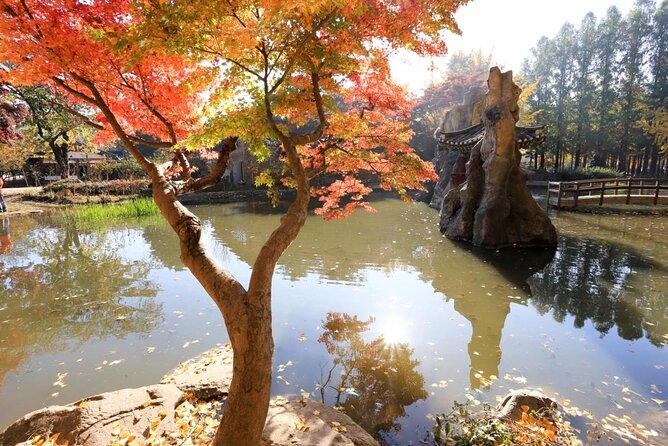
- Nami Island can be crowded, but the tree-lined paths still make for easy strolling and classic pictures.
- The Garden of Morning Calm is a calmer end—a great place to slow down when you’re tired from the travel day.
- Guides can make or break the flow, and the tour has a track record of guides who stay on schedule and help with photos.
- Bring smart photo gear, especially if you rely on your phone all day.
- Expect a long day outside Seoul, including several hours of driving between stops.
A one-day escape that actually feels like an escape
This is the kind of trip that works well for first-timers and families. You’re not cramming yourself into downtown Seoul sightseeing again and again. Instead, you get a full day of change of scenery: farm animals, a curated island walk, then a garden that shifts with the seasons.
The best part is that it’s built around three experiences that don’t require you to plan transit. You just show up, follow the group, and let the schedule carry you. You’ll still have freedom at each stop, but you won’t be stressed about how to get from place to place.
You can also read our reviews of more tours and experiences in Seoul
Getting out of Seoul: the air-conditioned ride and the real timing

The tour starts and ends at Hongik Univ. Station, and you get a mobile ticket. Groups are kept to a maximum of 45 travelers, which usually helps the day feel organized instead of chaotic.
Plan on an early start and a long overall day. Alpaca World, Nami Island, and the Garden of Morning Calm are in the countryside direction, so there’s a lot of driving time in between. One traveler estimated around 4.5 to 5 hours total on the road, which matches the “three stops in ten hours” reality: you get sightseeing blocks, then transit blocks, then sightseeing again.
What I’d pack (seriously):
- Walking shoes. The paths add up fast.
- A sun umbrella if the weather is bright. It’s an easy comfort upgrade.
- A portable phone charger. You’ll take more photos than you think, especially at Nami and the Garden.
Stop 1: Alpaca World and a hands-on animal experience
Alpaca World is your first highlight, and it’s built for interaction. You’ll have about 2 hours here, with an alpaca expert explaining alpaca living habits and characteristics, plus fun facts you can actually remember later.
Yes, it’s alpacas—but it’s not just “alpacas in a field.” The grounds also include other animals like squirrels and ostriches, and you may spot additional farm animals depending on what’s on view that day. That variety matters because kids (and adult animal lovers) tend to get bored less quickly when there’s more to look at than one pen.
The most practical tip: use your time for the feeding moments and close-up viewing. One review noted that after feeding happens, there may not be much more to see in terms of scheduled interaction—but you’ll still enjoy watching alpacas roam and respond.
If you’re going with kids, this is the stop that usually wins. Feeding and watching them run up makes the whole trip feel more “real” than a normal sightseeing day.
Stop 2: Nami Island’s tree-lined fame and photo-friendly walking

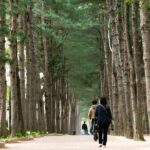
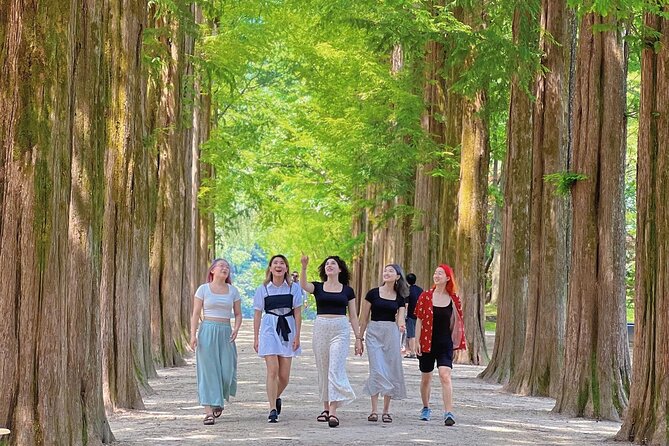
Nami Island is one of the most famous day-trip areas from Seoul, and it’s known for its tree-lined paths—especially popular in winter due to its connection with the K-drama Winter Sonata. It’s about 63 km from Seoul, heading toward Chuncheon.
You’ll get about 2 hours on the island. That’s enough for a good loop and plenty of photos, but not enough to treat it like a two-day trip. The island can also be crowded, particularly at peak times. Still, the main paths are scenic and easy to enjoy without needing a map brain.
Two things to aim for:
- The classic tree-lined walk areas first, while you still have energy.
- Photo stops with breathing room. If a spot looks packed, move a bit along the path and you’ll often find a calmer angle.
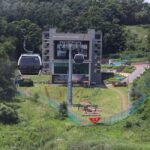
There’s also an optional twist worth knowing about: one traveler mentioned an optional zip line to the island in lieu of a ferry ride for an extra $40 USD. That’s not something you should assume will be available on every departure, but it’s good to know it exists if you like activity upgrades.
If you’re picky about vibes, decide how you feel about “theme park-ish” places. One person found Nami a bit commercialized. Another person loved the family picture opportunities. Your best bet is to treat Nami as a scenic walking and photo day, not as an untouched nature retreat.
Stop 3: Garden of Morning Calm for a calmer final hour (the good kind)
If Alpaca World is the fun warm-up, and Nami Island is the picture chapter, the Garden of Morning Calm is the quiet finale. You’ll have about 2 hours here.
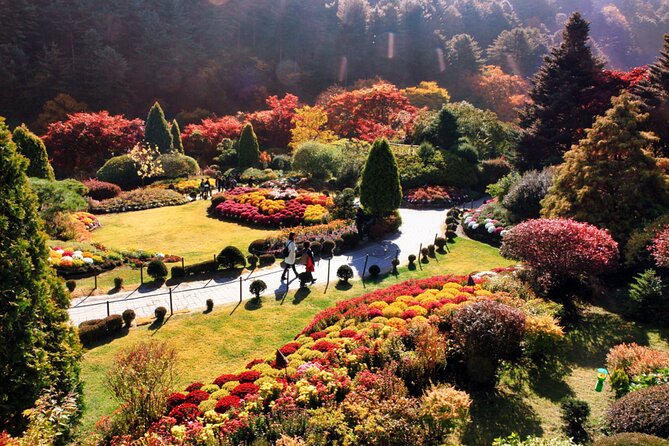
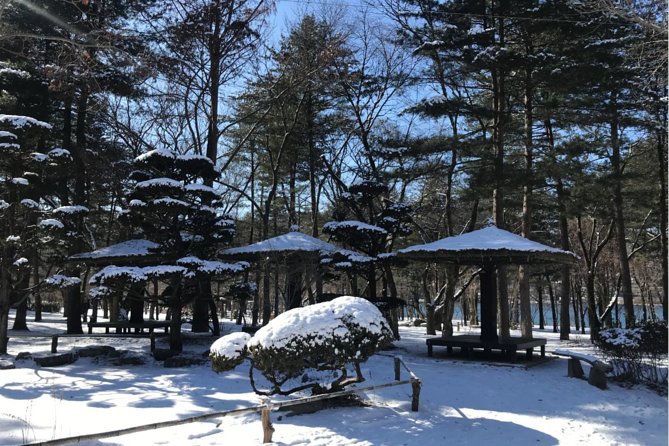
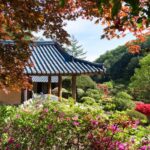
The garden is known for seasonal displays. In colder months, plants are preparing for winter, and the experience leans into the soundscape: birds singing, and the sound of water flowing under ice as you walk in the quiet. Even if your visit is not during the exact “under-ice” moment, it’s still the kind of place where walking slowly feels right.
What I like about using this as the last stop: you arrive there after you’ve done the bus schedule and the bus photos. The Garden gives you a chance to reset your senses. Several people praised it as beautiful and tranquil, and one noted it felt less busy than the earlier sites near the end of the day.
Practical tip: this is a great place to slow down, but don’t show up in shoes that hate hills or uneven paths. Also consider layers. Gardens are often cooler than you expect, and you’ll be walking.
You can also read our reviews of more tours and experiences in Seoul

The real value: what you pay for at about $78.52
At $78.52 per person, the value is mostly about what’s bundled. You’re paying for:
- Round-trip transportation in an air-conditioned vehicle
- A professional guide (Chinese/English)
- Entrance fees to all three attractions
You’re also not paying for meals; lunch time is on your own. That’s a key detail. The tour includes free time to grab lunch, but breakfast/lunch/dinner aren’t included, so you’ll want to budget for a meal during the day.
Here’s how I judge value: if you tried to do all three stops on your own, you’d spend time on transit planning and likely pay separate admission fees anyway. This tour removes that stress and replaces it with a structured day and a guide who keeps you moving.
If you hate group schedules, this might feel like a trade-off. If you want a full day without logistics headaches, it’s usually a good deal.
Guide impact: from keeping time to helping you enjoy the ride

This tour lives and dies by the guide’s ability to keep the day smooth. The guide is described as professional and Chinese/English-speaking, and many people praised how specific guides managed the schedule and made the bus time enjoyable.
You’ll see names come up again and again, like Alex, Mina, Yamy, Rose, Josh, Joe Park, Katherine, Jesse, Peter, James, and Alvin. That doesn’t mean you’ll get the same person, of course. But it does tell you the tour tends to attract guides who communicate clearly and work the group dynamics.
From the practical side, what matters:
- Staying on schedule (because the day is tight)
- Helping with questions and basic navigation
- Taking photos or offering photo support
- Being accommodating if someone has dietary needs (at least some guides have done this)
If you’re the type who likes the driver and guide to handle the plan, this tour is built for you.
Common hiccups (and how to avoid feeling rushed)
Let’s be honest: a multi-stop day trip comes with pressure. Even when everything goes well, your “free time” is still limited by the schedule.
Here are the issues worth planning for:
- Long travel time between stops. You won’t get around it, so dress for comfort and use the AC wisely.
- Crowding at Nami Island. Bring patience for busy areas and focus on the main paths and photo moments.
- Risk of time compression if the plan changes. One person described an altered itinerary when the operator couldn’t run the tour exactly as booked, with an extra stop added. Their day felt rushed and lunch was short. It doesn’t happen in every situation, but you should stay flexible.
- Finding your exact group pickup point. Since the meeting area is near a major station zone, it can get confusing in a big crowd. Give yourself a few minutes buffer at the start and double-check your group instructions.
If you want the best day, treat this like a “great highlights” tour, not a “slow countryside roaming” tour.
Who this tour fits best
This is a strong match if you:
- Want a family-friendly day with hands-on animal time
- Like scenic walks more than museums
- Are short on time in Seoul and want countryside variety in one go
- Prefer comfort and guidance over public-transport navigation
It can also work for couples who just want a break from city noise. One review even mentioned enjoying the pacing with elderly companions using a walking stick, which suggests the group can sometimes accommodate a slower rhythm.
Should you book Alpaca World + Nami Island + Garden of Morning Calm?
My take: book this if you want a structured day with built-in fun and you’re okay with a full schedule. It’s good value because transportation, guide time, and admission fees are bundled. The Garden of Morning Calm is a strong closer, and Alpaca World gives you the kind of interactive memory you don’t get from “look but don’t touch” sightseeing.
Skip it (or at least temper expectations) if you:
- Hate crowds and can’t handle busy walking areas
- Want lots of time at just one place
- Plan to treat Nami Island or the Garden like leisurely all-day destinations
If your travel style is “see the highlights, get great photos, and relax on the ride,” this one-day trio from Seoul is a solid choice.
FAQ
How long is the Alpaca World, Nami Island, and Garden of Morning Calm day tour?
It runs for about 10 hours.
Where does the tour start and end?
The meeting point is Hongik Univ. Station in Seoul, South Korea, and the tour also ends back at Hongik Univ. Station.
What’s included in the ticket price?
Your ticket includes an air-conditioned vehicle, a professional Chinese/English-speaking guide, round-trip traffic, and entrance fees to the attractions.
Is lunch included?
No. Breakfast/lunch/dinner are not included, but the tour includes free time for you to grab lunch at your own expense.
Do I need printed tickets?
No. You’ll receive a mobile ticket.
What languages does the guide speak?
The guide is listed as Chinese/English-speaking.