REVIEW · SEOUL
Spiritual Adventure : Into Inwangsan and Korean Shamanism
Book on Viator →Operated by Mystical seoul tour · Bookable on Viator
A candlelit walk up Inwangsan sounds different. This small-group Seoul tour shows Korean shamanism through living rituals, shrine stories, and a chance at fortune reading. It’s not a costume show, and it’s not just sightseeing.
I love the way guide Ethan turns symbols into plain meaning, from talismans to the deities people still honor. I also love the focused stops, including Guksadang, plus the real on-site ceremony atmosphere and respectful Q&A time.
One thing to plan for: you’ll walk uphill on mountain ground, so bring a steady pace and expect moderate physical fitness.
In This Review
- Key things to know before you go
- Inwangsan is Seoul’s spiritual shortcut, not just a hike
- What you learn about Korean shamanism along the way
- Rituals are explained as communication
- Legends become practical
- Talismans are treated like tools, not souvenirs
- Guksadang: a shrine stop with real meaning behind the scenes
- Meeting a Korean shaman and what fortune reading actually feels like
- Ritual atmosphere: candles, chants, and offerings you can observe respectfully
- The mountain walk, city views, and keeping the pace comfortable
- Price and value: why $28.20 can be a fair deal for this format
- Where you start and end (and why that matters)
- Who this is for (and who should skip it)
- Should you book this Seoul shamanism tour?
- FAQ
- How long is the tour?
- Where does the tour start?
- Where does the tour end?
- Is this tour private?
- What’s included in the experience?
- Will I have the chance for fortune telling?
- Can I ask personal questions?
- What should I know about weather and refunds?
Key things to know before you go
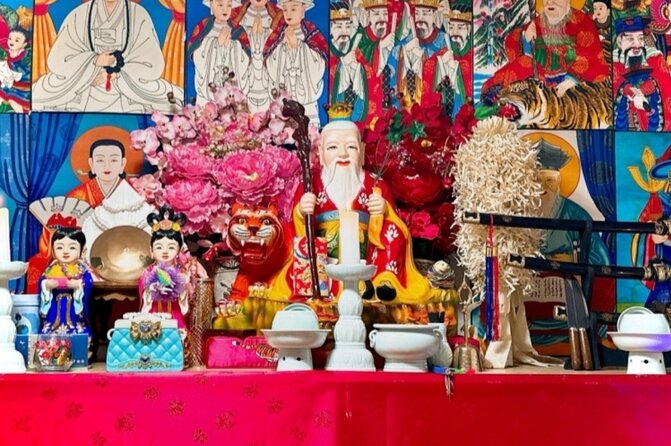
- Inwangsan sacred sites with real ritual context, not a staged performance
- Guksadang and other spiritual landmarks explained in everyday language
- A real Korean shaman encounter and a personal fortune reading opportunity
- Ask direct questions about topics like love, health, or career
- Talisman talk you can act on, including the option to request or purchase one
- City views and photo time during the mountain-side walk
Inwangsan is Seoul’s spiritual shortcut, not just a hike
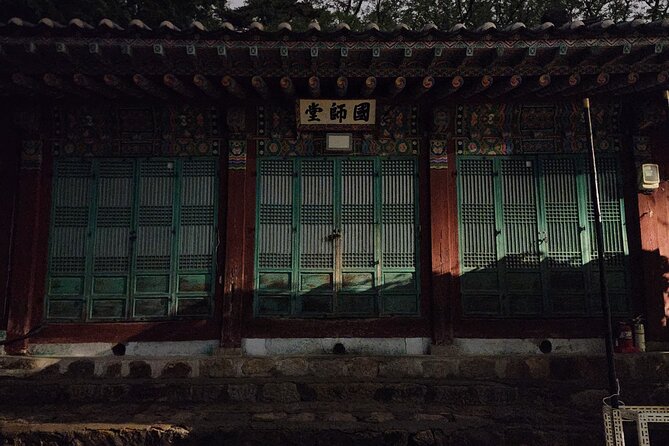
If Seoul feels too fast, this tour slows you down on purpose. Inwangsan Mountain sits inside the city, but it still feels like a different world once you’re moving along shrine paths and stopping where people come to pray, ask, and give offerings. You’re not there to learn Korean history from a distance—you’re there to understand how spiritual beliefs show up in daily life.
What makes this experience different is the tone. It’s guided storytelling, yes, but it keeps pulling you back to the “why.” Why do people light candles? Why do certain charms get carried or requested? Why do some rituals exist alongside Confucian and Buddhist life in modern Seoul? That’s the thread your guide follows as you walk and listen.
I especially like the small-group feel and the private setup. This tour is designed for your group only, so you don’t have to fight for attention or rush past questions. And because it runs about 2 hours 30 minutes, it’s long enough to feel satisfying without turning into a full-day commitment.
You’ll also get practical benefits. The start point is easy to reach by transit: Dongnimmun Station Exit 3. And the end point is listed at Muakjae Station area (411 Moraenae-ro, Seodaemun-gu). That matters in Seoul, where you can waste time if a tour ends somewhere awkward.
You can also read our reviews of more tours and experiences in Seoul.



What you learn about Korean shamanism along the way
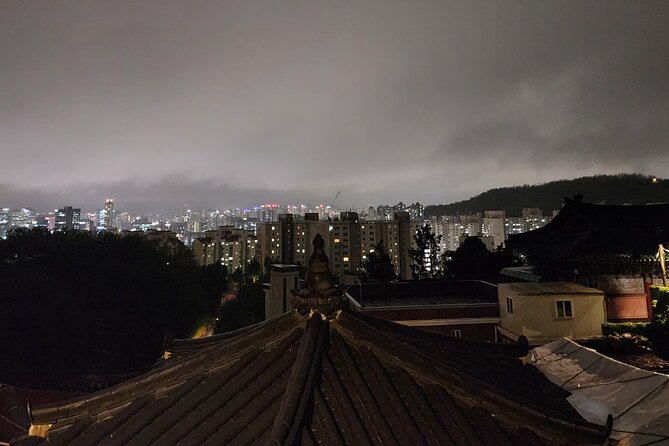
The tour is built around Korean shamanism as something lived, not museum-still. Your guide explains the meaning behind rituals, deities, and talismans as you encounter the sacred sites. You get the “what” and the “so what,” which is what most people actually want.
Here’s how the learning tends to land:
Rituals are explained as communication
Candles, chants, offerings—these aren’t treated as random props. You’ll hear how they function as messages, requests, and acknowledgments. The goal is to help you see the logic behind the ceremony rather than treating it as something you just watch.
Legends become practical
Instead of only repeating stories, the guide connects them to why people keep believing and practicing. You’ll hear legends passed down and how traditional beliefs shaped daily life. The focus stays on the continuity—what survives into modern routines.
Talismans are treated like tools, not souvenirs
Talisman talk can go two ways on tours: either it’s vague, or it turns into a hard sell. Here, you’re guided through what these items are meant to do, and you’re told you can ask about a custom request. The tone is respectful, and the information is tied to ritual meaning.
The best part is the balance. The tour doesn’t ask you to ignore Confucianism or Buddhism. It places Korean shamanism in the real-life mix of beliefs that many people navigate today.



Guksadang: a shrine stop with real meaning behind the scenes
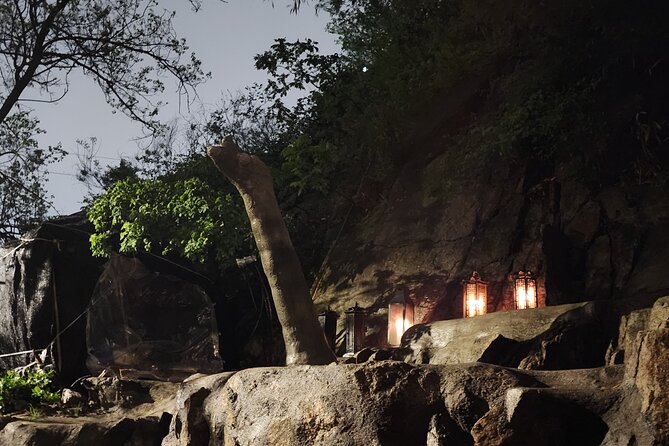
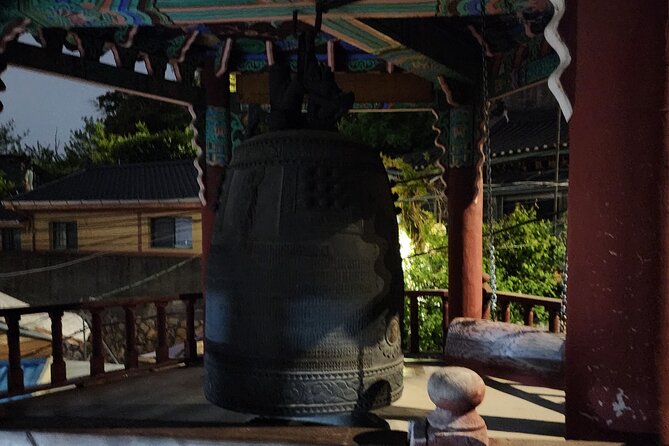
One of the key stops is Guksadang, listed as a sacred site on the route. This isn’t a quick “photo and go.” You’ll spend time there, and the guide uses it as a reference point for understanding how the spiritual world is mapped in physical space.
Why a place like Guksadang matters: it helps you see that Korean shamanism isn’t only about one dramatic ceremony. It’s also about everyday visits to sacred points—places where people show up with intentions, questions, and offerings.
At this stage of the walk, you’ll likely notice how the tour’s pace works. You’re not rushing to the next landmark. You’re stopping often enough to absorb the meaning of the objects and the ritual steps, especially around candle use and offerings.
If you’re into symbols, you’ll get plenty to chew on. And if you’re not, you’ll still come away with a clearer sense of how people interpret the spiritual realm through what they do with their hands and voices.
Meeting a Korean shaman and what fortune reading actually feels like
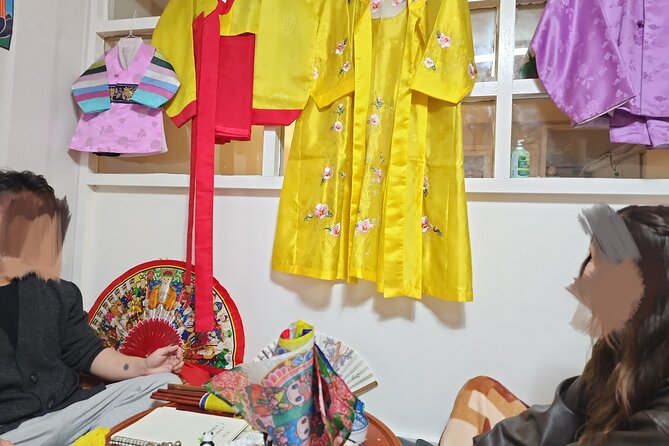
The highlight is the chance to meet a real Korean shaman and participate in a fortune reading session. This is described as an opportunity to witness or take part, so the emphasis isn’t on a showy performance. It’s presented as cultural insight into how these practices operate for people.
During the experience, you can ask personal questions about love, health, or career. That’s important because it keeps the session grounded in real concerns, not random guessing games. Your questions are your entry point.
There’s also the talisman angle. You can purchase or request a custom talisman, but the key is that you’re not being handed a worksheet of meanings and sent off. You can ask what fits your situation and learn how talismans relate to the ritual purpose.
A small note on expectations: fortune reading involves belief and personal interpretation. Even if you’re curious and open-minded, you’re still going to be watching and listening. Go in with a respectful mindset, not a test-and-debunk mission. The tour’s tone is designed for thoughtful reflection.
Ritual atmosphere: candles, chants, and offerings you can observe respectfully
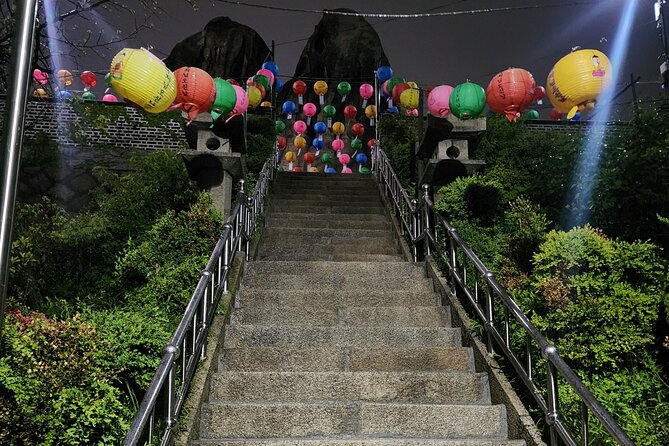
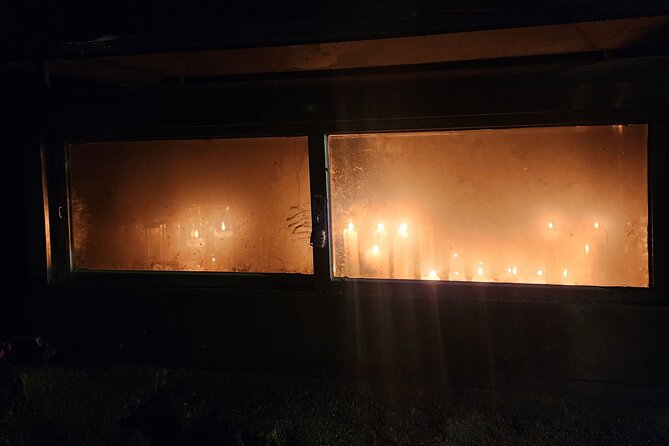
The ceremony components are part of why this tour works. You’ll see authentic ceremonies with candles, chants, and offerings. Instead of turning them into entertainment, your guide explains what the ritual items and actions mean as you encounter them.
From a practical standpoint, this is also where you’ll want to pay attention to your comfort:
- Wear shoes with grip for uneven mountain paths.
- Keep your camera ready, but don’t treat every moment like a photo op.
- Be ready for the sensory side of the ceremony—sound, smoke or incense, and the feeling of people gathering with intent.
The best tours teach you how to observe without getting in the way. This one is structured to include Q&A time, plus photo time, so you’re not stuck guessing what’s appropriate.
The mountain walk, city views, and keeping the pace comfortable
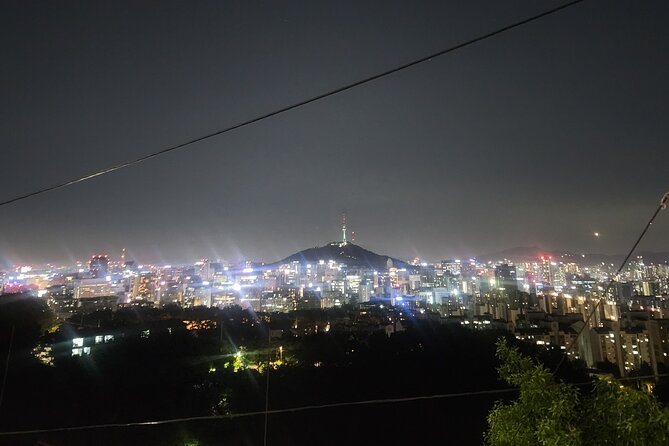
You’re on Inwangsan, so you’ll get a walk that includes an uphill climb. Reviews back this up with the idea that it’s exercise while also being rewarding. And you get something practical: you come out with Seoul in view.
That combination—movement plus perspective—is why this feels good even if you’re not chasing religious tourism. The city view makes it easier to emotionally reset after the ceremony, and the walk helps your brain sort out what you just learned.
The duration helps here too. About 2 hours 30 minutes gives you time for a full sequence: meeting the guide and moving from shrine to shrine, then time for the shaman encounter and reading, plus Q&A and photos. It’s not a sprint.
Also, because this is described as having a moderate fitness level requirement, you should come ready for stamina, not just leg length. If you’ve got knee trouble or you hate steep climbs, this may not be your best match.
Price and value: why $28.20 can be a fair deal for this format
At $28.20 per person for about 2 hours 30 minutes, this sits in the “reasonable for something unusual” category. The key isn’t just the low-ish price tag. It’s what you’re getting:
- A guided explanation of rituals, talismans, and deities (language you can actually use)
- Sacred site stops like Guksadang
- The rare chance to meet a Korean shaman
- A personal fortune reading opportunity
- Time for questions and photos
Many Seoul tours focus on monuments or neighborhoods. This one focuses on belief systems and ritual practice. That’s harder to stage, and it’s the reason the experience feels different.
You should still plan for the small extras:
- Bottled water is not included.
- Public transportation is not included (you’ll use your own route to the meeting point).
- An air-conditioned vehicle is listed as optional, so don’t assume it’s part of your booking.
If you want a standard “city highlights” tour, this won’t match that mood. If you want a cultural experience with actual spiritual context, the pricing feels fair.
Where you start and end (and why that matters)
You meet at Dongnimmun Station Exit 3. The tour ends at Muakjae Station (address listed as 411 Moraenae-ro, Seodaemun-gu). This is useful because Seoul station hopping can eat time, and a tour that ends in a reachable area makes the rest of your day easier.
Also, the tour uses a mobile ticket, so you’ll want to have your phone charged and your confirmation accessible.
One more real-world tip: because it requires good weather, plan backup flexibility. If conditions aren’t right, you may be offered a different date or a refund, so keep an eye on how the day looks.
Who this is for (and who should skip it)
This tour fits you if you want Seoul beyond street food and skyline photos. You’ll like it if you:
- Are curious about Korean folklore and religious customs
- Like learning through stories tied to real places
- Want the chance to ask personal questions during a fortune reading
- Enjoy small-group or private guided time rather than crowd chaos
It might not be the right choice if:
- You struggle with uphill walking on uneven ground
- You’re only interested in secular sightseeing
- You dislike ceremonies and would feel uncomfortable around candles, chants, or offerings
If you’re on the fence, think of it as cultural interpretation plus real ritual observation. You don’t have to believe everything to find it meaningful—you just need respect and curiosity.
Should you book this Seoul shamanism tour?
Book it if you’re after a spiritual culture experience you can’t easily replicate on your own. The combination of Inwangsan sacred stops, Guksadang, and the opportunity to meet a shaman and receive a fortune reading makes it genuinely distinctive.
Skip it if you want a relaxed, flat walking tour or if mountain walking isn’t your thing. And go only when the weather is cooperating, since this experience depends on getting out on the mountain paths.
If you do book, prepare like a thoughtful visitor: wear grippy shoes, bring a little water, and come with questions you actually want answered. You’ll get a Seoul story that’s both personal and place-based.
FAQ
How long is the tour?
The tour lasts about 2 hours 30 minutes.
Where does the tour start?
The meeting point is Dongnimmun Station Exit 3 in Seoul, South Korea.
Where does the tour end?
The tour ends at Muakjae Station, address listed as 411 Moraenae-ro, Seodaemun-gu, Seoul.
Is this tour private?
Yes. It’s described as a private tour/activity, and only your group will participate.
What’s included in the experience?
The tour includes an air-conditioned vehicle that’s listed as optional. It does not include bottled water.
Will I have the chance for fortune telling?
Yes. The experience includes a rare opportunity to witness or take part in a real fortune reading session.
Can I ask personal questions?
Yes. You can ask personal questions about love, health, or career during the session.
What should I know about weather and refunds?
The experience requires good weather. If it’s canceled due to poor weather, you’ll be offered a different date or a full refund. There is free cancellation up to 24 hours in advance for a full refund.