REVIEW · SEOUL
DMZ and North Korea Experience Hall Combined Tour
Book on Viator →Operated by Sunny Seoul Korea Tour · Bookable on Viator
The DMZ hits you in the chest. This day trip strings together the key DMZ viewpoints at Imjingak Peace Park and Dora Observatory, plus the North Korea Experience Hall, where a live Q&A with a North Korean defector turns politics into human stories. I especially like the way the tour pairs big, visible sites with the smaller, more personal context you only get inside the exhibits at North Korea Experience Hall.
One thing to plan for: this is heavy material. Expect a lot of hard history and present-day realities, not just photo stops. If you want light sightseeing, this may feel like too much.
In This Review
- Key highlights to know before you go
- DMZ and North Korea Experience Hall: what this day trip really teaches
- Your day starts at Imjingak Peace Park (with the right mindset)
- ID check: the checkpoint moment you should treat as part of the story
- The Third Tunnel: up close with Cold War engineering
- Dora Observatory: the closest DMZ observatory viewpoint
- North Korea Experience Hall: exhibits that turn headlines into daily life
- The live defector Q&A: the most important moment of the day
- How long the tour takes and how to plan your morning
- Price and value: is $65 a smart deal?
- Where you start and where you end (and why it matters)
- Who should book this tour (and who should think twice)
- Should you book this DMZ and North Korea Experience Hall tour?
- FAQ
- Do I need a passport for this tour?
- What time does the tour start and when does it end?
- How long is the tour?
- Is lunch included?
- Are admission fees included?
- Where is the meeting point and where will I be dropped off?
Key highlights to know before you go
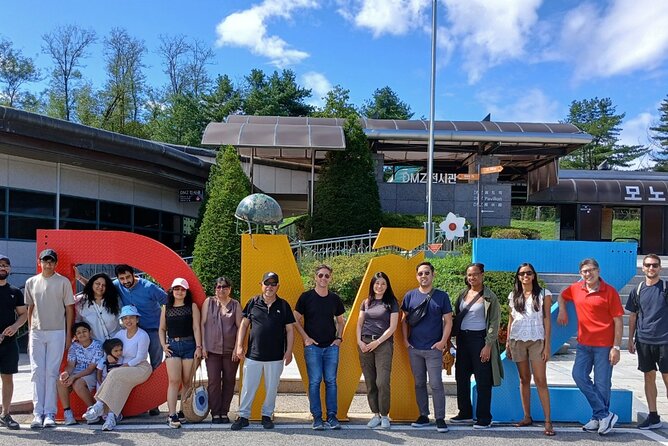
- A real DMZ route, not just viewpoints: You’ll visit the key line-up of Imjingak, the Third Tunnel, and Dora Observatory in one structured morning.
- North Korea Experience Hall + live Q&A: Exhibits and video content give context, then you get firsthand answers in a Q&A format.
- Passport ID check built into the schedule: You’ll need your passport ready for ID verification as part of entering the DMZ area.
- Limited group size (up to 40): Smaller-than-mass-coach feel, which matters when questions start flying.
- Long day with a fixed pace (7 to 8 hours): You’ll cover a lot, so plan to be comfortable standing and walking.
DMZ and North Korea Experience Hall: what this day trip really teaches
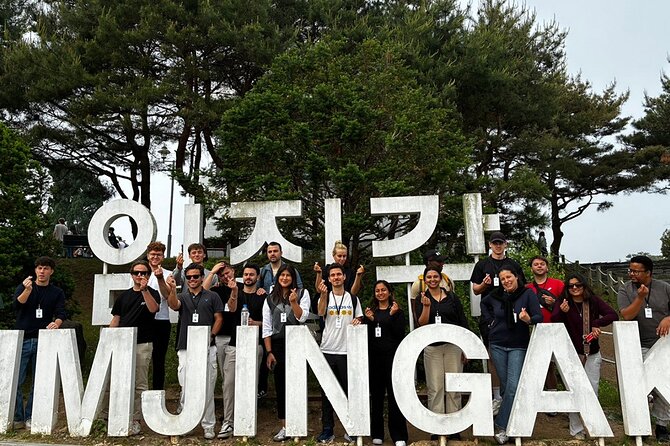
This tour is designed for your brain as much as your camera. The DMZ parts show you the geography of a divided peninsula—how far Seoul feels from the border zone, and how visibility and distance shape daily life. But the North Korea Experience Hall is where the experience shifts from distance to understanding. Instead of treating North Korea as a distant concept, the exhibits and curated video content focus on the lived experience of North Korean citizens today, including daily life, struggles, culture, and current social conditions.
And then comes the moment that changes the tone: a live Q&A with a North Korean defector. Even if you’ve read books or watched documentaries, a Q&A forces you to confront how specific questions get answered when the person speaking has real memories. This is the part that’s hardest to forget.
You can also read our reviews of more tours and experiences in Seoul.
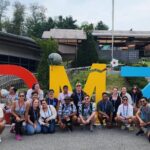

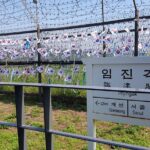
Your day starts at Imjingak Peace Park (with the right mindset)

You begin at Imjingak Pyeonghwa Nuri Park, a unification and security tour complex with several areas and memorial sites. The stop is timed at about 2 hours 30 minutes, which is long enough to take it in slowly if you don’t rush your own thinking.
Here’s what I think makes Imjingak work as a first stop: it sets the emotional baseline. Before you go underground into the Third Tunnel or try to see across the DMZ from Dora Observatory, you’re given a framing point—peace and separation as a lived reality, not just a map. Pyeonghwa Nuri Park is also known for hosting events, which can add a sense of movement and public life even though the subject matter is so serious.
Practical tip: bring a passport-ready mindset. You’ll be doing an ID check later, and getting your documents organized early prevents that last-minute scramble that can throw off your entire morning.
ID check: the checkpoint moment you should treat as part of the story
Between Imjingak and the next DMZ stops, there’s an ID check. The tour is explicit: bring your passport.
This isn’t just a bureaucratic step. It’s part of what makes DMZ travel feel different from regular tourism in South Korea. You’re going into a restricted security environment, and the process is structured. If you’re the person who likes to keep everything calm, this is where you do that—keep your passport accessible, follow the guide’s instructions quickly, and let the group flow.
If you’ve got questions, save them for the guide, not the checkpoint line.
The Third Tunnel: up close with Cold War engineering
Next is the Third Tunnel. North Korea built these tunnels for the purpose of invading South Korea, and the Third Tunnel is the third of its kind. It was discovered in 1978 and is reported as being the closest to Seoul among the four tunnels located so far (about 52 km).
This stop is about 1 hour 30 minutes, and it’s one of the most sobering parts of the day because it’s not abstract. You’re looking at physical infrastructure designed for real intent. Even if you don’t go deep into technical details, you’ll likely understand why tunnels changed threat assessments and why the DMZ became more than a border line.
What to watch for: how the tunnel is presented and explained. The guide’s job here is crucial, because without interpretation it can become a “see a tunnel, take a photo” stop. With interpretation, it becomes a lesson in how ideas turn into engineering—and engineering turns into fear and long-term security policy.
A small drawback to consider: tunnels can feel tight and tiring, especially if you’re sensitive to enclosed spaces or if you’re already standing a lot that morning. Wear comfortable shoes and go at your own pace.
Dora Observatory: the closest DMZ observatory viewpoint
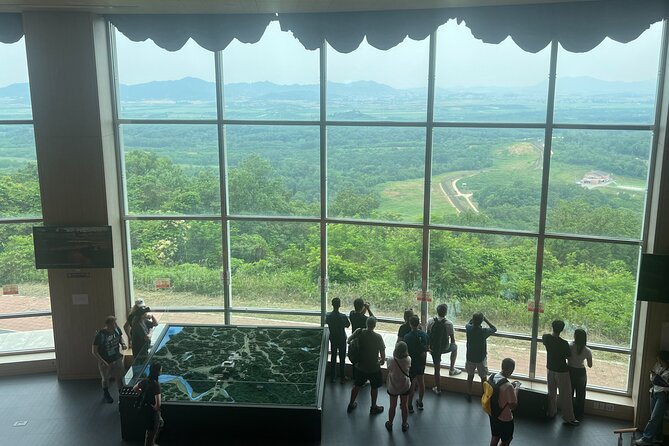
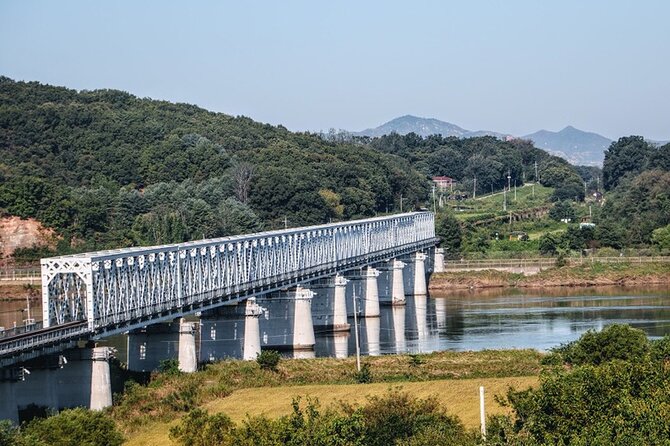
Then you head to Dora Observatory, described as the closest DMZ observatory to Panmunjeom. From here, you can see not only Panmunjeom but also Daeseong-dong village within the DMZ, along with mountains and farmlands.
This is a short stop at about 1 hour, but don’t underestimate it. Observatories work best when you take time to focus, scan, and think about what you’re actually seeing: a place where the border isn’t a theory—it’s a view.
If you want to get the most out of this stop, treat it like a slow viewing session, not a quick photo run. The guide’s explanations will help you make sense of what’s visible, what isn’t, and why distance matters so much in this region.
Also, keep your expectations realistic: you’re seeing across a monitored area, not walking into a cinematic set. The value is in observation and context, not in “getting closer.”



North Korea Experience Hall: exhibits that turn headlines into daily life
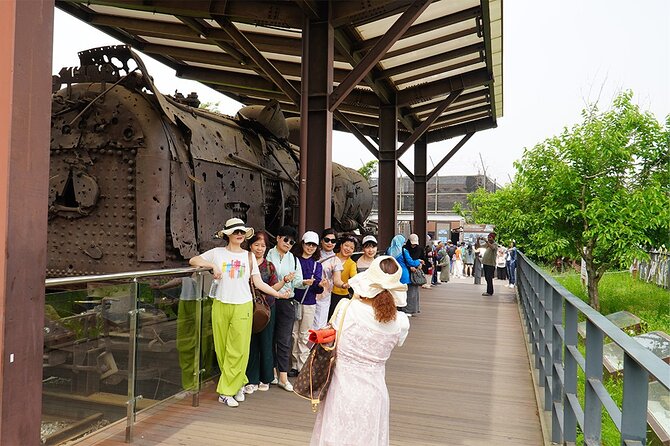
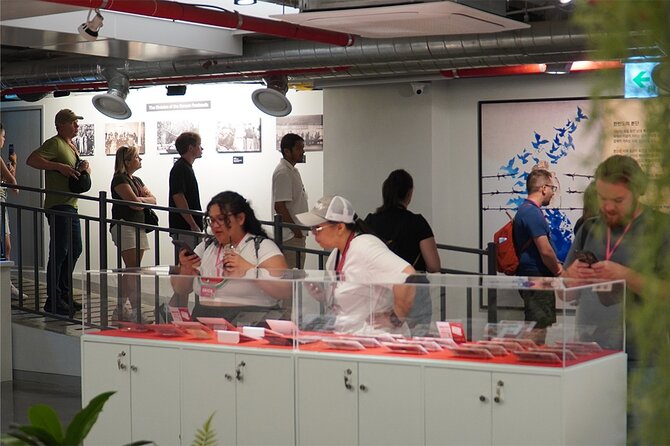
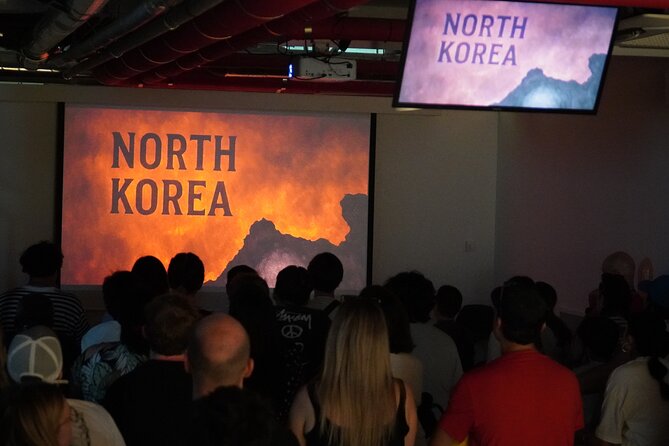
Now for the part that many people book for: the North Korea Experience Hall. This space is built to help you understand life inside North Korea today through exhibits and curated video content. The tour frames it around daily life, struggles, culture, and current social conditions.
I like this approach because it moves away from treating North Korea as only a politics and weapons story. Instead, it forces you to think about routines, limitations, and what “normal” might look like under different rules. That’s the mental shift this tour is aiming for: from border geography to human experience.
In a day focused on DMZ sites, the hall is the psychological break. You’re still confronting serious realities, but you’re doing it through structured information rather than only through distance and observation.
The live defector Q&A: the most important moment of the day
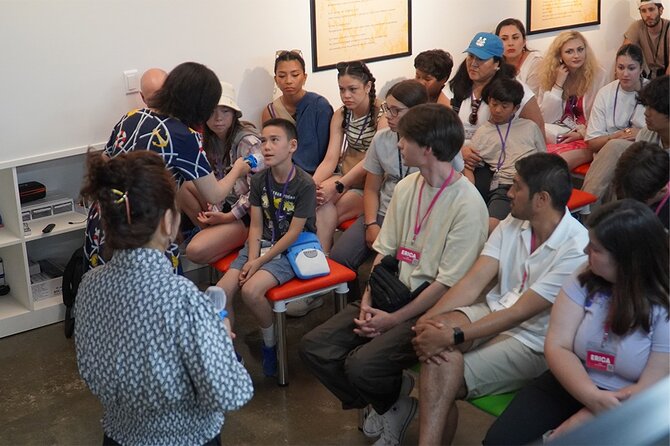
The highlight is the live Q&A session with a North Korean defector. This is where you can ask your own questions and get firsthand stories.
A few practical ideas for your questions:
- Focus on daily life details rather than just broad political statements.
- Ask about what daily routines look like and how ordinary people cope.
- If you’re nervous, start with a question that invites context, then go from there.
The value here is two-way conversation. You’re not just receiving information; you’re learning how a real person interprets what you’re seeing and hearing.
How long the tour takes and how to plan your morning
The total day runs about 7 to 8 hours. You’ll start at 7:00 am and end in Myeong-dong, with an estimated arrival time around 14:30.
Timing matters because this is a long, structured schedule with multiple “different types” of experiences:
- memorial complex and open areas (Imjingak)
- checkpoint and document flow (ID check)
- walking and viewing in a tunnel environment (Third Tunnel)
- observation and scanning (Dora Observatory)
- indoor exhibit time and a Q&A format (North Korea Experience Hall)
Also, the tour notes that travelers should have a strong physical fitness level. That doesn’t mean it’s a hiking challenge, but you should expect a day that includes walking, standing, and moving between sites without long breaks.
Practical checklist:
- Wear comfortable shoes (tunnel time and observatory time add up)
- Bring your passport for the ID check
- Pack a small water plan for the long morning (lunch isn’t included)
- If pickup is offered, arrive early and confirm details so you’re not hunting the meeting point mid-chaos
Price and value: is $65 a smart deal?
At $65 per person, this tour is good value if you care about both sides of the story: real DMZ sites plus the North Korea Experience Hall experience. The included items are meaningful:
- Air-conditioned vehicle
- Admission fees for the listed stops on the itinerary
- Private transportation
- English guide
What’s not included is also clear: lunch and personal expenses. That means you should budget time and money for a meal after the day. If you plan ahead, you won’t end up paying for convenience food at the end of a long emotional day.
Where the value really shows is in the combination. Many DMZ tours focus on only the border viewpoints. Here, the hall and Q&A add depth that turns a sightseeing day into an understanding day. For $65, that pairing is the selling point.
Where you start and where you end (and why it matters)
You meet at Imjingak Pyeonghwa Nuri Park at 148-40 Imjingak-ro, Munsan-eup, Paju-si, Gyeonggi-do, South Korea. The tour ends with drop-off in Myeong-dong, Jung District, Seoul.
That location choice is practical. Myeong-dong is easy to reach after a structured day, and it gives you flexibility for dinner. If you prefer to keep things simple, you can head straight for a meal and unwind without extra transfers.
There’s also mention of mobile tickets and pickup being offered. If you’re using a phone ticket, make sure it’s accessible offline and keep your confirmation handy.
Who should book this tour (and who should think twice)
This is a strong fit if you:
- want the “must-see” DMZ stops in one organized route
- care about context, not just photos
- are comfortable with emotionally serious content
- have questions and like a Q&A format where you can interact directly
It may not be ideal if you:
- want light, purely scenic sightseeing
- don’t handle intense political and human stories very well
- need very flexible timing (this tour keeps a structured pace)
One more note from past experience: the logistics matter more than usual. There was at least one case of morning pickup confusion handled by the team afterward, so I recommend being early and double-checking pickup details if offered. In other words: don’t assume the morning will run perfectly if you show up right at the deadline.
Should you book this DMZ and North Korea Experience Hall tour?
If you’re choosing between a basic DMZ sightseeing day and a day that also tries to explain what life inside North Korea looks like, this is the better bet. The combination of Imjingak, the Third Tunnel, and Dora Observatory gives you the visual and geographic backbone. The North Korea Experience Hall and the live defector Q&A give you the human backbone.
Book it if you want a structured, meaningful day that connects border sights to real questions. Don’t book it if you need a carefree tour or if heavy topics will drain you fast.
FAQ
Do I need a passport for this tour?
Yes. The tour includes an ID check, and you should bring your passport.
What time does the tour start and when does it end?
The start time is 7:00 am. The estimated arrival time at Myeong-dong is around 14:30.
How long is the tour?
The duration is about 7 to 8 hours.
Is lunch included?
No. Lunch is not included.
Are admission fees included?
Yes. Admission fees listed on the itinerary are included, along with transportation and an English guide.
Where is the meeting point and where will I be dropped off?
You start at Imjingak Pyeonghwa Nuri Park. The tour ends with drop-off in Myeong-dong, Jung District, Seoul. Mobile tickets are used for the tour.