REVIEW · SEOUL
Korean Grandma Cooking Class l Gimbap & Kimchi Pancake l Seoul
Book on Viator →Operated by Local Contents Lab · Bookable on Viator
Cooking with a Korean grandma feels personal fast. You’re not in a generic studio kitchen; you’re in a real home, learning food you’ll actually want to repeat after you go back. The class pairs two crowd-pleasers—gimbap and kimchi pancake—with a short tour of the home and plenty of conversation at the table.
What I like most is the hands-on pace: you make both dishes yourself, not just watch and clap. I also like the human side, including the welcome tea and the chance to take a picture with Grandma and swap stories. The one thing to consider is that it’s a private experience for your group, so availability can shift based on the minimum traveler requirement.
In This Review
- Key things to know before you go
- A Korean Home, Not a Cooking School Classroom
- Your 11:00am Start in Seoul (and Why It’s a Smart Timing)
- Welcome Tea and Meeting the Group
- The Home Tour Before You Cook
- Gimbap: Roll Your Own the Korean Way
- Kimchi Pancake: Taste Grandma’s Style and Cook Along
- Picture Time and Shared Meals at the Table
- Price and Value: Is $52 Worth It?
- Practical Details That Actually Matter
- Who This Experience Fits Best in Seoul
- Should You Book the Korean Grandma Cooking Class?
- FAQ
- Where does the cooking class start?
- What time does the class begin?
- How long is the experience?
- What will I cook during the class?
- Do I get to eat what I cook?
- Is this a private tour?
- Will I receive a mobile ticket?
- When will I get confirmation after booking?
- Is the meeting point near public transportation?
- What is the cancellation policy?
Key things to know before you go
- You cook two dishes in one 2.5-hour session: gimbap and kimchi pancake
- Start with welcome tea before you head into the kitchen routine
- You get a quick home tour that explains how Korean families set up everyday spaces
- Meet-and-cook format with story time at the shared table afterward
- Private tour for your group (not a mixed public class)
- Grandma’s teaching style matters; Grandma Sharon has been praised for patience and good English
A Korean Home, Not a Cooking School Classroom
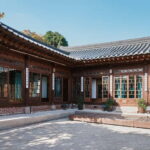
This is the kind of Seoul food experience that gives you context, not just recipes. You go to Grandma’s house and get a look at real daily life—where people eat, how the kitchen works, and how families pass food knowledge along.
That matters because Korean cooking is strongly about method. Gimbap isn’t just ingredients; it’s rolling technique and the feel of balancing flavors. And kimchi pancake is about texture and how you combine kimchi into batter so it cooks evenly.
You also get something you usually miss in a standard class: a sense of place. It feels like you’re learning from a family routine, not performing in front of a timer.
You can also read our reviews of more cooking classes in Seoul
Your 11:00am Start in Seoul (and Why It’s a Smart Timing)
The class begins at 11:00am in Seoul, and the whole experience runs about 2 hours 30 minutes. That timing is useful because you can still do a full afternoon of sightseeing afterward without feeling like you lost half the day to one activity.
It’s also a low-pressure window. You’re not forced into early-morning chaos, and you’re not waiting until evening when you’re tired and your attention may wander.
You’ll meet at 메리츠화재연수원92 Ui-dong, Gangbuk-gu, Seoul, South Korea, and the activity ends back at the meeting point. You should plan around local transit because it’s described as near public transportation, which helps if you’re building a day with other stops.
Welcome Tea and Meeting the Group
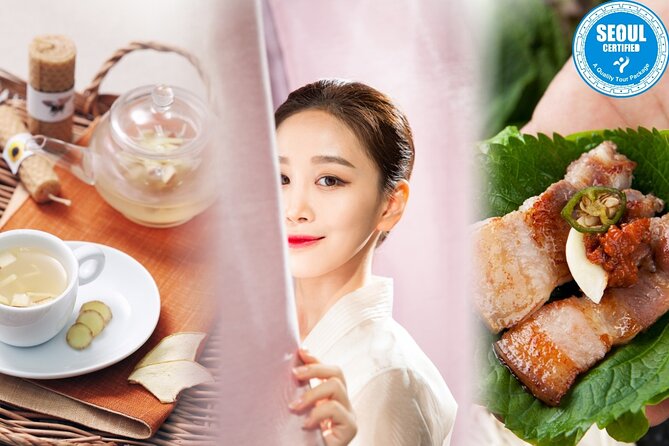
Before the cutting boards come out, Grandma serves welcome tea. This isn’t just a nice touch; it’s a practical warm-up. You settle in, get comfortable in the space, and have a moment to connect before the cooking gets hands-on.
Since it’s private for your group, the vibe tends to feel steadier and less rushed. If your group includes kids, this welcome moment can help everyone get past the initial nerves and into the fun part: cooking.
The class also emphasizes sharing stories. That might sound soft, but it’s actually one of the best ways to understand food beyond instructions. When you talk while you cook, you start learning what different textures mean to Korean home cooks, not just what recipe steps look like.
The Home Tour Before You Cook
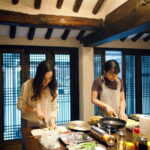
One of the most thoughtful parts is the home tour. Grandma walks you through the space and shares insights about Korean living setups and traditional kitchen arrangements.
Even if you’re short on time in Seoul, this is a fast and useful window into how families organize everyday life. You’ll likely notice how the kitchen space supports cooking and serving, not just prepping.
You may also get glimpses of family items, too. That kind of detail turns the class from a skill workshop into a cultural exchange. It also gives you something to remember when you’re rolling gimbap later back in your own kitchen.
Gimbap: Roll Your Own the Korean Way
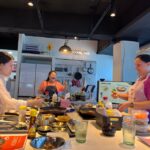
Now for the main event: hands-on gimbap. You’ll make your own gimbap during the class, with Grandma teaching you how to do it like Korean.
This is where the class earns its value. Gimbap is one of those foods people love, but it’s also easy to do wrong if you only know it from eating it out. Rolling can be awkward at first, and getting the ingredients and proportions right takes a few guided tries.
Grandma’s instruction style is a big deal here. In one recent experience, Grandma Sharon was described as patient and skilled, and her English was noted as good, which makes it easier to follow step-by-step guidance. If language is one of your worries, that’s exactly the sort of supportive teaching that helps you succeed.
When you learn gimbap through a real home workflow, you also learn how Korean cooks think about the final bite. Instead of just assembling sushi-like rolls, you learn how flavors are balanced and how everything fits together so each slice holds its shape.
You can also read our reviews of more tours and experiences in Seoul



Kimchi Pancake: Taste Grandma’s Style and Cook Along
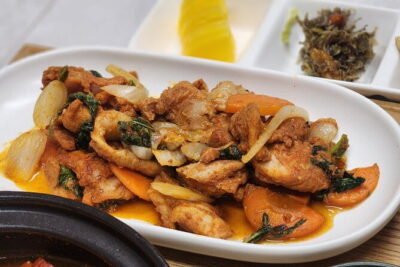
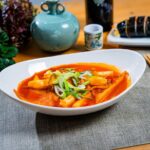
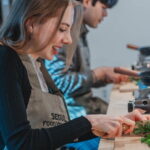
Next up is kimchi pancake, where you both taste Grandma’s kimchi and make the pancake using it. That pairing is smart: you get to understand the flavor base before you cook, so you’re not guessing what the kimchi should taste like.
Kimchi pancake is a great dish for a class because it’s tactile and forgiving compared with more delicate foods. You can see the batter texture, you can feel how things change as it cooks, and you can learn what makes the pancake turn out well.
This is also a lesson in how kimchi travels beyond side dishes. In Korean home cooking, kimchi often acts like a flavor engine, showing up in meals in different ways. Here, you don’t just hear about it—you use it as an ingredient and then eat the results.
Picture Time and Shared Meals at the Table
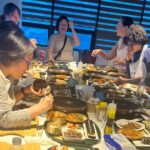
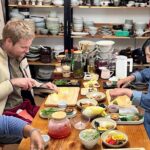
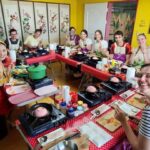
Once the cooking is done, you gather around the table to share what you made. This is one of those parts people underestimate, but it’s often the highlight. Cooking classes can feel like a workshop you leave quickly; here, you sit together and eat as a group.
There’s also a chance to take a picture with Grandma. That may sound simple, but it turns the experience into something you can actually remember. Plus, it reinforces the family-to-family feel, not a transactional “here’s your apron, now go” vibe.
Sharing stories is built into the experience. It’s a respectful way to connect with Korean home culture, and it helps you understand the recipes in human terms: why they’re made, how people talk about them, and what they mean in daily life.
Price and Value: Is $52 Worth It?
At $52 per person, you’re paying for more than two dishes. You’re paying for access to a real home, guided instruction, welcome tea, a home tour, and the full hands-on experience of making and sharing gimbap and kimchi pancake.
For comparison, cooking classes in Seoul often charge similar money for a more studio-like setup and shorter participation. Here, the value comes from the full cycle: learn the method, cook the food yourself, then eat together. It’s also private for your group, which tends to make the teaching feel more direct.
Another value signal: it’s commonly booked well in advance. The average booking window is 108 days. That suggests this isn’t just a casual add-on; people plan around it, which usually means the experience has repeat appeal.
If you’re the type who wants to leave Seoul with practical skills and a story you can tell later, this price makes sense.
Practical Details That Actually Matter
The experience is about 2 hours 30 minutes and starts at 11:00am. You’ll use a mobile ticket, and the experience ends where you start, which keeps your day tidy.
It’s also described as near public transportation. That matters in Seoul, where a small routing mistake can cost time. Use your map app to plan your route to the meeting point in Gangbuk-gu, then aim to arrive a bit early so you can settle in with no stress.
Most travelers can participate, and the format is private, so it can work well for family groups and small friend groups. If you have kids, you’ll likely appreciate the patience-forward teaching style described in past experiences.
One more practical note: confirmation is received within 48 hours of booking, subject to availability. If you’re traveling on a tight schedule, don’t wait until the last minute.
Who This Experience Fits Best in Seoul
This class fits best if you want more than food trivia. If you enjoy learning the “why” behind a dish—how it’s made at home, what the routine looks like, and how the flavors come together—you’ll get a lot out of the home tour plus hands-on cooking.
It’s also a strong match for groups that want interaction. The welcome tea, picture with Grandma, and shared table time make it easier to connect than a quick take-and-go food stop.
Finally, if you’re with kids, this type of guided cooking experience often lands well. A past family group with children ages 9 and 11 described it as their favorite experience, which speaks to the practical, learn-by-doing structure.
If you’re chasing a long sightseeing day, treat this as a core anchor activity. The payoff is strongest when you can relax and enjoy the meal afterward.
Should You Book the Korean Grandma Cooking Class?
Book it if you want a real Seoul home cooking moment and you like learning by doing. The combination of gimbap rolling practice, kimchi pancake cooking, and the home tour makes it feel more complete than many quick classes.
Skip it or consider alternatives if you hate structured activities or you’re expecting a purely observational experience. This is built for participation, not just watching. Also, since it’s private and has a minimum traveler requirement, check that your date is confirmed and stable once you book.
If you like cultural experiences that don’t feel like a performance, this one is a solid pick. It’s a short, skill-building Seoul experience with warm human connection, and you’ll leave with both food you made and a clearer idea of how Korean families cook.
FAQ
Where does the cooking class start?
It starts at 메리츠화재연수원92 Ui-dong, Gangbuk-gu, Seoul, South Korea.
What time does the class begin?
The start time is 11:00am.
How long is the experience?
It lasts about 2 hours 30 minutes.
What will I cook during the class?
You’ll make gimbap and kimchi pancake.
Do I get to eat what I cook?
Yes. After cooking, you gather around the table to share the dishes you prepared.
Is this a private tour?
Yes. Only your group will participate.
Will I receive a mobile ticket?
Yes, the experience uses a mobile ticket.
When will I get confirmation after booking?
Confirmation is received within 48 hours of booking, subject to availability.
Is the meeting point near public transportation?
Yes, it’s near public transportation.
What is the cancellation policy?
Free cancellation is available. You can cancel up to 24 hours in advance for a full refund, and cancellations must be made at least 24 hours before the start time for a refund. There may be changes not accepted within 24 hours of the start time, and the experience has a minimum number of travelers, with an alternative date or full refund if it’s canceled for that reason.