REVIEW · SEOUL
7 Day Essential Korea Tour(Seoul, Nami, DMZ, Andong, Gyeongju, Busan_Meal Incl.)
Book on Viator →Operated by Bergen travel · Bookable on Viator
Seoul lands first, then history follows. This private 7-day route strings together palaces, island strolls, and UNESCO stops with a licensed English guide and built-in 16 meals.
I also like that you get real downtime: after the scheduled sights, you’re left to wander at your own pace instead of being marched nonstop. One consideration: it’s a full agenda, so you’ll want energy for plenty of walking.
In This Review
- Key highlights
- Private Pace, Built-In Meals, and “Most of the Hard Work Done”
- Seoul in One Big Sweep: Palaces, Hanok Alleys, Temple Stops, and Street Food
- The Nami Island Day: Trees, Photo Lanes, and a Gentle Break from Cities
- DMZ + Namsan Tower: High-Contrast Korea, One After Another
- Andong and Its Folk-Legacy Stops: Buseoksa, Hahoe Village, Cliffs, and Confucian Learning
- Gyeongju’s Silla Highlights: Temples, Stone Wonders, Observatory Time, and Tombs
- Busan by the Sea: Haedong Yonggungsa, APEC House, Jagalchi, and War Memory
- Gamcheon Culture Village: Stair-Step Streets and an Art-Filled Finale
- Price and Value: What You’re Paying For (and What You’re Avoiding)
- Should You Book This 7 Day Essential Korea Tour?
- FAQ
- How many meals are included in the 7-day tour?
- What time does the tour start and how long is it?
- Is pickup and transportation included?
- Where are the included hotel stays during the tour?
- Does the tour include UNESCO World Heritage sites?
- What is the cancellation policy for a full refund?
Key highlights
- Private group experience with one air-conditioned vehicle and a licensed English guide
- 16 included meals (3 breakfasts, 7 lunches, 6 dinners) designed to keep the trip easy
- Big-sight itinerary with free time in each city so you can explore independently
- UNESCO World Heritage coverage plus major cultural and coastal highlights
- Guide-led local food days that avoid the same-spot feeling
Private Pace, Built-In Meals, and “Most of the Hard Work Done”
This tour is built for people who want Korea without the logistics headache. You get private transportation, admissions included, and a professional English-speaking guide with an official license. That means you’re spending your mental energy on deciding where to look next, not hunting tickets, routes, and meal plans.
The standout value here is the dining plan. With 16 meals included, the trip is smoother than most “sights only” tours. And because meals are planned across different days (breakfasts, lunches, dinners), you’re not stuck improvising where to eat after long stretches of sightseeing.
Now, the tradeoff is that it’s not a slow travel vacation. It’s “essential Korea” in seven days, so expect long days and a good amount of movement. If you’re the type who likes to linger without checking your watch, you’ll still get free time—but the overall structure stays tight.
You can also read our reviews of more tours and experiences in Seoul
Seoul in One Big Sweep: Palaces, Hanok Alleys, Temple Stops, and Street Food
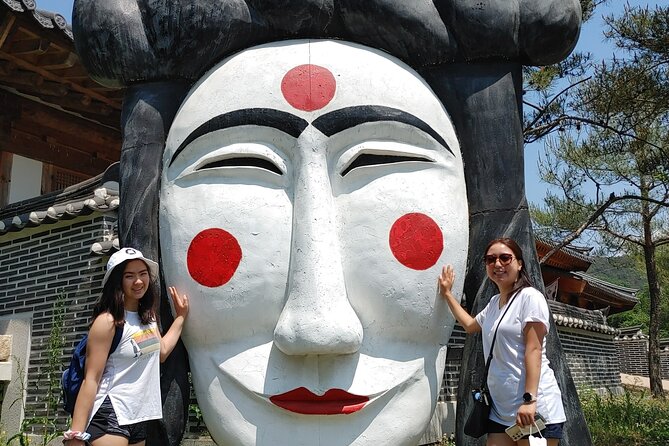
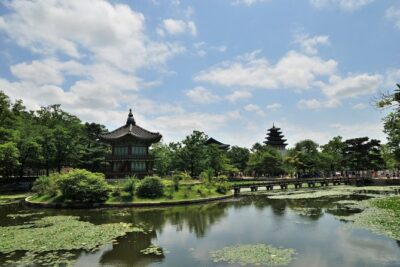
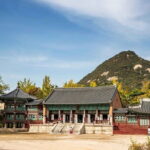
Seoul Day 1 is the kind of day that makes you feel like you’re getting your bearings fast. You start at Gyeongbokgung Palace, the largest and first of the Joseon royal palaces—an easy anchor point for understanding how Korea’s royal era shaped the city. It’s a strong start because you can immediately connect palace design and layout to what you’ll see later in traditional neighborhoods.
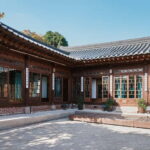
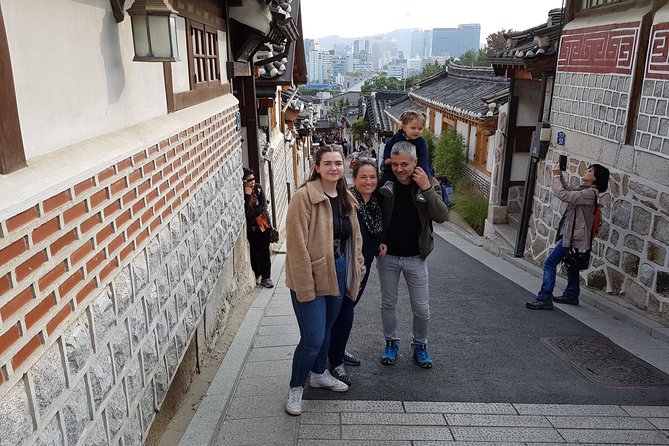
Next comes the cultural depth. The National Folk Museum of Korea focuses on everyday life and folk history, stretching from prehistoric times through the end of the Joseon Dynasty. Then you step into Bukchon Hanok Village, where preserved hanok houses and narrow lanes make the city feel older than the skyline outside.
You get spiritual texture with Jogyesa Temple, described as a headquarters for Korean Buddhism in the middle of Seoul. After that, Insadong brings you back to street-level culture—handcraft workshops, antique shops, galleries, and hanok-style teahouses. I like this sequence because it shifts from grand to human scale.
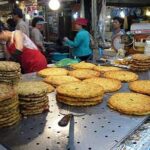
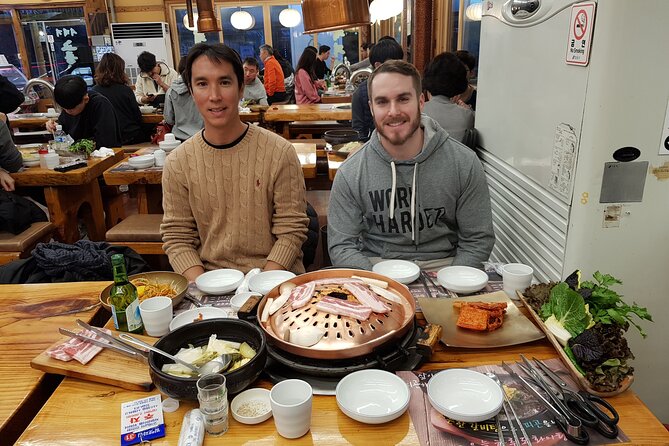
Two stops are especially practical for real-world travel: the Kyung-In Museum of Fine Art tea garden (a traditional tea tasting and a relaxed tea house moment) and the Kwangjang Market for street food sampling. Kwangjang is the kind of place where you can eat your way through Korea’s flavors without building a plan meal by meal.
Drawback to plan for: this day stacks a lot of locations, and it’s in central areas with crowds. Wear shoes you trust, and use your free time wisely—save some energy for walking in Bukchon without rushing.
The Nami Island Day: Trees, Photo Lanes, and a Gentle Break from Cities
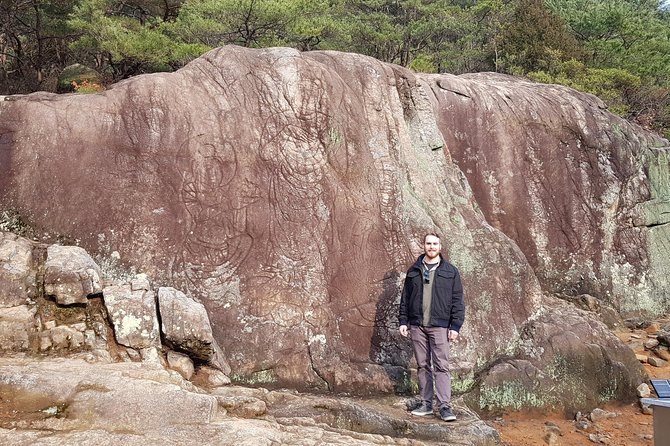
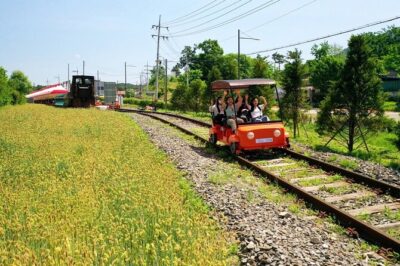
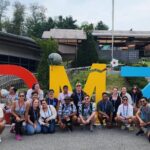
Day 2 slows the vibe by taking you out to Nami Island, famous for tree-lined paths, woodland walks, and riverside scenery. The time here is long enough (about 3 hours) to do more than take a few quick photos. If you enjoy calm walking breaks between big-city days, this is exactly that.
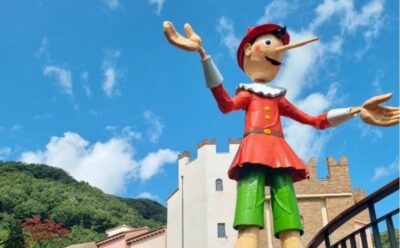
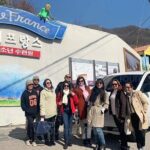
You then hit Petite France, a small French-themed culture village in Korea. It’s playful and performance-oriented, and it works as a change of pace after Seoul’s palaces and markets. For some people, it may feel a bit “themed”—so if you’re after pure traditional Korea only, keep expectations flexible. But as a breather, it’s a well-placed stop.
The day wraps with the Garden of Morning Calm, an 82-acre garden split into themed smaller gardens. It’s the kind of stop where you can slow down, choose your own pace, and take in scenery without needing museum context.
Practical note: this day is outdoors, so plan clothing for weather swings. Also, with several stops in one day, you’ll want to drink water and snack lightly between activities.
DMZ + Namsan Tower: High-Contrast Korea, One After Another
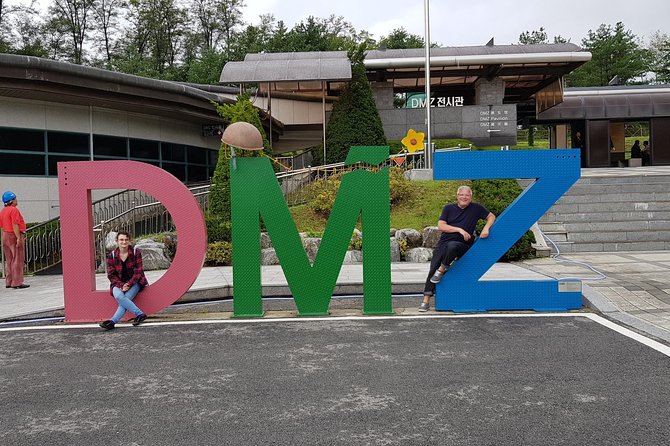
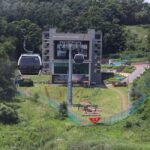
Day 3 is the emotional pivot day. You go to the DMZ (Demilitarized Zone) and then finish in Seoul again with a N Seoul Tower viewpoint.
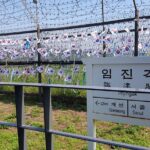
The DMZ visit is described through specific sites: Freedom Bridge, the 3rd Infiltration Tunnel, Imjingak Park, and the Dora Observatory. It’s one of the most unique attractions in the world, and the value of pairing it with the rest of your trip is that you’ll understand modern Korea in a wider context. The contrast—serious, real-world history on one side, then city views on the other—is dramatic.
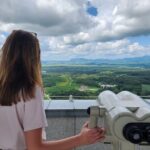
Then you head to Namsan Seoul Tower for panoramic views. A viewpoint like this is useful in a tour like this because it helps you map the city in your mind. After a day of serious subject matter, the visual sweep gives you breathing room.
One possible consideration: DMZ schedules can be complex in general, and tower viewpoints can be weather-dependent. Your licensed guide will keep the day moving, but be ready for “the plan runs, then conditions decide the details” energy.
Andong and Its Folk-Legacy Stops: Buseoksa, Hahoe Village, Cliffs, and Confucian Learning
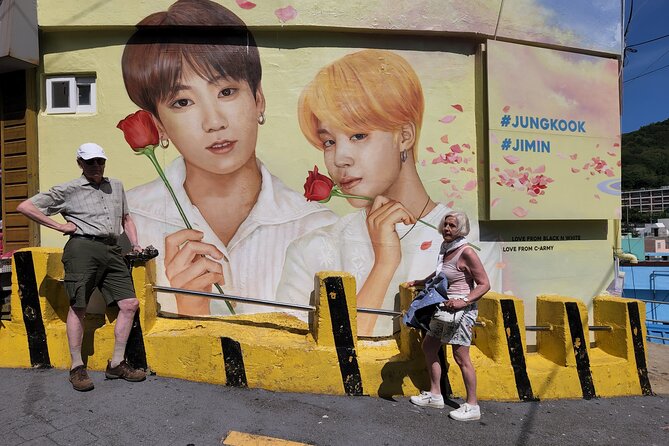
Day 4 shifts you into South Korea’s older heartland around Andong. You start with Buseoksa Temple, built in 676 and known for its scenery and the longest wooden building in Korea. It’s a strong start because it immediately gives you an architectural and spiritual sense of place.
Then you go to Andong Hahoe Folk Village, where the traditional community preserves original housing and living conditions. The village is described as dating to the early Joseon Dynasty—about 600 years ago. If you like seeing culture as something people actually lived with (not just staged), this is the kind of stop that helps.
Across the river you get Buyongdae, a cliff about 64 meters high with a panoramic view over the village. This is one of those moments where you can step back and understand how geography shaped settlement patterns.
The day ends with Byeongsan Seowon, a Confucian private school with shrines holding tablets and portraits of prominent scholars. It’s not just a pretty historical site; it gives a glimpse of how education and ideas were organized in the past.
Drawback to keep in mind: this is a day of longer-distance feeling. Even if the stops are well-chosen, you’ll likely spend more time walking and standing in outdoor spaces, including areas with steps and viewpoints.


Gyeongju’s Silla Highlights: Temples, Stone Wonders, Observatory Time, and Tombs
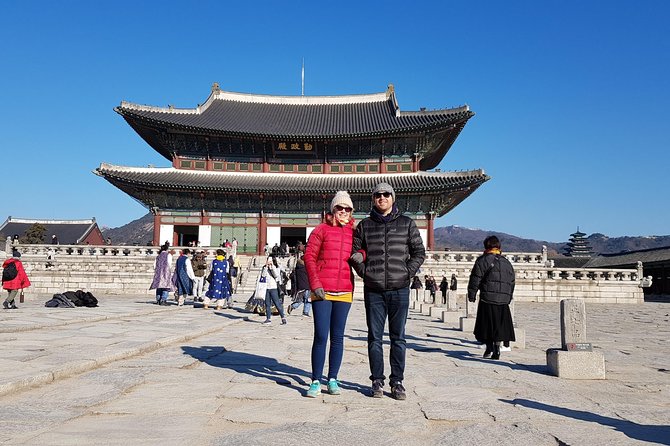
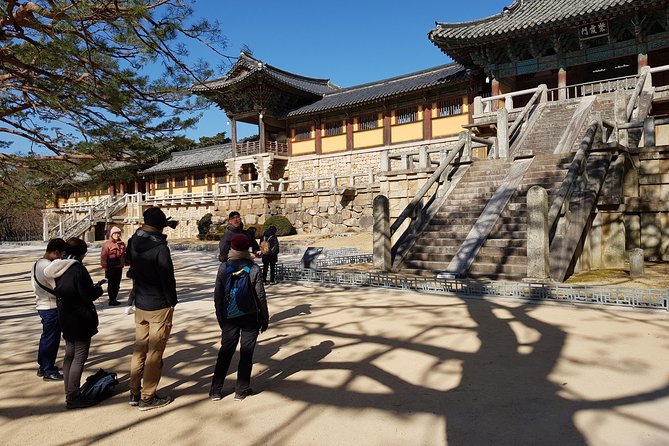
Day 5 is where Gyeongju starts to feel like a history course—but in a good way. You begin with Bulguksa Temple, built in 751 during the Silla Kingdom era and described as a representative relic of Gyeongju because of its beauty. It sets the mood for the Silla era sites that follow.
Next is Seokguram, a Buddhist stone temple built in 751 on Mt. Tohamsan’s slope. The focus here is on the stone temple setting, including the granite Bonjon statue and the round main hall concept. Even if you don’t read every plaque, the scale and design communicate a lot.
You then visit Donggung Palace and Wolji Pond. This secondary palace was used by the crown prince, and it also served as a banquet site for important visitors. It’s a different flavor than temple-only touring, because it hints at power, ceremony, and everyday court life.
After that, Cheomseongdae Observatory offers a fun angle: an astronomical observatory built around the 7th century, designated as Korea’s national treasure #31. If you’re a person who likes how cultures measured time and the sky, this stop is a satisfying shift.
Finally, you end with Daereungwon Tomb Complex, which includes 26 tombs of kings and nobles. The most famous tombs called out are Cheonmachong and Hwangnamdaechong. It’s a heavy topic, but it also helps you understand how the Silla elite were memorialized.
Possible consideration: a day this packed can feel repetitive if you rush. The trick is to give each site a purpose in your mind—temple architecture for Bulguksa and Seokguram, court power for Donggung and Wolji, science for Cheomseongdae, and memory systems for the tombs.
Busan by the Sea: Haedong Yonggungsa, APEC House, Jagalchi, and War Memory
Day 6 is your coastal Busan day, with stops that mix religion, modern landmarks, and real local life. You start at Haedong Yonggungsa Temple, famous because it sits along the shoreline. Many Korean temples are inland, so this coastal placement changes how you experience the place—sea air, sound, and views become part of the visit.
You then see Nurimaru APEC House, tied to the 13th APEC summit in 2005. It’s a modern building, and the value is context: you’re seeing how Busan presents itself on the global stage, not just through traditional sights.
A quick nature break comes with Dongbaekseom, an island at the west end of Haeundae Beach, known for camellias. This gives you a change from indoor-and-structured stops.
Then you hit the food and noise with Jagalchi Market, described as Korea’s biggest fish market. The practical detail is that you can buy raw fish on the first floor and bring it to restaurants. That’s a very local way to eat, and it also explains why the market has that energy—food becomes the whole point.
The day ends with the UN Memorial Cemetery, honoring UN soldiers from 16 countries and UN aids from five countries killed in the Korean War. It’s a solemn stop, and it matters because it shifts the story from daily tourism to shared wartime memory.
Drawback to plan for: a fish market can be busy and sometimes smelly, and coastal areas can be windy. But if you can handle that, this day is exactly the mix that makes Busan feel real.
Gamcheon Culture Village: Stair-Step Streets and an Art-Filled Finale
Your final day goes to Gamcheon culture village, known for houses built in staircase fashion on the foothills of a coastal mountain. It’s nicknamed Santorini of Busan, which gives you a quick sense of the hill-and-color feel. The value of a finale stop like this is freedom: you can wander alleys at your own speed, stop for photos, and pace yourself after a week of structured sightseeing.
The only thing to consider is physical. Hill neighborhoods like this tend to involve lots of steps and uneven walking. If your legs are already tired from earlier days, take breaks when you need them and treat this like a walk-with-snacks day rather than a sprint.
Price and Value: What You’re Paying For (and What You’re Avoiding)
At $3,399 per person for a 7-day tour, the big question is what’s included. Here, a lot is packaged for you: private air-conditioned transportation, a licensed English guide, admissions, 3 nights of lodging (in Andong, Gyeongju, and Busan), and 16 included meals. That’s a meaningful chunk of what usually turns into hidden costs when you DIY.
There’s also value in the timing and the coverage. This itinerary hits major sites across multiple regions—Seoul, Nami area, DMZ, Andong, Gyeongju, and Busan—without you needing to coordinate between cities. It’s the difference between “I planned this perfectly” and “I enjoyed the trip.”
One more practical factor: the tour includes pickup and drop-off at your Seoul hotel, plus mobile tickets and private-group participation. That reduces the small stressors that can eat up a vacation day.
So who is this best for? People who want a guided backbone, good variety in meals, and a mix of big historical sites and real-life Korea (including markets). If you like to design every day yourself, you might find the schedule a bit structured. If you want to see a lot with minimal planning, it’s a strong fit.
Should You Book This 7 Day Essential Korea Tour?
I’d book it if you want Korea that’s organized but not sterile. The combination of private logistics, a licensed English guide, and 16 meals means you avoid a lot of friction. Add in the fact that you get free time in each city, and you’ll still have room to wander and make the trip feel yours.
I wouldn’t book it if you dislike packed days or you need a very slow pace. This is built to cover a lot: palaces and markets in Seoul, then nature and culture stops, then DMZ and towers, and finally multiple major heritage sites and a full Busan day.
If you want essential Korea with the planning done for you, this tour makes that easy—and the food plan is a big reason why.
FAQ
How many meals are included in the 7-day tour?
You’ll get 3 breakfasts, 7 lunches, and 6 dinners, for a total of 16 meals throughout the trip.
What time does the tour start and how long is it?
The tour starts at 9:00 am and the duration is about 7 days.
Is pickup and transportation included?
Yes. The tour includes pickup and drop-off at your hotel in Seoul and private transportation with an air-conditioned vehicle.
Where are the included hotel stays during the tour?
Accommodation is included for 3 nights, staying in Andong, Gyeongju, and Busan (4 or 3 hotels, with room arrangements based on group size).
Does the tour include UNESCO World Heritage sites?
Yes. The tour is designed to include multiple UNESCO World Heritage Sites in Korea.
What is the cancellation policy for a full refund?
You can cancel up to 3 days in advance for a full refund. For a full refund, you must cancel at least 3 full days before the experience’s start time.