REVIEW · SEOUL
Imjingak DMZ Private Tour for Incheon Airport and Cruise Guests
Book on Viator →Operated by Kplustrave · Bookable on Viator
That border line feels personal when you hear it from a pilot. This private DMZ tour for Incheon and cruise guests pairs tight logistics with modern Korean history told by a retired air force fighter pilot. You’ll spend time at Imjingak Park and the Dora Observatory for sweeping views and a human-scale look at how the peninsula still stays divided.
I especially love two parts: the guide’s first-hand national security perspective, and the way the day stays practical—pickup, air-conditioned transport, and a pace that fits a 7 to 8 hour schedule. Plus, the experience includes an important mix of stops, so you don’t just see places—you learn how they connect. One possible drawback: this is weather-dependent, and DMZ viewing can be the kind of situation where you may need flexibility.
A lot of value here comes from the storytelling. In the reviews, the guide April got praised for being accommodating with photos and for making the day feel smooth, on time, and easy to follow. If you want military and Air Force angles, you’re in the right place; if you prefer only peaceful sightseeing, some of the DMZ stops may feel heavy.
In This Review
- Key Things To Know Before You Go
- A Retired Fighter Pilot Tells the DMZ Story Differently
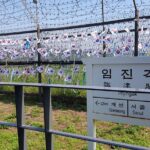
- Imjingak Park: Where the Korean War Gets Personal
- Dora Observatory: Panoramic Views and Binocular Looking
- Third Infiltration Tunnel: A Structure With a Timeline
- Unification Village at Tongilchon: Thinking About What Comes Next
- Gamaksan Chulleong Bridge: A Needed Break From Intensity
- Price and Value: When $450 Per Group Makes Sense
- Timing: A 7:00 AM Start That Actually Helps
- What the Private Format Changes for You
- Who Should Book This DMZ and Bridge Day
- Should You Book Imjingak DMZ for Incheon and Cruise Guests?
- FAQ
- What’s the meeting time for this tour?
- How long is the tour?
- How many people are included in a private group?
- What’s included in the price?
- What’s not included during the day?
- Is the tour dependent on weather?
- What does the day include at the DMZ?
- What if I need to cancel?
Key Things To Know Before You Go
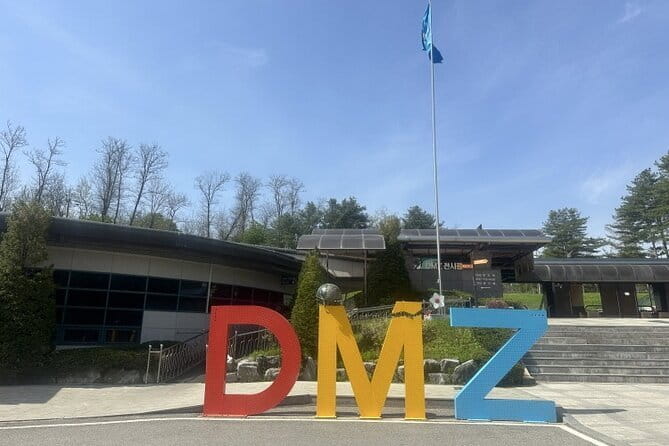
- Retired fighter pilot perspective: You’re not just watching exhibits; you’re hearing what mattered in air defense and conflict history.
- DMZ stops that show different angles: Imjingak Park, Dora Observatory, and the Third Infiltration Tunnel each explain a different part of the story.
- Tunnel + binocular viewpoints: You get a hands-on feeling for the conflict and then a view toward the North from Dora.
- Private group of up to 3: The price is per group, so it can be a strong value if you’re traveling as a small party.
- Air-conditioned transport and included fees: The day is built to be straightforward, with admission handled for the main stops.
- Bring your own water/snacks: Those aren’t included, so pack light but smart for a long morning.
A Retired Fighter Pilot Tells the DMZ Story Differently
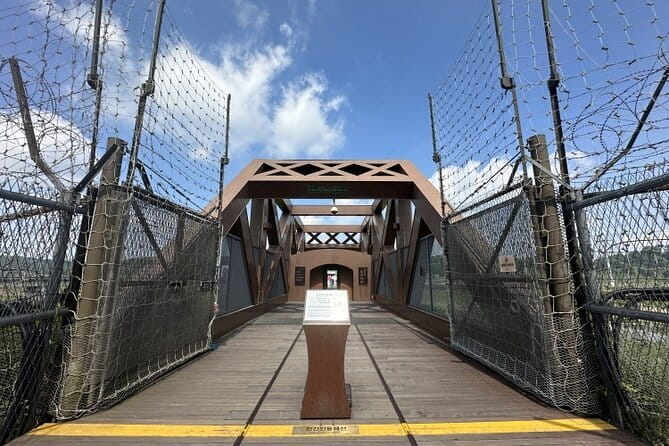
Most DMZ tours teach you facts. This one tries to give you context—why South Korea built what it built, and what the division means for safety and air power. The operator is described as a retired air force fighter pilot with more than 20 years in service, including protecting the country from North Korea. Even if you’ve read history before, hearing it framed around defense decisions can change how you process the sites.
This is also where the tour becomes more than a checklist. You’re going to visit places tied to Korean War memory and modern national security. That means questions start popping up naturally as you walk: Why this location? Why this kind of tunnel? Why these observatories? A guide with real fighter pilot background can connect those dots in a way that feels less abstract.
It’s worth calling out the tone. The day can be intense. The DMZ isn’t a casual photo walk, and you’ll feel that right away at the monuments and exhibits in Imjingak Park. If you want light-and-fun sightseeing only, you might feel the weight more than you expect. But if you’re the type who likes to understand how nations stay prepared, you’ll probably find it compelling.
You can also read our reviews of more boat tours in Seoul


Imjingak Park: Where the Korean War Gets Personal
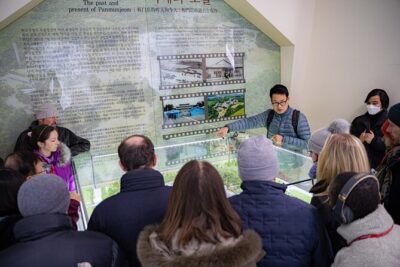
Your DMZ portion starts at Imjingak Park, which is designed as a remembrance and reflection space connected to the Korean War. This is where you’ll reset your brain for the rest of the day. Instead of starting with views and access points, you start with memory—monuments and exhibits that give you grounding.
For me, the practical value here is that it helps you read the rest of the DMZ experience. When you understand what people memorialize and why, the tunnel and observatory stops make more sense. You’re not just looking at structures; you’re seeing how the peninsula’s history still shapes what’s built and what’s restricted.
Plan for a slower, more attentive pace here. The time is set aside as part of a long morning, and this stop is the “set your context” phase. If you come in with zero background, you’ll still leave with a clearer sense of the timeline. If you already know the basics, you’ll likely enjoy how the guide’s defense angle reframes certain points.
One small note: Imjingak Park can be the kind of place where you’ll want photos, but also where you’ll want to pause and listen. Don’t rush the memorial parts just to beat the clock. That’s usually when the day clicks into focus.
Dora Observatory: Panoramic Views and Binocular Looking
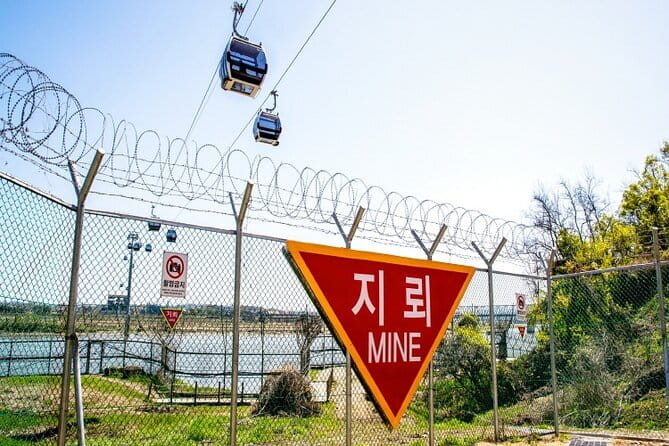
After Imjingak Park, you move toward Dora Observatory, an observation deck built for panoramic viewing. The important detail is that you can look toward North Korea with binoculars. That doesn’t mean you’ll see everything clearly like a sci-fi screen, but it does give you that eerie sense of direction: you’re standing in one story, looking toward another.
This stop matters because it changes your scale. Before Dora, the DMZ can feel like lines on a map. At the observatory, you get a physical sense of distance and the reality that the border is still active, still monitored, and still emotionally charged.
Bring the mindset that this is observation, not conquest. It’s easy to get caught up in the idea of seeing North Korea directly, but what you’re really practicing is attention—watching the view, thinking about separation, and letting the guide connect it to modern security and economic growth in South Korea.
If the weather is clear, this part of the day tends to feel more rewarding. Since the experience requires good weather, you’ll want to dress like you expect a real morning outside—even if you’ll spend plenty of time in an air-conditioned vehicle between stops.
Third Infiltration Tunnel: A Structure With a Timeline
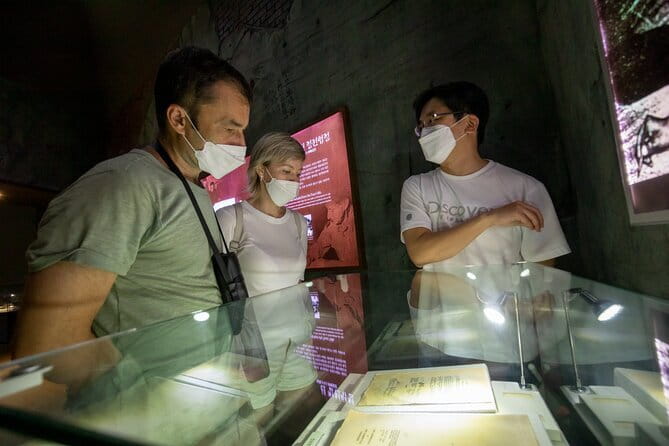
The Third Infiltration Tunnel is one of the most striking stops because you can explore a tunnel that was discovered in 1978. It’s believed to have been dug by North Korea for potential military infiltration into the South. That belief is specifically the framing used for the stop, and it matters: you’re not being asked to guess the reason. You’re being guided through the context of what the tunnel was intended to represent.
Why I like this stop for visitors: it turns history into architecture. You can stand where people once expected movement and risk—then hear how that threat shaped South Korea’s security planning. It’s also a good contrast to the observatory. Dora gives you an outward look. The tunnel gives you an inward, physical reality.
A quick consideration: tunnels and confined spaces can feel hot or enclosed depending on conditions. The tour includes an air-conditioned vehicle, but the tunnel area itself may not feel like that. If you’re sensitive to enclosed environments, it’s smart to pace yourself and keep expectations steady.
Even with that caution, this is the kind of stop that tends to stay with you. Once you’ve walked a space like that, the word border stops being abstract. It becomes an engineering and security topic, tied to the real fears of the era.
Unification Village at Tongilchon: Thinking About What Comes Next
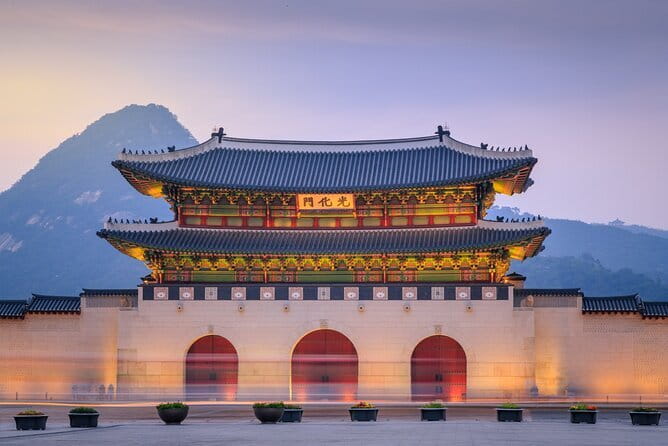
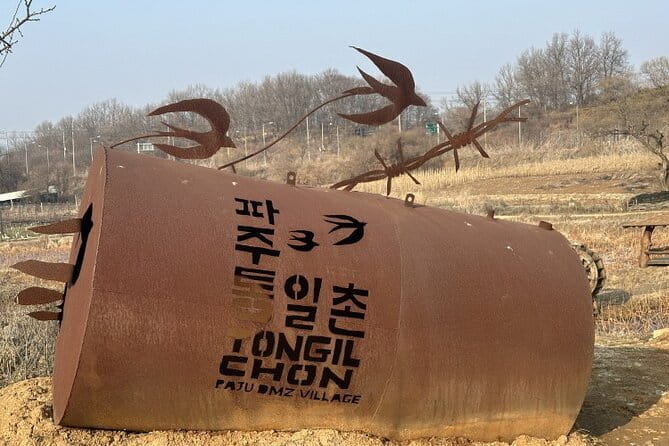
You’ll also visit Unification Village in Tongilchon. This is a named stop in the experience, and it tends to help visitors shift from “what happened” to “what people hoped for.” I’m careful here because the listing text cuts off before it shares more detail, but the takeaway is simple: it’s a place that symbolizes the long, complicated idea of reunification.
In a day focused on security, Unification Village adds balance. It reminds you that the DMZ isn’t just about defense; it’s also about future hopes, negotiation, and what life could look like if the peninsula ever changes.
How it feels on the ground depends on conditions and how the guide steers the conversation. If the guide connects the stop to national security and economic growth, you’ll get a fuller view of how South Korea planned for stability while still watching reunification questions.
You can also read our reviews of more private tours in Seoul


Gamaksan Chulleong Bridge: A Needed Break From Intensity
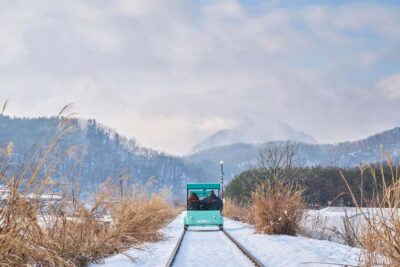
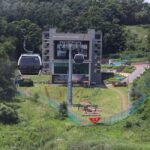
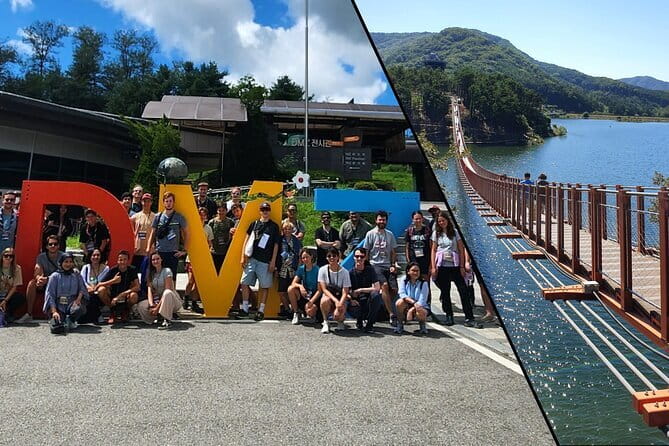
After the DMZ time, you head to Gamaksan suspension bridge. This part is shorter—around 2 hours—and it’s a deliberate reset. Instead of monuments, tunnels, and distant watching, you get a change of mood: walking, viewing, and stretching your legs.
This is a smart design for a private day that started early. If you only did DMZ stops back-to-back, you could end up mentally overloaded. The bridge gives you room to breathe and take photos in a different frame: not “look at the border,” but “look at the surroundings around you.”
You should still keep the same practical mindset though. Wear shoes you can walk in for a bridge setting. Bring what you need for the weather. And don’t plan to treat this like a rushed photo stop. The best experiences at a suspension bridge are the slow ones—pausing, looking, and letting your brain settle after earlier intensity.
Price and Value: When $450 Per Group Makes Sense
This tour costs $450.00 per group, up to 3 people. For a private experience with pickup, licensed driver/guide, admission included for the main stops, and an air-conditioned vehicle, it can be good value—especially if you’re not traveling solo.
Here’s how I’d think about the math in real life: you’re paying for (1) a specialized guide with Air Force background, (2) a full-day schedule with multiple included admissions, and (3) a private format that keeps the pacing flexible. If you have two or three people, the cost per person drops quickly compared with typical per-person tour models.
If you’re solo, it’s still doable, but you’ll feel the price more. In that case, ask yourself if the pilot-guided storytelling is your top priority. If it is, you may still feel satisfied. If it’s not, you might prefer a cheaper group tour.
Either way, don’t forget the “not included” items: bottled water and snacks. That’s a small expense, but on a 7 to 8 hour day it matters. I’d rather have you spending $5–$10 intentionally on water than feeling stuck later.
Timing: A 7:00 AM Start That Actually Helps
The start time is 7:00 am. That early departure is the kind of detail that often makes or breaks a DMZ day. The DMZ experience depends on conditions, and starting early usually gives you a better chance of smoother access and enough daylight for each stop.
The total duration is about 7 to 8 hours, with DMZ time set around 5 hours and the bridge about 2 hours. That’s a solid schedule. It doesn’t try to cram in too many extra stops, which is important if you want time to listen rather than sprint between points.
The tour also uses a mobile ticket, and pickup is offered for Incheon Airport and cruise guests. That matters because it reduces the stress factor on your travel day. You get to focus on the experience instead of navigating transport at the crack of dawn.
One more tip: this tour is described as flexible. In practice, that means you’ll likely have room for pacing, questions, and photo moments—especially since the guide in the reviews was praised for being accommodating with pictures.
What the Private Format Changes for You
Private tours can be hit or miss. This one leans in the direction of giving you a more personalized education and a smoother day.
With only your group participating (up to 3), you can ask sharper questions—about national security, the Korean War legacy, and how South Korea’s economic growth relates to long-term stability. And because the guide is described as a retired fighter pilot, you’re not just hearing a script. You’re getting the kind of perspective that invites follow-ups.
The reviews back up this “make it easy” feel. The tour was described as on time and informative, with the guide being accommodating about photos and even offering transportation and food recommendations. That’s the kind of practical kindness that often makes a day feel better than its itinerary.
Who Should Book This DMZ and Bridge Day
This is a great match if you:
- care about military history, especially Air Force and fighter pilot perspective
- want modern Korean history tied to national security and South Korea’s development
- prefer a private format over large group tours
- like a guided day where listening matters as much as seeing
You might not love it if:
- you want only light sightseeing with no heavy context
- you dislike memorial and security-related sites
- you’re uncomfortable with the idea of restricted-border storytelling
Should You Book Imjingak DMZ for Incheon and Cruise Guests?
If your goal is a DMZ day with real security perspective, I think it’s an easy yes—especially for couples and small groups of up to 3. The combination of Imjingak Park, Dora Observatory with binocular looking, the Third Infiltration Tunnel, and the Unification Village stop creates variety within one coherent theme. Then the Gamaksan suspension bridge gives you a healthy mental reset.
Go for it if you want your guide to do more than point. Based on the praised experience with April, you’re likely to get a tour that runs smoothly, stays on schedule, and gives you room for photos and questions.
If you’re unsure, ask yourself one question: Do you want to understand the DMZ as a living security reality, not just a sightseeing stop? If the answer is yes, this tour is built for you.
FAQ
What’s the meeting time for this tour?
The tour starts at 7:00 am.
How long is the tour?
It’s about 7 to 8 hours total.
How many people are included in a private group?
It’s a private tour, and the group size is up to 3 people.
What’s included in the price?
The price includes pickup (where offered), an air-conditioned vehicle, licensed guide/driver, and all fees and taxes for the listed admissions. It also includes a mobile ticket.
What’s not included during the day?
Bottled water and snacks are not included.
Is the tour dependent on weather?
Yes. The experience requires good weather, and if it’s canceled due to poor weather you’ll be offered a different date or a full refund.
What does the day include at the DMZ?
You’ll visit Imjingak Park, the Third Infiltration Tunnel, Dora Observatory, and Unification Village at Tongilchon.
What if I need to cancel?
You can cancel up to 24 hours in advance for a full refund. If you cancel less than 24 hours before the start time, the amount paid isn’t refunded.