REVIEW · SEOUL
Savoring Authentic Korean Liquor and Cuisine
Book on Viator →Operated by Lodge Magok · Bookable on Viator
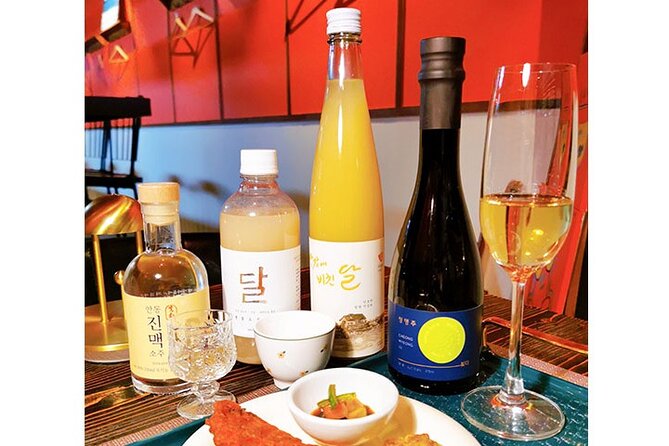
One sip and the story starts. This 90-minute Seoul experience with Chef Hyesun is built around real Korean traditional liquor and smart food pairings with An-ju, the bites people eat alongside drinking. You’ll taste three traditional styles—Takju, Cheongju, and distilled—then match them with dishes like veg pancake, meat pancake, and kimchi bibim noddle, depending on what’s available.
Two things I’d count as big wins are the very focused tasting lineup (not just one drink), and the way the food is treated like part of the lesson, not an afterthought. One thing to consider: since this is a small group alcohol experience (ages 18+ for drinks), you’ll want to plan your evening energy accordingly and show up ready to taste.
In This Review
- Key Highlights You’ll Feel Fast
- Why Seoul’s Real Traditional Liquor Lesson Is Worth 90 Minutes
- Meet Chef Hyesun at Lodge Magok (Then Get Straight to Tasting)
- What the Liquor Tastings Teach You (Takju, Cheongju, Distilled)
- An-ju Pairings: The Food That Makes the Drinks Make Sense
- The Ingredient Story Behind Korean Traditional Liquor
- Who This Tour Fits Best (And Who Should Skip It)
- Price and Value: Is $59 a Good Deal?
- Logistics That Actually Matter (Meeting, Timing, Small Group)
- Should You Book This Korean Liquor and An-ju Tour?
- FAQ
- How long is the experience?
- What’s the maximum group size?
- Where do we meet, and does it end there too?
- What types of Korean liquor are included in the tasting?
- What food is paired with the liquor?
- Is alcohol served to all ages?
- Are service animals allowed?
- Do I need to message the host after I book?
- Is there free cancellation?
Key Highlights You’ll Feel Fast
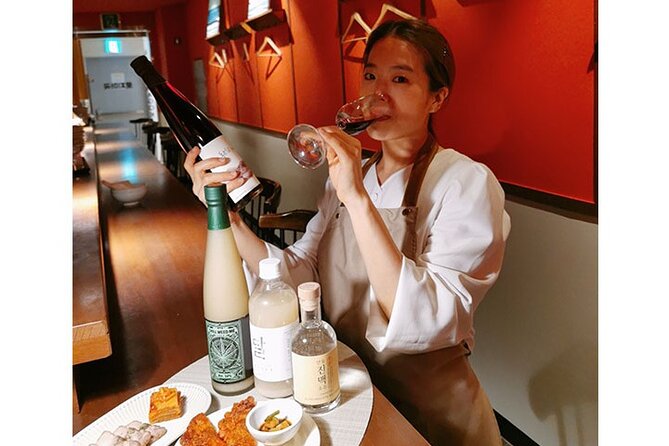
- Three distinct liquor categories in one session: Takju, Cheongju, and distilled liquor
- Chef Hyesun’s approach ties drinking to brewing know-how, not just flavor guesses
- An-ju pairings designed to work with the alcohol styles you’re sampling
- Small local-brewery selection you can’t easily find in regular shops or restaurants
- A short, high-value format at about 1 hour 30 minutes for up to 6 people
Why Seoul’s Real Traditional Liquor Lesson Is Worth 90 Minutes
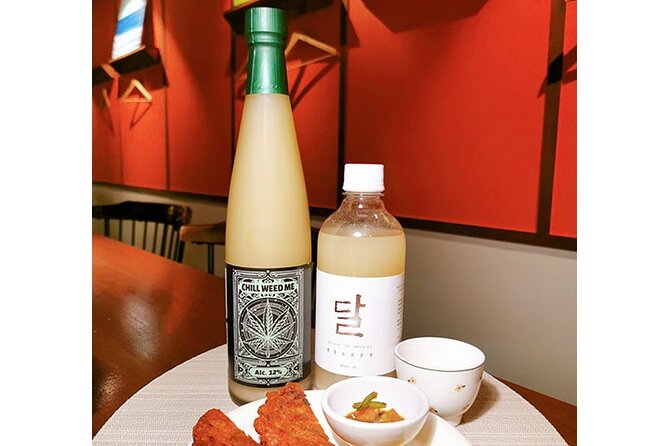
This isn’t a vague tasting where you sip and move on. The core idea is simple: Korean traditional liquor is made from just three ingredients—Korean rice, mountain mineral water, and naturally fermented yeast—and you can actually taste how those ingredients behave across different styles.
I like the practicality of the format. You get history and background, but you also get to sample. That’s the fastest way to understand why Korean liquor often lands differently than wine or sake—especially once you start pairing it with An-ju.
Also, the host isn’t treating Korea like a single-flavor country. You’ll learn how there are over 1,400 small traditional liquor breweries in Korea, which helps explain why local variations can taste noticeably different. Even if you’re new to drinking traditional styles, the session keeps it clear and organized.
You can also read our reviews of more tours and experiences in Seoul.

Meet Chef Hyesun at Lodge Magok (Then Get Straight to Tasting)
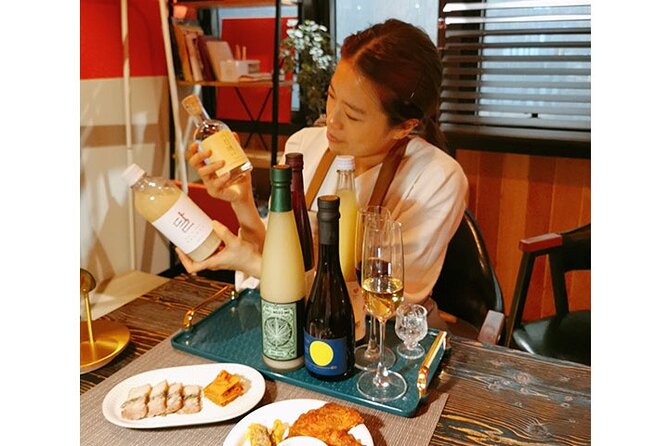
The experience starts at 로찌마곡 (LodgeMagok) in Seoul, in Gangseo-gu, Magok-dong, at 나루역 프라이빗타워Ⅱ 207호. It ends back at the meeting point, so you don’t have to plan an extra transfer once you’re done eating and tasting.
A small but useful detail: you’ll get a mobile ticket, and the organizer asks that after booking is confirmed, you message them on WhatsApp to double-check your schedule and food allergies. You’re even given a direct contact number, +82 10 2661 7832, which makes it easier to reach a real person instead of playing email tag.
If you’re bringing dietary restrictions, this matters. You’ll want to share them early so the An-ju pairing can match your situation as closely as possible. And since alcohol is part of the concept, I’d also show up with something like ID ready—this is 18+ for alcoholic beverages.
What the Liquor Tastings Teach You (Takju, Cheongju, Distilled)
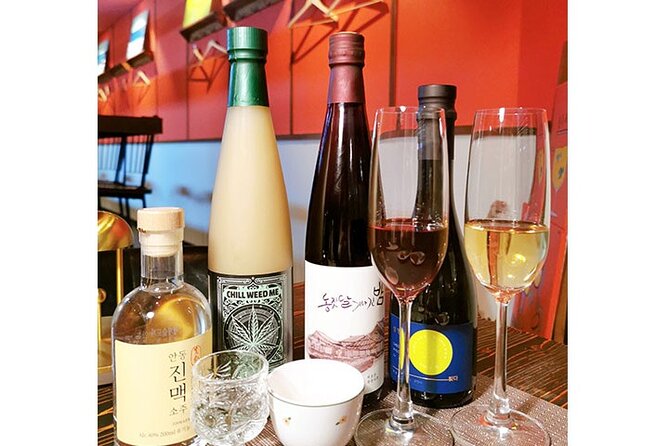
The tasting is structured around three categories of Korean traditional liquor: Takju, Cheongju, and distilled liquor. You’ll sample each one, and you’ll learn what makes each style distinct—so you don’t just walk away with a vague, happy buzz.
Here’s what I’d watch for while tasting. Takju and Cheongju tend to feel different in body and character, largely because of how fermentation and processing change what you get in the glass. Distilled liquor shifts the experience again, because concentration changes the balance of aroma, sweetness, and heat. The lesson isn’t just about picking a favorite; it’s about learning how the same ingredient system can create very different drinking profiles.
The tour also frames traditional liquor as something you’re unlikely to see in the usual places. You’ll taste a special selection from different local breweries, described as options you can’t find in every store or restaurant. For me, that’s the value: you’re not only learning, you’re getting exposure to flavors that don’t show up on a typical menu.
An-ju Pairings: The Food That Makes the Drinks Make Sense
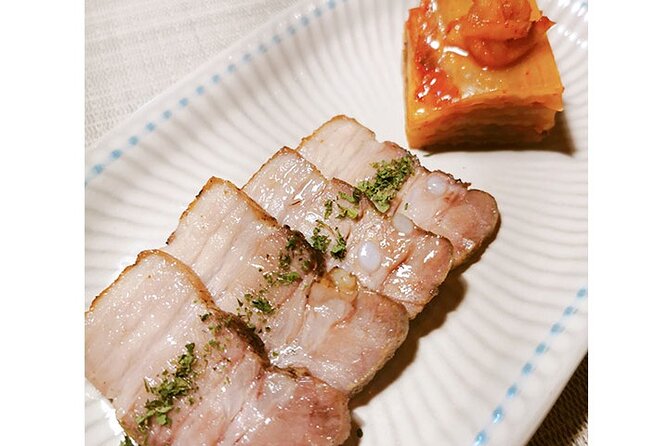
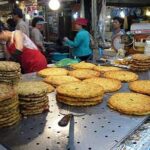
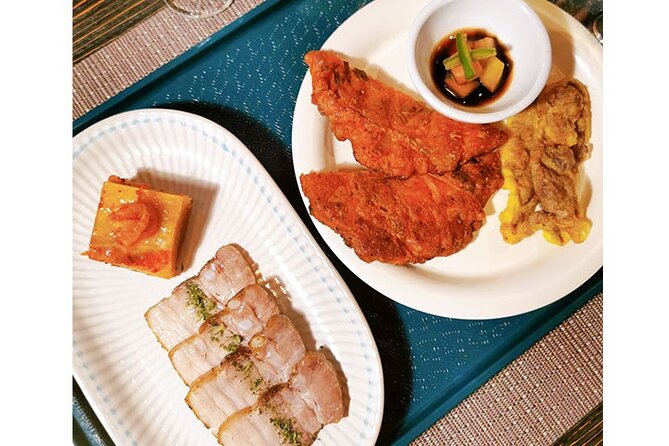
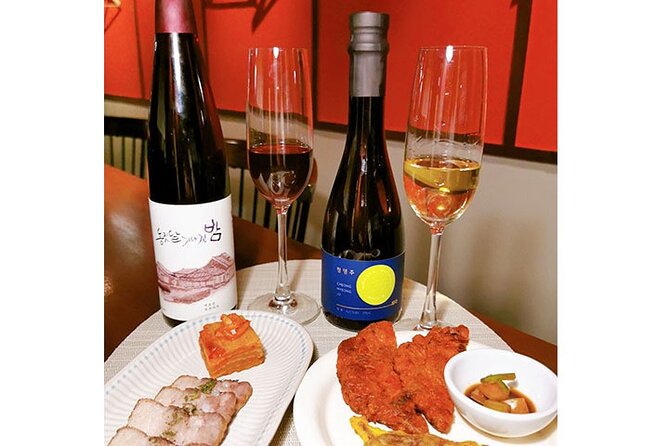
The food element here is called An-ju, which basically means the Korean drinking food designed to go with liquor. In this session, you’ll get pairings such as veg pancake, meat pancake, and kimchi bibim noddle—though the exact dishes can vary based on ingredient supply and demand.
What I like is that the pairings match the concept of harmony. Instead of treating food like filler, the tasting sets you up to notice how the bite changes your perception of the drink. Salty, savory, and spicy elements can make alcohol taste cleaner or more rounded. Pancakes can add grounding texture. Kimchi-based flavors can shift how sweet or dry a liquor feels.
Another practical angle: if you’ve ever felt confused by Korean alcohol because it tastes too different from what you know, An-ju is the bridge. You’re not trying to like the drink in isolation. You’re tasting it in context—like locals do.
And because menus may change, don’t anchor expectations on one specific item. If you have a strong preference or a strict allergy, message the host on WhatsApp during the schedule double-check so you can align your needs with what’s available.
The Ingredient Story Behind Korean Traditional Liquor
This experience spends time on the basics of what makes Korean traditional liquor what it is: rice, mountain mineral water, and naturally fermented yeast. That triad matters because it’s narrow—meaning the differences you taste come from process, time, and style, not from wildly different ingredient lists.
You’ll also get the historical context behind why Takju, Cheongju, and distilled liquor aren’t random names. The idea is to connect the drinking experience with the production tradition, so the tasting becomes understandable instead of mysterious.
One of the most useful things you can do during tastings is compare your reaction from one pour to the next. Ask yourself questions like: Does this taste more smooth or more sharp? Do I notice sweetness first or aroma first? What happens when I take a bite of An-ju right after? That’s how you turn sampling into real learning.
And since the session includes chef-led explanations, you get a human interpretation of the flavors. Chef Hyesun runs a restaurant focused on traditional liquor, and the experience is framed by their background as a world traveler. That combo usually means you get both cultural context and an outsider-friendly way to explain what’s in your glass.

Who This Tour Fits Best (And Who Should Skip It)
This works best if you:
- Want traditional Korean liquor beyond the usual soju stereotypes
- Like food pairings that are actually part of the experience
- Enjoy learning through tasting, not just listening
- Prefer small groups (maximum of 6 travelers) for easier conversation
It may not be ideal if you:
- Don’t drink alcohol at all, since the concept centers on tasting styles
- Have a complicated allergy situation and want menu certainty, because An-ju can depend on ingredient supply
- Expect a long meal. This is about sampling and pairing for about 90 minutes, not a full dining night
Also note the tone: it’s described as a friendly, social meet-up style where you can share travel stories. If you want something more formal or quiet, you might want to temper expectations.
Price and Value: Is $59 a Good Deal?
At $59 per person for roughly 1 hour 30 minutes, the value depends on what you’re aiming for.
Here’s why it can feel like a good bargain:
- You’re tasting three traditional liquor categories, which is more substantial than one-drink tastings
- You get An-ju pairings to match the liquor styles, which adds real value beyond just alcohol
- The session includes chef-led context, not only a pour-and-go approach
- The format is small, with a maximum of 6, so explanations and questions feel more reachable
There’s also an invisible cost saver: traditional liquor isn’t always easy to find in casual settings where you can learn as you taste. If you’ve ever stood in a Korean shop staring at bottles and wondering what’s what, you’ll probably appreciate paying for someone to guide the order, the categories, and the pairing logic.
If you’re only curious about one drink style, you might feel $59 is more than you need. But if you want a starter-to-intermediate introduction to Korean traditional liquor and you like food pairings, it’s a very practical use of time.
Logistics That Actually Matter (Meeting, Timing, Small Group)
The tour is designed for a focused time window of about 1 hour 30 minutes. That’s ideal if your Seoul plan is packed and you want a cultural food-and-drink stop without losing half a day.
Because it’s near public transportation, you’re not forced into a complicated taxi situation. And because it’s max 6 travelers, it usually avoids the chaos of big groups—meaning you’re more likely to get personal explanations from Chef Hyesun.
You’ll also want to treat the WhatsApp message step as part of your prep. After booking confirmation, you should send a message so the host can double-check your schedule and handle food allergy details. That takes a few minutes and can prevent uncomfortable surprises later.
Should You Book This Korean Liquor and An-ju Tour?
I’d book this if you want a genuine intro to Korean traditional liquor styles—Takju, Cheongju, and distilled liquor—paired with An-ju in a small, chef-led setting. The ingredients lesson (rice, mountain mineral water, naturally fermented yeast) gives you a clear framework, and the three-category tasting helps you learn fast without getting lost.
Skip it if you’re mainly looking for a casual bar crawl or you’re not interested in tasting alcohol at all. And if you have allergies, do the WhatsApp check carefully so the food pairing can work for you.
If your goal is to understand Korean liquor beyond the basics, this is a short, concentrated experience with real value—and it’s the kind of stop that makes your Seoul dinner stories more interesting.
FAQ
How long is the experience?
It runs about 1 hour 30 minutes.
What’s the maximum group size?
The tour has a maximum of 6 travelers.
Where do we meet, and does it end there too?
You meet at 로찌마곡 (LodgeMagok) in Gangseo-gu, Magok-dong, at 나루역프라이빗타워Ⅱ 207호. The experience ends back at the meeting point.
What types of Korean liquor are included in the tasting?
You’ll taste three traditional liquor types: Takju, Cheongju, and distilled liquor.
What food is paired with the liquor?
You’ll enjoy An-ju, with examples that can include veg pancake, meat pancake, and kimchi bibim noddle. The exact dishes may depend on supply and demand of ingredients.
Is alcohol served to all ages?
No. Alcoholic beverages are only offered to ages 18 and above.
Are service animals allowed?
Yes, service animals are allowed.
Do I need to message the host after I book?
After booking is automatically confirmed, you should send a WhatsApp message to double-check the schedule and discuss food allergies and other details.
Is there free cancellation?
Yes. You can cancel for a full refund up to 24 hours before the experience’s start time.
![[Private] DMZ & Imjingak Peace Gondola Experience Inter-Korean War - Dora Observatory and Dorasan Station: the viewing windows are the point](https://2.letsgoseoul.com/wp-content/uploads/private-dmz-imjingak-peace-gondola-experience-inter-korean-war-400x267.jpg)