REVIEW · SEOUL
DMZTour from Seoul:3rd Tunnel,North Korea View&UNESCO Valley
Book on GetYourGuide →Operated by Lecirt · Bookable on GetYourGuide
Two countries, one uneasy horizon. This DMZTour from Seoul is built around Dora Observatory, where the view into North Korea comes with instant perspective. You’re not just looking at a spot on a map. You’re seeing how geography and division shape daily life.
I also like the moment you walk through the Third Tunnel, an underground passage dug by North Korea. It turns a headline topic into something you can physically understand, with a guide who connects the dots. In one small-group day led by Apollo, there were just 5 people, which makes questions easier.
Be ready for the early start. Getting into the DMZ means you must share every participant’s passport details (name, passport number, date of birth, gender), and security rules keep things moving but sometimes make the morning feel intense.
In This Review
- Key highlights you’ll remember
- DMZ access starts with passport details and a very early morning
- Imjingak peace park: monuments that frame the whole day
- Dora Observatory: the North Korea view and what to do with it
- The Third Tunnel walk: turning a headline into human scale
- Tongilchon: unification context without getting lost in slogans
- Hantan Geopark and Jaein Waterfall: the UNESCO nature reset
- Photo strategy for Dora, Imjingak, and Jaein Waterfall
- What you’re really paying for: value of $125 for a full day
- Who this DMZ and UNESCO Geopark day is best for
- Should you book Lecirt’s DMZTour from Seoul?
- FAQ
- What sites are included on this DMZ and UNESCO Geopark tour?
- What do I need to enter the DMZ?
- Is transportation included?
- What’s included in the tour price?
- What’s not included?
- Where does the tour start and end?
- What languages are available?
- Can I reserve and pay later?
- How late can I cancel for a full refund?
Key highlights you’ll remember
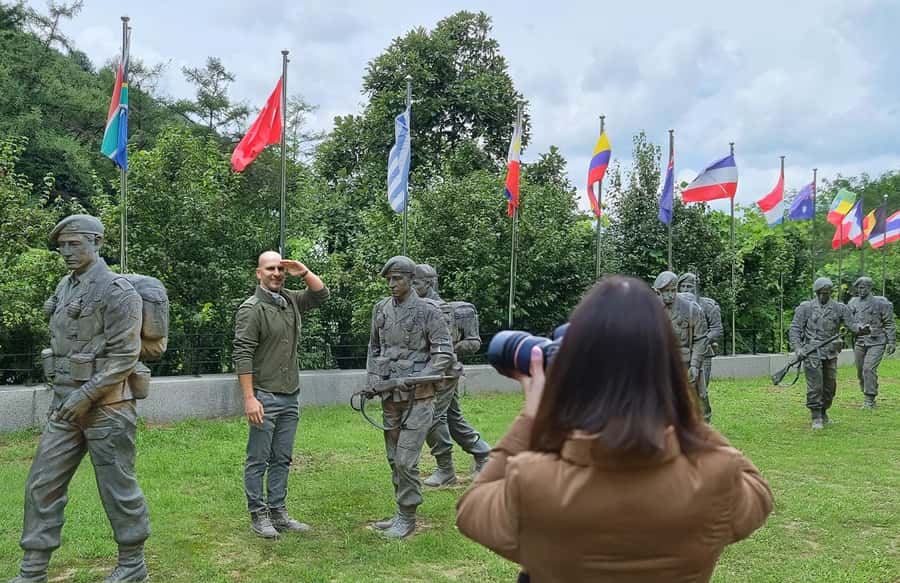
- Dora Observatory views into North Korea paired with real context, not just photo stops
- Third Tunnel walk-through, where scale and design become easier to understand
- Imjingak peace and unification monuments made for reflection and clear photos
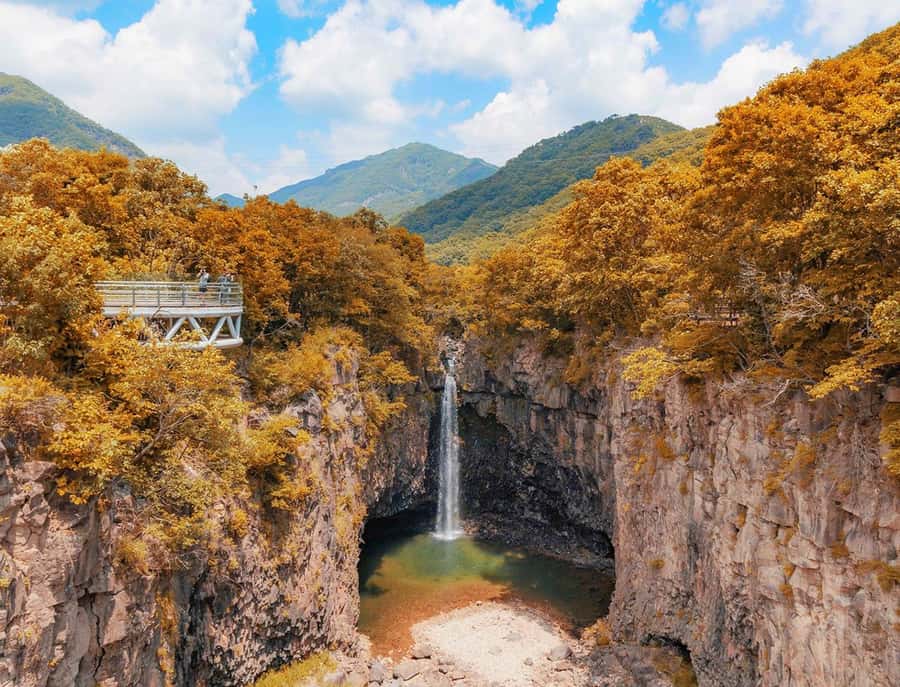
- Jaein Waterfall in Hantan Geopark, plus time for trails and a suspension bridge thrill
- Small-group feel on at least some departures, including a 5-person run with guide Apollo
DMZ access starts with passport details and a very early morning
The big reality of a DMZ day trip is that it’s run like a security operation, not a casual sightseeing loop. Before you go, you’ll need all participants’ passport information: name, passport number, date of birth, and gender. Have this ready. Any mismatch can slow down or complicate entry, and the DMZ doesn’t operate on flexible vacation time.
A note worth taking seriously: entry timing matters. In one reported day run led by Apollo, the group started at a crazy 6am, and the reason was practical. Only 1000 people at a time are allowed by security to the DMZ. If your guide isn’t in the ticket line early, you can lose time waiting. That early start can feel extreme at first. I get why. But it also explains why the day is still structured and why the DMZ part works at all.
If you don’t love mornings, plan on being awake anyway. This tour rewards the people who show up prepared: water in your bag, layers for the early air, and your camera ready before you need it.
You can also read our reviews of more tours and experiences in Seoul.

Imjingak peace park: monuments that frame the whole day

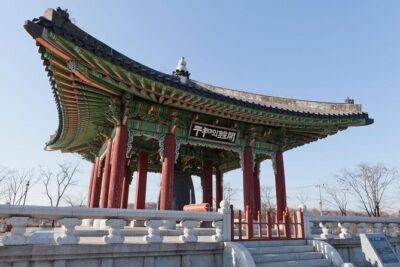
Imjingak is where the emotional tone of the day starts to make sense. This isn’t just a sightseeing area. You’re visiting a space dedicated to peace and unification, with monuments designed to communicate a message you can’t ignore. You’ll have time to take photos here, but the best pictures come when you slow down a bit and look at what the monuments are doing—pointing, symbolizing, and insisting on hope even while the world stays divided.
What I like about Imjingak is that it gives you a “why” for everything else you’ll see later. When you reach Dora Observatory and the Third Tunnel, you’ll understand what those places represent. Without Imjingak, the DMZ can feel like scenery. With it, the monuments act like a guide for your own thinking.
There’s also a simple practical benefit: Imjingak is one of the stops where you can step back from the tight schedule and breathe. It’s an important pause before the more intense sites.
Dora Observatory: the North Korea view and what to do with it
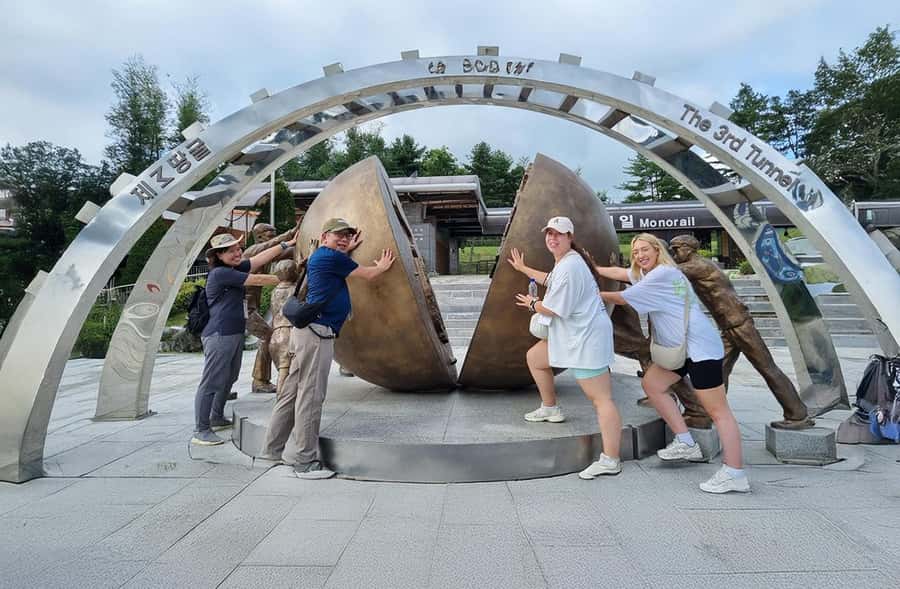
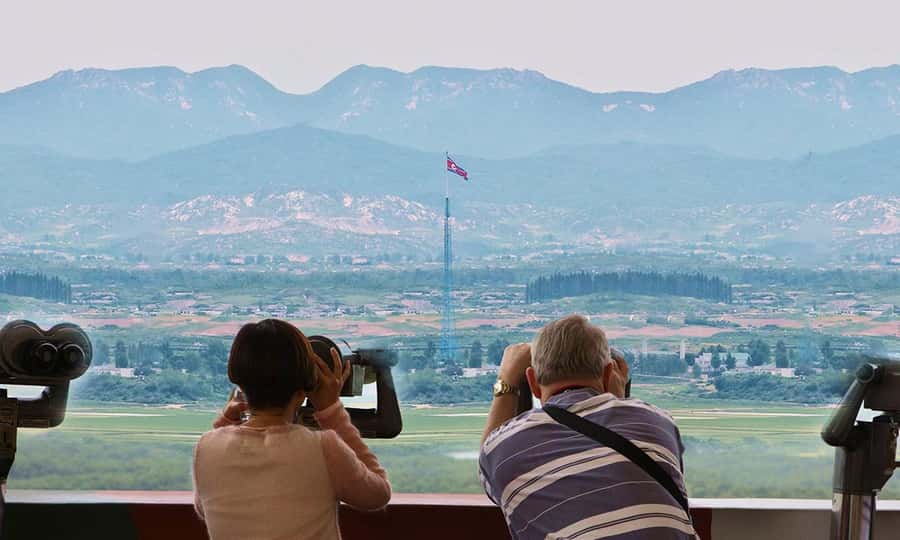
At Dora Observatory, the whole tour’s contrast becomes visible. You go there to gaze into North Korea and absorb the scale of what separation looks like from a fixed viewpoint. You’ll also have landscape and light that can make photos look dramatic, especially when the weather is kind.
Here’s the part people sometimes miss: the view is powerful, but it becomes more powerful when you treat it as a prompt, not a postcard. I suggest you take one wide shot to capture the horizon, then switch to slower observation. Notice the lines of the terrain, the distance, and the way the scene makes you think about borders, not just countries.
In the small-group-style experience described with guide Apollo, the day moved early and efficiently, which meant the Dora stop felt purposeful instead of rushed. Even if your group size differs, you’ll still want the same mindset: arrive ready to look, not just document.
Also, bring a practical camera plan. If it’s bright, use quick composition checks so you don’t waste time fiddling with settings while the best sightline window is passing.
The Third Tunnel walk: turning a headline into human scale
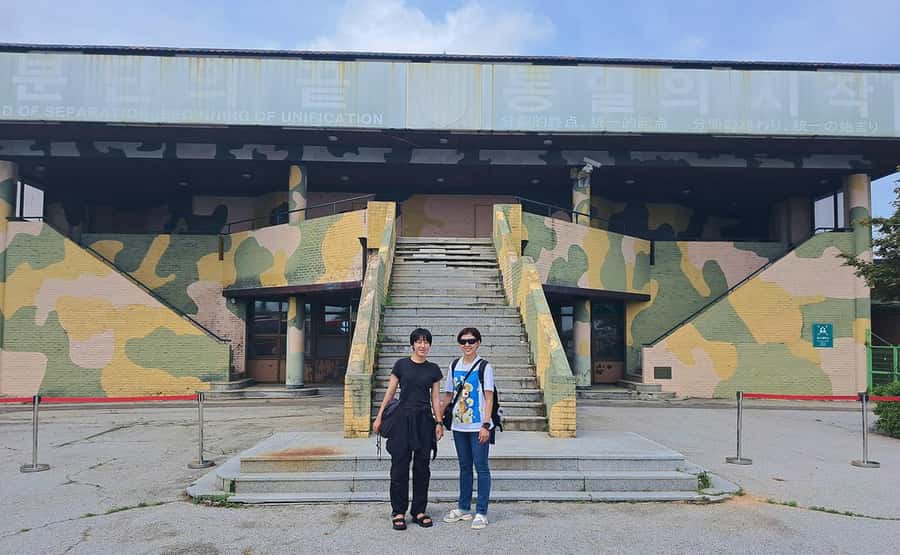
The Third Tunnel is the DMZ stop that does the most “learning with your feet.” This underground passage, dug by North Korea, is one of the most talked-about features of the DMZ because it shows intent in a physical form. On the tour, you walk through the tunnel and learn about its significance along the way.
What I like here is the shift from abstract to concrete. You can read about tunnels all day long, but when you’re inside one—seeing the proportions, the confinement, and the route itself—you understand why it mattered. It’s the kind of stop that makes later explanations easier because your brain already has the shape of the place stored away.
Potential drawback: it can feel like a more intense portion of the day simply because it’s enclosed and attention-heavy. If you’re sensitive to tight spaces, take it slowly and follow your guide’s cues.
Still, this is the heart of the DMZTour experience for a reason. It’s memorable in a way that lingers after the buses move on.
Tongilchon: unification context without getting lost in slogans
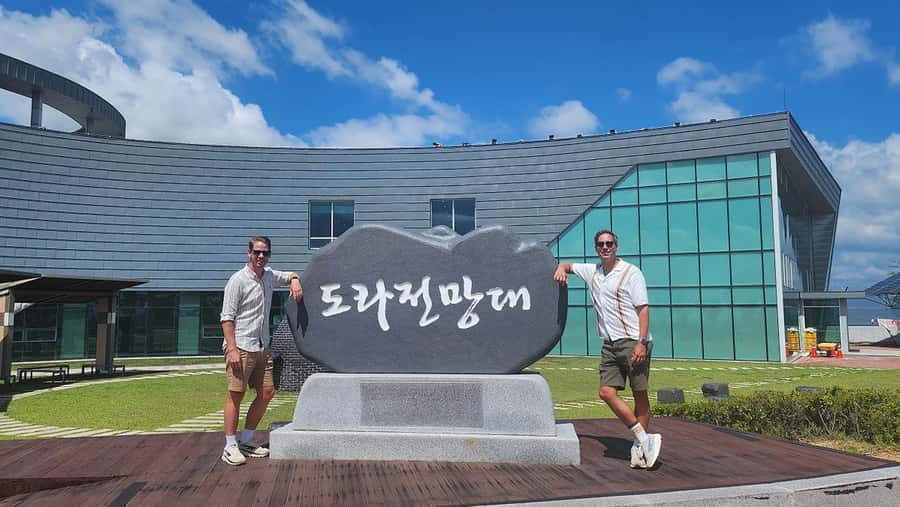
Tongilchon is one of the stops included to support the day’s bigger theme: Korea’s division and what unification means in real life. The tour frames the area as part of the story you’re hearing throughout the day, not as a standalone attraction.
Since the specifics of what you’ll see depend on conditions and how the day is run, I wouldn’t over-plan your expectations here. Think of Tongilchon as a context stop: another chance to connect the historical facts to what the region tries to communicate about peace and reunification.
In practice, this stop can be helpful if you’re the type who likes a clear narrative thread. If you prefer action-heavy sightseeing only, you might find Tongilchon less visually dramatic than Dora or the tunnel. But it often serves as the “glue” that makes the day feel coherent.



Hantan Geopark and Jaein Waterfall: the UNESCO nature reset
After the DMZ portion, the tone changes. That’s not a small detail. It helps you process what you just saw. Then the tour heads to Hantan Geopark, where you’ll experience Jaein Waterfalls, a UNESCO site.
This is where I love the pacing. You trade concrete and rules for trails, air, and open views. You’ll have a chance for refreshing scenery and to take photos with the waterfall as your anchor.
One of the best practical notes from the experience description is that you can also walk a suspension bridge for a thrill moment. That’s a nice contrast: after a day of heavy history, you get movement, viewpoints, and the kind of feeling you can talk about at dinner later.
Possible drawback: you’ll want comfortable shoes. Waterfall areas often come with uneven ground and paths that are more about footing than speed. If you plan to photograph, give yourself a little extra time for stopping, framing, and catching the moment when light makes the falls look their best.
Photo strategy for Dora, Imjingak, and Jaein Waterfall
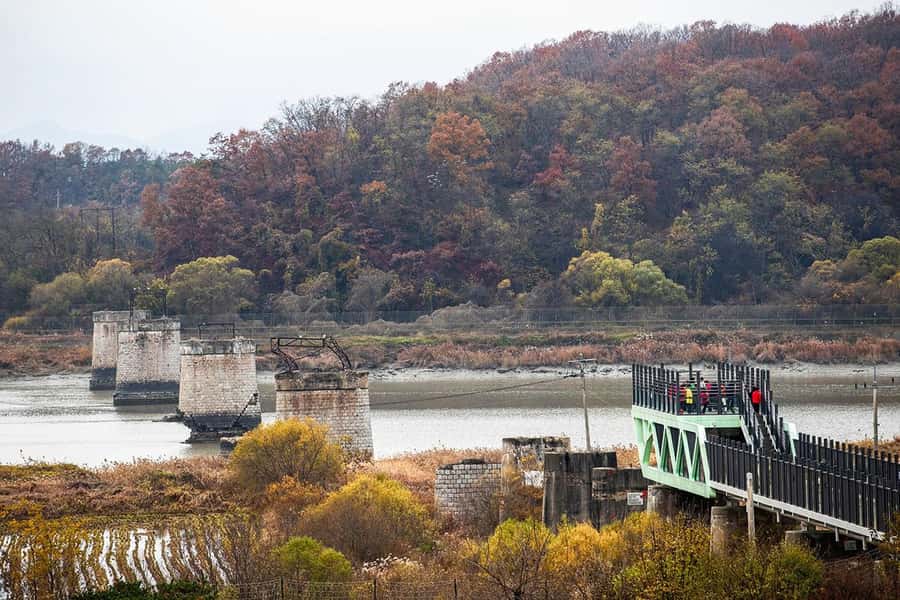
If you care about photos, this tour gives you enough variety to make your camera earn its weight.
At Imjingak, focus on monuments and spacing. Wide shots help tell the story. Close shots work if you want symbols and details. The best approach is to take one wide photo, then step back and look again before you shoot.
At Dora Observatory, prioritize a steady horizon shot. Then add one or two frames that include nearby reference points so your images don’t feel like they’re floating without context.
At Jaein Waterfall, your success depends on weather and the time you arrive. The experience described with sunny conditions highlights why daylight matters. If the sun cooperates, the waterfall photographs look sharper and the whole area feels more energetic. If it’s less sunny, don’t panic. Water can still photograph well, especially when you adjust for lighting and keep your shutter stable.
The biggest tip across the whole day: charge your batteries before you leave Seoul, wipe your lens if conditions are humid, and avoid rushing your framing when everyone else is moving.
What you’re really paying for: value of $125 for a full day
At $125 per person, you’re not paying for a museum ticket or a walk around a single site. You’re paying for the structure that makes a restricted region visit possible plus the added nature time at Hantan Geopark.
Here’s what’s included:
- Round trip transportation
- Admission to attractions
- Professional tour guide
What isn’t included:
- Lunch expenses
- Other personal expenses
To judge value, look at the total load your guide carries for you: passport handling requirements, timed access, guided context at the DMZ sites, and the extra work of managing a day that combines sensitive history with UNESCO nature time. That’s not just “someone pointing out buildings.” It’s logistics plus interpretation.
Also consider the guide impact. One guide named Apollo is praised for handling early entry smoothly on a small group day. Another guide named Alex Kim is thanked specifically for strong knowledge, energy, and showing people places they didn’t know well. When guides do that work, you feel it in what you remember after the tour ends.
If your schedule is tight and you want a guided, structured way to see both DMZ sights and Jaein Waterfall, this price can feel fair.
Who this DMZ and UNESCO Geopark day is best for
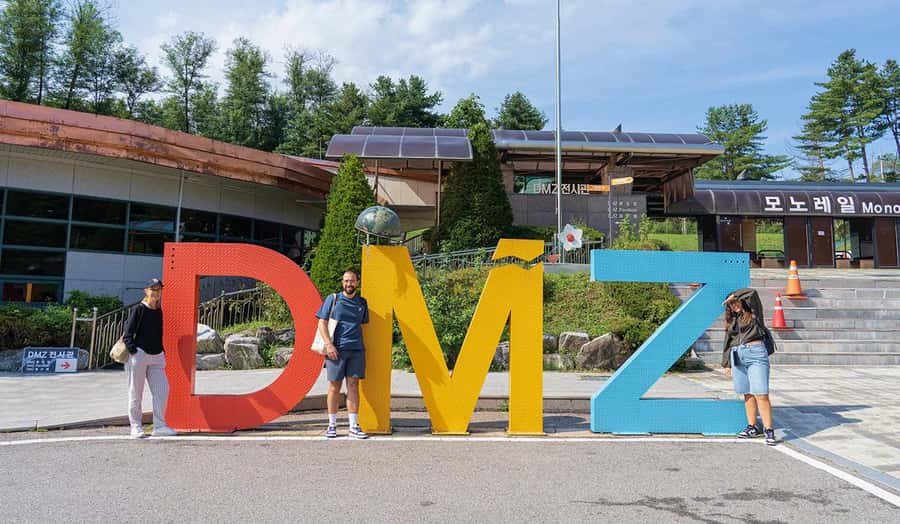
This is a great fit if you want:
- Real context for Korea’s division, not just ticking off stops
- A DMZ day that includes multiple key sites (Imjingak, Third Tunnel, Dora Observatory, and more)
- A change of mood after the DMZ, with time at Hantan Geopark and Jaein Waterfall
- A guide-led experience in English, Chinese, or Korean
It’s also a good choice if you’re okay with long-day energy and an early start. If you’re traveling with a group and you value clear guidance on what matters and where to look, a professional guide is a real advantage.
If you only want light sightseeing and you hate mornings, you may find the DMZ portion demanding. But if you can handle it, the payoff is the way the whole day makes sense as one story.
Should you book Lecirt’s DMZTour from Seoul?
I’d book this if you want a single-day structure that combines two very different sides of Korea: the hard edge of division and the restorative outdoors of Jaein Waterfall at Hantan Geopark. The stops included give you both strong history anchors and a UNESCO nature reset, and the guide-led format matters here because the DMZ is a place where context changes everything.
Don’t book it expecting a relaxed half-day outing. Book it expecting early mornings, tight access rules, and guided stops that require attention. If you show up prepared and you’re open to both reflection and fresh scenery, this one is worth serious consideration.
FAQ
What sites are included on this DMZ and UNESCO Geopark tour?
The tour includes the DMZ area with stops such as Imjingak, the Third Tunnel, Dora Observatory, and Tongilchon, plus Hantan Geopark with time at Jaein Waterfall.
What do I need to enter the DMZ?
You must provide each participant’s passport information, including name, passport number, date of birth, and gender.
Is transportation included?
Yes. The tour includes round trip transportation from and back to the meeting point.
What’s included in the tour price?
The price includes admission to attractions and a professional tour guide, plus the round trip transportation.
What’s not included?
Lunch expenses and other personal expenses are not included.
Where does the tour start and end?
The meeting point may vary depending on the option booked, and the tour ends back at the meeting point.
What languages are available?
The tour is available in English, Chinese, and Korean.
Can I reserve and pay later?
Yes. It offers Reserve & Pay Later, meaning you can book and pay nothing today.
How late can I cancel for a full refund?
You can cancel up to 24 hours in advance for a full refund.