REVIEW · SEOUL
Private DMZ tour(Tunnel / Observation) with hotel pick up
Book on Viator →Operated by Top Korea Tour · Bookable on Viator
A line of tension, then a tunnel. This private DMZ-area day trip gives you a practical look at how the Korean War ended and how the border has shaped daily life ever since, with an English-speaking guide like Juno Lee often noted for keeping the story clear and human. I especially like the hotel pickup convenience and the fact that your tickets for Dora Observatory and the 3rd Tunnel are handled for you.
One big consideration: this tour is not the classic JSA tour, and you do not go inside the DMZ itself. You’ll enter the military zone outside the DMZ to visit the Third Infiltration Tunnel and Dora, so plan your expectations around views and access that are close—but not the same as stepping into the DMZ or seeing the armistice site.
In This Review
- Key Highlights to Know Before You Go
- The Seoul-to-DMZ Day Plan: Why This Route Works
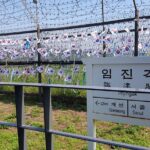
- Stop 1: Imjingak Pyeonghoa-Nuri Park and the Unification Framing
- DMZ Area Transport: How You Get Access Without Entering the DMZ
- The Third Infiltration Tunnel Walk: The Most Intense Hour
- Dora Observatory: Seeing the Division Up Close (From a Distance)
- Imjingak Museum and Meeting a Defector: Human Scale Education
- Price and Logistics: What $210 Really Buys You
- What to Pack (and What to Plan Mentally)
- Best Fit: Who This DMZ Tour Makes Sense For
- DMZ vs JSA: Picking the Right Kind of Border Tour
- Should You Book This DMZ Tunnel and Dora Tour?
- FAQ
- Do I need a passport for this tour?
- Is this tour inside the DMZ itself?
- Is this the same as a JSA tour?
- What stops are included during the DMZ-area portion?
- How long is the tour?
- What time does the tour start?
- What’s included in the price?
- Is lunch included?
- Is it private?
- Is the tour suitable for claustrophobia?
- What is the cancellation window?
Key Highlights to Know Before You Go
- Private tour feel with an expert English guide: smaller group energy, faster pacing, and more questions answered along the way.
- Third Infiltration Tunnel on the schedule: the day’s most physical stop, with a full walk-through experience.
- Dora Observatory for distance viewing: you get the border context using observation, not just photos.
- Imjingak stops before and after DMZ time: it frames the story with unification-focused memorial sites and a museum visit.
- Mobile ticket and bottled water included: fewer details to juggle on the ground.
The Seoul-to-DMZ Day Plan: Why This Route Works
Most DMZ tours feel the same at first glance: bus, border sites, photo stops, and a return to Seoul. What I like about this one is the flow. You start with context at Imjingak Pyeonghoa-Nuri Park, then shift into the border area with the Third Tunnel and Dora Observatory, then finish back near Imjingak for a museum-style education moment.
You should plan for a long day. It runs roughly 7 to 8 hours, starting at 8:00 am, and it includes about an hour each way of driving before you even hit the border sights. The upside of that early start is you’re not rushing at the last second when you’re tired and the light is fading.
This is also a private tour for your group, which matters on a day where timelines and rules can be strict. Even if you’re traveling with kids or older relatives, the smoother logistics can be a big deal—assuming everyone can handle moderate walking and the tunnel portion.
You can also read our reviews of more private tours in Seoul
Stop 1: Imjingak Pyeonghoa-Nuri Park and the Unification Framing
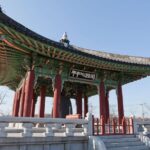
Your day begins with a drive from Seoul (about 1 hour) to Imjingak Pyeonghoa-Nuri Park. This site was built after early dialogue between South and North Korea in 1972, and it’s a place tied to longing for unification. That matters more than you might think.
When you arrive at DMZ-area sites without this kind of framing, it can turn into a checklist. Imjingak gives you emotional and historical grounding first, so later when you look out from Dora or walk through the tunnel, you understand what you’re seeing beyond a “cool photo” mindset.
Admission here is free. So you get a meaningful start without extra ticket costs. If you’re the type who likes to know why a place exists before you stand in front of it, this opening makes the rest of the day feel more coherent.
DMZ Area Transport: How You Get Access Without Entering the DMZ
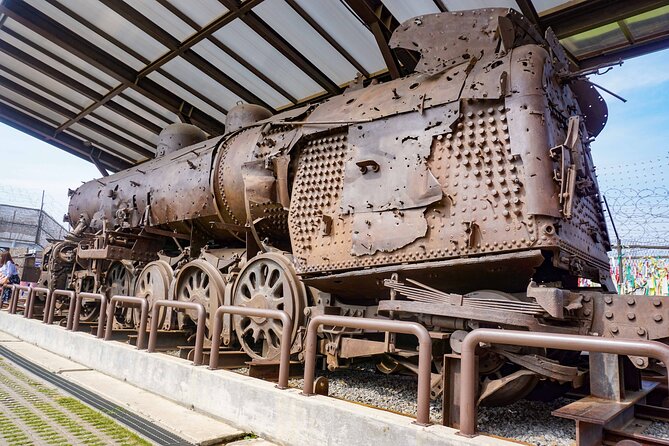
Here’s the key operational point: this tour is a DMZ tour, but it does not enter the DMZ itself. Instead, you travel via a DMZ tour bus to visit sites in the military zone outside the DMZ.
That distinction is practical. The DMZ is described as heavily minded and heavily secured, so your access is intentionally structured around what can be safely visited. On the bus portion, you’re also getting the big picture from the guide—why the armistice stopped the Korean War and why the buffer zone remains in place to prevent fighting.
Your DMZ time includes about an hour, and it’s built around three linked moments:
1) Third Infiltration Tunnel
2) Dora Observatory (distance viewing)
3) A quick supermarket stop in the Unification Village area
That supermarket stop may sound random, but it’s often where practical travel needs show up—snacks, small items, and a chance to prepare for the long ride. It’s a short break, so don’t treat it like a shopping spree, but it can save you later if you didn’t bring much.
Also, remember the note about rules in military zones. Bring your passport. Even if your day already feels long, this is one of those requirements that can’t be solved on the fly.
The Third Infiltration Tunnel Walk: The Most Intense Hour
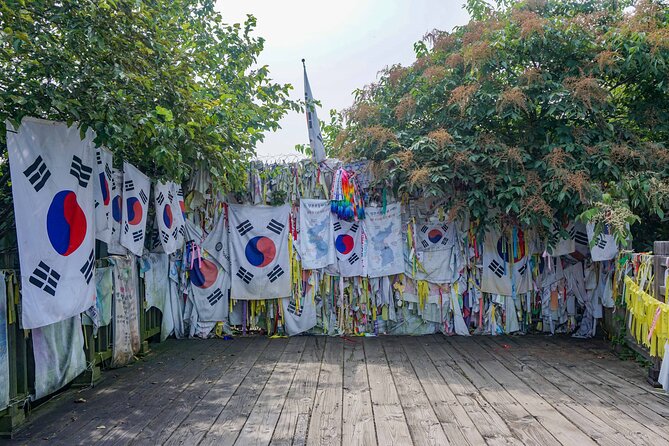
If you want one part of the day to feel physically real, it’s the Third Infiltration Tunnel. This is the tunnel North Korea dug for infiltration purposes, and you walk through it to experience scale, tightness, and the kind of movement it would have required.
Expect this to be the emotional and practical centerpiece of the tour. You’re not just standing outside reading about conflict—you’re going through an engineered underground space. The pace is structured, but it’s still the kind of stop that can feel claustrophobic for some people.
The tour info specifically says it’s not recommended for those who are claustrophobic. It’s also fair to treat this as the “moderate effort” part of the day. If you have mobility limitations, it’s worth thinking hard about whether you can handle uneven surfaces, steady walking, and the tunnel conditions without stress.
Tickets for the tunnel are included, so you won’t get hit with additional costs for this main attraction. And because the tunnel is a repeatable experience across similar tours, having an English-speaking guide who can explain what you’re seeing can make a big difference. In the past, guides such as Juno Lee have been praised for clear English and for answering questions during the visit.
Dora Observatory: Seeing the Division Up Close (From a Distance)
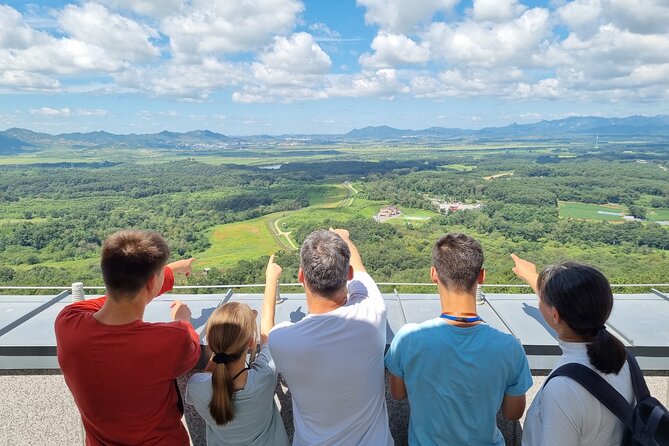
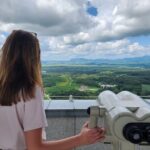
After the tunnel, you head to Dora Observatory. This stop is all about distance viewing—standing where you can look toward the border area and understand the division in spatial terms.
The observatory is also described as a way to witness progress in cooperation between South and North Korea. That means the framing isn’t only war and tension. You’re pushed to interpret what the border means now, not just what happened then.
Dora is usually faster than the tunnel, but it can be the most memorable in a different way. Tunnels tell you about method and effort. Observatories tell you about distance, visibility, and the reality that separation is physical and ongoing.
Tickets are included here too, which is good value. There’s also a quick photo-friendly moment built in—just keep expectations realistic. You’re observing from a controlled location, not roaming around for a “best angle” like you might at a viewpoint in a city.


Imjingak Museum and Meeting a Defector: Human Scale Education
Once DMZ-area stops wrap up, you return toward Seoul with time built back at Imjingak Pyeonghoa-Nuri Park. After that DMZ-focused stretch, the tour includes a museum about North Korea and a chance to meet a defector for an interview.
This is the part that turns the day from geopolitical into personal. Even with a guide interpreting everything, hearing directly from someone who experienced life under North Korea adds weight. It’s not just facts anymore—it’s a story you can connect to the border sites you just visited.
The schedule here is about 40 minutes. That time may feel short if you’re the kind who has lots of questions, but it keeps the day moving so you still get back to Seoul without burning everyone out.
Admission is included. So again, you’re not paying extra for the museum portion after already spending a big chunk of the day on transportation and regulated sites.
Price and Logistics: What $210 Really Buys You
At $210 per person, this tour isn’t cheap. But it’s also not just a “bus ride to some spots.”
Here’s what’s included that helps justify the price:
- Private tour for your group
- Hotel pickup (a real time-saver in Seoul traffic)
- Air-conditioned vehicle
- English tour guide
- DMZ-related tickets for Dora Observatory and the 3rd Tunnel
- Bottled water
- Mobile ticket
Lunch is not included, so you’ll need to plan for food on your own. That’s an easy fix: either eat earlier before pickup, bring a snack you can manage during the tunnel portion, or plan a meal back near Seoul. The important thing is not to assume lunch is covered.
How to think about value: you’re paying for access, scheduling, and smooth handling of the sites that have rules. A DIY plan to these places isn’t just inconvenient—it’s often not realistic the way tours organize entry and timing. If your goal is a well-run day with minimal hassle, this price can start to make sense.
Timing-wise, the experience is booked on average 36 days in advance, which hints that it fills up. If your travel dates are set, don’t wait for the last minute.
What to Pack (and What to Plan Mentally)
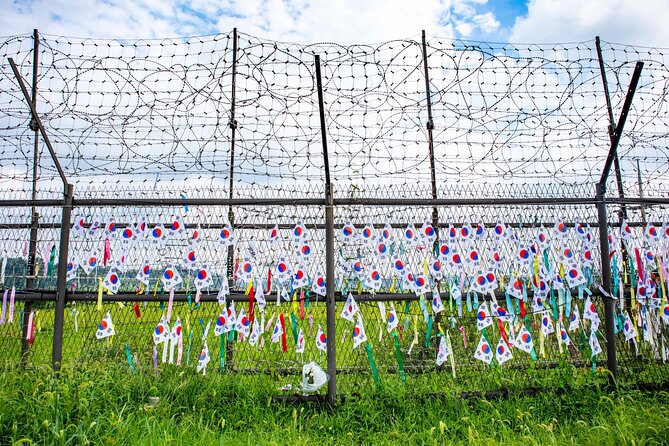
This isn’t a normal sightseeing day. It’s a controlled-access border experience, with one stop that can feel tight and enclosed.
Pack for comfort and rules:
- Bring your passport (military zone requirement)
- Plan for moderate physical fitness
- Expect a tunnel walk (not recommended for claustrophobia)
- Bring layers if the weather is changeable, since you’ll be outside around checkpoints and stops
On the food side, remember no lunch is included. If you’re traveling with kids or older relatives, plan a snack strategy so you’re not dealing with hunger at the wrong moment.
Also, keep your photo expectations grounded. You’ll have observation and photo opportunities, but you won’t have complete freedom of movement like a city viewpoint. The value here is understanding what you’re looking at—so don’t let photo hunting steal your attention from the guide’s explanations.
Best Fit: Who This DMZ Tour Makes Sense For
This tour works best if you want a structured, guided DMZ-area day without trying to sort out the details yourself.
It’s a good match if you:
- Want hotel pickup and a smooth schedule in Seoul
- Care about understanding the division after the Korean War in a coherent sequence
- Prefer an English-speaking guide who can explain what you’re seeing at each stop
- Are okay with a long day and the tunnel portion
It may be a rough fit if you:
- Feel strongly uncomfortable in tight spaces (tunnel stop is a key factor)
- Have difficulty walking or need extra time and pacing beyond a typical tour day
- Are specifically searching for JSA, since this isn’t that site
DMZ vs JSA: Picking the Right Kind of Border Tour
A lot of confusion happens here, and it’s worth ironing out before you book.
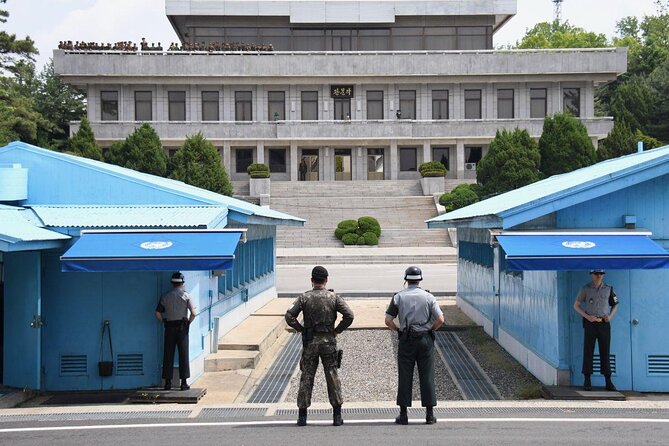
This tour is designed for DMZ-area access that focuses on Third Infiltration Tunnel and Dora Observatory. The tour explanation is clear that it is not the JSA tour. JSA is where the armistice was signed, and it’s also referenced as a site that drew major political attention in 2019 when the U.S. president visited.
So ask yourself one question: do you want the tunnel-and-observatory version of the story, or do you specifically want the armistice-site version? If it’s JSA you’re chasing, choose the JSA-focused option instead. If your priority is learning how infiltration attempts and the border’s visibility work day-to-day, this route is a strong match.
Should You Book This DMZ Tunnel and Dora Tour?
Book it if you want a high-structure, guided, private-feel DMZ-area day with hotel pickup and built-in tickets. The Third Infiltration Tunnel and Dora Observatory are the core experiences, and having them organized with expert interpretation is a lot of value for the price—even with no lunch included.
Skip or reconsider if you can’t handle tunnel conditions, have mobility limits that make an hour-plus of controlled walking uncomfortable, or you’re specifically expecting JSA access. Also, if passport rules feel like a hassle, don’t plan on improvising. Bring the passport and make the day simpler.
If you want a border day that balances logistics with meaning—and you’re okay with learning through observation plus one intense tunnel walk—this is the kind of tour that can become the most serious memory of your Korea trip.
FAQ
Do I need a passport for this tour?
Yes. The tour specifically notes you should bring your passport because you will enter a military zone.
Is this tour inside the DMZ itself?
No. This experience goes into the military zone outside the DMZ. It does not go inside the DMZ.
Is this the same as a JSA tour?
No. This is a DMZ tour focused on the Third Infiltration Tunnel and Dora Observatory. For the armistice area at JSA, you would need a JSA-specific tour.
What stops are included during the DMZ-area portion?
You’ll visit the Third Infiltration Tunnel, Dora Observatory, and there is also a quick stop at a supermarket in the Unification Village area.
How long is the tour?
It runs about 7 to 8 hours.
What time does the tour start?
The start time is 8:00 am.
What’s included in the price?
Included: air-conditioned vehicle, English tour guide information, tickets for Dora Observatory and the 3rd Tunnel, and bottled water.
Is lunch included?
No. Lunch is not included.
Is it private?
Yes. It’s listed as a private tour/activity, and only your group participates.
Is the tour suitable for claustrophobia?
No. It’s specifically noted as not recommended for people who are claustrophobic.
What is the cancellation window?
You can cancel for a full refund up to 24 hours before the experience starts.