REVIEW · SEOUL
Gwanghwamun Tour l 120 minutes to Understand Local Korean Society
Book on Viator →Operated by SeoulDude's Walking tours · Bookable on Viator
Gwanghwamun tells Korea’s story fast. In 120 minutes, June turns a simple walk into a clear lesson in how history shapes everyday life, from Korean age hierarchy to today’s coffee and spa culture. I love the way he connects big political questions to the streets you’re standing on, and I love how structured the tour feels even when you’re moving block to block; one drawback is that the route is easy overall but includes a few uphill stretches.
You’ll start at Gwanghwamun Square near Sejong-daero and end at the Blue House area, so you get a strong sense of Seoul’s “center of gravity.” The group stays small (up to 20), and the ticket is mobile, which makes the day feel low-fuss. June’s style also matters: several participants describe it like a well-organized talk, with humor and space for questions.
If you want a no-rush overview that still feels specific, this is a great match. If you’re only looking for “pretty photos” with no history or politics, you might prefer a lighter sightseeing route.
In This Review
- Key Things You’ll Get
- Two Hours Through Seoul’s Center of Power
- Price That Works for Short-Time Seoul Plans
- Meeting at Gwanghwamun and Ending Near the Blue House
- Stop 1: Gwanghwamun Square and the Joseon Thread
- Stop 2: U.S. Embassy Area and Korea’s Ongoing Questions
- Stop 3: Samcheongdong-gil for Modern Life, Working Culture, and Side Effects
- Stop 4: Bukchon Hanok Village and the Development vs Preservation Tension
- Stop 5: University of North Korean Studies and How a Society Thinks
- What June Teaches That You Can Actually Use
- How the Walking Tour Format Helps You Learn
- Best Time to Fit This Into Your Seoul Day
- Who Should Book This Tour
- Should You Book the Gwanghwamun Tour With June?
- FAQ
- How long is the Gwanghwamun Tour?
- What does it cost?
- Where do I meet, and where does the tour end?
- Is this tour mostly walking?
- Are any admission tickets required for the stops?
- Who guides the tour?
- What stops are included in the 2-hour route?
- Is there a limit on group size?
- Can I cancel and get a refund?
Key Things You’ll Get
- A tight 2-hour route connecting Joseon-era Confucian ideas to modern Korean life
- June’s clear, story-first teaching style, often described as structured and funny
- Stop-and-explain history at Gwanghwamun Square, Bukchon Hanok, and the University of North Korean Studies
- Real-world politics in plain language, including how Koreans talk about North Korea, Japan, and America
- A small group experience capped at 20 people, with easy walking overall
Two Hours Through Seoul’s Center of Power
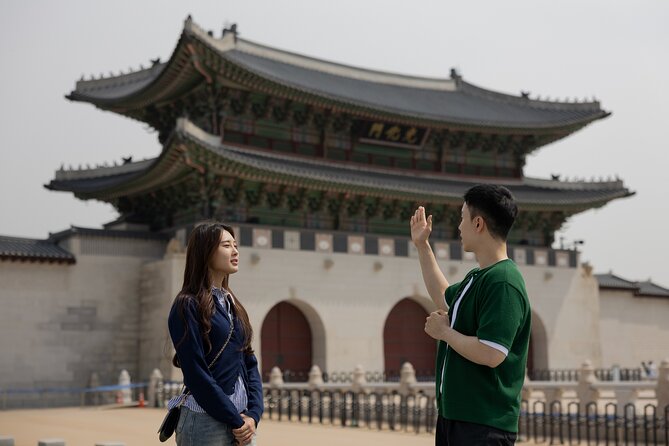
This tour is built for people who feel Seoul is too big, too fast, and too layered. Instead of doing one museum, you do a sequence of places where Korean history and modern identity collide. You cover the city center over about 2 hours, which is long enough to learn the “why,” but short enough to keep your attention (and your legs) happy.
The value here is not that you’re visiting famous landmarks. It’s that June uses each stop as a chapter. You’ll get explanations that link old priorities to current behaviors: why social rank still matters, how different historical eras shaped what Koreans value, and why certain relationships still shape daily conversation.
The pace is an easy walk with a few uphill portions. That’s the one practical thing to plan for. If you’re carrying heavy bags or you’re nursing knee trouble, bring comfortable shoes and take the uphill sections slowly.
You can also read our reviews of more tours and experiences in Seoul.

Price That Works for Short-Time Seoul Plans
At $14.10 per person for about 2 hours, this isn’t priced like a “premium private guide.” It’s positioned like a smart group walking tour: you pay for interpretation, not for expensive entry fees.
And that’s important. The sites on the route are free to access (there’s no admission ticket cost listed for the stops). You’re paying mainly for June’s time and teaching, plus the structure that helps you connect dots instead of just collecting viewpoints.
Booking about 18 days in advance is typical. That suggests it’s a popular option when people want a history-and-culture focus without losing a whole day.
Meeting at Gwanghwamun and Ending Near the Blue House
You meet at 10:30 am at 172 Sejong-daero, Jongno District near Gwanghwamun Square. The walk ends in front of the Blue House (Cheong Wa Dae), at 1 Cheongwadae-ro, Jongno District.
That start-to-finish path is a big part of the experience. You begin in a symbolic city center—Joseon-era relevance is literally part of the story. You end near the president’s office, which is where modern political power feels most real on the map.
If you like tours that give you a sense of orientation fast, this route helps. Even if you don’t plan to see everything in that area later, you’ll understand how the neighborhoods connect and why Koreans think about authority and history in the way they do.
Stop 1: Gwanghwamun Square and the Joseon Thread
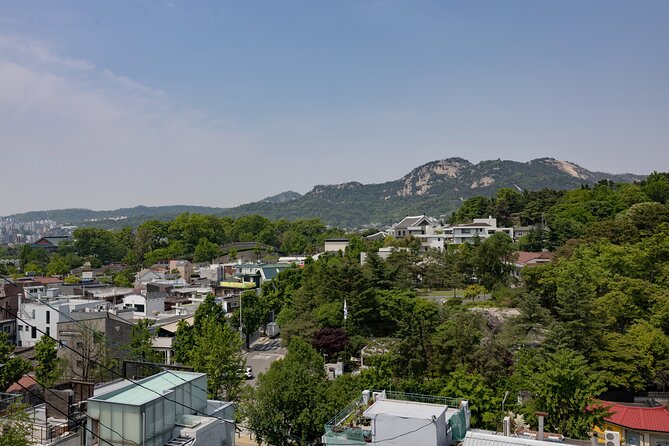
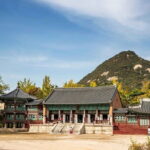
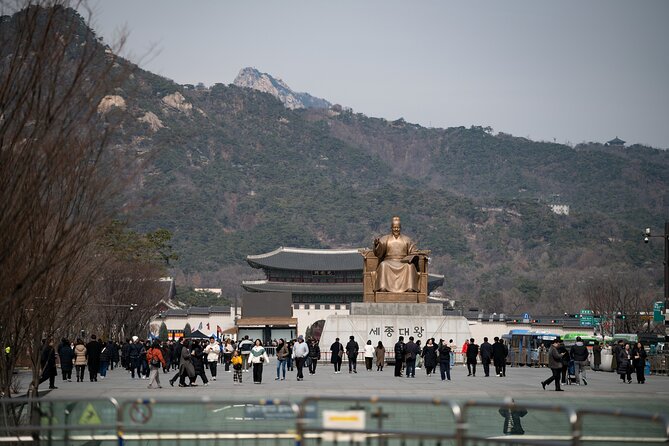
The tour starts at Gwanghwamun Square, described as Seoul’s main place tied to Korea for over 600 years. This is a strong “context stop” because it sets the tone: you’re not just walking past buildings—you’re learning how the Joseon kingdom’s priorities shaped the social world Koreans inherited.
Here, June’s approach focuses on turning history into perspective. You’ll hear how Joseon ideals link to the way people think and behave today. The goal is not to memorize dates. It’s to understand why certain ideas (especially around order and hierarchy) still show up in everyday life.
This stop is also simple logistically: the time allocation is short (about 15 minutes), and there’s no admission ticket required. It’s a good opener if you’re arriving from jet lag or you’re nervous about starting a walking tour early.
Stop 2: U.S. Embassy Area and Korea’s Ongoing Questions
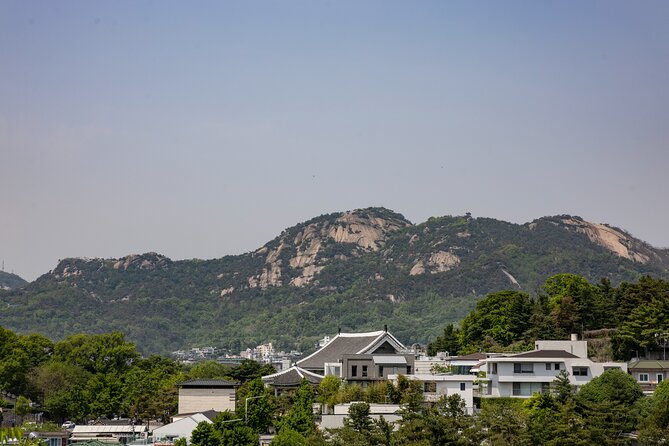
Next is the U.S. Embassy & Consulate in the Republic of Korea area. This stop is short (about 15 minutes), but it aims at something bigger: how U.S. influence shaped Korea from establishment to the present.
What you’re actually learning is how Koreans think about the U.S.—and why that matters for modern society. Political relationships can sound abstract until you hear how people interpret them and how they affect real attitudes.
This is the kind of stop that helps you move past stereotypes. You’ll get a chance to frame the topic as history plus present-day thinking, rather than as a headline argument.
If you prefer tours that avoid politics entirely, this one may feel too direct at times. But if you want a realistic view of Korean society, this is one of the most useful stops.


Stop 3: Samcheongdong-gil for Modern Life, Working Culture, and Side Effects
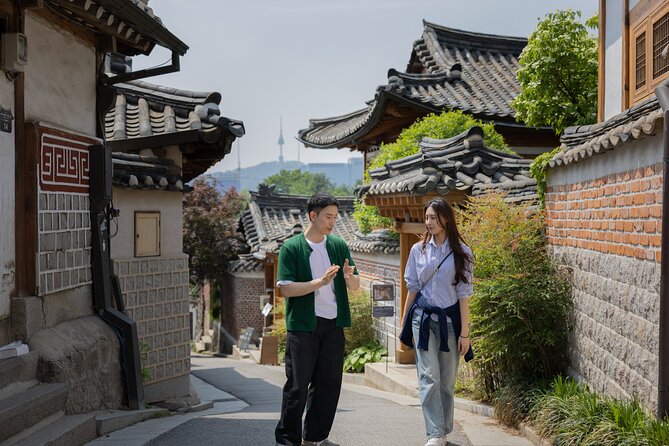
Then you head to Samcheongdong-gil Road, known as a retro-style street of shops and restaurants. The “retro” part is the easy sell. The educational part is the deeper layer: June explains modern development and the side effects that came with it.
This is where the tour starts feeling more like a “how people live now” walk. You’ll talk about working culture and what it means in daily life—something you can’t learn by reading alone.
One thing I like about this stop’s placement is that it comes after the political context. You’ve already heard about big influences. Now you see how modern life expresses that influence in neighborhoods, work patterns, and social rhythm.
It’s also a good break from pure landmark viewing. You’ll have time to absorb the street energy without feeling like you’re stuck inside a museum.
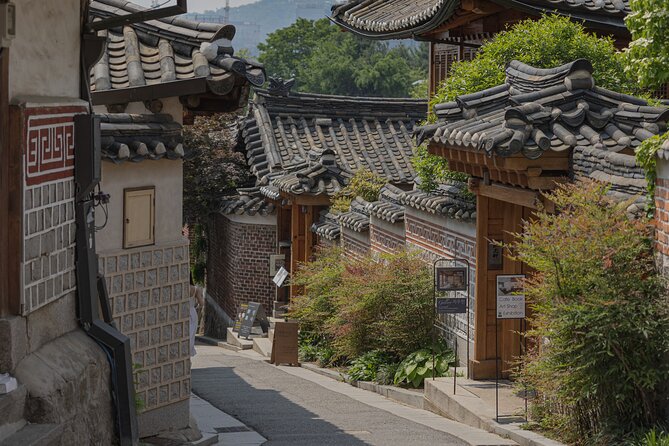
Stop 4: Bukchon Hanok Village and the Development vs Preservation Tension
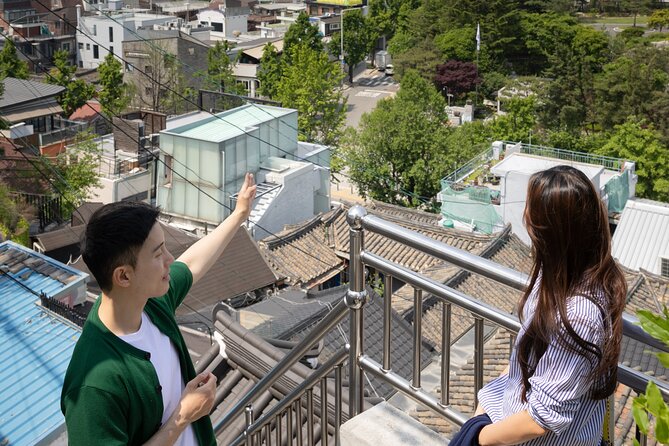
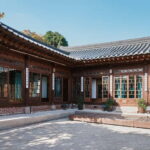
At Bukchon Hanok Village, you’ll spend about 25 minutes. This stop is about traditional houses and the stories around them, but the key focus is the tension between development and preservation.
That’s a crucial idea in modern Seoul. Korea is constantly rebuilding, and traditions have to find their place inside a fast-changing city. June uses Bukchon to show how that pressure plays out—what gets protected, what gets altered, and why people argue about it.
You also get a change in mood. The walk shifts from street activity into a slower, more reflective atmosphere. Even if you don’t go deep into interior details, the setting helps the explanations land better.
Practical note: this area involves walking on uneven terrain in places and you’ll keep moving. Wear shoes you trust, and don’t rush the uphill moments.
Stop 5: University of North Korean Studies and How a Society Thinks
The final major stop is the University of North Korean Studies, and the tour makes a point of it being specialized only for North Korea. You’ll spend about 20 minutes here.
This isn’t just a place name. June uses it to explain relationship dynamics against North Korea and the way Koreans think about it. The discussion expands beyond one country; it’s also about how Koreans form opinions about North Korea, Japan, and America.
In other words, you’re learning how perspective is built. That’s what makes this stop powerful for visitors who want more than a superficial “inter-Korean” headline.
If you’re sensitive to political topics, you might find this section heavier than the street stops. But it’s also one of the most informative parts, especially if you’ve felt confused about why this region matters so much in Korean daily life.
What June Teaches That You Can Actually Use
The most praised aspect of the tour is not the list of locations. It’s the way June connects them into a single story about modern Korean society.
A few themes show up again and again in the experience:
- Historical context tied to daily culture: Confucian influence from Joseon era ideas and how post–Korean War capitalism shaped modern life.
- Korean values through lived examples: You’ll hear about age hierarchy and how that affects everyday interactions.
- Small, modern culture signals: Coffee culture and spa culture come up as examples of how contemporary life expresses values and social habits.
- Politics in plain language: Instead of debating loudly, the tour aims to explain how Koreans form and weigh opinions about major countries.
That last point is why this tour feels useful. It gives you a framework to interpret what you’ll see later—news clips, conversations, even how people talk about business, family, and respect.
How the Walking Tour Format Helps You Learn
A good walking tour does two things at once: it moves you through space and it teaches you how to look at space.
This one stays easy to follow. Stops are grouped logically, timing is reasonable, and you’re not forced to do long detours. The tour stays around 2 hours, which helps you keep focus and reduces the chance you’ll tune out.
The small group limit (maximum 20) also matters. It’s large enough that you don’t feel awkward if you’re solo, but small enough that questions don’t get lost. That question-friendly feel is a big part of why participants describe the experience as clear and engaging.
Also: mobile tickets keep things simple on the day. You spend less time scanning paperwork and more time paying attention.
Best Time to Fit This Into Your Seoul Day
This tour starts at 10:30 am. That’s ideal for travelers who want a history-and-context foundation early, then use the rest of the day for neighborhoods, food, and slower sightseeing.
If you’re planning to explore Bukchon or the Jongno area later, this tour gives you a better lens. If you’re mostly doing modern districts that day, it still helps because it explains the social logic behind what you’ll encounter.
If weather is iffy, keep an eye on forecasts. The experience needs good weather, and if it’s canceled due to poor conditions, you should expect another date or a refund offer.
Who Should Book This Tour
This is a strong fit if you:
- like history that connects directly to everyday behavior
- want a short, structured Seoul walk instead of an all-day plan
- are curious about how Koreans think about North Korea, Japan, and America
- enjoy explanations that feel more like a guided lecture than a rushed slideshow
It may be less ideal if you:
- want only scenic photos and minimal politics
- hate walking on hills, even short ones
- prefer long museum time over street-level context
Should You Book the Gwanghwamun Tour With June?
Yes, if your goal is understanding Korean society in a fast, focused way. The combination of Gwanghwamun Square, Bukchon, and the University of North Korean Studies is unusual for a 2-hour walking format, and June’s teaching style is a big reason the tour feels worth the price.
Book it when you want context more than trivia. If you’re short on time, this is one of those tours that helps you stop feeling lost and start noticing patterns. Do wear comfortable shoes for the uphill sections, and plan to arrive ready to listen, not just look.
If you want, tell me your travel dates and what you’re most curious about (history, food culture, politics, or daily life), and I can suggest what to do before and after this 10:30 tour for a smoother day.
FAQ
How long is the Gwanghwamun Tour?
The tour lasts about 2 hours (120 minutes).
What does it cost?
The price is $14.10 per person.
Where do I meet, and where does the tour end?
You start at 172 Sejong-daero, Jongno District, Seoul. You end in front of the Blue House (Cheong Wa Dae) at 1 Cheongwadae-ro, Jongno District.
Is this tour mostly walking?
It is an easy walk overall, with a few courses that include uphill stretches. Comfortable walking shoes help.
Are any admission tickets required for the stops?
The listed stops include free admission ticket information, including Gwanghwamun Square and the other locations on the route.
Who guides the tour?
The guide is June.
What stops are included in the 2-hour route?
The tour includes Gwanghwamun Square, the U.S. Embassy & Consulate area, Samcheongdong-gil Road, Bukchon Hanok Village, and the University of North Korean Studies.
Is there a limit on group size?
Yes. The tour has a maximum of 20 travelers.
Can I cancel and get a refund?
Yes. You can cancel up to 24 hours in advance for a full refund. If it’s canceled due to poor weather, you’ll be offered a different date or a full refund.