REVIEW · SEOUL
Seoul: Traditional Korean Dessert Workshop with Korean Tea
Book on GetYourGuide →Operated by K-Vibe Studio · Bookable on GetYourGuide
Dasik is food you can wear. In a 90-minute Seoul workshop at K-Vibe Studio, you make these patterned tea desserts and pair them with Korean tea in a calm, traditional setting.
I like this experience for hands-on Dasik crafting and for the tea tasting that gives you context while you work. One thing to consider: the session is short, so it’s best if you’re happy with a focused class rather than a long, slow cooking day.
In This Review
- Key Things to Know Before You Go
- Why Dasik Feels Different: Patterned Tea Desserts with Meaning
- Inside K-Vibe Studio: A Focused 90 Minutes in Seoul
- Tea Tasting First: Korean Tea Culture Without the Pressure
- Making Dasik: Traditional Ingredients and Modern Flavors in One Class
- What you’re actually doing
- The sweet-making pace
- What You Take Home: Premium Box Sweets That Actually Gift Well
- Price Check: Is $58 Good Value for Seoul?
- Who This Workshop Suits Best (and Who Might Skip It)
- Should You Book This Seoul Dasik Workshop?
- FAQ
- What is Dasik?
- How long is the workshop in Seoul?
- How much does it cost?
- What is included in the class?
- Where do I meet for the activity?
- Is the instructor English-speaking?
- Is it wheelchair accessible, and is it suitable for young children?
Key Things to Know Before You Go
- Dasik dates back to the Joseon Dynasty, so you’re not just making a snack—you’re making a piece of food culture.
- You’ll create patterned sweets with meaning, not random shapes.
- Traditional + modern flavors are both part of the class, including omija, injeolmi, chocolate, and pistachio.
- Korean tea is part of the experience, served in a calm space while you learn.
- You take it home in a premium box, which makes it easy to gift (or guard from yourself).
- English instruction is standard, with AI translation support available for other languages.
Why Dasik Feels Different: Patterned Tea Desserts with Meaning
If you’ve had Korean desserts before, you probably know they’re often beautiful. Dasik takes that idea and turns it into a whole food concept. It’s a traditional Korean tea dessert made from natural grains and nuts, enjoyed since the Joseon Dynasty—and the fun here is that the “plate” part is almost secondary. The real point is what you shape, how you shape it, and what the patterns are supposed to represent.
Dasik is sometimes called a dessert for the eyes. That’s not marketing fluff—it’s built into the format. Each piece features a pattern, and those designs carry special meaning. In class, you don’t just copy shapes. You learn about the history and the meaning behind the sweets you’re making, which makes the final result more personal and more memorable. Even if you’re not the type who cares about food symbolism, you’ll likely start noticing patterns the moment you start pressing your own pieces.
Another reason I like Dasik as a workshop subject: it’s tactile but not fussy. You get to work with ingredients made for tea time—natural grains and nuts like soybean and almond are part of the concept—then you add flavors that match modern taste. That mix is one of the most practical ways to understand Korean sweets: you experience the tradition, then see how it adapts today.
You can also read our reviews of more tours and experiences in Seoul.


Inside K-Vibe Studio: A Focused 90 Minutes in Seoul
This workshop runs for about 90 minutes, which is perfect if you’re planning your day around Seoul’s many neighborhoods and you still want something hands-on. It’s also long enough to feel like a real activity, not just a quick demonstration.
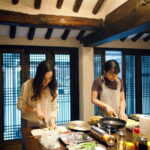
You meet at 1 Floor, K-Vibe Studio. The class is designed to keep you moving through the steps—tea first, then instructions and hands-on work, then finishing with tasting and packaging. If you’re someone who likes “one solid plan” rather than juggling five stops, this fits nicely. It’s a good indoor option on cold days too, since the whole thing happens in a dedicated studio space.
One more practical detail: the instructor teaches in English. There’s also AI-powered translation support available for other languages. That matters because the key value here isn’t just technique—it’s understanding what you’re making and why the patterns and ingredients matter.
If you’re traveling with mobility needs, this activity is wheelchair accessible, so you’re not taking on extra stress just to participate. And if you’re traveling with young kids, note that it’s not suitable for children under 6. That’s mainly about how hands-on the class is and the attention it needs to run smoothly.
Tea Tasting First: Korean Tea Culture Without the Pressure
A big part of why this class works is that the tea isn’t an afterthought. You enjoy an experience of Korean tea culture alongside your dessert-making, and the setting is described as calm and beautiful. That combination does something subtle: it slows you down at the exact moment you might otherwise rush.
In practice, tea time also helps you understand the design of Korean tea desserts. These sweets aren’t built to fight the tea; they’re meant to complement it. Since Dasik is made from natural grains and nuts, it tends to pair well with the kind of tea flavors you’d expect in Korean tea culture. You’ll get a tasting experience while you learn what you’re shaping, which makes the whole workshop feel like one continuous flow instead of two separate activities.
From the way the session is run, it’s also clear the hosts aim to keep things friendly and comfortable. People talk about the vibe being convivial, not stiff. And on cold days, the hosts can be especially thoughtful—some groups have reported receiving hand warm packs before heading out. That kind of care turns an indoor workshop from just convenient into genuinely pleasant.
The tea component is also a smart choice for budget and time. You’re not paying for dessert-making alone. You’re paying for instruction plus an actual tea tasting experience, which changes how much you get out of the 90 minutes.
Making Dasik: Traditional Ingredients and Modern Flavors in One Class
This is where you earn the fun part of the price.
You’ll make Dasik using a combination of traditional and modern inputs. The traditional side includes flavors such as omija and injeolmi, and the overall concept uses natural grains and nuts (think soybean and almond as part of the base idea). On the modern side, you also work with flavors like chocolate and pistachio.
That blend is useful because it keeps the class from becoming either purely historical or purely trendy. If you’re learning culture, the traditional ingredients and Joseon Dynasty link give the workshop meaning. If you’re worried about taste, the modern flavors make it more approachable for people who don’t want to jump straight into unfamiliar profiles.
What you’re actually doing
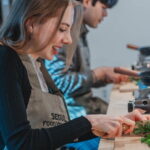
The workshop is hands-on, and it centers on creating the tea dessert pieces with their patterned designs. The instructor explains the history and meaning behind the sweets you create, which helps you avoid the “press-and-forget” feeling some workshops have. You’re learning what the patterns represent while you work.
You’ll end up with several handmade pieces that look like they belong on a tea table, not in a snack bag. That’s also why people call Dasik a dessert for the eyes. Even if you don’t post photos, you’ll understand the phrase as soon as your pieces come out looking patterned and intentional.
You can also read our reviews of more tours and experiences in Seoul


The sweet-making pace
Because the workshop is 90 minutes, you shouldn’t expect a slow, multi-day artisan process. The class is built for real participation within limited time. That’s a strength if you want results today, not a long project that takes half your weekend. If you’re the type who wants to master every variable, you might wish there was more practice. But for most visitors, the balance lands well: learn, make, taste, and go.
What You Take Home: Premium Box Sweets That Actually Gift Well
One of the most practical features here is that you take your handmade sweets home in a premium box. That’s not just a cute touch. A good take-home format solves a real travel problem: how to pack edible souvenirs without turning them into crumbs.
Because the box is included, you’re set up to bring your Dasik back for yourself or gift it to someone. And since Dasik is already designed to look good, it’s the kind of edible souvenir people don’t immediately treat like a generic snack.
The class also supports sharing. You’ll have multiple pieces, and tea desserts are naturally social—made for serving with conversation. If you’re traveling solo, it’s still a win because you’ll have something special to enjoy later. If you’re traveling with friends, it’s an easy “everyone made something” memory that doesn’t require a group photo stunt.
One more note: the workshop has a calm, almost meditative feel for many people. That shows up in the way the session is described—organized, friendly, and not chaotic. When a food class feels mentally steady, you remember it longer than the ones that feel like standing in line.
Price Check: Is $58 Good Value for Seoul?
At $58 per person for 90 minutes, the value depends on what you want from the experience.
If you’re paying mainly for an edible souvenir, you could probably find cheaper alternatives across Seoul. But this class isn’t priced like a grab-and-go snack. You’re paying for:
- Instruction in English (and cultural context, not just technique)
- Hands-on Dasik making
- Korean tea tasting
- Premium packaging so what you make is ready to gift
For many visitors, that combination is what makes the price feel fair. You’re buying an experience that includes learning, making, tasting, and leaving with a gift-ready box. And because the class is short, it doesn’t eat a full day of your schedule.
Also consider quality-of-experience factors: the session is described as professional and well organized, and hosts are reported to be welcoming and helpful. Extra tea and extra dessert have even been part of some groups’ experiences, which is exactly the kind of “small” hospitality that improves value without changing the core price.
So here’s my practical take: if you want a hands-on Korean cultural activity that produces something beautiful and takes minimal time, $58 doesn’t feel out of line. If you only want to taste sweets and aren’t interested in making anything, then you could probably spend less elsewhere.
Who This Workshop Suits Best (and Who Might Skip It)
This workshop fits best if you like food that has a story behind it, and you enjoy crafts where your hands do the work. You’ll probably enjoy it if you:
- want something quieter and more focused than a typical sightseeing day
- like tea and tea-friendly desserts
- enjoy pattern-based crafts and visual results
- want an easy gift that’s not another magnet
It may be less ideal if you:
- need a long cooking session (this is 90 minutes)
- have very young children (it’s not suitable under age 6)
- only care about tasting without participating
The upside is that it’s structured for visitors from different backgrounds. The workshop language is English, and people describe meeting others from around the world. If you like sharing a table and comparing what you made, that social aspect can add value.
And if it’s raining or freezing, this is one of those indoor plans that still feels like Seoul, just from a different angle.
Should You Book This Seoul Dasik Workshop?
Yes—if you want a short, hands-on Korean experience that ends with something beautiful in your bag. I’d book it if tea culture, Dasik patterns, and learning the meaning behind what you make appeal to you. The premium box and the fact that the class includes both making and tea tasting make it feel like more than a simple snack stop.
Skip it if you’re only looking to eat and you don’t care about crafting or cultural context. Also skip if you expect a multi-hour artisan deep practice. This is designed for focus and results in a compact time window.
If your travel style is “one great activity, done well,” this is a strong pick.
FAQ
What is Dasik?
Dasik is a traditional Korean tea dessert made from natural grains and nuts. It’s associated with the Joseon Dynasty and is known for patterned pieces with special meanings.
How long is the workshop in Seoul?
The workshop lasts 90 minutes.
How much does it cost?
The price is $58 per person.
What is included in the class?
You’ll have a hands-on session to make Dasik, an experience with Korean tea culture (including tea tasting), and you’ll receive a premium box to take your handmade sweets home.
Where do I meet for the activity?
The meeting point is 1 Floor, K-Vibe Studio.
Is the instructor English-speaking?
Yes. The instructor teaches in English, and AI-powered translation support is available for other languages.
Is it wheelchair accessible, and is it suitable for young children?
Yes, the activity is wheelchair accessible. It is not suitable for children under 6 years old.