REVIEW · SEOUL
Nami Island and Begonia Bird Park Tour from Seoul (opt Railbike)
Book on Viator →Operated by TOURSTORY · Bookable on Viator
Pedal out of Seoul and into flower-and-bird country. This day trip strings together Gapyeong Begonia Bird Park, Nami Island, and an optional railbike ride so you get real countryside air without the hassle of arranging everything yourself. It runs about 12 to 13 hours, with round-trip transport and tickets bundled into one plan.
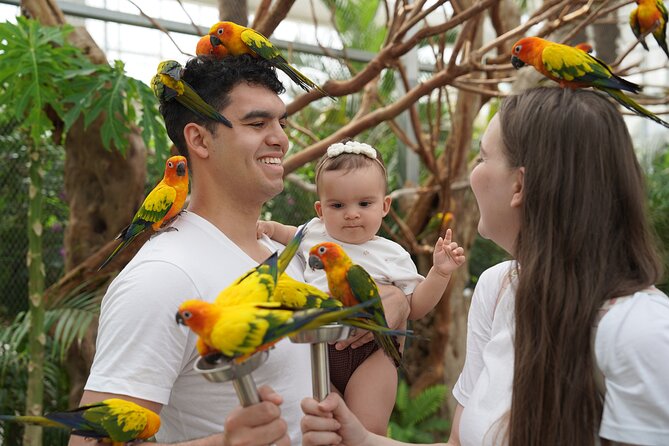
I especially like the hands-on animal moments at Begonia Bird Park, including feeding parrots and getting up close with alpacas. I also enjoy Nami Island’s slow pace: you can walk the famous tree-lined paths or rent a bike and roam at your own speed, plus you’re in the area used for Winter Sonata filming.
The main drawback is simple: it’s a full day, and you only get a limited window on Nami Island, so if you want a long, unhurried loop, you may feel time-pressured.
In This Review
- Key highlights worth knowing
- Leaving Seoul for Gapyeong: The appeal of a big nature day
- Gangchon Rail Park railbike: pedal over an old railway track
- Shared 4-seater vs private cart (and what it costs)
- Time reality
- Gapyeong Begonia Bird Park: flowers, parrots, and alpacas
- What to do during your Begonia Bird Park time
- The one thing to watch
- Nami Island: tree-lined paths, strolling freedom, and Winter Sonata vibes
- Walk or bike: choose based on your energy
- Don’t overplan your route
- The main time complaint to keep in mind
- The day’s pace: 12 to 13 hours, traffic, and a useful guide
- A guide you can count on
- Value check: what you pay for (and what you still need to handle)
- Why this price can be a good deal
- The one budget item people forget: lunch
- Meals, packing, and weather: small prep pays off
- Rain is the wildcard
- Who should book this tour, and who should skip it
- Should you book this Nami Island and Begonia Bird Park day trip?
- FAQ
- FAQ
- How long is the tour?
- What are the included stops and how long do you spend at each?
- Is the railbike ride included, and can I choose a private cart?
- Are meals included?
- How many people are in the tour group?
- What is the cancellation policy?
Key highlights worth knowing
- Optional railbike start on a converted track, with countryside views along the way
- Begonia Bird Park visits include entrance time plus animal encounters
- Parrot feeding and alpaca time make the flower gardens more than just photos
- Nami Island free time lets you choose walking or biking instead of a forced itinerary
- Guides help with timing and decisions, and at least one guide named John stood out for being flexible
Leaving Seoul for Gapyeong: The appeal of a big nature day

This tour is built for people who want a meaningful break from the city but don’t want to spend hours figuring out buses, transfers, and ticket timing. You’re heading to Gapyeong first, then Nami Island, with a railbike option that adds a fun, physical start.
What I like about the format is that it balances guided organization with personal freedom. You’ll have set stop times, but at Nami Island you can actually slow down and decide what you want to do on the ground—walk, take photos, or cycle your way around.
You can also read our reviews of more tours and experiences in Seoul.

Gangchon Rail Park railbike: pedal over an old railway track
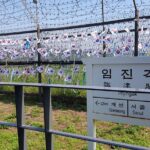
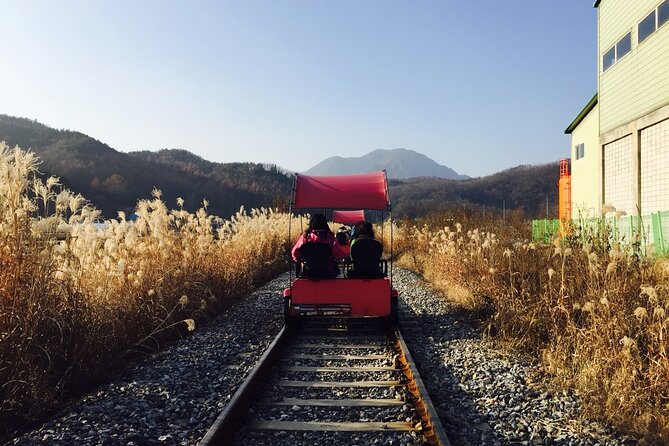
The day can begin with an optional ride on the Gangchon railbike course at Gangchon Rail Park. It’s a converted old railway track, so the setting feels like quiet countryside travel rather than a theme-park ride.
You pedal along sections with views of rivers, tunnels, and mountains, and it’s a great way to get out of Seoul’s mindset quickly. If you want a little energy and a few laughs with your group, this is often the easiest way to do it.
Shared 4-seater vs private cart (and what it costs)
By default, the railbike is a shared 4-seater cart. If you want a private cart, there’s a surcharge of KRW 5,000 per person, paid onsite in cash. It’s worth considering if you’ll feel cramped sharing with strangers or if your group needs a little more control over seating.
Time reality
You’re looking at about 1 hour 30 minutes for the railbike stop time. That’s enough to get the experience without turning the day into an all-day workout.
Gapyeong Begonia Bird Park: flowers, parrots, and alpacas
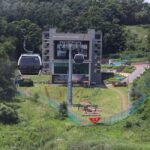
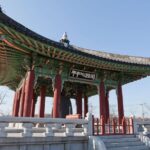
Gapyeong Begonia Bird Park is the kind of place that makes the phrase hands-on feel real. You’re there for the gardens—yes—but the bigger draw is the way birds and animals are part of the experience, not just background decoration.
You’ll stroll through themed garden areas with colorful begonia displays, then you’ll get chances to meet birds more directly. The tour time here is 1 hour 30 minutes, which tells you the pace: enjoy what you can, prioritize what you like, and don’t expect this to replace a full-day garden visit.



What to do during your Begonia Bird Park time
I recommend using the time in a simple order:
1) Start with garden photos and a quick orientation walk
2) Then head toward the animal interaction areas (parrots and alpacas)
3) Finish with whatever you didn’t manage on your first pass
Feeding the parrots is one of the standout moments. It’s also one of those experiences where you’ll want to pause and watch for how staff guide the interaction, since it can affect how close you can get and how smooth it feels.
Alpacas add a gentler, slow moment to the visit. If you’re traveling with kids, this is the kind of stop that keeps them engaged without needing a lot of extra planning.
The one thing to watch
Because your time is limited, don’t try to photograph every single section. Pick a few garden areas you really like, take your time there, and then devote the remaining window to the animal encounters.
Nami Island: tree-lined paths, strolling freedom, and Winter Sonata vibes
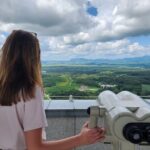
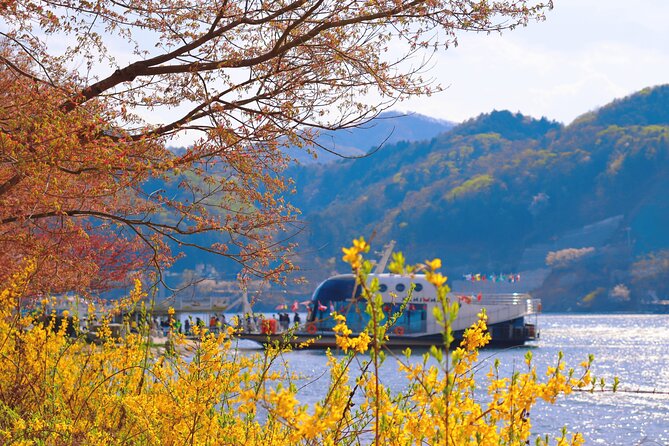
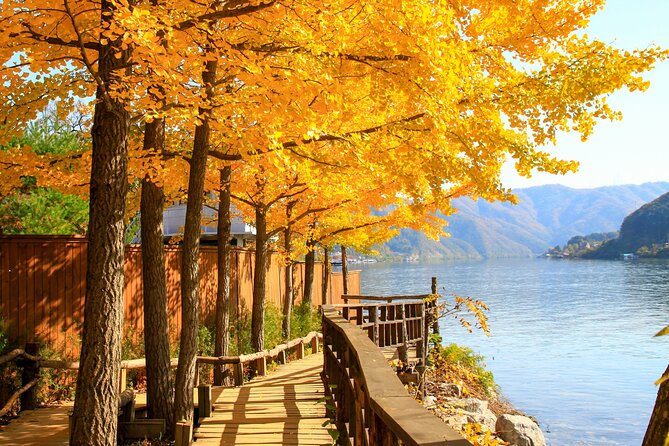
Nami Island is where the tour shifts from structured stops to personal wandering. You get about 3 hours 30 minutes, which is a solid chunk of time to walk the paths, stop for photos, and still not feel like you’re rushing your way around.
The big draw is the scenery along the island’s tree-lined routes. It’s also a filming location for Winter Sonata, which means many visitors come specifically for the classic photo spots tied to the show’s look and feel.
Walk or bike: choose based on your energy
You can explore Nami Island at your own pace by walking, or you can rent a bike and cover more ground. Here’s how I’d choose:
- If you want photos, slower pacing, and frequent stops, walk
- If you want to cover more of the island and keep moving between areas, bike
Either way, you’ll feel the shift right away. This is the kind of stop where stepping off your normal routine matters more than any single viewpoint.
Don’t overplan your route
This stop works best when you give yourself room to get distracted—in a good way. If you lock yourself into a strict route, you’ll spend your time checking plans instead of enjoying the island’s calm.
The main time complaint to keep in mind
Nami Island is often the best-loved part of the day. The catch is that 3.5 hours can feel short if you’re the type who loves wandering, taking photos, and then wandering some more. If you’re hoping to do a long, unhurried loop, this is the moment to know you might want extra time beyond what the day trip offers.
The day’s pace: 12 to 13 hours, traffic, and a useful guide

This tour can run 12 to 13 hours total, and the exact order and timing can adjust based on traffic and weather. That’s the reality of getting out of Seoul and back in a single day.
You’ll travel with a guide and have English & Chinese speaking staff, plus you’ll get round-trip transportation. The group size caps at 43 travelers, which is not small, but it’s also not a chaotic mob. Expect a busier feel than a private car tour, but you should still be able to hear instructions and stay oriented.
A guide you can count on
One of the standout details from experience feedback is how helpful at least one guide named John was—especially with flexibility. In practice, that matters most at the edges of the day: where to eat, how much time to spend, and how to avoid turning a good stop into a rushed one.
Value check: what you pay for (and what you still need to handle)
At $58.20 per person, you’re paying for a full day of transport and admissions. Included items are:
- Round-trip transportation
- English & Chinese speaking staff
- Nami Island ticket
- Gapyeong Begonia Bird Park ticket
- 4-seater shared railbike ticket if you choose the railbike package
Not included:
- Meals
- Traveler’s insurance
- Personal expenses
Why this price can be a good deal
The value comes from bundling transportation and tickets into one plan. Day trips like this get expensive fast when you start adding separate admission costs, taxis between stops, and the time cost of coordinating it all.
If you were going to buy Nami Island and Begonia Bird Park tickets anyway—and you want the railbike ride if you choose that option—then the bundled price starts to look reasonable for the convenience.
The one budget item people forget: lunch
Meals are not included, and your lunch experience can shape your mood for the rest of the day. If lunch gets served as part of a group routine, it may not match your personal standards. The good news: at least one guide (again, John) helped people find a better lunch spot, which can make the day feel more like your vacation and less like a checklist.
So I’d treat lunch as your chance to take control: plan snacks, or ask your guide what’s nearby and reasonable before you end up stuck waiting.
Meals, packing, and weather: small prep pays off
Because this is an outdoor-heavy day, the basics matter. The tour duration is long, and the timing depends on weather and traffic—so you want to be comfortable no matter what the day throws at you.
Bring:
- Comfortable walking shoes (you’ll cover distance on Nami Island and inside the bird park)
- A light layer for cool or changeable weather
- A small snack or drink if you’re the type who gets hungry early
Rain is the wildcard
The day is subject to weather conditions, so it’s smart to plan for light rain or damp paths. If rain shows up, walking shoes and a simple rain layer will keep you from feeling miserable.
Who should book this tour, and who should skip it

This tour is a strong fit if you want:
- A countryside break from Seoul with two major stops
- Animal encounters that are quick but memorable (parrots and alpacas)
- Time to roam independently at Nami Island
- A little extra fun with the optional railbike
It may not be the best fit if:
- You want a long, slow Nami Island day. The time is limited, and you could feel rushed if that’s your style.
- You care a lot about having meals arranged for you. Lunch is not included, so you’ll manage food yourself.
Should you book this Nami Island and Begonia Bird Park day trip?
If you like the idea of trading a full day of city life for curated countryside stops—with convenient transport and tickets—this is an easy yes. I especially think it’s worth it if you’re traveling with family, want memorable animal time, and you still want freedom at Nami Island instead of a rigid, step-by-step tour.
But if your main priority is maximizing Nami Island time for leisurely wandering, you should think twice. In this format, Nami Island is wonderful, yet it’s only a slice of what you could do if you stayed longer.
FAQ
FAQ
How long is the tour?
The experience runs about 12 to 13 hours.
What are the included stops and how long do you spend at each?
You visit Gapyeong Begonia Bird Park for about 1 hour 30 minutes, Nami Island for about 3 hours 30 minutes, and Gangchon Rail Park railbike is optional with about 1 hour 30 minutes if you choose it.
Is the railbike ride included, and can I choose a private cart?
If you select the railbike option, you get a shared 4-seater railbike ticket. A private cart is available with a surcharge of KRW 5,000 per person paid onsite in cash.
Are meals included?
No. Meals are not included, so you’ll need to plan lunch on your own.
How many people are in the tour group?
The maximum group size is 43 travelers.
What is the cancellation policy?
Free cancellation is available up to 24 hours in advance for a full refund.