REVIEW · SEOUL
Seoul: DMZ & Live Talk with North Korean Defector
Book on GetYourGuide →Operated by Seoul City Tour · Bookable on GetYourGuide
The DMZ is close enough to change you. You’ll get the usual border sights, plus something rare: a North Korean defector live talk that turns politics into a human story. The day also hits the heavy stuff, including entering the Third Infiltration Tunnel, where you can feel how serious North Korea’s plans were.
I love how this tour holds your hand through the day. It starts with key DMZ sites and ends with viewpoints that make the peninsula feel real, not abstract. You also get a structured flow, with guided stops that keep the information grounded in what you can actually see.
One main consideration: plan for strict on-the-ground rules. Bring your passport and come ready to manage meals on your own, since food and drinks aren’t included.
In This Review
- Key things I’d bookmark about this DMZ experience
- A 7-hour DMZ day that doesn’t stop at sightseeing
- Where you’ll start and how the day runs
- Imjingak Peace Park: the emotional intro before you go technical
- Mangbaedan and Freedom Bridge: border symbolism with real constraints
- North Korea Experience Hall and the defector meet-up: the part that hits the hardest
- What to expect from the talk (and what to prepare)
- Entering the Third Infiltration Tunnel of Aggression: where imagination stops
- Dora Observatory and Unification Village: what you can see across the line
- Price and value: why this $50 DMZ day is actually a bargain (if it fits you)
- Logistics you should sort before you go: passport, photos, and meals
- Who should book this DMZ + defector talk, and who should reconsider
- Should you book this Seoul DMZ tour with a North Korean defector?
- FAQ
- How long is the DMZ tour from Seoul?
- What are the main stops during the day?
- Is the North Korean defector live talk included?
- Do I need a passport?
- Is food or lunch included in the price?
- What language is the guide?
- What’s included in the ticket price?
- Can I add the suspension bridge?
- What if the tour is canceled due to military issues?
Key things I’d bookmark about this DMZ experience
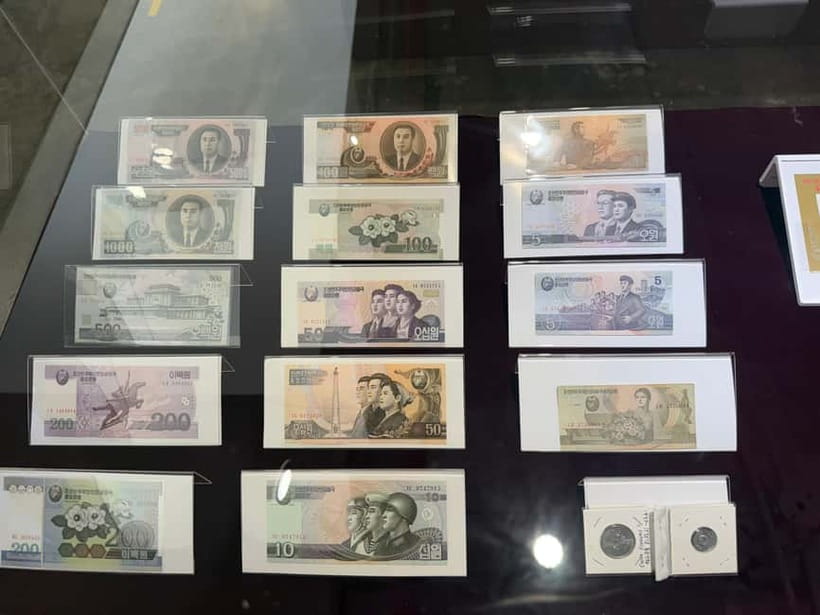
- Defector live talk plus a short film and interview setup at the North Korea Experience Hall
- Third Infiltration Tunnel access for a rare, hands-on look at underground strategy
- Dora Observatory views aimed at letting you understand what’s visible across the border
- Multiple DMZ stops in one day, keeping context from Imjingak through Unification Village
- English-speaking guide and air-conditioned transport that make the long day easier
- Photo limits at several locations, so be ready to experience more than document
A 7-hour DMZ day that doesn’t stop at sightseeing
The DMZ from Seoul is one of those experiences that sounds simple until you’re actually there. A day like this is about two things at once: geography and psychology. Geography is the route you’ll cover—Peace Park, the border-adjacent sites, the tunnel, the observatory. Psychology is the part most tours miss: what it means to live behind those lines, and what escape looks like from the inside.
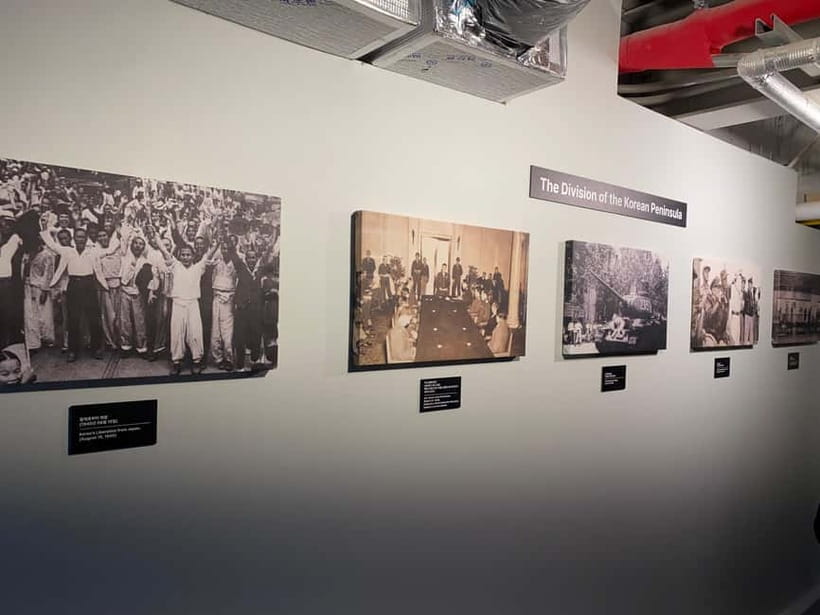
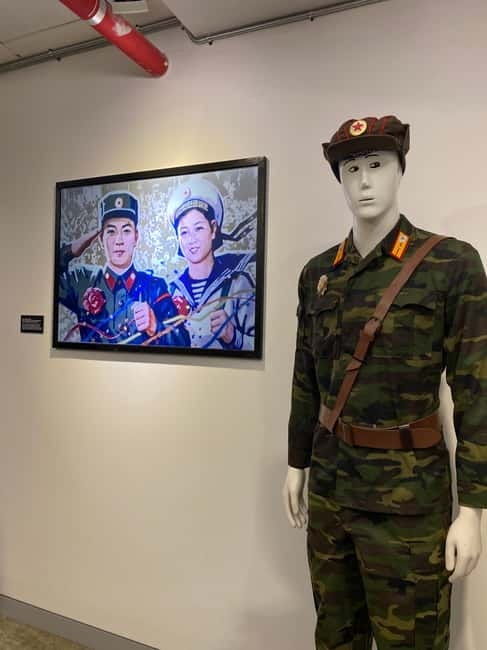
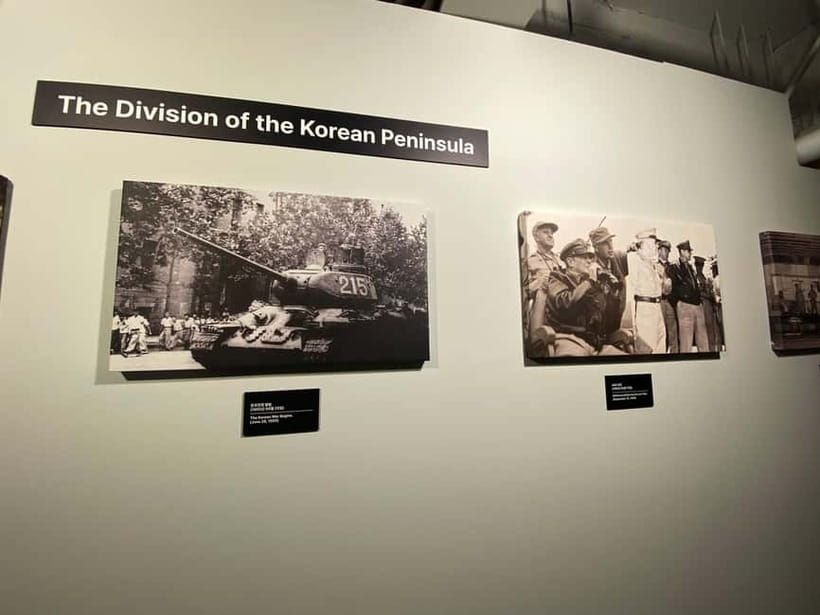
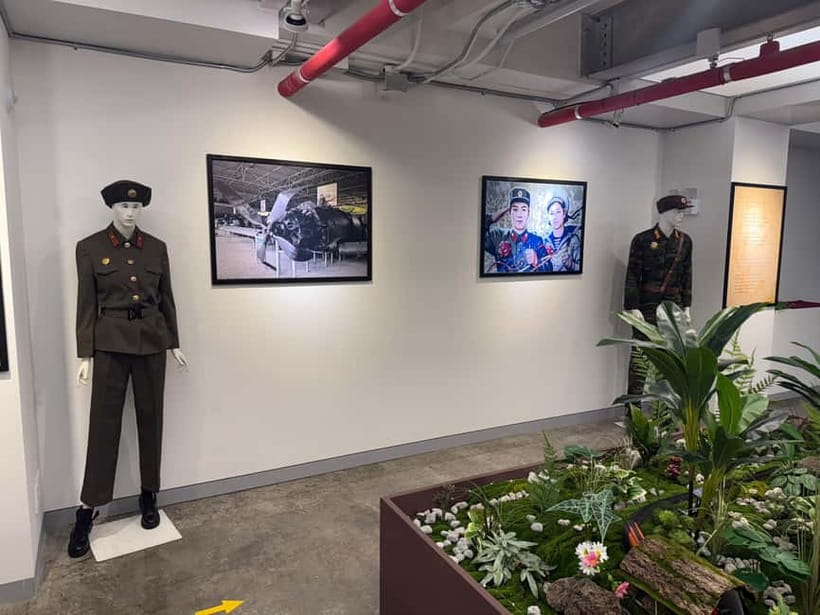
With this tour, you’re not only looking across a fence. You’re also getting guided explanations that connect each stop to the larger story of division on the Korean Peninsula. And because the North Korea Experience Hall includes a film and an interview segment before the live conversation, the day builds toward the defector meet-up instead of treating it like a random add-on.
You can also read our reviews of more tours and experiences in Seoul.

Where you’ll start and how the day runs
The tour starts from one of several Seoul-area meeting points, then you’ll head out by coach/bus (about 1 hour to get moving into Gyeonggi Province). From there, the schedule is structured in guided blocks, including time at Imjingak (about 1 hour), time at the tunnel (about 1 hour), time at Dora (about 50 minutes), and a shorter stop at Unification Village (about 15 minutes). You’re back in Seoul with a roughly 1 hour ride at the end, finishing around Seoul City Hall.
That timing matters. If you’re prone to long museum wandering with no direction, the DMZ can feel overwhelming. Here, you get enough pacing that you’re not stuck rushing through the hardest stops.
Imjingak Peace Park: the emotional intro before you go technical
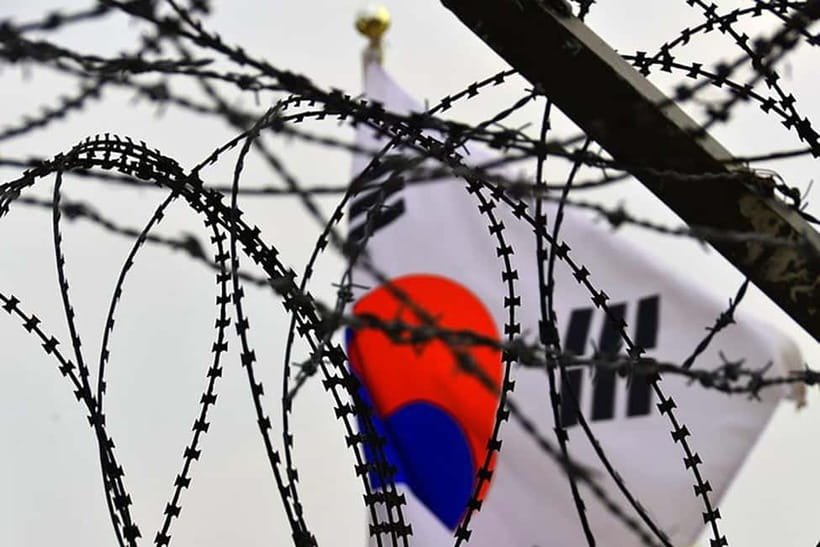
Imjingak Peace Park is the kind of place where you’re not supposed to stay detached. Even without getting lost in details, it works as an emotional starter for the day because it frames division as something personal: families split, people displaced, and the border treated like a permanent wound.
Expect a guided walkthrough rather than free-roaming. That’s a good thing here. If you’re trying to understand why certain areas matter, the guide’s job is to point you toward what to notice, and what to ignore.
Practical note: if you’re sensitive to heavy themes, you might want a quiet moment before you move on. Imjingak sets the tone, so the later sights won’t hit as “just views.”
Mangbaedan and Freedom Bridge: border symbolism with real constraints
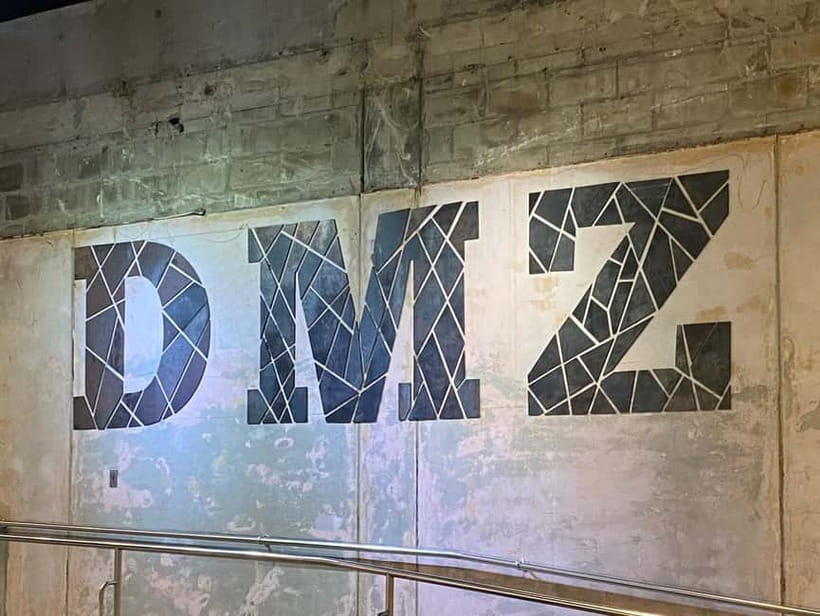
The next stops—Mangbaedan and Freedom Bridge—keep the focus on what the DMZ means in practice. You’ll spend time at each under guidance, and the goal is clarity: these aren’t random scenic points. They’re tied to the idea of separation, contact, and the limits of what’s allowed.
Freedom Bridge is especially easy to misunderstand if you treat it like a normal landmark. It’s not. Your guide will help you read it in context, and you’ll likely find yourself thinking about access and control rather than just architecture or photos.
One thing I appreciate about this style of routing is that it doesn’t pretend you can “solve” the peninsula in a day. It just gives you enough context to make the later stops—like the tunnel and observatory—feel connected.
North Korea Experience Hall and the defector meet-up: the part that hits the hardest
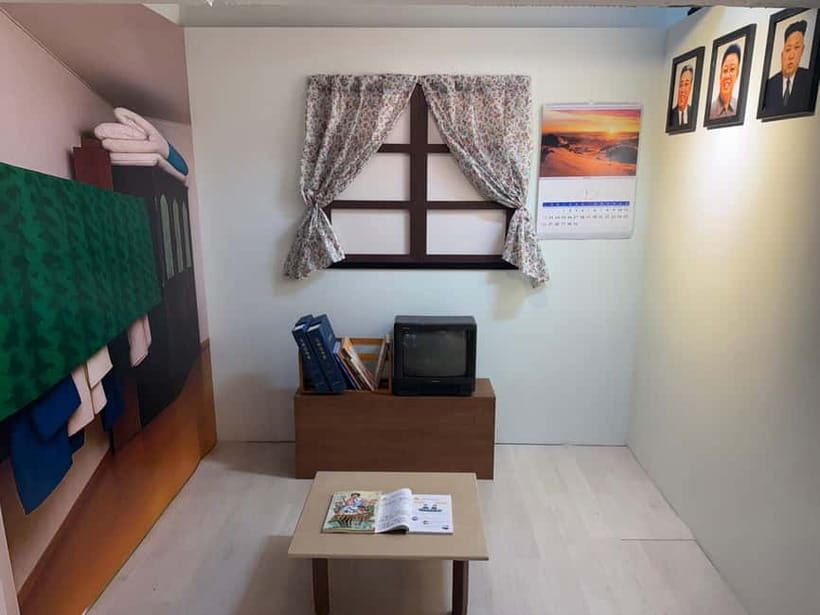
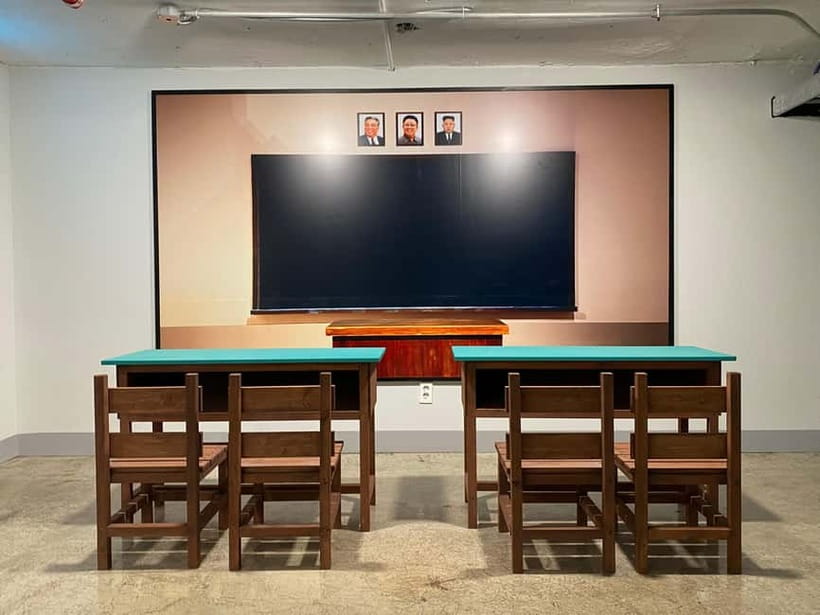
This is the centerpiece of the experience. The North Korea Experience Hall is where you get a short film (about 10 minutes) and an interview setup. It’s designed to prime you before the live conversation.
Then comes the live talk with a North Korean defector. This is the part that turns the day from geography to real stakes. One of the strongest moments in the Q&A format is that you’re not just hearing a polished narrative. You get back-and-forth questions, and that changes the feel of everything.
Guides matter here because the tone needs to be respectful, not sensational. Based on guide feedback from English-speaking hosts at Seoul City Tour, you may get a strong facilitator style—names you might see in this program include AJ, Katie, Yoon, Yeoni, and Lily. The consistency is the same: they keep the day moving and handle questions so you can learn without turning the defector’s story into entertainment.
A real example from past Q&A: in at least one conversation, the defector discussed bringing children over later via a broker from China. That kind of detail is exactly why this stop is so powerful. It shows how escape isn’t just a single moment—it can be a long, complicated process.



What to expect from the talk (and what to prepare)
You should expect answers shaped by what the defector is comfortable sharing. Some people come in hoping for a full “day-in-the-life” breakdown of daily life in North Korea, while others get more direct responses tied to questions asked on the spot. The best way to make it land is to be thoughtful with your questions.
Also, because this is emotionally intense, a quick mindset check helps. Go in expecting humanity, not a history lecture.
Entering the Third Infiltration Tunnel of Aggression: where imagination stops
Then you go underground. Entering the Third Infiltration Tunnel is the kind of moment that stays with you because it’s physical. You aren’t just watching a model or reading a plaque. You’re moving through a passage designed for infiltration.
A guided visit here (about 1 hour) helps you understand what you’re seeing—why tunnels matter, how underground movement changes the border equation, and how planning turns into infrastructure.
If you’re claustrophobic or uncomfortable with tight spaces, this is the place where you’d want to think carefully before booking. The tour is designed for standard visitors, but “hands-on” means you’re not only observing.
It’s also a spot where timing matters. You can’t linger for long in one area. The guide’s pacing keeps you from feeling rushed while still respecting the limits of the site.
Dora Observatory and Unification Village: what you can see across the line
After the tunnel, the day shifts back into viewpoints. At Dora Observatory (about 50 minutes), you’ll see North Korea from a controlled vantage point—enough to help you understand terrain and distance, but not enough to make it feel like a theme-park.
This stop benefits from a guide who can translate what you’re looking at into meaning. There’s a story element too: Dora helps connect earlier stops into one picture of how observation works from the South.
Then you’ll finish with Unification Village (about 15 minutes). It’s a short capstone. The point here isn’t depth. It’s perspective: it reminds you that “unification” is a dream that has to survive politics, security rules, and time.
If you have trouble hearing in group settings, don’t assume you’ll miss everything. Past experiences show that guides can take extra time with anyone who needs a repeat explanation at the observatory.
Price and value: why this $50 DMZ day is actually a bargain (if it fits you)
At $50 per person for a 7-hour DMZ outing, the value is strong on paper—especially because key admissions are included. You’re paying for:
- guided access to DMZ sites
- air-conditioned transportation
- a guide who keeps everything on schedule
- admission fees (DMZ)
Food and drinks are not included, and that’s normal for day trips, but it does affect real-world cost. You’ll need to budget for lunch during one of the free periods. In practice, there are cafes and shops at stops where you can buy something, but you should still plan to eat during scheduled free time rather than expecting a meal stop.
Also note: the price is for the overall experience, not just “seeing a few points.” The defector talk and tunnel access are what separate this from generic DMZ tours. Those are the parts that justify the cost.
If you want something with maximum “DMZ photos per hour,” this might not feel as optimized. If you want meaning per hour, it’s a good deal.
Logistics you should sort before you go: passport, photos, and meals
This tour runs on rules. The big one is the passport requirement. Military ID or ARC can work, but the point is clear: bring your travel documents and don’t gamble.
Photography is another practical limitation. You may not be allowed to take pictures at many places due to site rules. That’s not a complaint you should ignore—it changes how you experience the day. If you treat the DMZ like a photo checklist, you may end up frustrated. If you treat it like a guided, regulated learning day, you’ll be happier.
Finally, meals. Food and drinks aren’t included. That means you’ll want to carry water and snacks if you’re the type who hates getting hungry mid-transport. But the best strategy is simpler: plan to eat during free time at stops where you can buy food.
Who should book this DMZ + defector talk, and who should reconsider
This works best for you if:
- you want more than views and signs
- you’re open to hearing a personal escape story in a respectful Q&A setting
- you want a single day that covers tunnel, observatory, and border-adjacent sites
It might not be the right fit if:
- you want a light, casual day with lots of downtime
- you dislike strict rules around documents and site behavior
- you’re not comfortable with the underground nature of tunnel entry
Should you book this Seoul DMZ tour with a North Korean defector?
If you’re going to do the DMZ once, do it with the human story attached. The defector talk is the reason this experience feels different from standard border sightseeing, and the Third Tunnel adds a hands-on element that questions alone can’t replicate.
I’d book this if you care about context and respectful storytelling, and if you’re willing to plan for the practical parts: passport in hand, meals on your own, and the reality that some places won’t let you photograph everything.
If you want, tell me your travel dates and whether you prefer the earlier or later departure time (for the suspension bridge option). I can help you pick the best-fit schedule based on how the day is paced.
FAQ
How long is the DMZ tour from Seoul?
The total duration is 7 hours.
What are the main stops during the day?
You’ll visit Imjingak Peace Park, the North Korea Experience Hall, the Third Infiltration Tunnel, Dora Observatory, and Unification Village, along with other DMZ-area guided stops including Mangbaedan and Freedom Bridge.
Is the North Korean defector live talk included?
Yes. The experience includes the defector meet-up, with a film and interview setup at the North Korea Experience Hall before the live Q&A.
Do I need a passport?
Yes. All guests must bring a passport. A military ID or ARC is accepted.
Is food or lunch included in the price?
No. Food and drinks aren’t included, so you’ll need to bring your own or buy something at stops with free time.
What language is the guide?
The tour is offered with a live English guide.
What’s included in the ticket price?
Included items are air-conditioned transportation, a guide, admission fees (DMZ), and hotel pickup if you choose the private option.
Can I add the suspension bridge?
There is an optional suspension bridge add-on, but only the earlier time tour is available for it.
What if the tour is canceled due to military issues?
If canceled due to military or unexpected issues, the provider states they’ll offer an alternative course related to the DMZ and no refund in that case.