REVIEW · SEOUL
Royal Seoul Cooking Class in a 100-Year-Old Hanok
Book on Viator →Operated by Royal Seoul Cooking Class · Bookable on Viator
Two hours can taste like Seoul’s past and present. In Royal Seoul Cooking Class, Chef Park brings you into a 100-year-old hanok in central Seoul for hands-on cooking of famous Korean dishes. The class keeps things intimate with a max of 6 people, so you’re not stuck watching from the sidelines.
I especially like two things: the way the cooking feels doable even if you’re new, and the table setting—your meal lands on handcrafted bangjja plates in a traditional dining space. The only thing to think about is pacing: with a central-city route included alongside the class, comfortable shoes and a ready-to-walk mindset will make the experience smoother.
In This Review
- Key highlights you’ll feel right away
- A 100-Year-Old Hanok Cooking Class Actually Feels Like Korea
- Chef Park’s Royal Menu: What You’ll Cook (and Why It Matters)
- The Class Flow in Real Terms: From Prep to Plate
- Central Seoul Route: Palaces, Markets, and Ikseon-dong on the Same Night
- Gyeongbokgung Palace
- Changdeokgung Palace
- Kwangjang Market
- Ikseon-dong Hanok Street
- Gwanghwamun Square
- Bangjja Plates and Makgeolli: The Meal Part You’ll Remember
- Price and Value: What $98.98 Buys You Here
- Who This Class Is Best For (and Who Might Skip It)
- Tips to Make Your Evening Go Smoothly
- Should You Book This Royal Seoul Cooking Class?
- FAQ
- How many people are in the cooking class?
- What’s included in the meal?
- How long does the experience last?
- Where does the experience start?
- Is the ticket mobile?
- What if I need to cancel?
Key highlights you’ll feel right away
- Small group class (max 6): more hands-on time and less waiting around.
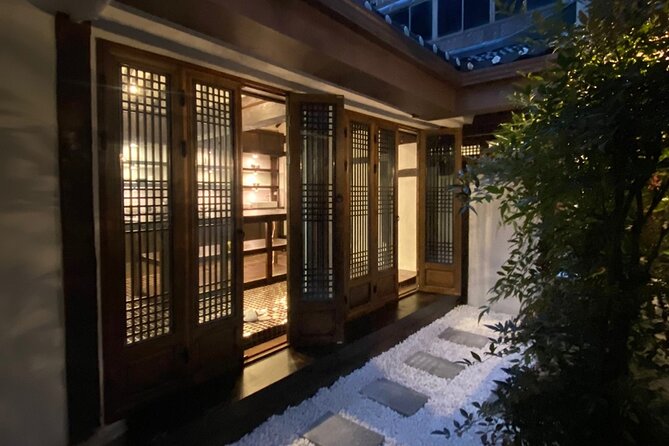
- 100-year-old hanok setting: a real, lived-in style of Korean home dining, not a staged set.
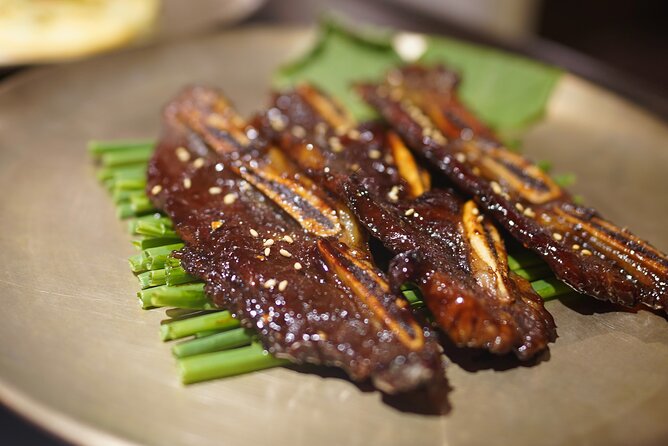
- Royal-style menu: LA galbi, fresh kimchi, Haemul Pajeon, and Tapyeongchae.
- Handmade bangjja dining ware: you’ll eat what you make on traditional bronze plates.
- Makgeolli plus desserts: a full Korean meal arc, not just cooking.
A 100-Year-Old Hanok Cooking Class Actually Feels Like Korea
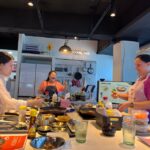
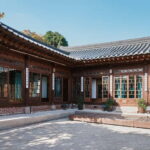
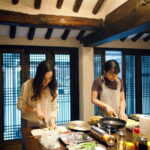
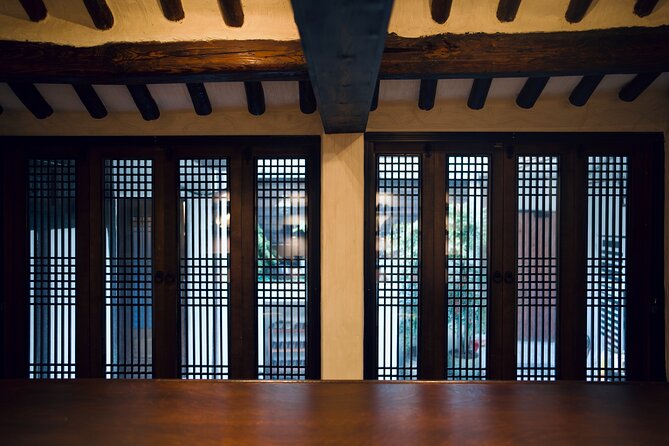
If you want Seoul beyond photos, this is a strong pick. The class is staged inside a preserved hanok home in the heart of the city, so the experience starts with atmosphere. The kitchen and dining space are built for Korean-style meals—warm, close, and designed for sitting together—so it’s easier to relax and focus on the food.
I love how this isn’t just about cooking. You get the sense that you’re stepping into someone’s cultural rhythm: preparing food, learning what matters in the technique, then eating it right there. And because the group is capped at six, Chef Park can actually connect with you instead of running a factory-style workshop.
One more practical win: the class runs about 2 hours 15 minutes and you won’t feel like you’re stuck in a long lecture. The time is used for hands-on prep, cooking, eating, and short cultural stories woven into the dishes.
You can also read our reviews of more cooking classes in Seoul
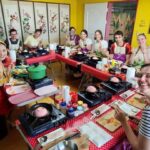
Chef Park’s Royal Menu: What You’ll Cook (and Why It Matters)
The menu centers on Korean comfort food plus royal-cuisine favorites—so you get both familiar and special. You’ll cook LA Galbi, Fresh Kimchi, Haemul Pajeon, and Tapyeongchae. Even if you’ve had these dishes before, making them yourself is a different experience.
Here’s what the dishes mean in real life:
LA Galbi
This is Korean BBQ flavor in a more refined, approachable format. Cooking it helps you understand what makes Korean meat marinades work—sweet-salty balance, aromatics, and how thin cuts cook quickly.
Fresh Kimchi
Kimchi is one of those foods that’s everywhere in Korea, but making it at least once helps you “get” the logic behind it. You’ll learn the basics of freshness and seasoning, and you’ll likely realize why kimchi tastes different depending on timing and method.
Haemul Pajeon
Pajeon is a savory Korean pancake, and the seafood version (haemul) brings richness and saltiness. Cooking it teaches you texture control: batter consistency, pan heat, and how to avoid the sad, soggy middle.
Tapyeongchae
This one is your “greens and balance” dish. It rounds out the meal so you’re not eating only grilled and fried food. It also helps you understand Korean dining as variety on the table, not one big dish.
If you’re a beginner, that’s a big reason this class lands well. The structure is designed so you can follow along without prior cooking skill. Chef Park leads the process in a small group, and the experience is supported by an official culinary certificate, which usually means the teaching is planned—not improvised.
The Class Flow in Real Terms: From Prep to Plate
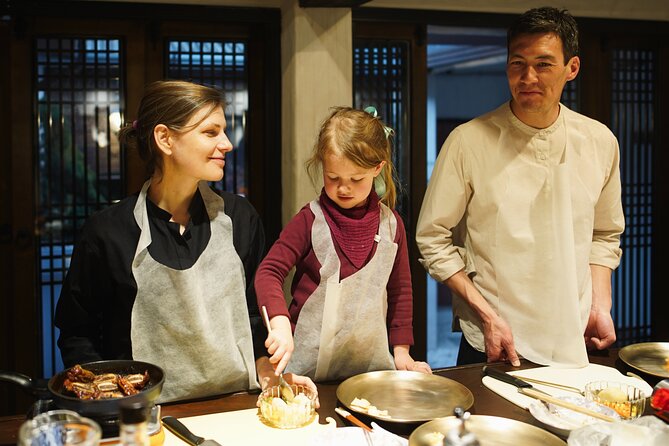
Cooking classes can fail in two ways: either too much time is spent watching, or the pace is so fast you miss what matters. This one is built to avoid both.
From your first moments inside the hanok, you’ll get guided prep so you’re not standing around wondering where to start. The class is explicitly designed for easy participation, so even if your knife skills are still under development, you should be able to keep up.
Then you cook. You’re not just sampling; you’re actively making the dishes that end up on your table. The course is structured around the idea that you can understand the ingredients and the technique enough to reproduce some version at home later.
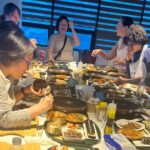
Finally, you sit down to eat what you made on handcrafted bangjja bronzeware. That matters because Korean meals aren’t only about taste—they’re about how food is served and enjoyed. The serving ware and traditional table vibe make the meal feel intentional, not random.
And yes, you’ll also get a drink and sweets: a glass of freshly brewed Makgeolli plus a selection of traditional Korean desserts to round out the evening.
Central Seoul Route: Palaces, Markets, and Ikseon-dong on the Same Night
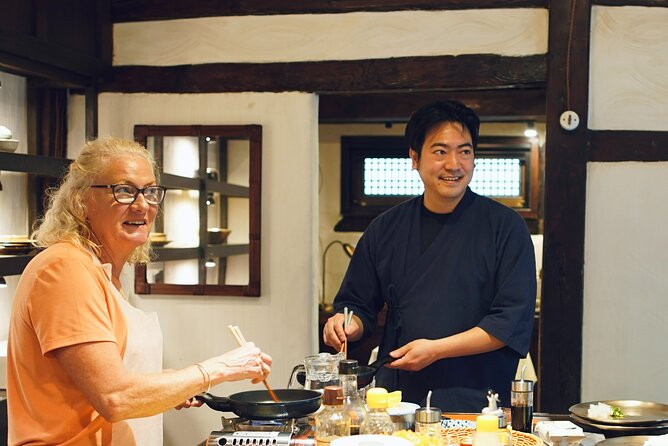
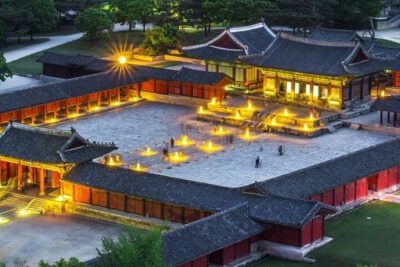
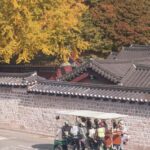
The itinerary includes a short run through some of Seoul’s biggest landmarks and food areas: Gyeongbokgung Palace, Changdeokgung Palace, Kwangjang Market, Ikseon-dong Hanok Street, and Gwanghwamun Square. That doesn’t mean you’re doing a marathon sightseeing day. Think of it as a guided walk through “where Seoul lives”—palace grandeur, market energy, and hanok streets—before you settle into the cooking portion.
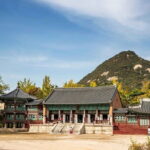
Gyeongbokgung Palace
This is one of the most recognizable royal palace areas in Seoul. Even if you’re only seeing parts of it from the route, it sets the historical mood fast. It also helps you connect the word royal to what you’ll cook later.
Consideration: palaces mean lots of open space and standing time. If you’re not a fan of walking on uneven surfaces, wear shoes you trust.
You can also read our reviews of more tours and experiences in Seoul


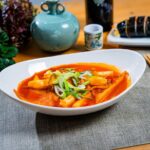
Changdeokgung Palace
Changdeokgung is associated with royal traditions and palace gardens. It gives you a different vibe from the bigger, more dramatic palace feel—more calm, more “court life” atmosphere.
Why it fits here: it primes you for royal cuisine, so the cooking doesn’t feel random.
Kwangjang Market
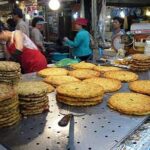
Kwangjang Market is the food stop. This is where you’ll get a sense of modern Korean street-food culture and casual eating. It’s a useful contrast to the formal royal menu you’re about to cook.
Small drawback: market time can mean more people and more sensory overload, especially if you’re sensitive to crowds or noise.
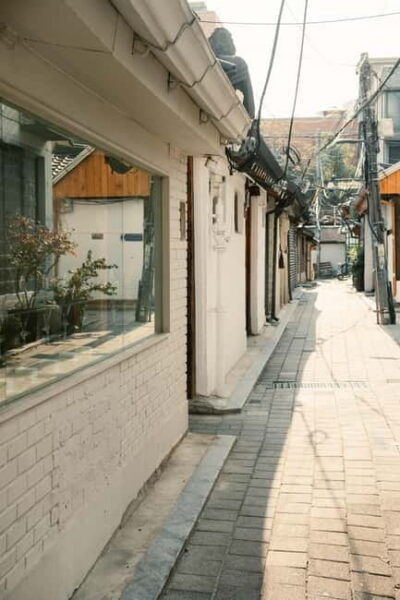
Ikseon-dong Hanok Street
This is the neighborhood that connects directly to the hanok theme of the cooking class. The streets and traditional-style houses help the setting make sense before you step inside the home for dinner.
Practical note: it’s a good moment to get your bearings for the rest of the evening.
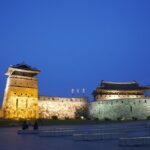
Gwanghwamun Square
This is a central Seoul landmark area and a natural “wrap-up point” for the route. It’s also a reminder that you’re close to the big city action even while you’re eating in a quieter, traditional home.
Bangjja Plates and Makgeolli: The Meal Part You’ll Remember
Cooking is only half the story. The other half is how you eat.
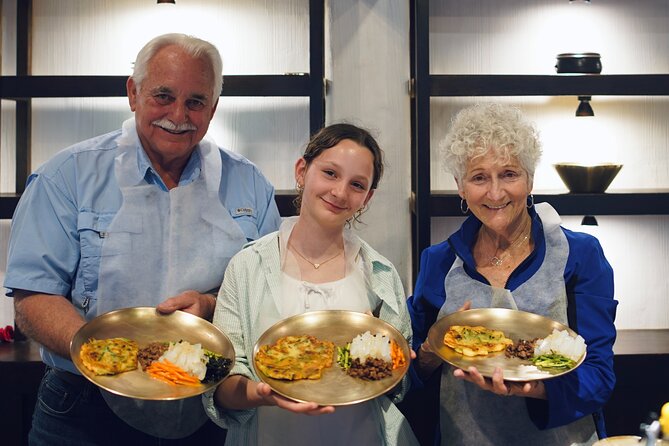
In this class, you enjoy your creations on handmade bangjja plates. Those bronze-toned plates don’t just look good; they change the feeling of the meal. The food shows up as a proper Korean table spread, served in a space that respects tradition.
Then you get Makgeolli, a milky Korean rice wine that pairs well with savory dishes like galbi and pajeon. A glass is included, and the timing usually works best after you’ve finished cooking—so the drink feels like a celebratory step, not something rushed.
Finally, you’ll have traditional desserts. Even if you’re not sure what to expect, this matters because it closes the loop. You get the full meal rhythm: savory cooking, shared dining, then something sweet to end.
Price and Value: What $98.98 Buys You Here
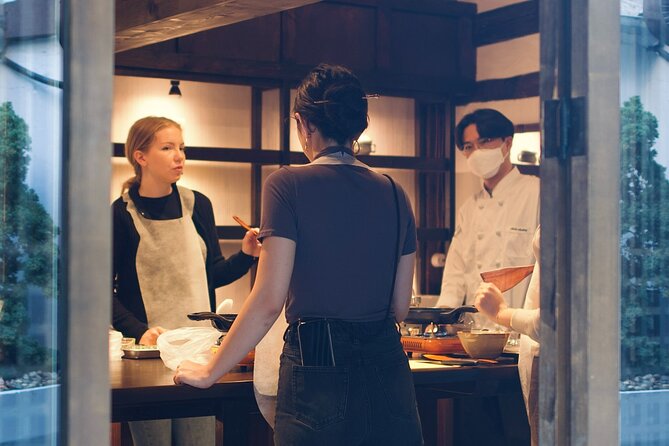
At $98.98 per person for a roughly 2 hours 15 minutes experience, you’re paying for three things at once:
1) Access to a preserved hanok home in central Seoul
2) Hands-on instruction with a small group size (max 6)
3) A full meal arc: multiple dishes you make, plus Makgeolli and desserts
Cooking classes can be cheaper, sure. But many of the lower-priced options are either bigger groups (less time with the instructor) or end up being more tasting than true cooking. Here, the structure is built for participation. The value is strongest if you want a real Seoul setting and instruction you can actually use again.
If you’re the kind of traveler who likes food enough to learn technique—not just collect snacks—this price starts to feel reasonable fast.
Who This Class Is Best For (and Who Might Skip It)
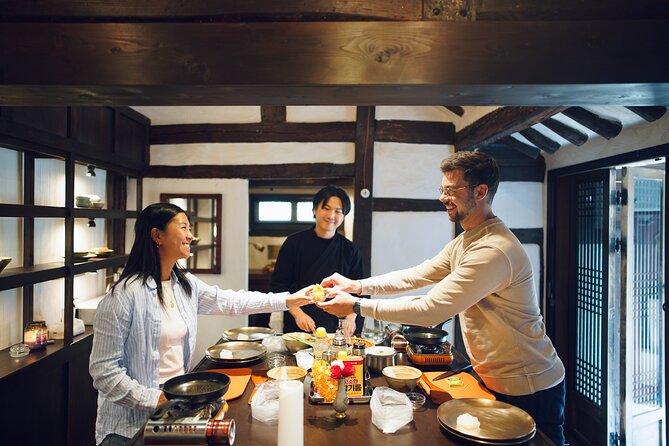
This experience fits well if you want:
- A small-group, hands-on cooking evening
- A beginner-friendly class where you don’t need prior skills
- A setting that feels like Korean home life, not a food lab
- A menu that includes both BBQ (LA galbi) and homemade staples (kimchi)
It’s also a solid choice for mixed ages. In the way the class is taught, the pacing and explanation style are meant to work for different comfort levels while still keeping everyone cooking.
Who might skip it? If your main priority is long sightseeing time or you dislike any walking between central spots, you may find the route side of the night a bit limiting. This is still, first and foremost, a cooking and dining experience.
Tips to Make Your Evening Go Smoothly
A few practical moves will help you enjoy the whole night:
- Arrive with comfortable shoes. The itinerary includes multiple central sights and a market area, and you’ll likely spend time on your feet.
- Use the mobile ticket and keep it handy for quick check-in.
- Show up with curiosity, not perfection. The class is built so you can learn even if you’ve never cooked Korean food before.
- Ask about the dish stories. The instructor weaves cultural and food context into the teaching, and it’s one of the big reasons people rate the experience highly.
Should You Book This Royal Seoul Cooking Class?
I’d book it if you want one memorable evening that connects Seoul’s traditional home culture to food you can actually taste and make yourself. The small group size is the real advantage. It keeps the attention on you, and it makes the cooking feel personal. Add the hanok setting, the bangjja dining, and the Makgeolli finish, and you get more than a meal—you get a clear picture of how Koreans eat together.
I’d skip it only if you’re chasing a full-day sightseeing schedule or you’d rather do a cooking class without any city-route stops. Otherwise, this is the kind of experience that makes Seoul feel real the moment you sit down.
FAQ
How many people are in the cooking class?
The class has a maximum of 6 travelers, so it stays intimate and gives you room to cook with guidance.
What’s included in the meal?
You’ll cook and then eat several Korean dishes, including LA Galbi, fresh kimchi, Haemul Pajeon, and Tapyeongchae. You’ll also get a glass of Makgeolli and a selection of traditional Korean desserts.
How long does the experience last?
The duration is listed as about 2 hours 15 minutes.
Where does the experience start?
The meeting point is 25 Samil-daero 32ga-gil, Jongno District, Seoul, South Korea. The activity ends back at the meeting point.
Is the ticket mobile?
Yes, it includes a mobile ticket.
What if I need to cancel?
Free cancellation is available up to 24 hours in advance for a full refund. If you cancel less than 24 hours before the start time, the amount paid is not refunded.