REVIEW · SEOUL
Signature Seoul : Netflix Sites, Street Food & N Seoul Tower
Book on Viator →Operated by Cosmojin Agency · Bookable on Viator
Seoul, in one controlled 8-hour loop. I like the door-to-door hotel pickup and the way this day strings together the big hitters like Gyeongbokgung Palace plus street food at Gwangjang Market. The main drawback to plan for is the moderate walking pace, with plenty of stairs along the way.
You’ll get a professional English-speaking guide, round-trip transportation, and a traditional Korean lunch with a vegetarian option. The pacing is designed for seeing several areas without you having to stitch together transit yourself at 9:10am start time.
One thing to keep in mind: access around the Presidential Blue House can be limited for security, and some performances may be canceled in bad weather. Also, if you go on a Tuesday, Gyeongbokgung Palace and the National Folk Museum get replaced with Deoksu Palace.
In This Review
- Key Things I’d Plan Around
- How This 8-Hour Seoul Circuit Feels, Time-wise
- Jogyesa Temple + The Blue House Tile Moment
- Gyeongbokgung Palace: The Joseon Heart Beat (and What Could Change)
- Tuesday Replacement Note
- National Folk Museum of Korea: Ordinary Life, Told Through Objects
- Namsangol Hanok Village: A Compact Joseon-Style Break
- N Seoul Tower: Skyline Views That Fit the Drama-Spot Role
- Gwangjang Market: Street Food Finale at Seoul’s Oldest Market
- Lunch at a Local Restaurant: One Set Meal, Less Decision Fatigue
- Guide Quality and the Packed-Into-One-Day Approach
- The Real Value: $79 for Transport, Entry, Lunch, and Interpretation
- Weather, Security, and the Two Big “Could Change” Items
- Ceremony cancellations in cold or rain
- Blue House access
- Who This Tour Suits Best
- Should You Book Signature Seoul?
- FAQ
- What time does the tour start?
- How long is the tour?
- Is hotel pickup and drop-off included?
- Does the tour include lunch, and is there a vegetarian option?
- What happens on Tuesdays to Gyeongbokgung and the folk museum?
- Can you be prevented from seeing the Presidential Blue House?
- What if it is -5°C or raining?
Key Things I’d Plan Around
- Door-to-door pickup and drop-off: you spend less energy figuring out where to meet and more time looking around.
- Royal Seoul at Gyeongbokgung: the palace visit is the core anchor of the day, with included entry time set aside.
- Hanok village stop at Namsangol: a compact Joseon-era feel near Namsan Mountain without a long detour.
- N Seoul Tower viewpoint hour: you get a full block of time for skyline photos and a slow lookout.
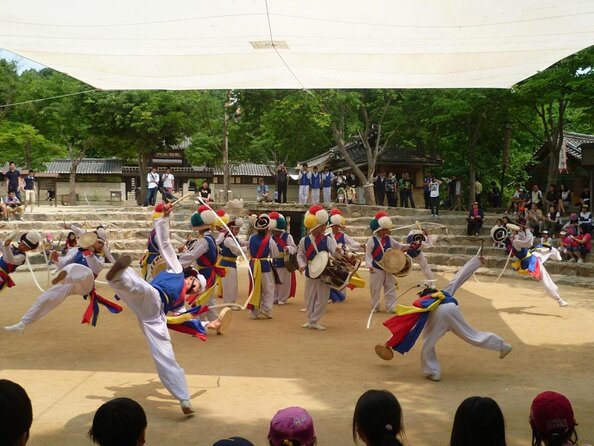
- Weather and ceremony changes: the royal guard changing ceremony and traditional performance can be canceled if it’s -5°C or raining.
- Tuesday swap to Deoksu Palace: your schedule may shift depending on the day of the week.
How This 8-Hour Seoul Circuit Feels, Time-wise
This tour runs about 8 hours, starting at 9:10am, which is a smart choice in Seoul. A morning departure means you’re usually not playing catch-up later in the day, especially when your route includes palace grounds, mountain-adjacent stops, and a market finale.
The group size is capped at 44, which is large enough to have energy but not so huge that you disappear. You’ll also travel with an English-speaking guide and transportation included, plus a mobile ticket, which is helpful for keeping everything in one place on your phone.
Value question: is $79 per person worth it? For many people, the answer is yes, because you’re paying for more than entry tickets. You’re also paying for transport, guided interpretation, and a lunch stop that’s handled for you, including a vegetarian option.
You can also read our reviews of more food & drink experiences in Seoul
Jogyesa Temple + The Blue House Tile Moment
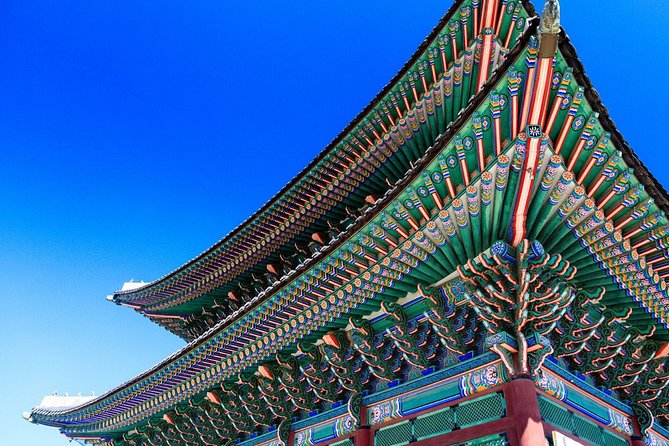
Your day opens at Jogyesa Temple, centered in Zen Buddhism and located in downtown Seoul. It’s listed as about 30 minutes, and it’s a great early contrast to the palace later: quieter, more spiritual, and very close to the city’s street-level pulse.
Jogyesa is also a good time to get your bearings because it sits in a well-known area (Jongno/central Seoul). Even if you’re not a serious temple person, the guide-led context helps you notice details you’d otherwise miss, like how the temple fits into daily Seoul life.
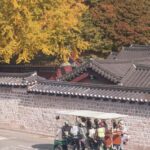
After Jogyesa, you pass by the Presidential Blue House, identified by its iconic blue tiles with Mt. Bukak in the backdrop. Here’s the practical catch: you might not be allowed to pass by the Blue House for security, so don’t build your day around getting close-up photos. Treat it as a “you’ll see it from the route if permitted” kind of stop.
Gyeongbokgung Palace: The Joseon Heart Beat (and What Could Change)
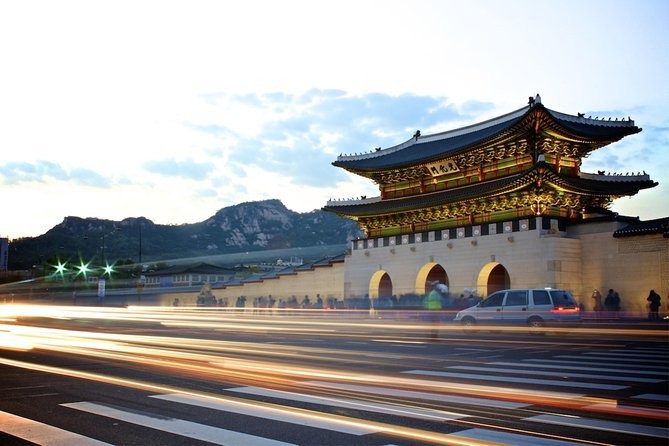
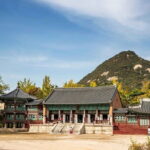
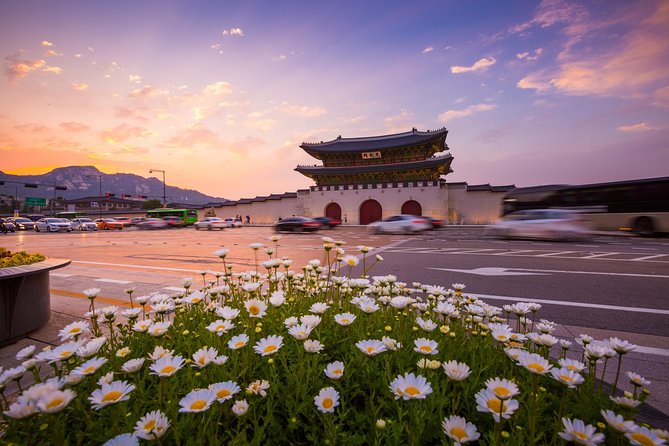
Gyeongbokgung Palace is the biggest historical anchor of the tour. It’s Seoul’s largest and most iconic palace and is tied directly to the Joseon Dynasty, which is exactly the kind of context you want when you’re only in town for a short time.
You’ll have about 1 hour here, with admission included. That’s enough time to walk the main areas, take in the scale, and understand the layout rather than rushing through it like a checklist.
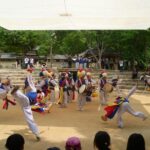
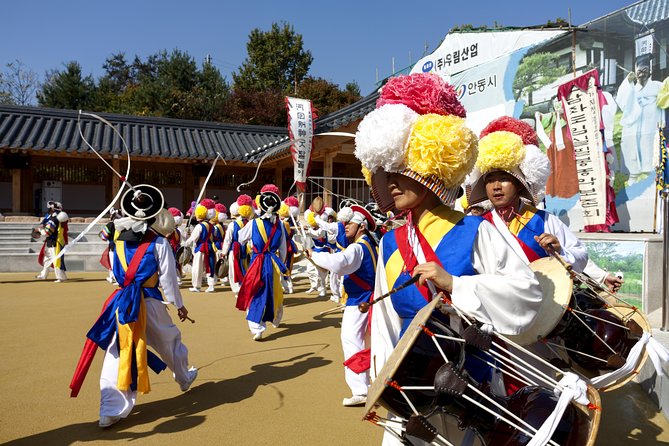
Inside the schedule is also a timing factor: the tour may include a Royal Guard Changing Ceremony and a traditional performance, but those can be canceled if the weather is -5°C or raining. If you’re traveling in winter or have a forecast-heavy trip, plan mentally for a backup experience: still enjoy the palace grounds even if the ceremony doesn’t happen.
Tuesday Replacement Note
If your tour day is Tuesday, Gyeongbokgung and the National Folk Museum are replaced with Deoksu Palace. This matters because you might arrive expecting a specific palace, so double-check your day-of appointment when you confirm.
National Folk Museum of Korea: Ordinary Life, Told Through Objects
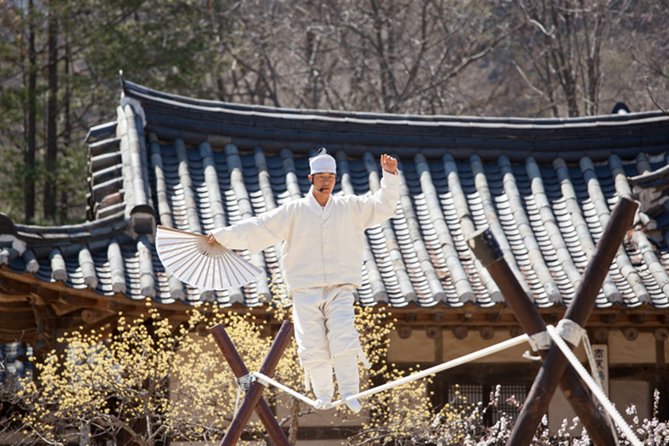
Next comes the National Folk Museum of Korea, located within the grounds of Gyeongbokgung. You get about 40 minutes, and admission is listed as free in the itinerary.
This is one of my favorite stops on this kind of day, because palace visits can skew toward power and politics. The folk museum shifts you toward everyday life—how people lived, what mattered to daily routines, and how culture showed up in real objects over time.
It’s also a nice mental reset. After walking through outdoor palace areas, the museum gives you a place to slow down, check details at your own pace, and let the guide’s explanations connect the dots.
On Tuesdays, since the whole Gyeongbokgung block is replaced, you won’t get this museum stop as part of the schedule.
You can also read our reviews of more tours and experiences in Seoul
Namsangol Hanok Village: A Compact Joseon-Style Break
The tour then goes to Namsangol Hanok Village, about 40 minutes and listed as free. It’s at the base of Namsan Mountain, right in the center of Seoul, so you get a change in scenery without needing a full transit detour.
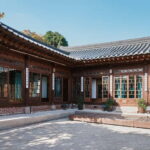
What you’re really buying here is atmosphere: traditional hanok buildings arranged in a way that helps you picture how neighborhoods in the Joseon era functioned. Even with a short time block, you’ll have space to walk around, look closely, and take photos with a more historical Seoul vibe.
Because this stop is shorter, it works best when you treat it as a wandering pause. Look for small architectural cues—door shapes, roof forms, and how the village layout supports a human-scale stroll.
N Seoul Tower: Skyline Views That Fit the Drama-Spot Role
Then you head to N Seoul Tower for about 1 hour, also listed as free. It’s atop Namsan Mountain and gives the classic panoramic viewpoint of Seoul.
If you’re into Korean drama-style visuals, this is where the tour makes sense: the tower’s framing is exactly the kind of city-over-city shot that people associate with modern Korean pop culture. More importantly, it’s a practical way to see Seoul’s size and shape in one glance instead of trying to piece that together from street level.
One planning note: since you’re going up a mountain area, wear shoes that feel stable on stairs. The itinerary already warns about moderate walking and stairs, and your tower stop will feel better if your feet aren’t fighting you.
Gwangjang Market: Street Food Finale at Seoul’s Oldest Market
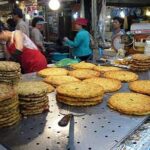
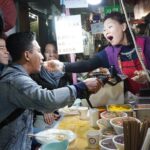
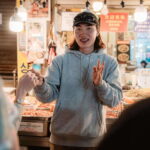
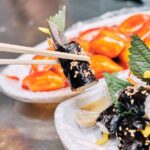
To close, you’ll hit Gwangjang Market, around 40 minutes, and it’s listed as free. This is Seoul street food at a historic address: the market traces back to 1905, and it’s known for its longtime reputation and busy food alleys.
This stop is more than eating, even though that’s the reason most people come. The food scene is also a cultural snapshot: you see how casual meals work here, how stalls are arranged, and how locals snack while moving through the market.
The tour is timed so the market works as a finish line. By then, you’ve already seen the palace and hanok area; food gives you a different kind of Seoul lesson.
If you’re vegetarian, you’re not left out—your lunch includes a vegetarian option, and you might find that the market has vegetarian-friendly choices. The tour data doesn’t guarantee specific stall items, though, so you’ll want to ask what’s meat-free when you order.
Lunch at a Local Restaurant: One Set Meal, Less Decision Fatigue
Lunch is included as a traditional Korean lunch at a local restaurant, and there’s a vegetarian option available. For a day with multiple major sites, this is a real win: you don’t have to hunt for food while your schedule moves.
What I like about including lunch is that it prevents the classic time sink. In Seoul, food options are plentiful, but it’s still a hassle to choose quickly, find the right place, and handle ordering when you’re already juggling multiple stops.
If you have dietary restrictions beyond vegetarian, the provided details only confirm vegetarian availability. You should be ready to communicate clearly when ordering at the restaurant.
Guide Quality and the Packed-Into-One-Day Approach
This is a day tour with a lot of stops, and it tends to work when your guide keeps things organized. The tour data points to a professional English-speaking guide, and the standout theme from the rating is the guides and the fact the day stays interesting even while it’s full.
There’s also an honest consideration: you should expect effort. The pace is described as moderate walking with comfortable shoes recommended, and the route includes palaces plus stair-heavy areas like the mountain side of Seoul.
If your travel style is slow and linger-heavy, you might find this too structured. If your style is: see the highlights, learn what you’re looking at, and then use your free time for deeper wandering later, this format fits nicely.
The Real Value: $79 for Transport, Entry, Lunch, and Interpretation
Let’s talk about what you’re actually getting for $79.
You’re not just buying tickets to a single museum. You get:
- Door-to-door hotel pickup and drop-off
- Transportation across multiple parts of Seoul
- A professional English-speaking guide
- A traditional Korean lunch with vegetarian option
- Admission fee coverage, including the palace entry time
Some stops list free admission (like Jogyesa and the Namsangol/N Seoul Tower/Gwangjang Market blocks), which makes the included fee structure feel less like a sticker shock. In practice, you’re paying for the guide’s interpretation and the logistics that connect these places into one smooth day.
One more clue: the tour is typically booked about 41 days in advance on average. That usually means it’s in demand, so booking earlier is wise if you have specific dates in mind.
Weather, Security, and the Two Big “Could Change” Items
Two things can shift your day, and it’s best to be mentally flexible before you go.
Ceremony cancellations in cold or rain
If the weather is -5°C or raining, the Royal Guard Changing Ceremony and traditional performance can be canceled. That doesn’t remove the palace; it changes the show element. Build your plan around the palace visit itself, not only the ceremony.
Blue House access
You might not be allowed to pass by the Presidential Blue House due to security. Since you’re told ahead of time it can happen, treat it as a bonus view from the route rather than a guaranteed photo opportunity.
Who This Tour Suits Best
This one is a strong match if you:
- Want a single day that hits major Seoul landmarks without stitching public transit together
- Like having a guide explain what you’re seeing at each stop
- Prefer an included lunch so you don’t lose time deciding
- Are comfortable with moderate walking and stairs
It’s less ideal if you:
- Want a totally relaxed, slow itinerary
- Have trouble with stairs or long walking segments
- Are fixated on seeing a specific ceremony every time, because weather can cancel it
Should You Book Signature Seoul?
If you want a well-paced highlights day that covers temples, royal palaces, traditional village streets, a top viewpoint, and street food, this tour is an easy yes. The included transport and guide reduce friction, and the $79 price makes sense when you factor in lunch and admission handling.
Book it sooner if your dates are firm, since it’s often snapped up about a month ahead. And pack for stairs: your feet will thank you, especially on the mountain-side segment near N Seoul Tower.
FAQ
What time does the tour start?
The start time is 9:10am.
How long is the tour?
It runs about 8 hours (approx.).
Is hotel pickup and drop-off included?
Yes. The tour includes door-to-door hotel pick up & drop off and transportation.
Does the tour include lunch, and is there a vegetarian option?
Lunch is included at a traditional Korean local restaurant, and there is a vegetarian option available.
What happens on Tuesdays to Gyeongbokgung and the folk museum?
On Tuesdays, Gyeongbokgung Palace and the National Folk Museum are replaced with Deoksu Palace.
Can you be prevented from seeing the Presidential Blue House?
Yes. You might not be allowed to pass by the Presidential Blue House due to security.
What if it is -5°C or raining?
If the weather is -5°C or raining, the Royal Guard Changing Ceremony and traditional performance will be canceled.