REVIEW · SEOUL
Downtown Seoul Guided Food & Market Tour with 8+ Local Tastings
Book on Viator →Operated by Secret Food Tours · Bookable on Viator
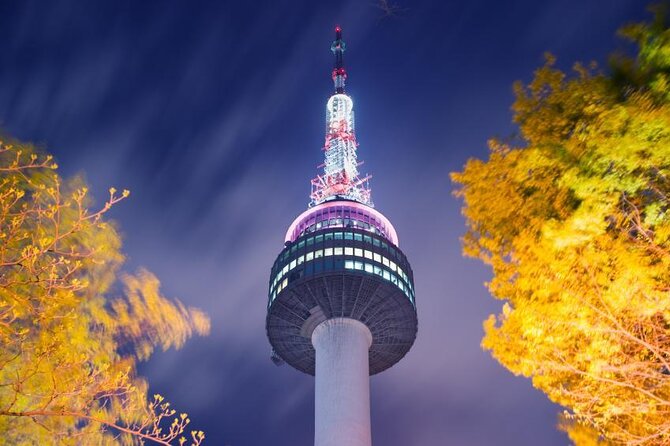
Seoul’s best snack routes aren’t on a straight line. This guided half-day walk mixes landmarks you’ll recognize (including royal palace area sights and the N Seoul Tower) with 8+ included local tastings across neighborhoods that locals actually use.
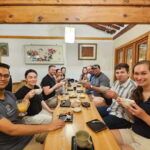
I especially like that the tour gives you food context, not just a check-the-box lineup. Each stop comes with clear explanations and practical choices, and the pacing stays friendly in a max 12-person group.
One thing to consider: the menu leans into a sweet-and-snack rhythm, so if you’re chasing lots of grilled meat or noodle-forward meals, you may find the variety less focused than other food tours.
In This Review
- Key Highlights You’ll Care About
- Getting Your Bearings in Seoul’s Food Neighborhoods
- Seoul Tower to Gyeongbokgung Palace: Sightlines That Make Food Stories Make Sense
- Namdaemun Market Time: Where the Tastings Feel Like Shopping (Not Just Eating)
- Bukchon Hanok Village and the Royal-Village Backdrop
- From Kimbap to Dumplings to Fish Soup: The Included Tastings You Should Expect
- Insa-dong’s Hidden Teahouse Finish: Sweet Bites, Rice Cake, and a Place to Slow Down
- Price and Value: What $98 Really Buys in Seoul
- Who This Seoul Food Tour Fits Best
- Should You Book This Downtown Seoul Guided Food and Market Tour?
- FAQ
- How long is the Downtown Seoul guided food and market tour?
- What does the tour cost, and what’s included for food?
- Where do I meet, and where does the tour end?
- Is this a small-group tour?
- Are hotel pickup and drop-off included?
- Can the tour accommodate dietary restrictions or vegetarian diets?
- What is the cancellation policy?
Key Highlights You’ll Care About
- A small-group format (10 people, max 12) that makes questions easy and the walk feel manageable
- Landmarks + food in the same route, so the city looks familiar while you eat
- 8+ included tastings plus lunch, with items like mandu, tteokbokki, kimbap, and mung bean pancake
- Namdaemun-area market time, where you can actually see how Korean street-food shopping works
- A tea-house finish in Insa-dong, which is a great “last taste” after the walking
- Guides who slow down for real explanations, including dish history and why the stalls matter
Getting Your Bearings in Seoul’s Food Neighborhoods
This tour is built for people who want to feel oriented fast. You start in Jongno-gu (meeting at 214 Jong-ro) and end in Insa-dong, a super handy location to continue exploring on your own after the tour.
The walk is designed around a half-day flow, about 3 hours. You won’t be stuck at one restaurant; you’ll keep moving through areas like royal-palace streets, traditional village lanes, and a major market zone near Namdaemun.
And because the group is small, you get something you usually don’t get with bigger tours: you can ask what to order elsewhere, how spicy things are, and what to try next time. That matters in Seoul, where the menu names can look similar but taste very different.
You can also read our reviews of more food & drink experiences in Seoul
Seoul Tower to Gyeongbokgung Palace: Sightlines That Make Food Stories Make Sense
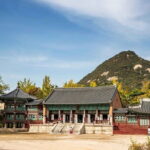
One reason I like this route is that it doesn’t treat food like an isolated hobby. You pass by big-name Seoul points, including N Seoul Tower on Namsan Mountain, and the main royal palace of the Joseon dynasty (built in 1395).
Seeing these places helps you understand why Korean food culture is so tied to daily life and seasons, not just trends. Royal courts shaped refined eating, while the surrounding neighborhoods shaped the everyday versions you’ll taste on the tour.
Next you head through the palace area, including the main gate of Gyeongbokgung Palace. Even if you’re not lingering for long photo stops, you’ll feel the shift from tourist concentration into the neighborhood structure that food markets depend on.
Namdaemun Market Time: Where the Tastings Feel Like Shopping (Not Just Eating)
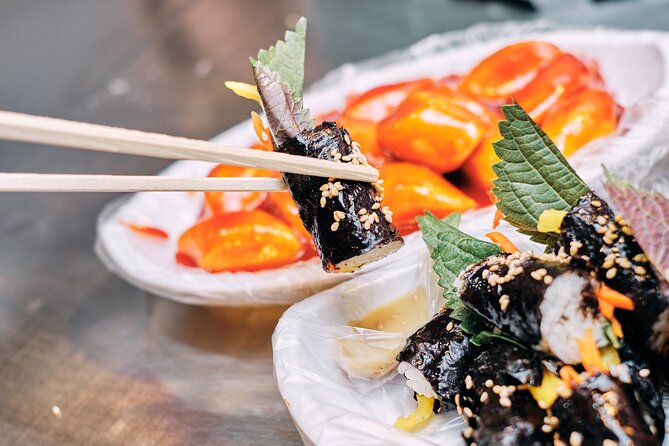
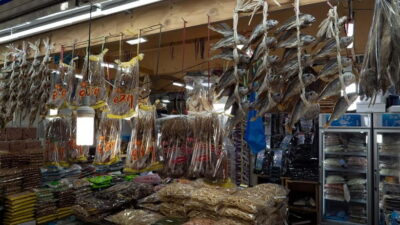
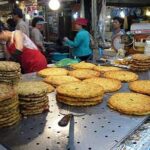
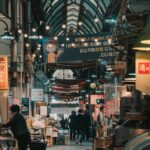
The tour’s most practical “this is how locals do it” moment is the market stop by Namdaemun, the Great South Gate area. This is one of Korea’s biggest traditional markets, and it’s the kind of place that can overwhelm you if you go alone.
With a guide, you get order and context. You’re not just hunting for random snacks. You’re guided to specific stalls and specific items, so you understand what you’re tasting and what it typically pairs with.
This is also where the included bites really start stacking up. You can expect things like:
- Nukdujan mung bean pancake with sweet onions
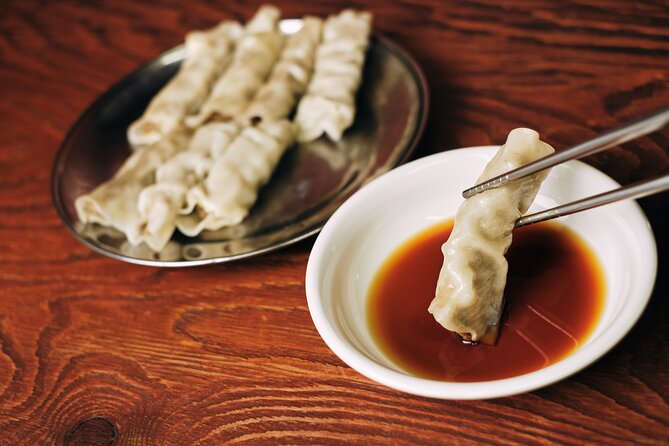
- Korean dumplings (mandu)
- Tteokbokki with a slightly spicy profile
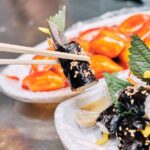
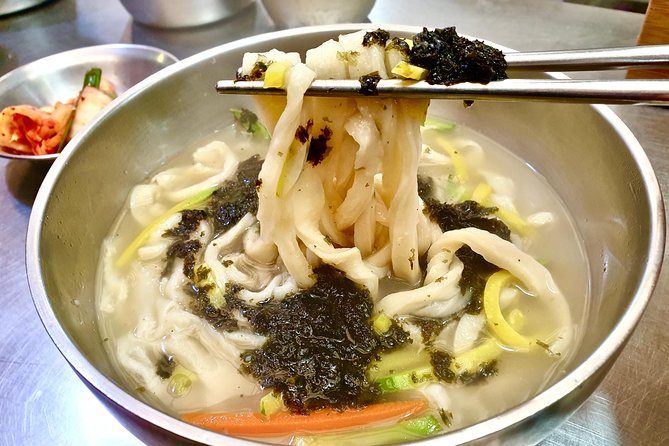
- Minced fish fillets, paired with a bit of fish soup
A simple tip: don’t overeat at your first market stop. The market is dense with temptation, and your stomach will thank you later when the tour moves on to dumplings, rice items, and fried-sweet bites.
Bukchon Hanok Village and the Royal-Village Backdrop
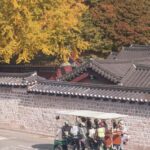
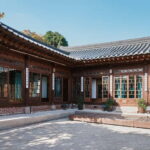
Another stop on the route is Bukchon Hanok Village, the traditional village area sitting on a hill between Gyeongbok Palace, Changdeok Palace, and Jongmyo Royal Shrine. This part can be hit-or-miss on tours when it’s treated like only a photo stop.
Here, the value is how it frames the day. You’re walking through streets with a strong sense of old Seoul, and then returning to the modern food energy nearby. That contrast makes the tastings feel less random.
You’ll also pass through the Gyeongbokgung area again through the gate zone (the tour specifically includes the main gate view). It’s a good reminder that Korea’s food habits sit inside geography: neighborhoods, access routes, and daily rhythms matter.
From Kimbap to Dumplings to Fish Soup: The Included Tastings You Should Expect
The tastings are a major reason to pick this tour, especially if you want variety without spending the whole day menu-hopping on your own. The tour includes an organized set of items, not just a single “choose one” snack.
Here’s what’s specifically listed as included:
- Nukdujan mung bean pancake paired with sweet onions
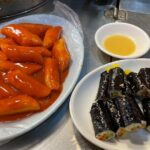
- Mandu (Korean dumplings) and tteokbokki (slightly spicy)
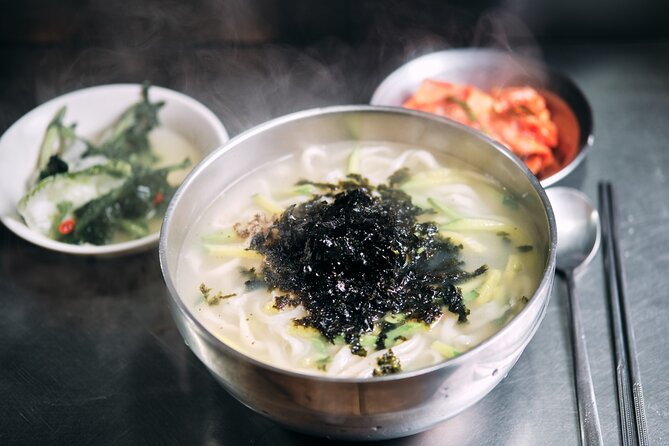
- Minced fish fillets, paired with a bit of fish soup
- Freshly prepared kimbap plus sweet & salty cream bread
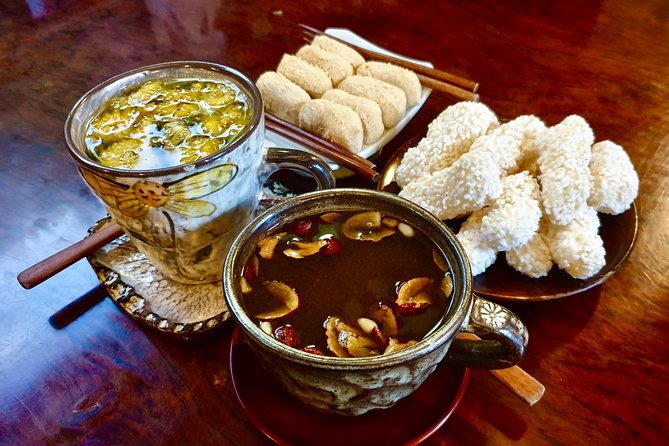
- Korean honey snack, including grilled rice cake with traditional tea
- Our delicious Secret Dish
In plain terms, you get a mix of textures and flavors. You’ll taste something savory and comforting (dumplings and kimbap), something bouncy and street-food-coded (tteokbokki), and something sweet that gives your palate a reset (mung bean pancake and the honey snack/rice cake).
The secret dish is also part of the fun. It’s a reminder that a good guide isn’t only ordering the obvious hits. They’re selecting foods that fit the route and the neighborhood logic.
You can also read our reviews of more tours and experiences in Seoul
Insa-dong’s Hidden Teahouse Finish: Sweet Bites, Rice Cake, and a Place to Slow Down
The tour ends in Insa-dong, at a hidden teahouse. It’s about 100 meters from Anguk Station (Line 3), which makes the finish feel practical. When your tour ends, you’re not stranded far from the subway—you’re placed right in a lively area you can extend later.
This ending matters because it changes the pace. After the market walking, your last course is designed to slow you down: traditional tea paired with the tour’s grilled rice cake and the Korean honey snack.
And because the tour includes cream bread and other sweet-leaning bites earlier, the tea-house finish feels like a final “palette clean.” It’s also a nice way to end if you’re traveling with mixed food preferences in your group, since tea-house snacks can be easier to share.
Price and Value: What $98 Really Buys in Seoul
At $98 per person for about 3 hours, this isn’t the cheapest way to eat in Seoul. But the value comes from three things the price is paying for:
1) A guide who selects the right stalls and items
Instead of you wandering and guessing, you get an organized plan of what to try. That’s especially valuable in markets like Namdaemun, where the volume is part of the challenge.
2) A true tasting count (8+ included items) plus lunch
You’re not paying to sit. You’re paying to eat through a planned set of bites, plus lunch is included per the tour description.
3) Small group comfort
With a max of 12 people, the tour stays flexible. You can ask questions, and the guide can keep the flow without herding everyone like cattle.
There’s also an upgrade option: you can go private for just you and your group, which can change the value if you’re traveling as a small party and want less waiting time.
If you’re the type who hates wasting time hunting menus, this price can feel fair. If you mainly want one big signature meal (like long barbecue or a single noodle crawl), you might prefer another style of food tour.
Who This Seoul Food Tour Fits Best
This tour is ideal if:
- You’re first-time in Seoul and want food + city orientation without overplanning
- You like a variety approach (savory, spicy, rice items, and sweets)
- You want market access with less confusion and more guidance
- You prefer a short, focused experience over a full-day itinerary
It may be less ideal if you’re traveling with strict dietary needs. The tour notes that many gastronomy experiences can’t accommodate certain restrictions, and you’re advised to contact prior to booking.
Also, based on the included items, go in expecting some sweet bites. You can still eat well if you’re not a sweet person, but the day won’t be purely savory.
Should You Book This Downtown Seoul Guided Food and Market Tour?
Book it if you want a guided “eat like you know where you are” introduction to Seoul. The route makes sense: palace-area sightlines up front, a major market stop where your guide does the hard work, and an Insa-dong tea-house ending that keeps the whole day from feeling rushed.
Skip it or consider a different food tour if your top priority is a heavier focus on meat-and-grill meals or a very specific dietary style. Also, if sweet snacks don’t excite you, you may feel the balance isn’t what you want.
If you’re hungry, comfortable walking, and you want food stories tied to neighborhoods, this is a strong choice.
FAQ
How long is the Downtown Seoul guided food and market tour?
It lasts about 3 hours.
What does the tour cost, and what’s included for food?
The price is $98.00 per person. Lunch is included, and the tastings list includes items like mung bean pancake, mandu, tteokbokki (slightly spicy), kimbap, sweet & salty cream bread, Korean honey snack with grilled rice cake and traditional tea, plus a secret dish.
Where do I meet, and where does the tour end?
Meet at 214 Jong-ro, Jongno District, Seoul. The tour ends in Insa-dong at a hidden teahouse, about 100 meters from Anguk Station (Line 3).
Is this a small-group tour?
Yes. It is set up for a maximum of 12 travelers and is described as a small-group experience.
Are hotel pickup and drop-off included?
No. Hotel pick-up/drop-off is not included.
Can the tour accommodate dietary restrictions or vegetarian diets?
The tour notes that many food experiences may be unable to accommodate certain dietary restrictions, and you should contact prior to booking. Vegetarian options have been mentioned as available for at least some groups, but restrictions can vary.
What is the cancellation policy?
You can cancel for free up to 24 hours in advance for a full refund. If you cancel less than 24 hours before the start time, the amount paid is not refunded.