REVIEW · SEOUL
Bukhansan mountain hiking tour – 6 hours
Book on GetYourGuide →Operated by Paul Koo · Bookable on GetYourGuide
Seoul has a real mountain hike. Bukhansan sits right inside the city, and this 6-hour guided route turns that fact into a morning (and a view) you’ll remember. I like how the trail keeps changing—granite rock formations, sharp ridgelines, and big photo moments—without feeling like you’re lost in the wilderness.
The best part is the human touch: an English live guide (Paul Koo) sets the pace and keeps you moving through steeper sections. You also get the cultural layer, with the mountain explained through geography, history, and spirituality—not just the usual walk-and-take-pictures. One thing to plan for: this is middle-high difficulty, including a couple of steep stretches, and you’re responsible for bringing water and snacks since food and drinks aren’t included.
In This Review
- Key things that make this Bukhansan hike worth your time
- Why Bukhansan feels special even before you start hiking
- Getting to the trailhead: Gwanghwamun Square as your anchor point
- The 6-hour flow: what happens on the mountain, stop by stop
- From Gugi National Park office toward Deanammun Gate
- Break time around Deanammun
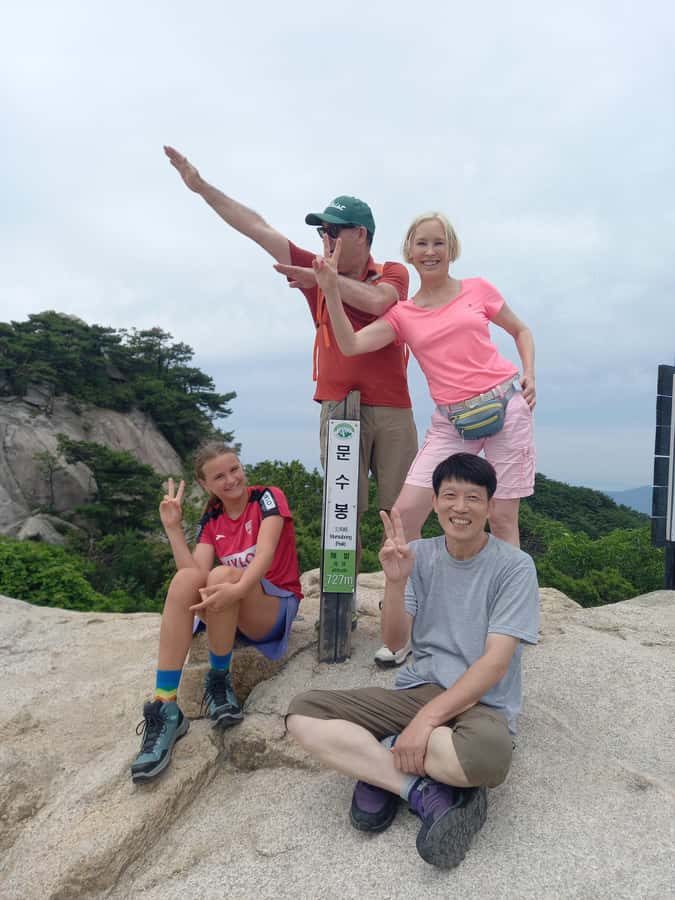
- Munsubong Peak: the first big photo moment
- Tongcheonmun Rock and Seunggabong Peak
- Bibong Peak, Samo Rock, and another photo window
- North 5 Provincial Office: closing the circuit
- How hard is it really? (Steep parts, then mostly ridge walking)
- Seoul views and the rock-formation route you’ll actually remember
- Culture on a hike: temples, monks, and why mountains mattered
- Post-hike comfort: café time and Toingin Market near Gwanghwamun
- Price and value: $305 per group (up to 2) for a guided mountain day
- Who should book this Bukhansan hiking tour—and who might rethink it
- Should you book it?
- FAQ
- How long is the Bukhansan mountain hiking tour?
- Where do we meet for the tour?
- Is the tour guided in English?
- What hiking difficulty level should I expect?
- What peaks or rock stops are included on the route?
- Is transportation included in the price?
- What should I bring for the hike?
- Is this a private group tour?
- What is the cancellation policy?
Key things that make this Bukhansan hike worth your time
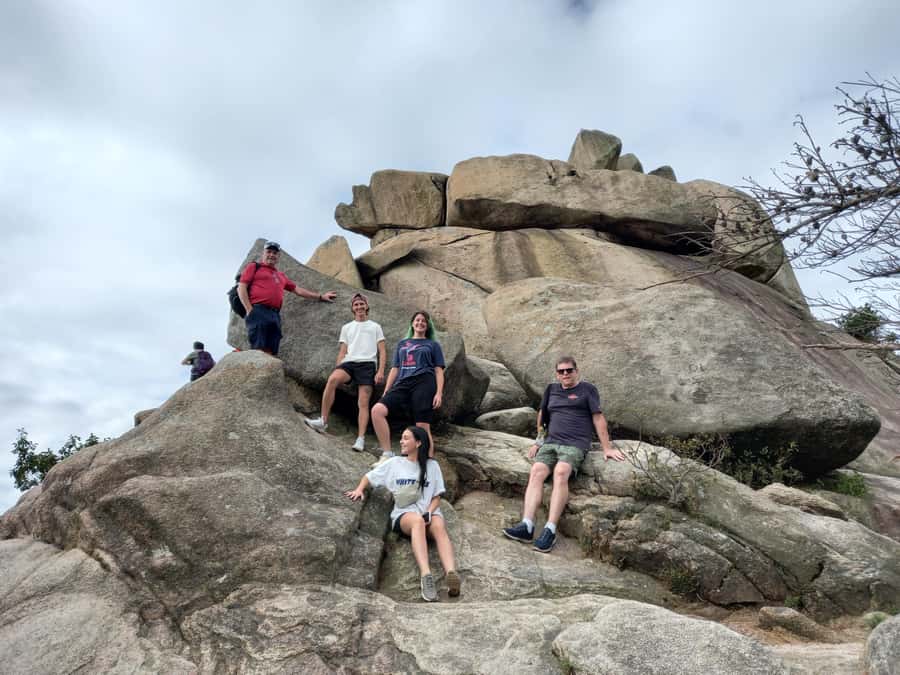
- Bukhansan is in downtown Seoul (an 836.5 m peak) so you trade travel time for real views
- A guided route with set peaks like Munsubong Peak, Tongcheonmun Rock, Seunggabong Peak, Bibong Peak, and more
- A steep-but-manageable effort: two uphill pushes, then lots of ridge walking
- Clear-sky reward: Seoul’s skyline shows up from the tops on the right day
- English guidance from Paul Koo with time management and patient support for slower hikers
Why Bukhansan feels special even before you start hiking
Bukhansan Mountain is one of Seoul’s three iconic nature landmarks, along with the Han River and Namsan Mountain. Here’s why that matters: you get the “mountain day” feeling without having to dedicate a whole travel day away from the center. The peak you’re working toward is 836.5 meters (2,744 feet), and the park has been protected since April 2, 1983.
What makes Bukhansan stand out isn’t just altitude. It’s the granite rock formations—oddly formed rocks and strangely shaped stones—that shape the route from peak to peak. Even if you’re not a geology nerd (I’m not), you’ll start noticing how the trail seems to “aim” you toward these sculpted outcrops.
You can also read our reviews of more hiking tours in Seoul
Getting to the trailhead: Gwanghwamun Square as your anchor point
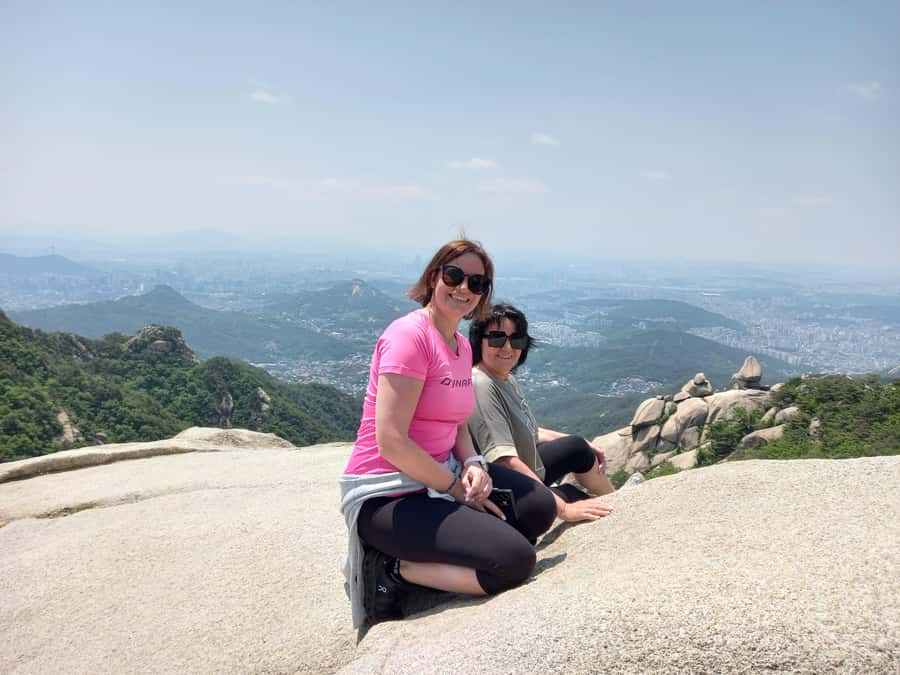
Most of your day begins in a very practical spot: Gwanghwamun Square, meeting at the King Sejong statue around 09:30. That’s useful because Gwanghwamun is central and easy to orient from, and it also sets expectations for timing. After you meet, you take a bus/coach for about 30 minutes toward the mountain area.
One detail to keep in mind: transportation for moving is listed as not included. The schedule uses bus/coach segments, but you should plan on paying your own transit costs for those parts of the day. The good news is that the route still feels orderly—this isn’t a “figure it out” kind of hike.
If you want convenience, you can adjust the meeting place and time after booking, and the guide can meet you at your hotel. That flexibility helps if you’re coming from elsewhere in the city and don’t want to arrive early just to hunt down a meeting point.
The 6-hour flow: what happens on the mountain, stop by stop
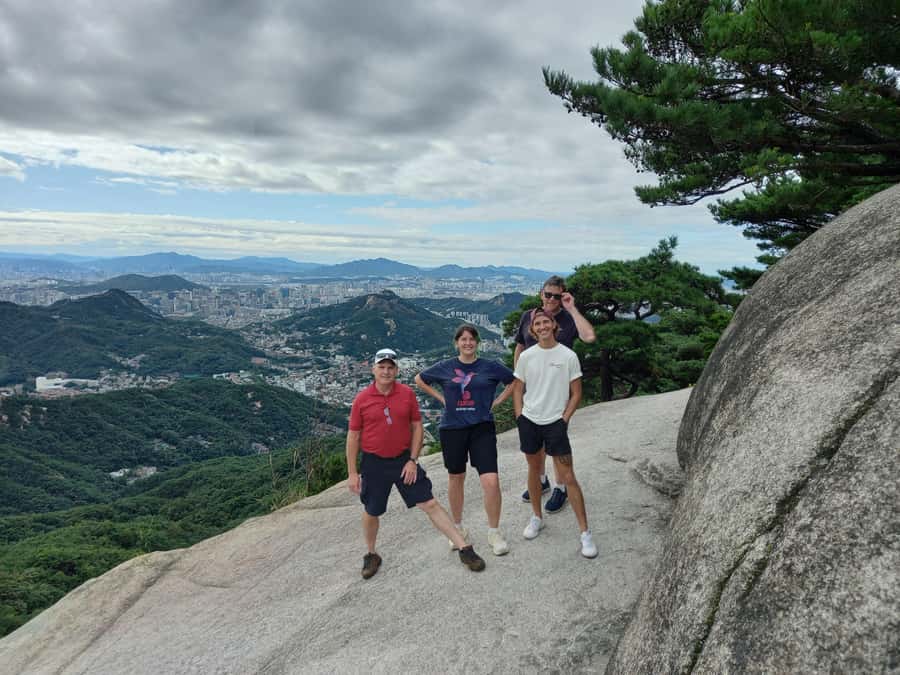
This hike runs about 5 hours on the trail, wrapped by roughly 1 hour of bus/coach time and buffer moments. The route is guided end-to-end, which matters because Bukhansan has multiple branches and scenic detours. Having someone keep you on the right path is a big quality-of-life boost.
Here’s how the day breaks down in a way that helps you anticipate effort and photo chances:
From Gugi National Park office toward Deanammun Gate
You start at the Gugi National Park office, then head from there to Deanammun Gate. This stretch is part of the “get your legs working” phase, and it sets up the day’s rhythm. Plan for steady walking and the first incline work.
Break time around Deanammun
Between late morning stops, you get a break and snack window (about 11:40–12:00). This is exactly the kind of pause that makes a steep hike feel doable instead of grumpy. If you bring energy bars or fruit, this is a good time to use them.



Munsubong Peak: the first big photo moment
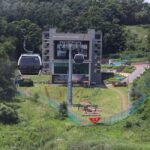
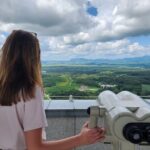
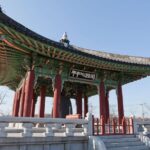
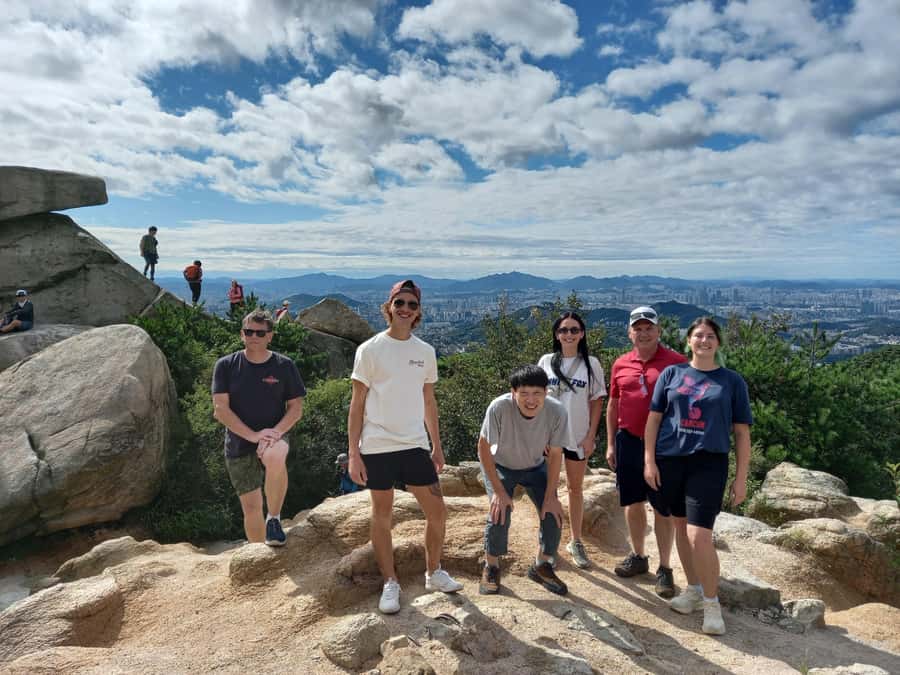
Next up is Munsubong Peak, with a dedicated photo time (roughly 12:00–12:20). This is where clear views can really pay off, especially because Bukhansan is known for showing Seoul from the top when the sky cooperates. Even if visibility is only decent, you’ll still get the sense that the mountain dominates the view.
Tongcheonmun Rock and Seunggabong Peak
Then comes the section through Tongcheonmun Rock and Seunggabong Peak (about 12:20–12:50). This segment tends to feel rewarding because it mixes “look up at the rock” moments with ridge travel. If you like photographing textures and shapes rather than just wide skyline shots, this is your stretch.
Bibong Peak, Samo Rock, and another photo window
After that, you reach Bibong Peak and Samo Rock, again with photo time (about 12:50–13:20). This is part of the granite-formation story: the route is designed so the rock “characters” show up in a sequence, not random scatter.
You’ll also walk along Bibong ridge briefly (about 13:20–13:30), which helps shift you from peak-hunting into the descent-and-winding-down part of the hike.
North 5 Provincial Office: closing the circuit
Finally, you finish the main hiking loop around the North 5 Provincial Office area (roughly 13:30–14:40), then head back by bus to Gwanghwamun Square (around 14:40–15:30). This timing matters: you’ll end the day with momentum rather than feeling like you’re stuck in transfer limbo.
How hard is it really? (Steep parts, then mostly ridge walking)
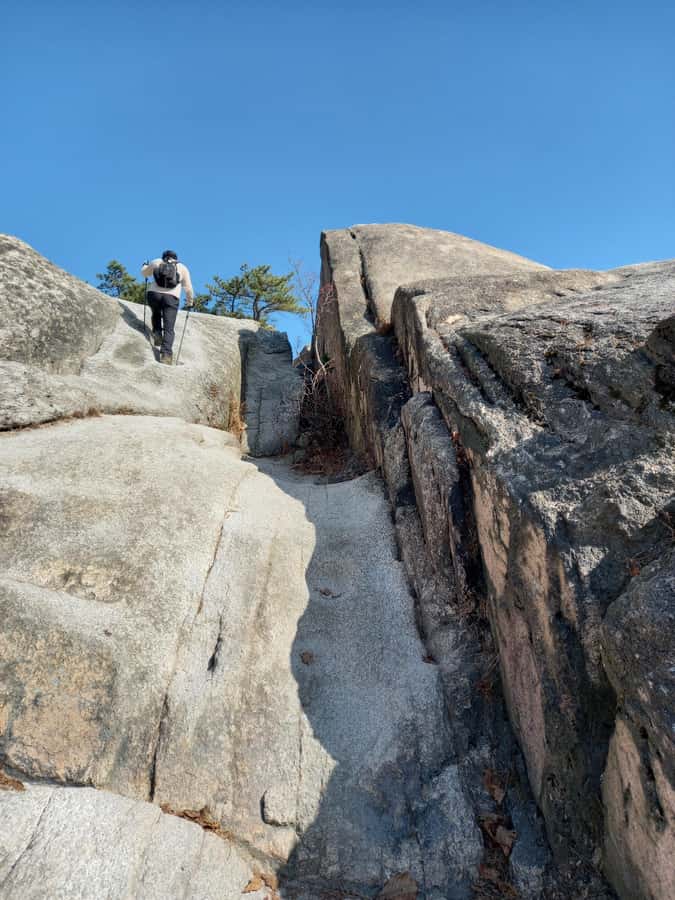
This tour is described as middle-high difficulty, and you should take that seriously. There are two key uphill efforts:
- An initial steep incline for about 50 minutes
- Another pretty steep incline for about 20 minutes on the way to Munsubong
After that, the tone changes. Most of the route is almost flat mountain ridge trail, which is easier on your legs and gives you time to look around. That ridge walking is also where a good guide earns their keep—keeping you from pushing too hard early, but also not letting you burn daylight too slowly.
The descent is also part of the day’s “feel.” Your way down includes a valley with water flowing even in the drought, which is a rare kind of relief when you’re hiking near a major city. You’ll also notice sound cues—water where you might expect dry ground—because the hike isn’t only visual.
If you’re with a group that includes non-hikers, this route can still work. The key is pacing and support during the steep segments. The guide’s approach is known for being patient and practical, especially when someone needs extra help on the harder parts.
Seoul views and the rock-formation route you’ll actually remember
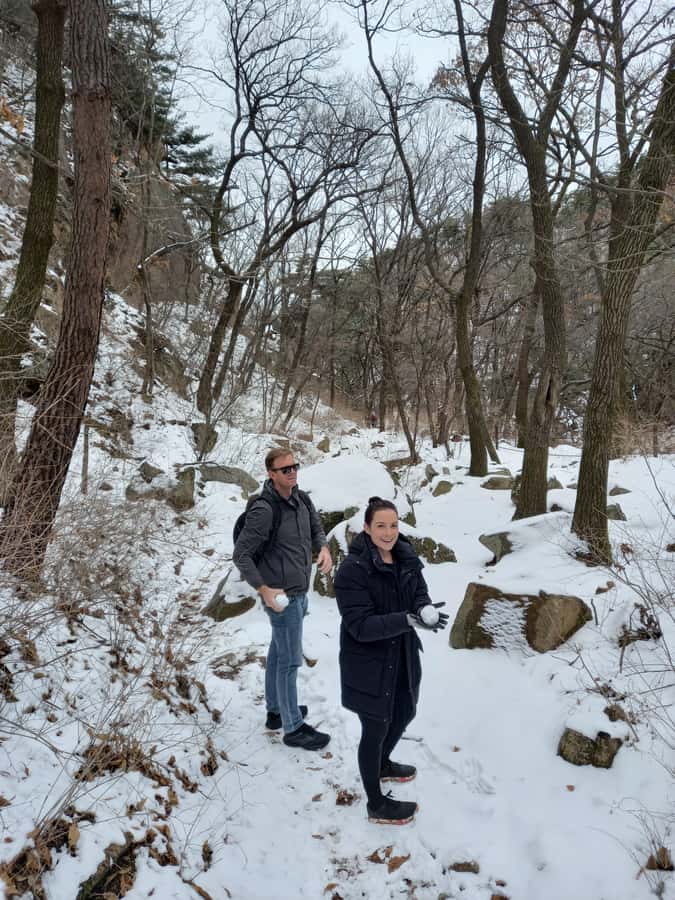
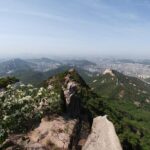
Bukhansan is famous for the way granite has shaped the mountain into sculptural forms. On this specific route, you’ll pass through a string of notable points: Bibong, Samobawi Rock, Seunggabong Peak, Tongcheonmun Rock, and eventually Munsubong Peak.
I love how that creates a “storyline” for the hike. You’re not just walking from A to B. You’re moving through a sequence of shapes, viewpoints, and natural markers that feel connected.
Then there’s the city payoff. The top views are especially good on clear-sky days, when Seoul’s downtown can show up from the peaks. Even if the day is hazy, the ridges and rock walls still give you that “I’m on a mountain inside the city” sensation.
And don’t underestimate the sensory side. That flowing-water valley on the way down is listed as refreshing to the eyes and ears. In practice, it turns the final stretch from just fatigue management into a moment where your brain goes quiet.
Culture on a hike: temples, monks, and why mountains mattered
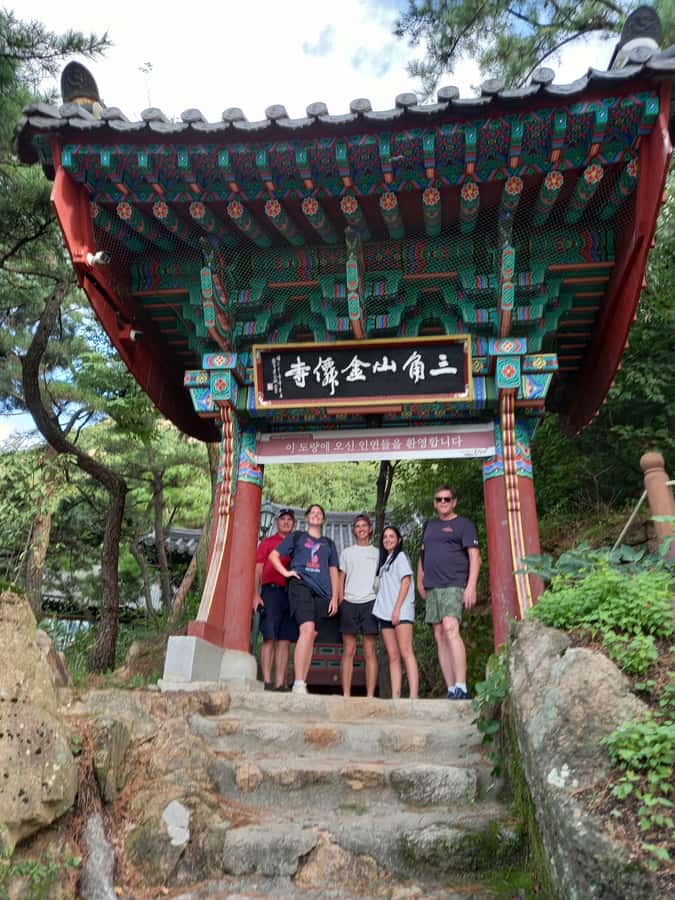
Bukhansan isn’t only a physical workout. It’s also a cultural place tied to Korean history and tradition. During the hike, your guide shares geographical, historical, and spiritual features of the mountain.
One important idea you’ll hear is that mountains were more than scenery for Koreans. They were objects of worship—something to respect and relate to, not just climb for exercise. That framing changes how you look at the route. Instead of treating the mountain like a backdrop, you start seeing it like a living landmark with meaning.
There’s also a practical connection to Buddhist life. The mountain area includes 10 Buddhist temples, and temple stays are part of what those temples support. The tour itself isn’t a temple-stay program, but the context is there, so you finish your hike with better “why this matters” understanding.
Post-hike comfort: café time and Toingin Market near Gwanghwamun
When you’re back near Gwanghwamun, you’ve got an easy next move. The plan suggests relaxing afterward with a cafe break and traditional food at Toingin Market in Seochon of Hyojadong, close to Gwanghwamun Square.
This is where the day becomes complete. The hike gives you the outdoors and the rock shapes; the market area gives you the food-and-recovery part without needing a separate long plan. If you’re traveling with someone who doesn’t love long hiking days, this post-hike option helps keep the energy upbeat.
Price and value: $305 per group (up to 2) for a guided mountain day
The price is $305 per group up to 2, for a 6-hour experience. That’s not cheap in the abstract, but the value logic is pretty clear once you look at what’s included.
What’s included:
- Guide fee for 6 hours, with guide information
- The hiking trail route
What’s not included:
- Transportation for moving
- Food and beverage
- Insurance
For a private group of two, you’re paying for English guidance plus a planned route with built-in timing (including photo windows and a snack/break moment). If you’ve ever tried to do a major Seoul mountain hike on your own, you know the hidden cost is confusion: choosing the wrong trail, wasting time backtracking, and arriving exhausted because you didn’t pace well.
This is why that guide presence matters. It’s not only about interpretation. It’s about timing, pacing, and keeping you on the correct track for the best peaks and rock-formation sequence.
Who should book this Bukhansan hiking tour—and who might rethink it
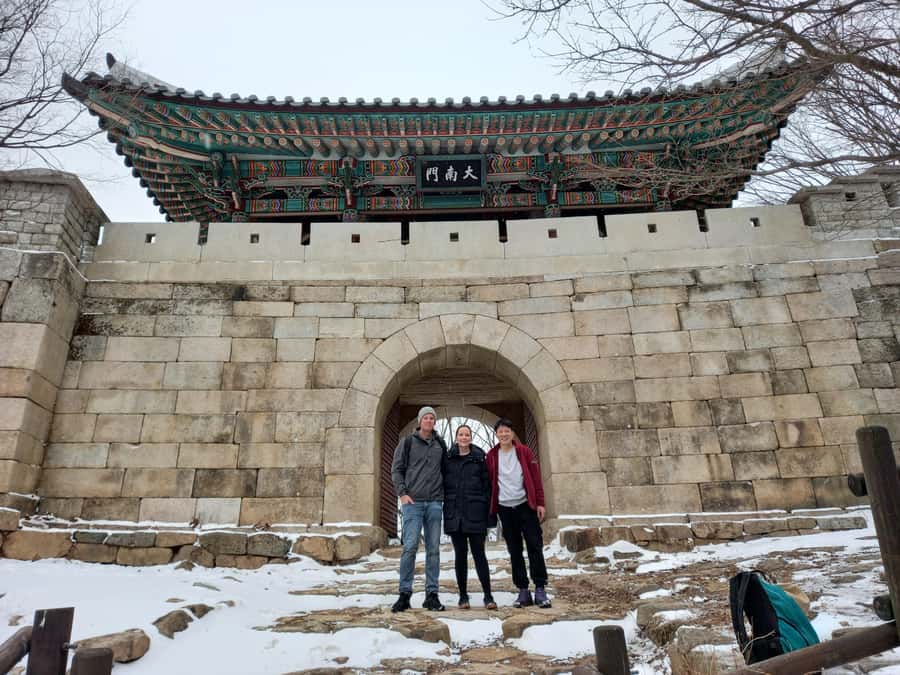
This tour fits best if you want:
- A downtown-access mountain hike
- A route with specific viewpoints (Munsubong, Bibong, and more)
- English guidance and cultural context
- A hike that’s doable for casual walkers, as long as you respect the steep sections
It might not feel like the right choice if you’re looking for an easy, mostly flat stroll. The initial 50-minute steep incline and the additional 20-minute steep climb are real. If that kind of effort sounds like a dealbreaker, you’ll likely feel stressed instead of satisfied.
On the other hand, the guide’s style is built for mixed fitness levels. If your group includes someone who moves slower, you can still make the day work—just expect to go at a steady, guided pace.
Should you book it?
I think this is a smart booking if your goal is a real mountain experience without leaving Seoul behind. Bukhansan’s rock formations, the clear-sky skyline possibility, and the guided pacing add up to a day that feels purposeful, not random.
Book it if:
- You want an English-led hike with a clear route and photo timing
- You’re okay with middle-high difficulty and bringing your own snacks and water
- You like the idea of combining views with history and temple context
Consider skipping or adjusting expectations if steep climbs make you nervous. This is a mountain hike, not a casual city walk—so show up with the right mindset, shoes, and supplies.
FAQ
How long is the Bukhansan mountain hiking tour?
The tour duration is 6 hours, with about 5 hours spent hiking on the mountain.
Where do we meet for the tour?
The meeting point is Gwanghwamun Square at the King Sejong statue around 09:30. Your meeting place and time can be adjusted after booking, and the guide can meet you at your hotel.
Is the tour guided in English?
Yes. The tour includes a live guide in English.
What hiking difficulty level should I expect?
The hike is described as middle-high difficulty, including a steep incline at the beginning (about 50 minutes) and another steep incline on the way to Munsubong (about 20 minutes). The rest includes mostly ridge walking that is almost flat.
What peaks or rock stops are included on the route?
The route includes stops around Gugi National Park office and Deanammun Gate, plus photo time at Munsubong Peak, Tongcheonmun Rock and Seunggabong Peak, Bibong Peak and Samo Rock, Bibong ridge, and North 5 Provincial Office.
Is transportation included in the price?
No. Transportation for moving is not included. The schedule uses bus/coach time between the city and the mountain areas.
What should I bring for the hike?
Food and beverage are not included, so you’re requested to bring snacks such as energy bars, bananas, simple food, and water.
Is this a private group tour?
Yes. This activity is a private group with a group size of up to 2.
What is the cancellation policy?
You can cancel up to 24 hours in advance for a full refund.