REVIEW · SEOUL
Private Hiking tour to Bukhansan Peak(Baegundae: 836.5m) with Mountain Expert
Book on Viator →Operated by Outdoors Korea · Bookable on Viator
A mountain peak is surprisingly close to Seoul. This private hike takes you into Bukhansan National Park with a guide who adjusts the route to your fitness, so the day feels doable even if the trail is steep. I especially like the door-to-door pickup and drop-off and the way the climb comes with real, on-the-ground coaching from an expert. The main thing to watch is that this is still a proper trek, and winter or bad weather can make footing tricky.
You’ll also get a steady rhythm built around safety: breaks, encouragement, and tips as you go. In the reviews, guides like Mr. Kim, Jimmy, and Chance Kim were praised for matching pace and keeping hikers confident on rocky granite. The drawback is simple: if you want a gentle walk, this mountain isn’t that kind of day—comfort in the shoes matters.
In This Review
- Key things that make this hike worth your time
- Baegundae from Seoul: a national-park feeling without long travel
- Your mountain expert guide: how the pace gets matched to you
- What the trail feels like: granite steps, steep climbs, and real mountain textures
- The climb payoff: summit views, temple moments, and seasonal surprises
- Stop at Bukhansan National Park: what to expect once you’re there
- Door-to-door pickup and the logistics that make the day easy
- Timing and effort: how to plan a full day without burning out
- What to wear and bring: shoes win, layers matter
- Lunch on the mountain: fuel that tastes better after work
- The value question: is $168 per person worth it?
- Who this hike is best for (and who should choose another plan)
- Season tips: choosing the right month for your kind of memories
- Should you book this private Baegundae hike?
- FAQ
- How long is the private hike to Bukhansan Peak?
- Is hotel pickup and drop-off included?
- Is this tour really private, or will I join other hikers?
- What fitness level do I need?
- What should I wear for the hike?
- Is there any guidance for winter or slippery conditions?
- Are children allowed on this tour?
- Do I need a car, or is it near public transportation?
- What happens if the weather is bad?
Key things that make this hike worth your time
- Private, not mixed with other groups: you hike with only your party, so your pace controls the day
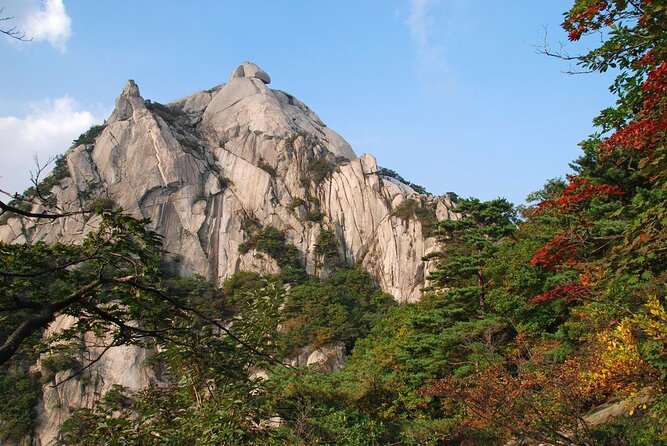
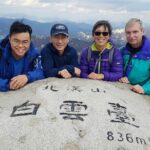
- Baegundae Peak is the goal: the route aims for the summit feeling near 836.5m
- Route tailoring for your fitness: the guide can steer you toward a climb you can handle
- Granite paths with help near the top: expect steep sections that may use cables/handholds
- Seasonal payoff right from Seoul: spring flowers, summer greenery, autumn color, winter snow can all happen
Baegundae from Seoul: a national-park feeling without long travel
One of the smartest parts of this experience is the concept itself. You can go from city streets to mountain trail in a matter of hours, without spending your whole day commuting. That’s a big deal in Seoul, where time is tight and getting “out there” can otherwise eat up the afternoon.
The day is built around Bukhansan National Park and the hike to Baegundae Peak (836.5m), the kind of goal that gives you a real sense of completion. It’s not about ticking a box; it’s about earning the views at the end of a steep, rocky climb.
And the seasonality is genuine. Korea’s weather cycles quickly, so you might be walking under fresh spring green, through summer forest, past autumn leaves, or in winter snow that makes the whole experience feel different.
You can also read our reviews of more private tours in Seoul
Your mountain expert guide: how the pace gets matched to you
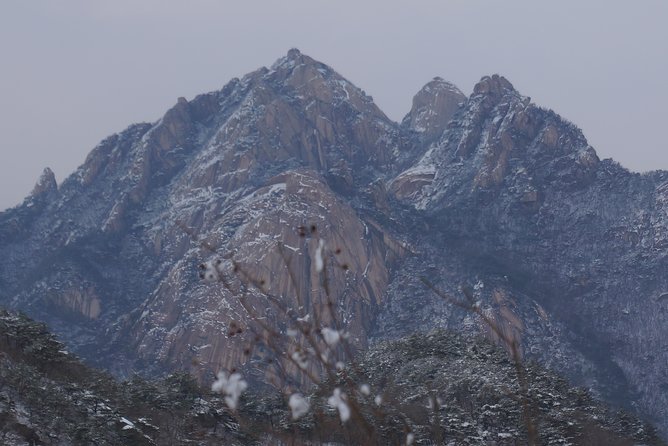
This is a private tour, and the biggest practical benefit is that your guide can treat the hike like a plan for your body, not a one-size-fits-all route. You’re not negotiating with strangers about speed, stopping times, or when someone needs water.
The guide’s role is more than pointing uphill. You’ll get hiking tips and encouragement along the way, plus guidance when the terrain tightens up. In reviews, guides including Mr. Kim, Jimmy, Chance Kim, Andy, and Kevin Lee were repeatedly noted for being patient with different abilities and for keeping safety in front of everything.
Here’s what you’ll notice quickly: the steep parts feel less scary when someone is watching your footing and timing your breaks. One hiker described steep, rockier ground that felt better once they slowed down and followed the guide’s pace. That’s the sweet spot you want—steady effort, not panic.
What the trail feels like: granite steps, steep climbs, and real mountain textures
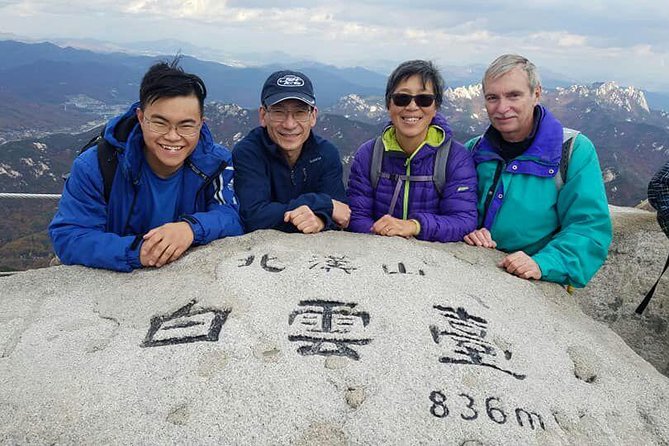
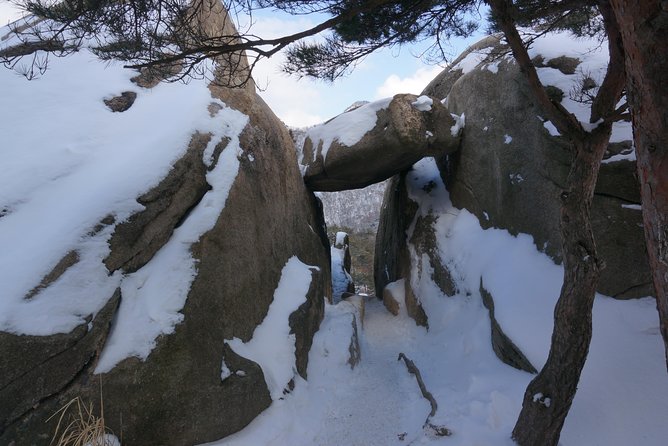
Bukhansan is not a paved stroll. The hiking paths are described as granite, which usually means lots of traction variation—smooth rock in some spots, rough and uneven in others. You should expect a hike that gets your legs working and your breathing elevated.
Near the top, some routes can require hand-holds and cables for safety. That’s not there to make things dramatic; it’s there because the angle gets steep. If you’re thinking about doing this as a beginner, the “private and custom” part matters: you can often choose a route with your guide that still feels challenging without being reckless.
Also, the trail can be uneven the whole way. Multiple reviews mention rockier-than-expected conditions and emphasize going slow. Your best strategy is to treat the hike like intervals: short uphill efforts, then a break when the guide calls it.
The climb payoff: summit views, temple moments, and seasonal surprises
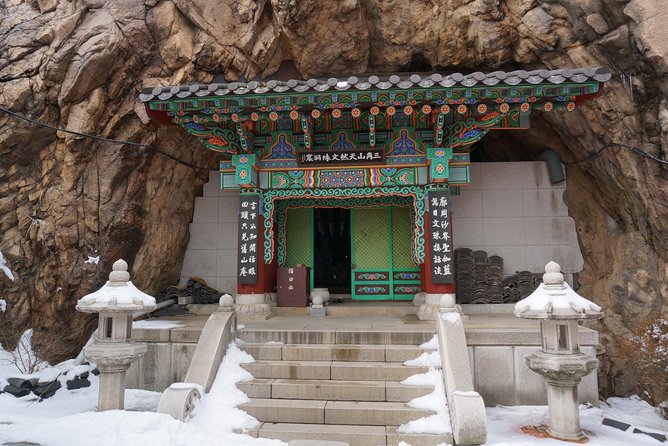
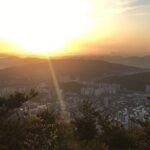
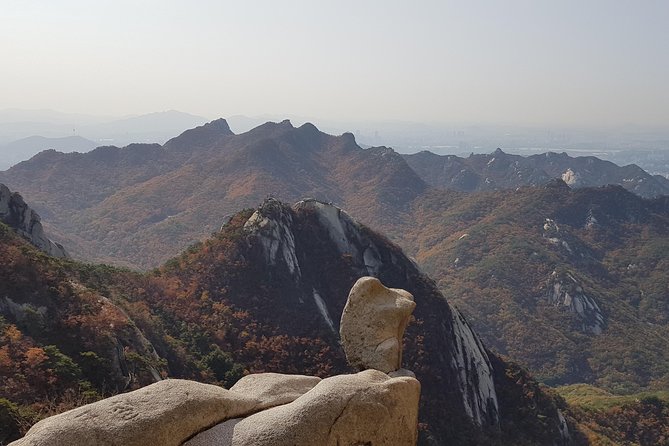
At the top, the payoff is both visual and emotional. Reaching Baegundae (or the closest safe high point, depending on conditions) tends to feel like a real summit moment because the climb is close enough to Seoul that you start the day feeling urban and end it feeling properly outdoors.
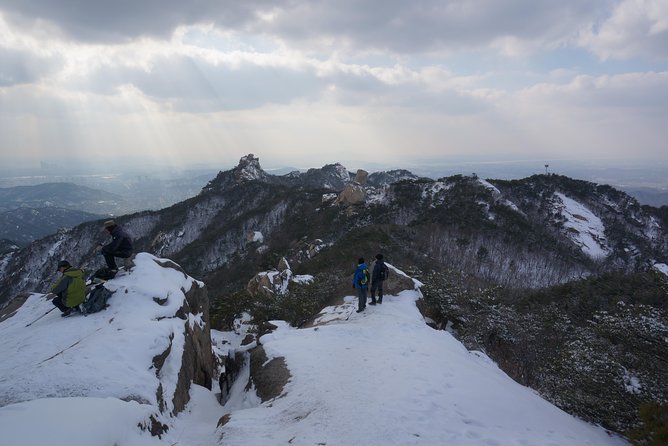
Season changes what you see, but it also changes what the hike feels like. A winter snow hike can turn slippery rock into a slower, careful scramble where the cold becomes part of the story. One review specifically praised the magic of snow on the way down, turning the descent into something memorable—not just “survive and go home.”
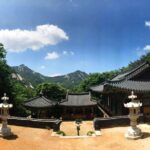
A few guides also weave in cultural stops when the route allows it. You might find a Buddhist temple visit partway through the hike depending on the chosen path. That kind of stop breaks up the physical grind and gives you context for what you’re walking through, not just where you ended.
Stop at Bukhansan National Park: what to expect once you’re there
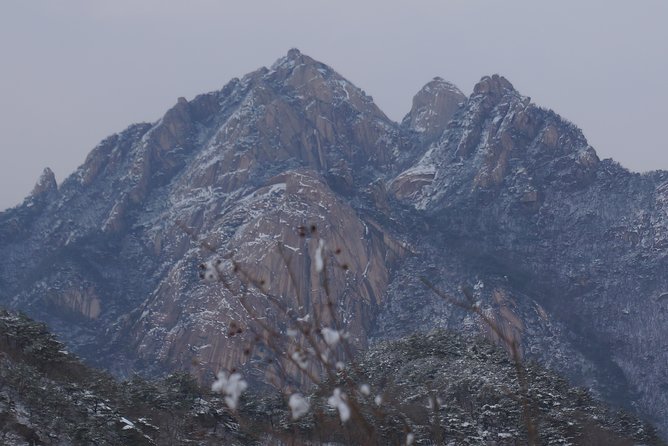
When the day starts, you’ll be moving from pickup into the park access area and then onto the trail. The schedule is built around one main experience—hiking in Bukhansan National Park—so you’re not bouncing between random photo spots.
What I like about this setup is focus. You’re not spending your energy waiting for group logistics or switching to a second activity. Once you’re on the trail, you settle into the rhythm: climb, break, learn a bit from your guide, climb again.
One thing to keep expectations realistic: weather matters in the mountains. The experience is described as requiring good weather, and if conditions aren’t right, you might be offered another date or a full refund. On rougher days, your guide may adjust how far you go while keeping the hike safe.
You can also read our reviews of more hiking tours in Seoul

Door-to-door pickup and the logistics that make the day easy
This is one of those tours where the logistics quietly improve everything. Pickup and drop-off are included, and being collected from your hotel removes the hardest part of mountain days: getting yourself to the trailhead without stress.
In reviews, people praised guides who met them promptly, sometimes stopping for a quick snack or coffee first. That matters because hiking on an empty stomach is a fast way to turn a good plan into a cranky climb.
The tour is also described as being near public transportation, which is helpful if you’re staying somewhere flexible or you want backup options. Even with pickup, it’s nice to know you’re not trapped if plans shift.
Timing and effort: how to plan a full day without burning out
The total time is listed as about 7 hours. That’s long enough to count as a full hiking day, but it’s still short enough that you’re back in Seoul without losing the entire rest of your evening.
Your pacing will likely determine how much of that time feels like “hard work.” If you go steady and use breaks well, it can feel like a rewarding challenge. If you try to rush steep sections, you’ll fatigue earlier and the last third can feel harder than it needs to.
A good trick is to plan your day around the hike. Don’t schedule an intense dinner reservation right afterward. Instead, treat it like exercise: hydrate, cool down, and let your legs decompress.
What to wear and bring: shoes win, layers matter
Comfortable clothing and walking shoes are recommended for a reason. Granite trails can be unforgiving on improper footwear, and the steep angle punishes weak ankle support. If you only bring sneakers with soft soles, you’ll feel it by the time you hit the rocky upper sections.
In winter, footing can get seriously slippery. One review called crampons a must on a snowy day, and mentioned that the guide had a spare crampon available when someone didn’t bring their own. That tells you the important point: be prepared, but also know your guide may help if you’re missing something.
For any season, I’d pack basic hiking comfort:
- water (and drink it often, not only at stops)
- a small snack or supplement if you’re sensitive to hunger
- layers you can remove when climbing and add when you pause
Also, expect uneven ground. Even when you’re moving at your pace, your body needs to focus on foot placement.
Lunch on the mountain: fuel that tastes better after work
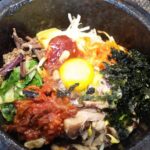
Hiking guides often handle water and break timing, but the lunch part can be the real morale boost. In reviews, lunch after the hike was praised as great, sometimes described as eaten in an open-rock setting while enjoying views.
That’s a practical detail with a big effect: it prevents “hangry descent,” and it gives you a proper cooldown moment. If your guide also brings snacks along the way, that helps you keep energy steady for the steep sections.
I like this approach because it turns the top into something more than a quick photo stop. You sit, recover, and let the day land.
The value question: is $168 per person worth it?
$168 per person isn’t cheap, especially if you’re traveling alone. But value depends on what you’re buying.
You’re paying for:
- a private experience (no mixing, no speed conflicts)
- expert guide guidance on steep granite terrain
- pickup and drop-off, which saves time and stress
- route customization based on your fitness and preferences
In other words, this isn’t just transportation to a trailhead. It’s a guided “problem-solving” day: choosing a manageable route, handling safety on rocky sections, and keeping you moving at the right tempo.
If you’re two people who can share the cost, the price feels easier to justify because you get full privacy and a tailored plan without crowd compromise. If you’re solo, it’s still often worth it if you want the safety margin and someone to talk to while you hike. One solo traveler noted choosing a guide to avoid hiking a difficult summit alone, and that’s a real, rational reason.
Who this hike is best for (and who should choose another plan)
This tour is described for travelers with moderate physical fitness. That’s a good middle ground if you can handle steep uphill sections and uneven footing. If you’ve hiked before and you’re comfortable slowing down when the terrain gets tricky, you’ll likely enjoy it a lot.
It may not be a fit if your idea of hiking is a flat trail or if you’re looking for something light and casual. Reviews repeatedly emphasize steepness and rocky ground, with one person calling it a trek. The “private” part helps, but the mountain doesn’t stop being steep.
If you’re traveling as a family, the guidance says children over 10 must be accompanied by an adult. A teen who can handle steep hiking at a steady pace could be a good match—just don’t assume kids will want the same climb tempo as adults.
Season tips: choosing the right month for your kind of memories
Because the hike happens in an all-season national park, your month changes the story.
- Spring: expect new green leaves and flowers, plus a lighter, fresher feeling on the climb.
- Summer: greenery and forests are great, but heat can make the same steep route feel more exhausting. Starting early can help.
- Autumn: leaves and scenery tend to be the highlight, and the air often feels more comfortable for long hours outside.
- Winter: snow can make it magical, but you should treat traction seriously and plan for cold conditions.
The key is to match your expectations to the season. Winter might be “beautiful and cold” rather than “easy and pretty.” Summer might be “great views, watch heat.”
Should you book this private Baegundae hike?
I’d book this if you want a real mountain day close to Seoul, with a guide who actively manages pace and safety. If you care about getting a tailored route rather than walking someone else’s plan, this style of private hiking is exactly the kind of value that shows up fast.
I’d think twice if you’re hoping for an easy walk. Baegundae and Bukhansan are steep and rocky, and even with route customization, you’re still signing up for mountain effort.
If you do book, do one thing that makes a big difference: prepare for traction and uneven footing. Bring proper shoes, and if you’re hiking in colder months, be ready for snow and slipperiness. Your guide can help, but you don’t want to rely on luck.
FAQ
How long is the private hike to Bukhansan Peak?
The experience is listed at about 7 hours.
Is hotel pickup and drop-off included?
Yes. Hassle-free hotel pickup and drop-off are included.
Is this tour really private, or will I join other hikers?
It’s private. Only your group participates.
What fitness level do I need?
You should have moderate physical fitness. The route can be adjusted depending on your fitness level.
What should I wear for the hike?
Comfortable clothing and walking shoes are recommended.
Is there any guidance for winter or slippery conditions?
Winter conditions can include snow and slippery footing. One review mentioned crampons being necessary on a snowy day, and that the guide had a spare crampon if needed.
Are children allowed on this tour?
Children over 10 must be accompanied by an adult.
Do I need a car, or is it near public transportation?
The experience is described as being near public transportation, and pickup is also offered.
What happens if the weather is bad?
The experience requires good weather. If it’s canceled due to poor weather, you’ll be offered a different date or a full refund.