REVIEW · SEOUL
Seoul Mountain Hike: Temples, Folklore & Traditional Meal
Book on Viator →Operated by ZenKimchi Experiences · Bookable on Viator
Ghost stories and mountain views in Seoul. This Bukhan Mountain hike adds more than exercise: you get Korean folklore tied to what you’re seeing, plus a break at a secret Buddhist temple during the hike. It’s a small-group outing made to feel close to the city, but not stuck in it.
I like that the group stays tiny (max six), so you’re not just following a line of people. I also like how the guide can adjust the route for your pace, even though there’s one long steep ascent early on.
Possible drawback: if you’re very sensitive to hills, that first climb can feel longer than expected, especially if the weather is humid or rainy.
In This Review
- Key things to know before you go
- Why this Bukhan Mountain hike feels special (and not just another day on trails)
- Getting started at Gupabal Station: the smooth setup before the climb
- The first big hill: what the steep ascent means for your comfort
- Forested valley to big views: how the hike is paced for real people
- Buddhist temple time: where the culture stops the workout
- The mountain restaurant lunch: food you’ll actually remember
- Price and value: is $141.75 actually a good deal?
- What to wear and bring when Bukhan is doing Bukhan things
- Logistics you should plan for: how the day fits together
- Who should book this, and who might want a different option
- Should you book this Bukhan Mountain hike?
- FAQ
- How long is the hike part of the tour?
- How difficult is the Bukhan Mountain trail?
- What is included in the tour price?
- Where do I meet the guide?
- Is hotel pickup and drop-off included?
- Is the tour suitable for people with moderate fitness?
- What happens if the weather is bad?
Key things to know before you go
- Max six people keeps the hike calm and lets the guide pace the group
- Folklore + hiking means you’re learning stories while you walk, not after you’re tired
- A secret Buddhist temple stop gives the day a spiritual pause on the mountain route
- One early steep climb but no ropes or harness gear needed for this hike
- Lunch and drinks included at a mountain restaurant built for hikers
- All-weather operation with appropriate dressing, plus a weather-based date change or full refund option if canceled
Why this Bukhan Mountain hike feels special (and not just another day on trails)
Seoul can feel nonstop. This tour is built for the exact moment when you want fresh air, a little sweat, and a story to go with every turn.
What makes it stand out is the way the mountain is treated like living folklore. As you hike, you’ll hear legends tied to Korea’s mountain heritage—things like mountain ghosts, goblins, and shamans—paired with the history and cultural meaning of the places you pass.
You’re also not hiking alone. With a small-group size of up to six, you get more than safety and logistics. You get real conversation time with your guide, and it’s easier to ask questions when you’re not shouted over by a crowd.
You can also read our reviews of more hiking tours in Seoul


Getting started at Gupabal Station: the smooth setup before the climb
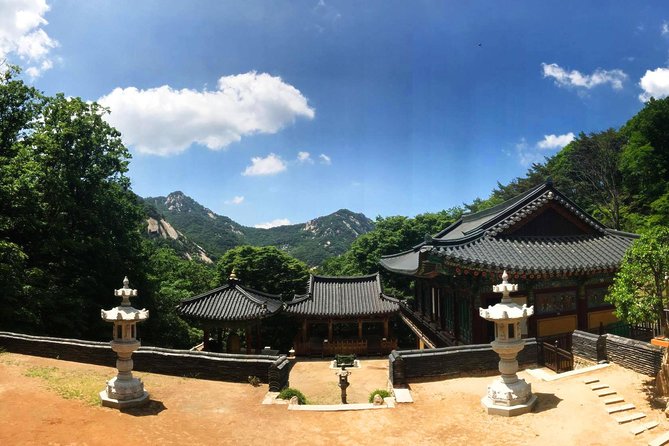
The day starts at Gupabal Subway Station, gate 1, with a meeting time of 1:30 pm. From there, you’ll take a brief bus ride to the trailhead, and that bus fare is included in the price.
Why this matters: most Seoul hiking plans fail at the start—wrong train, wrong exit, too much waiting. Here, you get a straightforward handoff from subway to trailhead.
Before you walk, the guide does a stretching moment with the group. That sounds small, but it helps you avoid that stiff, tight feeling when you hit the first hill.
Your finish point is the same area—the activity ends back at the meeting point—so you’re not left planning an extra transfer after you’re tired.
The first big hill: what the steep ascent means for your comfort
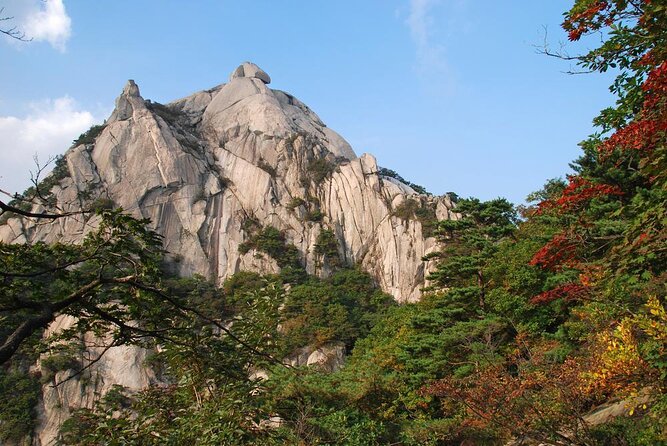
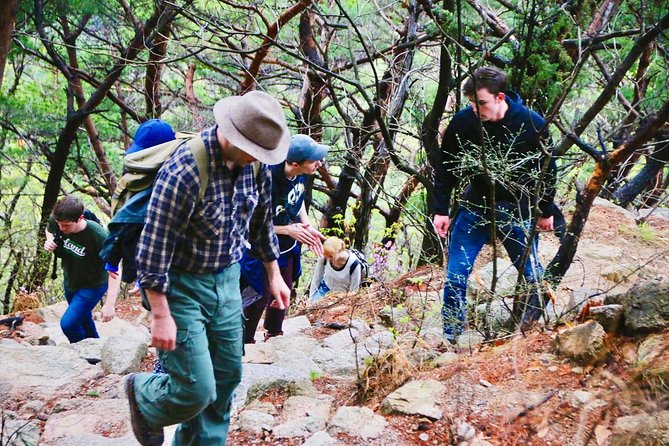
Expect a medium-grade hike with a total walking time of about 4–5 hours on the trail. You’ll also have additional time for the temple stop, cultural storytelling, and the meal afterward, which is why the full day is listed at around 6 hours.
There’s one long steep ascent near the beginning. The good news is that you do not need any special equipment—no ropes, harnesses, or climbing gear.
Here’s the practical takeaway: pace yourself for the first hour or so. Even strong hikers can get overheated on a steep opening segment, especially if you’re wearing the wrong layers or moving too fast early. If you’re going with a cautious approach—slow start, steady steps—you’ll reach the viewpoint sections feeling like you earned them instead of surviving them.
Forested valley to big views: how the hike is paced for real people
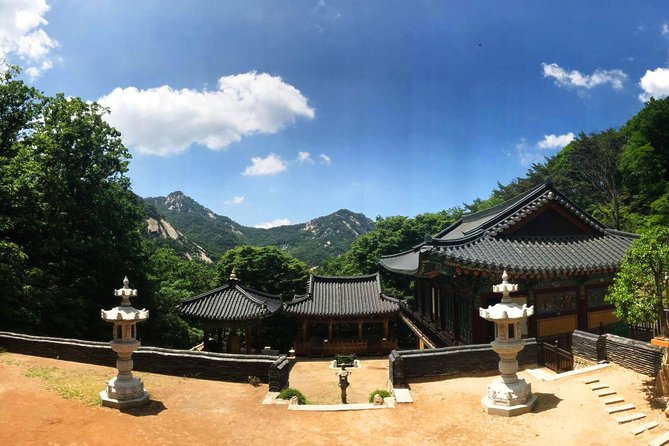
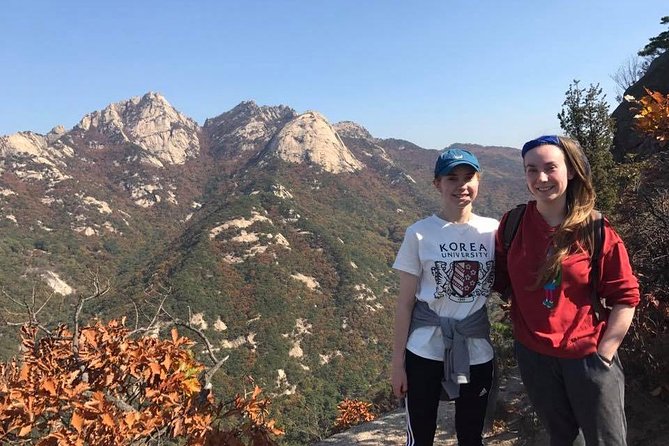
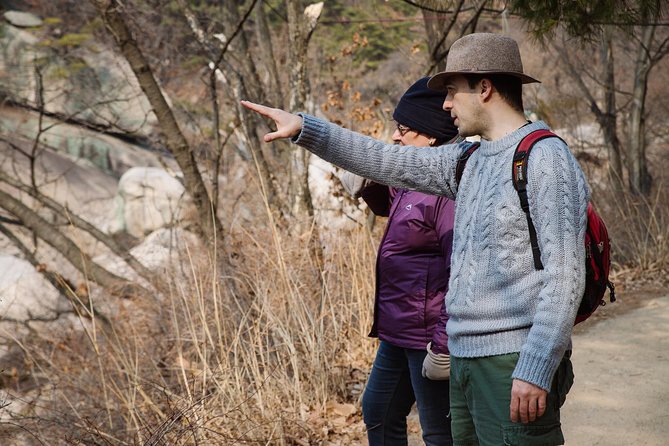
After the steep start, the trail heads into an afforested valley. This is the part where the effort starts to feel more balanced: the climb is still there, but it’s less “wall of uphill” and more gradual movement through mountain greenery.
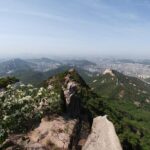
At some point, you’ll cross a path with spectacular views. That’s one of the most praised parts of this experience—views plus storytelling means you don’t just pause to take photos. You pause to listen, then look again with new context.
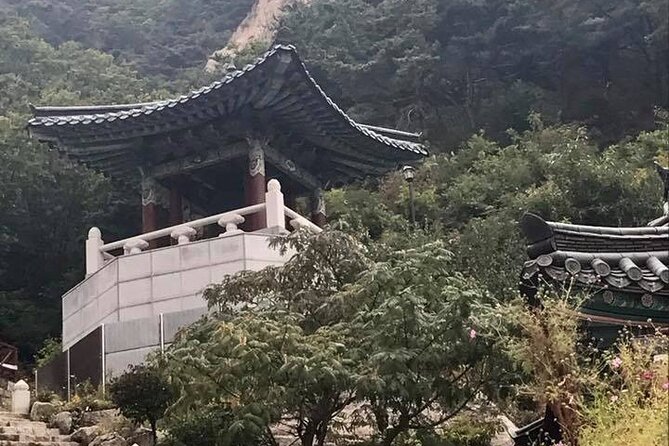
Then the route turns toward descent, heading down toward Buddhist temples placed in rugged mountain areas—not a manicured city-temple stop, but a mountain experience where the setting makes the cultural meaning land harder.
One bonus here: the guide can adjust the trail to different skill levels. So if you’re faster, you won’t feel dragged. If you’re slower, you’re less likely to feel abandoned.
Buddhist temple time: where the culture stops the workout
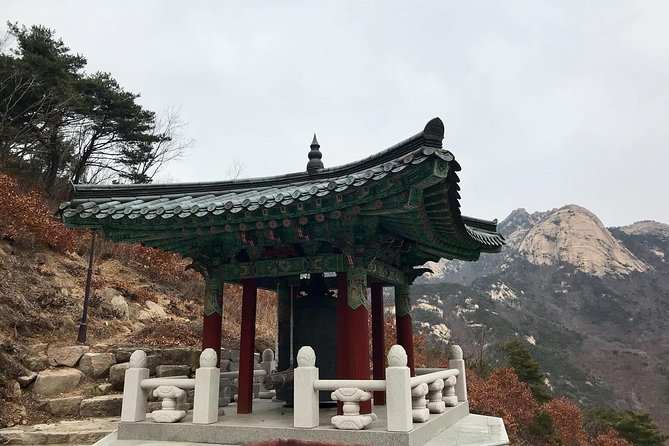
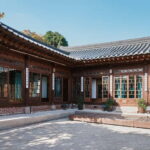
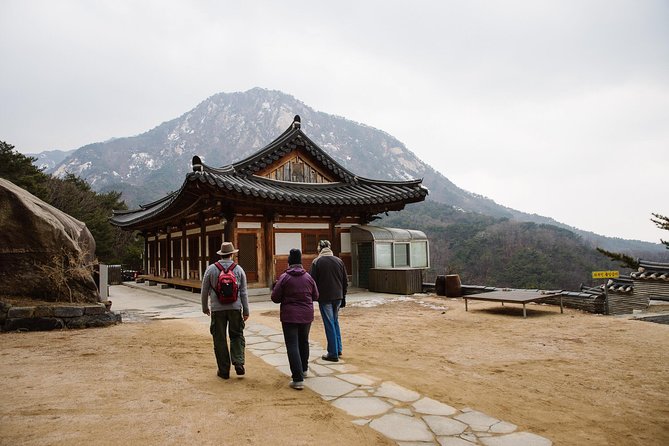
A highlight is the hidden Buddhist temple stop during the hike. This isn’t only about checking a box. It’s about giving your day a different rhythm: walk, work, then quiet.
When you arrive, you’ll be in a calmer pocket of the mountain, surrounded by the kind of terrain that makes you understand why temples were placed where they are. You also get stories that connect belief and folklore to the landscapes people lived with for centuries.
From the way the day is described, expect legends that connect supernatural themes to the mountain world—ghosts, goblins, shamans—and then anchors of history and religion to explain what people valued. If your guide is someone like Shawn (mentioned as an example in past trips), you’ll likely feel the day as a mix of hike + imagination, with the stories delivered in a way that sticks.
Practical note: temples are still part of the hike day. Plan to move carefully on the descent and give yourself a small buffer for photos and pauses.



The mountain restaurant lunch: food you’ll actually remember
After the hike, you finish at a local restaurant catering to hikers. Lunch is included, and so are food and drinks, with alcoholic beverages included in the price.
This matters because a lot of Seoul day trips include lunch that feels like an afterthought. Here, the meal is part of the point: it’s the kind of stop designed for people who walked hard and want food that fits that effort.
You can also expect drinks that match the mountain-hike vibe—something warm, cooling, or both depending on the day—because you’re ending at a place built for hikers, not a formal sit-down for office hours.
If you’re trying to make the most of Korean culture without overplanning, this is one of the best parts of the day. You get to eat where hikers go, and your guide can help explain what you’re looking at.
Price and value: is $141.75 actually a good deal?
At $141.75 per person, this tour isn’t the cheapest option, but it’s also not priced like a luxury summit guide.
Here’s what you’re paying for that helps justify the value:
- Small group size (up to six), which often means more attention and less waiting around
- A professional guide who carries the folklore + cultural storytelling component
- Lunch included, plus drinks, including alcoholic beverages
- The bus fare to the trailhead is included
- You’re not stuck paying for your own entry-by-entry planning
The main thing you should watch: there’s no hotel pickup or drop-off. So your “real cost” is the time and transit effort to get to the meeting point at Gupabal.
If you want a hike that feels like a half-day escape from Seoul rather than a generic workout, the price becomes easier to justify.
What to wear and bring when Bukhan is doing Bukhan things
This hike runs in all weather conditions, so you’re not guaranteed a sun-only itinerary. The tour also notes a weather sensitivity: it requires good weather, and if the tour is canceled due to poor conditions, you’ll be offered a different date or a full refund.
So treat it like a mountain outing, not an urban stroll.
- Wear layers so you can adjust when you’re climbing and when you’re stopped for temple time
- Bring a rain layer or umbrella option if you’re visiting in rainy months
- Wear sturdy shoes with traction because you’ll be climbing and descending on mountain surfaces
Also, plan for moderate fitness. This is listed as a moderate physical fitness hike, so it’s not for brand-new hikers who struggle on stairs. If you can handle a steady hill walk, you’ll likely do fine.
Minimum age is 18, and you’ll want to consider that if you’re planning as a group.
Logistics you should plan for: how the day fits together
The full experience is about 6 hours, with the hike itself taking about 4–5 hours. The rest of the time is the guide-led segments: bus ride, stretching, temple stop, and the meal.
Start time is 1:30 pm, which is a nice choice if you don’t want a morning start. It also gives you time in the morning to grab supplies or just linger around Seoul.
A small-group day also means fewer bottlenecks. You’re less likely to wait for the whole group to catch up on stairs or pause points, which keeps the day feeling purposeful.
And because you return to the same meeting area, you can plan dinner afterward without complicated end-of-tour transfers.
Who should book this, and who might want a different option
This tour is a great fit if you want:
- A Seoul escape that doesn’t eat your whole day
- A cultural hike where stories and religious sites are part of the movement
- A small-group experience with room to talk to your guide
- Views plus a calmer temple moment, not just a checklist hike
I’d also suggest it to you if you like the supernatural side of folklore and want to hear it in a way connected to actual landscapes. The day’s themes are supernatural—mountain ghosts, goblins, shamans—but the guide ties them back to history and religion so it feels grounded, not random.
You might choose something else if:
- You strongly dislike steep climbing, since there’s one long ascent early on
- You want a fully flat, easy walk
- You don’t want to handle weather changes, since the tour is described as operating in all conditions
Should you book this Bukhan Mountain hike?
Book it if you want a small-group Seoul hike that includes more than walking—specifically, folklore storytelling, a hidden Buddhist temple stop, and a proper end-of-day meal with drinks. The value is strongest when you want guidance, cultural context, and a stress-free route between subway and trailhead.
Skip or rethink if steep hills would ruin your day, or if you need hotel pickup and a guaranteed indoor-friendly plan. With the right fitness mindset and a willingness to dress for weather, this is the kind of half-day that leaves you thinking about the mountain long after you’re back in Seoul.
FAQ
How long is the hike part of the tour?
The hike itself is generally about 4–5 hours, with the full experience lasting around 6 hours including setup, temple time, and the meal.
How difficult is the Bukhan Mountain trail?
It’s described as medium-grade. There is one long steep ascent near the beginning, but no special equipment like ropes or harnesses is needed. The guide can adjust the trail based on skill level.
What is included in the tour price?
Lunch is included, along with food and drinks at the end of the hike. Alcoholic beverages are included as well. A professional guide and the bus fare to the trailhead are included too.
Where do I meet the guide?
You meet at Gupabal Subway Station, gate 1. The tour starts at 1:30 pm.
Is hotel pickup and drop-off included?
No. Hotel pickup and drop-off are not included, so you’ll need to get to the meeting point yourself.
Is the tour suitable for people with moderate fitness?
Yes. The tour advises travelers to have moderate physical fitness and meet the minimum age requirement of 18.
What happens if the weather is bad?
The tour operates in all weather conditions, but it requires good weather. If it’s canceled due to poor weather, you’ll be offered a different date or a full refund.