REVIEW · SEOUL
DMZ Tour: 2nd Tunnel with Y-shaped suspension bridge from Seoul
Book on Viator →Operated by TRIPPER KOREA · Bookable on Viator
One day in the DMZ changes your perspective fast. I like the way this tour keeps the focus on the Korean War and the DMZ, not shopping detours. Two stops do most of the heavy lifting: the Second Infiltration Tunnel and the Peace Observatory, where you get safe, guided views of the area tied to the North’s guard posts in Cheorwon.
For value, I also appreciate the practical pacing: round-trip transport, a proper bibimbap lunch in Cheorwon, and time to take in the Hantan River at the Y-Bridge observatory. One consideration: the day is long (about 10.5 hours), and you’ll pay extra on-site if you want to cross the Y-Bridge—the viewing deck itself is free.
In This Review
- Key highlights to know before you go
- A DMZ day built for real context, not distractions
- Entering the Second Infiltration Tunnel: where the past turns physical
- Peace Observatory hour: safe viewing of North Korea’s guard-post zone
- Cheorwon lunch: bibimbap that actually fuels the afternoon
- Nodongdangsa: a pause for the story behind the walls
- Hantangang Y-Bridge observatory: volcanic cliffs and wide river views
- Price and logistics: why $95 feels fair here
- Timing, weather, and comfort: how to prepare for the full 10.5 hours
- Is this tour the right fit for your travel style?
- Should you book this DMZ tour?
- FAQ
- How long is the DMZ tour from Seoul?
- What does the tour cost?
- What’s included in the price?
- Where do we meet the guide in Seoul?
- Is vegetarian food available?
- Do I have to pay to cross the Y-shaped bridge?
- What happens if the weather is bad?
Key highlights to know before you go
- Second Tunnel focus: you spend real time at the 2nd Infiltration Tunnel rather than rushing through.
- Peace Observatory views: the monorail ticket is included, which helps you make the most of your hour there.
- Guides with strong context: English-speaking guides such as Chris and Paul are known for clear explanations and smooth organization.
- Bibimbap lunch in Cheorwon: a sit-down set meal that’s designed to work well for vegetarians (and you can request other dietary needs).
- No shopping traps: the schedule stays on history and scenery, not factory stops.
A DMZ day built for real context, not distractions

This tour is priced at $95 per person and runs about 10 hours 30 minutes. That’s a lot of time, but it’s a focused use of it. You’re not spending your day getting shuffled into shops. Instead, the structure is history first, with a nature finale at the Hantan River’s Y-shaped bridge observatory.
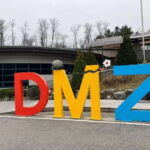
The DMZ experience here is designed around access and interpretation. You move from central Seoul to the Cheorwon area and spend the day on key pieces tied to the Korean War era—especially places connected to infiltration efforts and the visible, watchful presence of the region’s guarded positions.
One smart touch: the day is built around guided storytelling. You’re not just walking around looking at signs. With an English-speaking guide in the vehicle and at the sites, you get the “why” behind what you’re seeing, not just the “what.” People talk about guides like Chris and Paul in particular for having clear, organized explanations—useful on a subject where the details can blur if you’re left to read everything on your own.
You can also read our reviews of more tours and experiences in Seoul.

Entering the Second Infiltration Tunnel: where the past turns physical
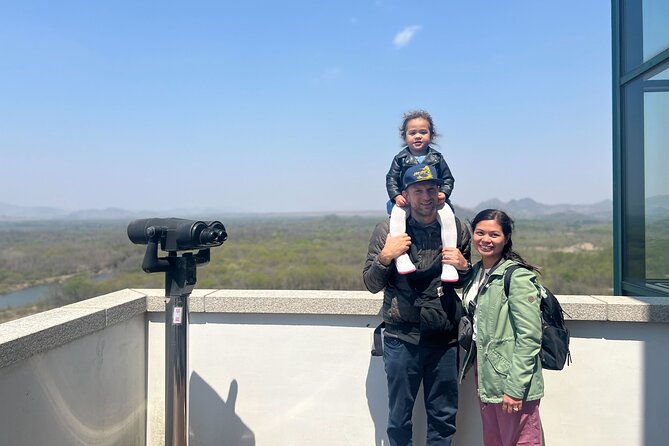
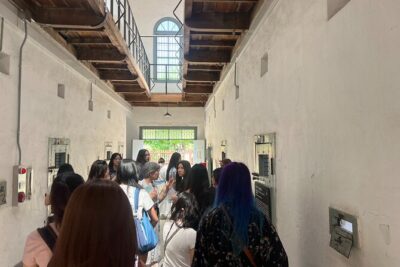
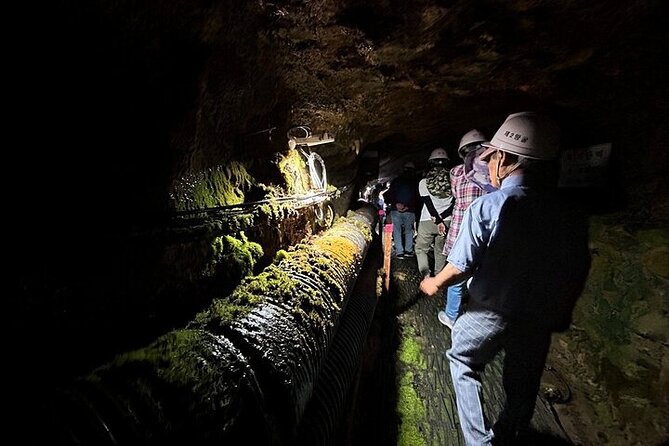
The day’s first major stop in the DMZ zone is the Second Infiltration Tunnel in Cheorwon. You’ll spend about 45 minutes there with your guide.
This is the kind of site that works even if you’re not a history nerd. Once you’re inside a tunnel tied to infiltration, the story stops being abstract. The space itself forces you to slow down and take in what kind of effort and planning went into these operations.
What I like about this tour’s approach is that it doesn’t treat the tunnel like a quick photo stop. You get enough time to understand the layout and let the implications land: why tunnels mattered during the Cold War tensions, and how the DMZ became a hard line between two systems that couldn’t relax.
A small practical note: tunnels and underground areas can feel cooler and dimmer than you expect. Wear something comfortable and plan to move carefully.
Peace Observatory hour: safe viewing of North Korea’s guard-post zone
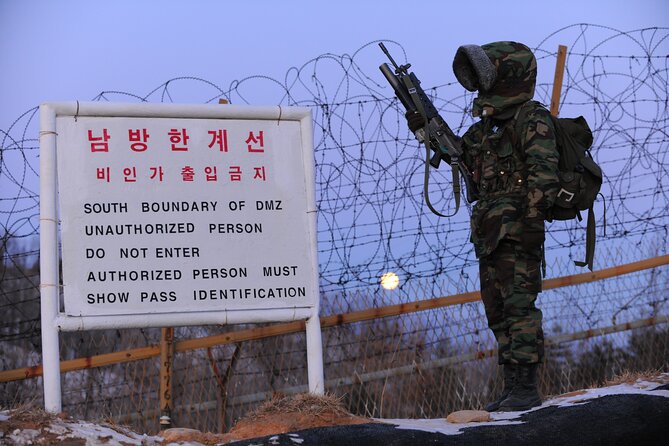
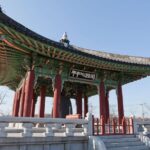
After the tunnel, you head to the Cheorwon Peace Observatory, where you’ll have about 1 hour. The Peace Observatory monorail ticket is included, so you’re not stuck figuring out transit on your own once you reach the site.
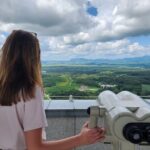
This is the moment when the DMZ stops being “a place you read about” and becomes “a place you can point at.” The observatory is built for safe, controlled viewing—so you can see toward the guarded areas from the vantage points designed for visitors, with your guide explaining what the sights mean in context.
The review-highlighted value here is the guide-led framing. When someone explains what you’re looking at—how the observatories relate to North Korean guard posts—it turns the hour into something more than sightseeing.
If you’re the kind of traveler who likes clear interpretation, this stop is worth your full attention. Try to pace yourself: the sites around the observatory can feel busy, and you’ll get better results if you give your guide your attention first, then use the views as a second pass.
Cheorwon lunch: bibimbap that actually fuels the afternoon
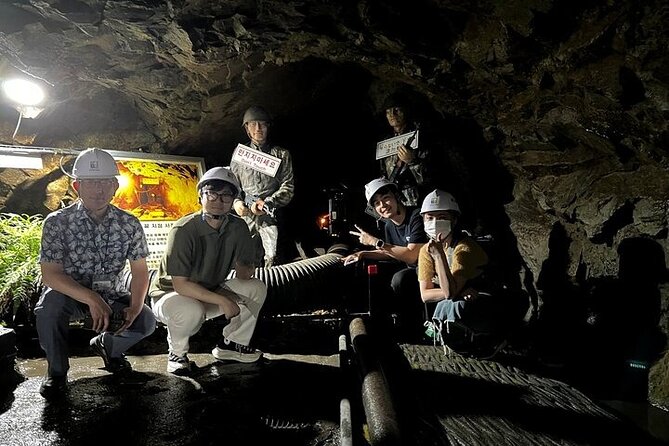
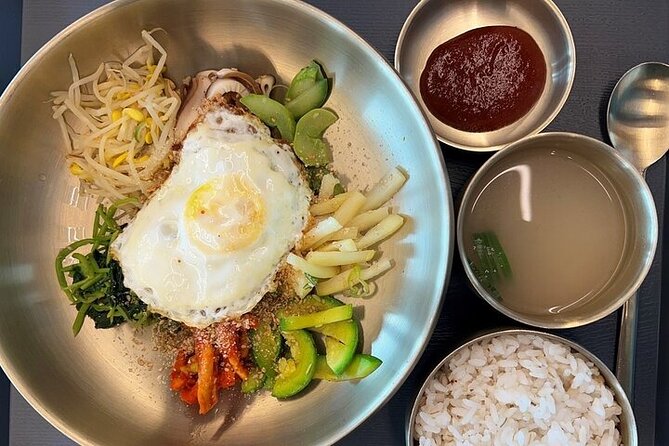
Around midday, you get lunch in Cheorwon: a set meal centered on bibimbap. It’s scheduled for about 1 hour, and it’s included.
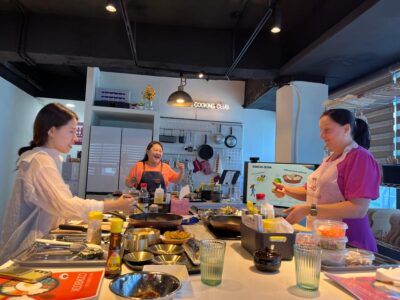
I like the value of this lunch because it’s not some rushed box you scarf down between buses. It’s described as made with fresh vegetables and positioned as a hearty option that can work for vegetarians. In plain terms: it’s the kind of meal that keeps you comfortable during the later parts of the day, especially when you still need energy for walking and viewpoint time.
Also, the operator states they can accommodate dietary restrictions—vegetarian, vegan, gluten-free, and more—as long as you note it when you book. That matters on a DMZ day, where you won’t want to waste time tracking down food options.
If you have any strong preferences, put them in the booking notes early. It’s one less thing to worry about once your day is already moving.
Nodongdangsa: a pause for the story behind the walls
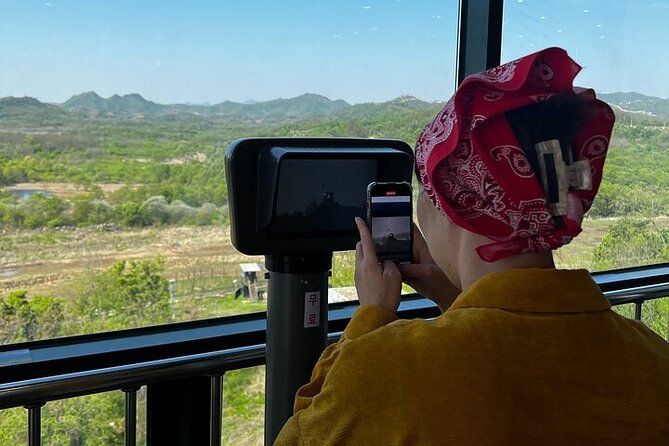
Next up is Nodongdangsa, identified as the Labor Party Office. You’ll spend about 1 hour there.
This stop is described as having bullet-marked walls, which gives the site a sharper, more unsettling feel than an ordinary museum stop. Even without going deep into details, it’s the kind of place where you can see how conflict history leaves marks—literal marks—on built spaces.
Because the information you get depends heavily on the guide, this is another reason the English commentary matters. A strong guide turns “you are here” into “this is what the building meant, and why the evidence is hard to ignore.”
Admission here is noted as not included, so if you’re trying to keep costs predictable, double-check what you’ll be asked to pay at this specific stop.


Hantangang Y-Bridge observatory: volcanic cliffs and wide river views

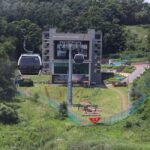
To close out the day, you visit the Hantangang Y-Bridge Observatory—about 20 minutes at this viewpoint stop.
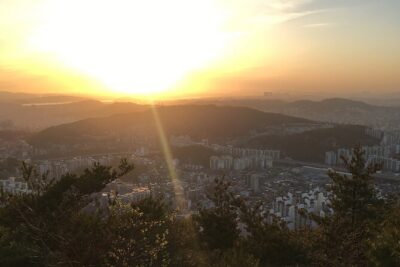
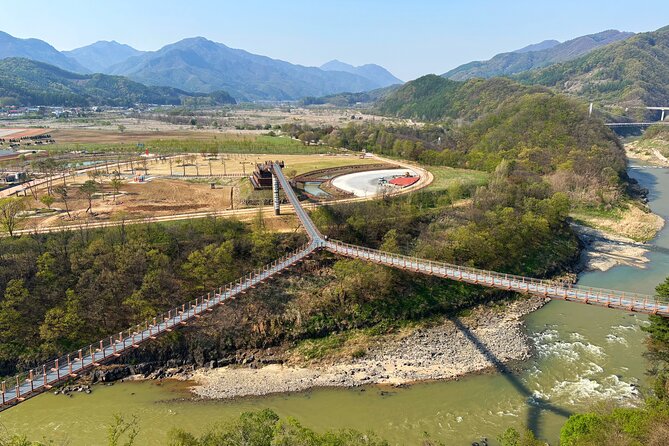
This is where the tour shifts from tension to scenery. You get panoramic views of the Y-shaped suspension bridge, plus volcanic rock formations and the Hantan River. It’s a good contrast: after hours tied to war and division, you end with open air and a natural horizon.
Important detail for budgeting: admission to cross the bridge isn’t included. You can buy tickets on-site if you want to actually cross. The observatory access itself is free, so you still get the main payoff even if you skip the crossing.
If you’re deciding on the spot, think about timing and comfort. You’ll be tired by late day, and you’ll want to decide based on how your legs and nerves feel after the DMZ portion.
Price and logistics: why $95 feels fair here
At $95, the tour lands in the “not cheap, but not inflated” category—mainly because a lot is folded into the price.
Included items you’ll be glad aren’t extra:
- a professional English-speaking guide
- round-trip transportation
- all admission fees for the included stops
- lunch (bibimbap set meal)
- Peace Observatory monorail ticket
- an air-conditioned vehicle
- a mobile ticket
What’s not included:
- tips
- and the fee to cross the Y-shaped bridge (observation deck access is free)
You also get a sense of how groups are managed: the tour has a maximum size of 99 travelers. That’s big enough to feel like a group tour, but small enough that you’re not lost among hundreds of people.
From a scheduling standpoint, it helps that there are multiple meeting options in Seoul: Hoehyeon Station (Exit 7) and also Seoul Station / City Hall. Meeting quickly matters for a day that already moves at a full travel pace.
One more practical detail: the operator sends updates one day before the tour via WhatsApp (or email if you don’t use WhatsApp). Make sure the phone number you provide can receive WhatsApp messages, because DMZ timing is not the place for missed texts.
Timing, weather, and comfort: how to prepare for the full 10.5 hours
This tour runs on schedule even if it’s raining or snowy. The operator says they’ll only contact you separately if weather makes it completely impossible to proceed. That’s helpful, but it also means you should dress for a day that might include damp air, cold steps, and time outdoors at the river observatory.
They also note the experience requires moderate physical fitness. You don’t need to be an athlete, but you should be comfortable with walking around multiple sites in one day, including moving through indoor and outdoor areas.
My comfort checklist for a day like this:
- wear shoes you can trust on uneven or wet surfaces
- bring a light layer (tunnel/observatory temperatures can differ)
- keep your schedule tight: this is a “one-do-this-day” tour, not a pile-on-the-same-day arrangement
Is this tour the right fit for your travel style?
You should lean toward booking if you want:
- a history-heavy DMZ day with a guide-run narrative
- time at the Second Infiltration Tunnel and Peace Observatory (not just a drive-by)
- included lunch and included major admissions, so budgeting is simpler
- a calmer ending at the Hantangang Y-Bridge observatory with wide views
You might skip it if you:
- want an all-day slow pace with lots of free time (the day is packed)
- hate paying extra for the Y-bridge crossing after already spending a long day in transit and viewing areas
- need a highly flexible schedule on the fly (this one keeps to its plan)
Also, if you’re booking around popular travel dates, note that the average booking window is about 16 days in advance. If your dates are firm, don’t wait until the last week.
Should you book this DMZ tour?
I think it’s a strong choice for most first-timers who want a guided, structured DMZ day without shopping detours. The pairing of Second Infiltration Tunnel and Peace Observatory gives you both the physical side of the conflict story and the safe viewing side of what that conflict created. Add included bibimbap lunch and a scenic wrap-up at the Y-Bridge observatory, and the day feels like a complete package for the price.
If you’re okay with a long day and the fact that the bridge crossing may cost extra, this is one of the more practical ways to see the Cheorwon DMZ highlights from Seoul.
FAQ
How long is the DMZ tour from Seoul?
The tour runs for approximately 10 hours and 30 minutes.
What does the tour cost?
The price is $95.00 per person.
What’s included in the price?
Included are a professional English-speaking guide, lunch, all admission fees (for included stops), round-trip transportation, the Peace Observatory monorail ticket, and an air-conditioned vehicle.
Where do we meet the guide in Seoul?
You can meet at Hoehyeon Station (Exit 7) or at Seoul Station / City Hall, depending on the meeting point provided for your booking. Pickup is offered.
Is vegetarian food available?
Yes. You can request dietary restrictions like vegetarian or vegan. Be sure to indicate your needs when booking.
Do I have to pay to cross the Y-shaped bridge?
Crossing the Y-Bridge costs extra and can be purchased on-site. Access to the observation deck is free.
What happens if the weather is bad?
The tour operates even in rain or snow, but if weather makes it completely impossible, you’ll be offered a different date or a full refund.