Seoul clicks with a local plan. This private, customizable walking tour lets you shape the day around highlights like Gyeongbokgung Palace and quieter Jongno streets, guided by people who live there. I love the one-on-one tailoring and how guides adjust for photos, questions, and food stops like dumplings and tea that show up on many routes. The main trade-off: food, attraction tickets, and any between-site transit costs are on you.
I’ve seen guides such as GJ, Jeeseon, Hans Kim, and Young turn a short visit into a clear first-day map. You get a mix of royal sights, preserved hanok neighborhoods, and breaks like Cheonggyecheon Stream, not just a checklist.
Since the route is yours, you can choose a quick 2-hour highlight session or stretch to 6 hours to add markets, temples, and viewpoints like N Seoul Tower. Just wear shoes built for walking, because this is a real step-count kind of tour.
In This Review
- Key things worth your attention
- Private and custom: how your Seoul route gets built
- Where you start in Jongno and how the walking really plays out
- Gyeongbokgung Palace and Gwanghwamun Plaza: your first Seoul anchor points
- Bukchon Hanok Village alleys: how to walk the past without getting lost
- Cheonggyecheon Stream: the calm reset you’ll be glad you planned
- Markets, temples, and tea streets: where Seoul feels lived-in
- From N Seoul Tower to DDP: adding scale when you have more time
- Price of $76.87: what you’re actually paying for
- Guide personalities matter: what you gain with GJ, Jeeseon, Hans Kim, Steve, and Young
- Walking pace, transfers, and what to pack so the day stays fun
- Who this tour suits best, and who might want a different plan
- Should you book this private custom Seoul highlights tour?
- FAQ
- How long is the Seoul highlights and hidden corners tour?
- Is this tour only walking?
- What’s included in the price?
- Are food, drinks, and attraction tickets included?
- Do I need to buy my own transportation for getting between stops?
- Where does the tour meet and where does it end?
Key things worth your attention
- Custom itinerary based on your interests via a pre-tour questionnaire and direct guide messaging
- Gyeongbokgung Palace + Gwanghwamun Plaza framed with the Seoul that feels both historic and current
- Cheonggyecheon Stream as a smooth mid-day reset between big attractions
- Bukchon Hanok Village streets that you’ll actually enjoy walking, not just snapping and leaving
- Markets, tea streets, and temples that make Seoul feel like a place people live
- Longer options (up to 6 hours) for extra scope, like N Seoul Tower or DDP add-ons
Private and custom: how your Seoul route gets built
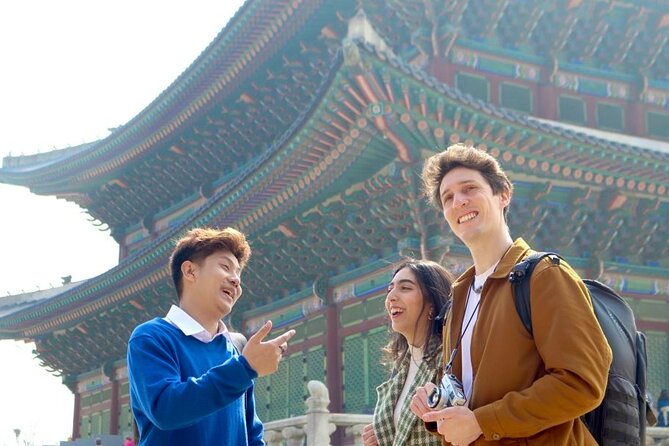
The biggest value here is that this isn’t a fixed “tour bus in walking shoes” plan. Before you go, you fill out a questionnaire about what you want most, and then you message your host directly to shape the day.
In practice, that means you can steer the tour toward history, neighborhoods, food, or culture—or toward whatever you’re curious about right now. If you care more about streets than plaques, your guide can bias the route that way. If you want the top landmarks first, they can build the day around that.
A nice detail: flexible start times and flexible durations are part of the setup. So if you’re arriving late, recovering from jet lag, or you simply want a calmer afternoon, you can pick a shorter window and still come away with context.
You can also read our reviews of more walking tours in Seoul
Where you start in Jongno and how the walking really plays out
The tour starts at 109 Jae-dong, Jongno District and ends back at the same meeting point. That location matters because Jongno is a strong launch pad for palaces, traditional neighborhoods, and central Seoul lanes without forcing long backtracking.
This is a private walking experience. A private vehicle is not included, but public transport or local taxis may be used to transfer between sites, and those transfer costs can be discussed with your host after booking.
So you should mentally plan for two modes:
- walking time to enjoy streets and small details
- short transfers when distances or schedules demand it
Most travelers can do this, but it’s not a stroll through one “pretty spot” and then done. You’ll be moving through neighborhoods, sometimes with narrow lanes, sometimes with steps around palaces or viewpoints.
Gyeongbokgung Palace and Gwanghwamun Plaza: your first Seoul anchor points
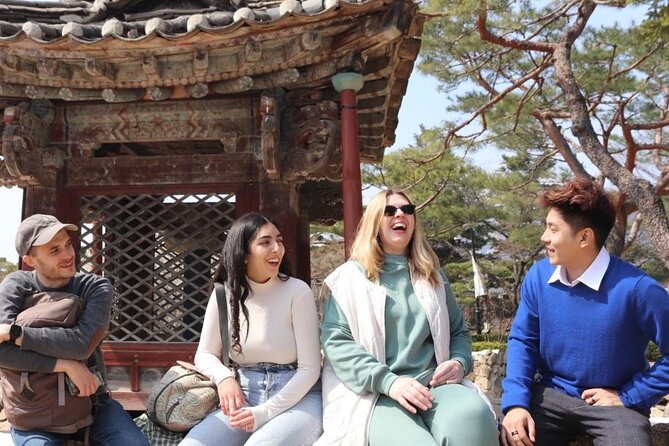
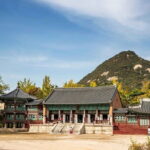
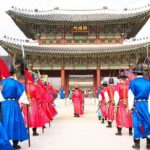
If you only have time for one iconic cluster, this is a good one. The tour commonly includes Gyeongbokgung Palace, Seoul’s grand royal palace complex, with its long courtyards and architecture you can actually appreciate at walking speed.
Right around it, you’ll also find the palace’s larger public context—Gwanghwamun Plaza, framed by the palace grounds and Seoul’s modern skyline. The tour description specifically points to statues of King Sejong and Admiral Yi Sun Shin, which helps you connect the palace to the stories people still reference today.
Here’s what I like about this setup for first-timers: it gives you a starting vocabulary. When you later visit other parts of Korea, you’ll recognize repeated themes—how power was organized, what mattered in governance, and why certain places are treated like national symbols.
Potential consideration: palace days can be crowded and timing-sensitive. Since your itinerary is customized, your guide can often adjust the order so you spend more time where you can actually see and less time stuck behind big crowds.
Bukchon Hanok Village alleys: how to walk the past without getting lost
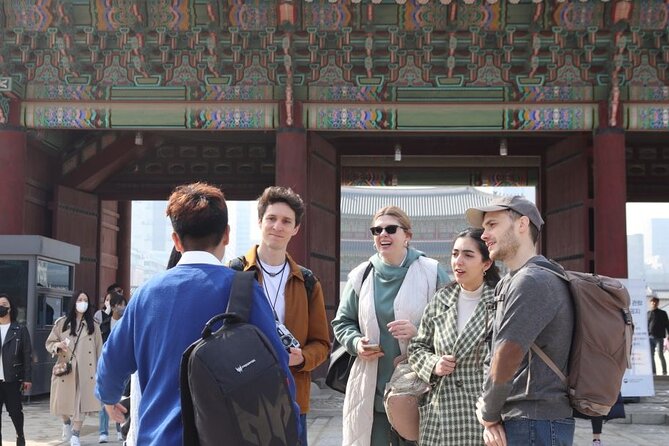
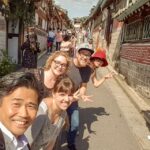
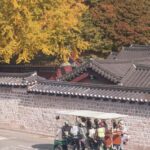
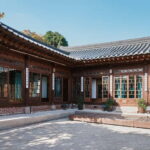
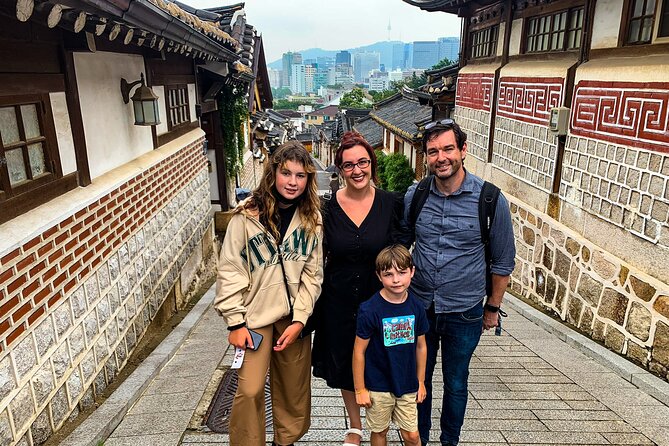
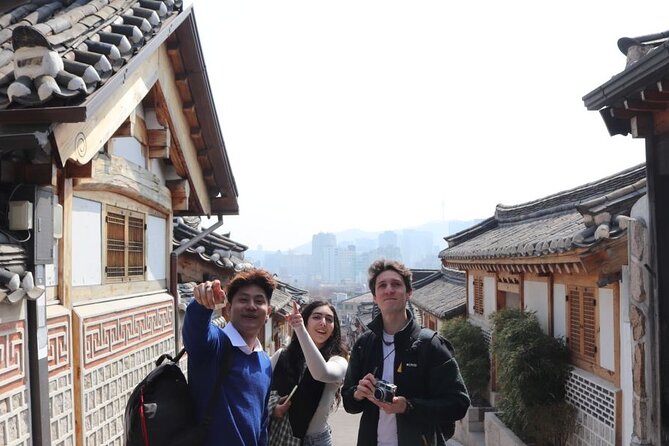
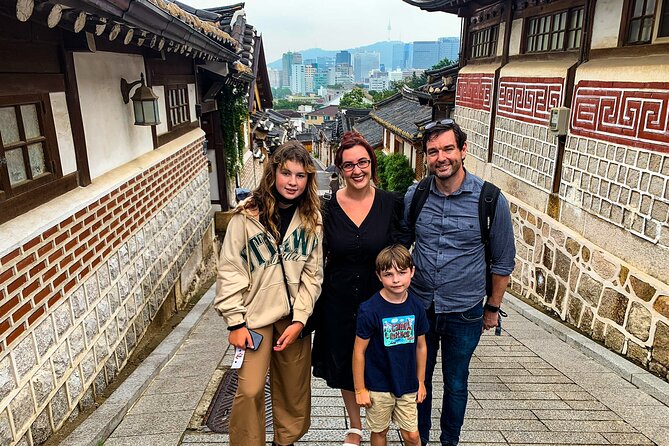
After the palace cluster, the tour often shifts to Bukchon Hanok Village and its preserved streets. This is where traditional Korean houses (hanok) show up in a real, walkable grid, and the tour helps you understand how the area evolved over time.
What makes this enjoyable with a guide is route sense. The point isn’t only to look at hanok roofs—it’s to know which lanes to prioritize, what changes you’re seeing from block to block, and where viewpoints or photo angles naturally happen as the streets bend.
Many guides also turn the visit into a storytelling loop. One minute you’re looking at the preserved houses, the next you understand why a neighborhood like this formed, how it shifted from noble district roots to later city life, and what locals think of it today.
If you’re the type who gets frustrated wandering without a plan, this is where the private format really helps. The guide steers you through the maze so you come out feeling you understood the area, not just collected photos.
Cheonggyecheon Stream: the calm reset you’ll be glad you planned
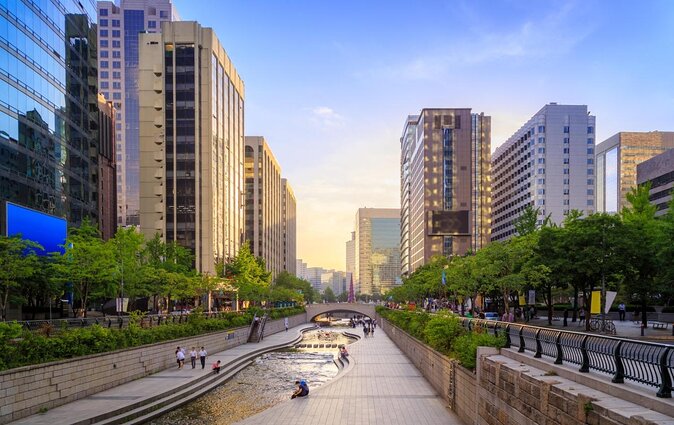
One of the most practical “hidden structure” ideas in the itinerary is the Cheonggyecheon Stream stop. The tour description frames it as a revitalized waterway in central Seoul with bridges, art installations, and a nature-meets-city feel.
This is a smart pairing because it breaks the day. After big palace walking and dense neighborhood lanes, Cheonggyecheon gives you a smoother pace and a chance to regroup.
For photo lovers, it’s also a change of scenery. Instead of only palace walls and rooftops, you get perspective lines along the water and bridge crossings that feel very Seoul, very different from the rest of the day.
For tired feet, it’s a sanity move. Even when you’re still walking, the stream route tends to feel more evenly spaced than palace stair zones or narrow alleys, which helps your energy last until the end of the tour.
You can also read our reviews of more private tours in Seoul

Markets, temples, and tea streets: where Seoul feels lived-in
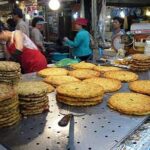
The tour’s whole theme is learning Seoul through everyday culture, not just monuments. That’s why markets and food stops show up again and again in routes, like the dumpling market experience tied to one guide’s customized plan.
Namdaemun Market is one of the market stops that can appear in an itinerary, and it’s exactly the kind of place you enjoy more with a guide. Ordering feels easier, navigation feels less stressful, and you’re more likely to notice what you should try instead of only buying what English labels make obvious.
Tea also comes up in a very specific way. One route highlights a tea stop considered among the best, and another includes small fun surprises like finding cookies shaped with circle, square, triangle, and umbrella references.
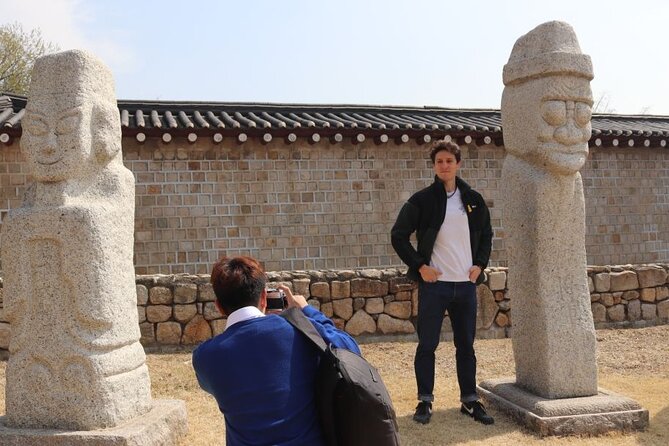
Temples round out the culture angle too. Jogyesa Temple is one example that appears in guide-led routes, and it can include unexpected visual highlights like a marble pagoda moment.
If you’re building your first full-day plan, this is where you get Seoul beyond the postcards. You learn how locals move through streets, where people pause for food, and how shopping and crafts fit into everyday life.
From N Seoul Tower to DDP: adding scale when you have more time
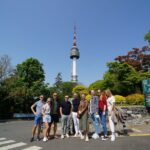
You’re not locked into only one radius of the city. The tour overview mentions options like N Seoul Tower, and longer durations can add bigger scope and different viewpoints.
If you choose a longer route (closer to 6 hours), you’re more likely to fit in an extra landmark layer such as N Seoul Tower or an area like DDP that shows a more modern Seoul face.
This is one of the reasons I like thinking in time-blocks. A 2-hour tour can give you a sharp highlights hit around palaces and central neighborhoods. A 4–6 hour plan gives you room for the “two Seouls” effect: traditional core plus a modern counterpoint.
Practical tip: viewpoints often mean you’ll be outside for longer, and you’ll want your walking stamina. If the forecast is harsh, ask your guide how they plan transfers so your day stays comfortable.
Price of $76.87: what you’re actually paying for
At $76.87 per person, the headline price is reasonable for a private guide, especially when your day can shift to match your interests. The best part isn’t the math—it’s what it replaces.
Instead of spending time sorting out:
- which palace first
- which neighborhoods connect smoothly
- where to eat without guessing
- how to move efficiently using public transport
…you pay for a plan that already thinks like a local. That planning shows up in the way guides help with navigation and small choices like photo timing, calmer route order, and practical guidance for getting around.
Also, customization has a “hidden cost saver” effect. When your guide chooses less crowded routes and the order makes sense, you spend less time wandering and more time actually seeing.
Just be clear on what you’re not paying for: food, drinks, attraction tickets, and between-site transport costs are not included. So the real cost depends on how many paid entries and how much you snack while you walk.
Guide personalities matter: what you gain with GJ, Jeeseon, Hans Kim, Steve, and Young
Because it’s private, the guide personality affects your whole day. In the best experiences, you get a friend-like ease plus strong local context.
Here’s what stands out from the guide styles you can encounter:
- GJ often brings high energy and practical tailoring, including market snacks and unexpected stops like a marble pagoda moment
- Jeeseon has a track record with families, building variety into the day (street markets, old village areas, and even K-pop context)
- Hans Kim can add extra layers like help arranging hanboks for a palace visit and taking photos so you don’t juggle selfie skills
- Steve focuses on first-time navigation support, including coaching on public transportation and spotting places you might not find on your own
- Young has a way of stitching together a big-picture Korea overview while still moving through neighborhoods efficiently
What I take from that as a traveler: pick this tour not only for locations, but for the way your guide turns those locations into a coherent story. If you’re someone who asks lots of questions, this style plays to your strengths.
One realistic consideration: if you dislike active walking or you’re very sensitive to how personal the guide dynamic feels, you should choose your duration carefully and communicate what you want early during planning.
Walking pace, transfers, and what to pack so the day stays fun
This is a walking tour, even though it’s private and customizable. That means your comfort matters as much as your itinerary.
Bring:
- comfortable shoes you’ve already worn
- water planning in mind (you may want to buy along the way since drinks aren’t included)
- a charged phone for photos and any mapping help
For transfers, expect short legs using public transport or taxis if needed. The tour is still primarily walking, so you’ll feel the city up close instead of only passing by it from a vehicle.
Also, consider timing. Palaces and central plazas can mean long waits at peak moments, so your guide’s route choices are part of the value—especially if you’re trying to fit multiple big stops into one day.
Who this tour suits best, and who might want a different plan
This works best if:
- you want a first-day orientation to Seoul
- you like walking and street-level sightseeing
- you’re excited by a mix of palace + traditional neighborhood + food culture
- you want practical help ordering, navigating, and understanding what you’re seeing
It may not be your best match if you:
- want a mostly indoor day with minimal walking
- expect all food, tickets, and transit to be included
- prefer a fixed route where you never have to think about choices
The sweet spot is a traveler who wants Seoul explained in plain language, with a route that responds to your interests rather than forcing you into someone else’s schedule.
Should you book this private custom Seoul highlights tour?
If you’re planning your first Seoul trip or you want to turn a short window into a “I get this city now” day, I’d book it. For the money, you’re buying a local plan, not just a series of stops, and the mix of palaces, hanok streets, Cheonggyecheon, and culture streets gives you balance.
Just go in with the right expectations: you’ll pay for meals, tickets, and any transfers between sites, and you should be ready for real walking. If that fits your style, this is the kind of guided day that leaves you with confidence for the rest of your trip.
FAQ
How long is the Seoul highlights and hidden corners tour?
You can choose a duration of about 2 to 6 hours, depending on the option you pick.
Is this tour only walking?
It is a private walking experience. A private vehicle is not included, but public transport or local taxis may be used to transfer between sites.
What’s included in the price?
Included features are a private and personalized walking experience with insider tips, flexible start times and tour durations, a pre-tour questionnaire, and direct communication with your host to plan your itinerary.
Are food, drinks, and attraction tickets included?
No. Food, drinks, and tickets for attractions are not included.
Do I need to buy my own transportation for getting between stops?
Transportation costs are not included. Since you’re walking, public transport may be used and local taxis may be an option, with exact costs discussed with your host after booking.
Where does the tour meet and where does it end?
The tour meets at 109, 109 Jae-dong, Jongno District, Seoul and ends back at the same meeting point.