REVIEW · SEOUL
Vegan Korean Food Cooking Class: Gimbap, Sundubu Jjigae, and more
Book on Viator →Operated by Tofu Artist · Bookable on Viator
Tofu makes Korean classics a full meal. This hands-on vegan workshop in Itaewon teaches you how Korean comfort food works up close, including tofu skills and pretty edible-flower finishing touches. It’s a small-group class that turns a menu you might struggle to order into something you can actually make for yourself.
What I love most is the chance to learn Sundubu-jjigae from scratch and get your hands making gimbap step by step. You’re not just watching plates arrive; you’re building them, learning the logic behind the flavors, and leaving with practical know-how.
One possible drawback: the meeting spot is on the 3rd floor with no elevator, so you’ll want to plan for stairs if that’s a factor for you.
In This Review
- Key highlights before you go
- Itaewon World Food Street: where vegan Korean cooking feels normal
- The 2.5-hour class flow: what you’ll cook, in what order
- Sundubu-jjigae from scratch: building comfort with tofu
- Gimbap rolling practice: learning a Korean lunch you can reuse
- Bija-jeon soy pulp pancakes: crispy, savory, and full of texture
- Hwa-jeon with edible flowers: the prettiest plate you’ll know how to make
- Soomin’s teaching style: clear instructions and real ingredient talk
- Price and value: is $75 worth it in Seoul?
- Logistics that matter: timing, tickets, stairs, and where it ends
- Who this class suits best (and who might want to skip it)
- Should you book this vegan Korean cooking class?
- FAQ
- What time does the cooking class start?
- How long is the experience?
- Where is the meeting point?
- Is the class vegan, and what dishes will I make?
- Can the class accommodate gluten-free needs?
- How big is the group?
- Is the location easy to reach by public transportation?
- Is the meeting space accessible by elevator?
- FAQ
- When will I get confirmation after booking?
- What is the cancellation policy?
Key highlights before you go
- Max 4 people for hands-on attention so you can ask questions while you cook
- A full vegan Korean meal built from multiple classic dishes, not just one snack
- Tofu-led cooking practice you can reuse at home
- Edible flowers used in two dishes for a look that feels very Korean
- Soomin teaches step by step and shares ingredient and tradition context
- Bring a box for leftovers if you want dinner for later
Itaewon World Food Street: where vegan Korean cooking feels normal

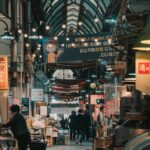
Itaewon is one of those Seoul areas where different food cultures rub shoulders, so it makes sense that a class like this can happen right there. The workshop is based around World Food Street, and it’s close to public transportation, which matters in Seoul where getting from point A to point B is half the battle.
This is also the right kind of setting if you care about practical travel wins. You’re not just learning recipes in theory. You’re learning them in a neighborhood where you can keep exploring after class, whether you want more vegan bites or you’re curious about Korean ingredients you saw on your cutting board.
You should also note the small physical logistics. The activity is in a space without an elevator and it’s on the 3rd floor, so wear shoes you’re comfortable in and give yourself a minute to climb.
You can also read our reviews of more food & drink experiences in Seoul
The 2.5-hour class flow: what you’ll cook, in what order

The class runs about 2 hours 30 minutes and ends back at the meeting point. With a cap of 4 travelers, it stays focused on doing, not just listening.
Here’s the core cooking lineup you can expect:
- You’ll make gimbap by assembling and rolling it yourself.
- You’ll cook sundubu-jjigae from scratch.
- You’ll prepare and cook bija-jeon (soy pulp pancakes).
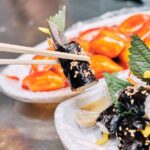
- You’ll shape and cook hwa-jeon, a glutinous rice-dough dish topped with seasonal edible flowers.
Along the way, the instructor style matters. This isn’t a lecture. You’ll follow step-by-step instructions and keep moving through prep and cooking so the meal comes together as a real dinner, not a demo.
And yes, the edible flowers are part of the point. They turn what could be simple comfort food into dishes that look intentional and festive, which is exactly how Korean food often shows up at family tables and special occasions.
Sundubu-jjigae from scratch: building comfort with tofu
Sundubu-jjigae is Korea’s go-to comfort stew. It’s the kind of food that makes the word cozy feel real. In this class, you cook it from scratch, which is a big deal because sundubu is usually something people assume is complicated.
The value for you isn’t just the final bowl. It’s learning how the stew gets its base and how tofu behaves in hot broth. Tofu isn’t a sad substitute here. It’s the star ingredient, and the process helps you understand how to get that soft, delicate texture that makes sundubu so satisfying.
What you’ll likely appreciate during the class is the ingredient context. The instructor (Soomin) explains what you’re using and why, and she connects the ingredients to Korean food habits and traditions. That’s the difference between eating a meal and actually learning to cook Korean food later.
If you’re someone who’s tired of vegan meals that feel like they’re missing something, sundubu is the fix. It’s savory, filling, and designed for comfort. When you make it yourself, you’ll get why it became a classic in the first place.
Gimbap rolling practice: learning a Korean lunch you can reuse
Gimbap is Korea’s portable meal. Think of it as the kind of thing you’d grab for a picnic, a day trip, or a busy weeknight. In this workshop, you assemble and roll it yourself, which turns gimbap into a skill instead of a purchase you might only get when you’re near Korean groceries.
This part of the class is about technique:
- getting fillings distributed the right way
- rolling with control so it holds together
- seeing how the final shape affects the bite
Even if you’ve never rolled anything like this before, the class format supports you. The instruction is described as clear, step by step, and centered on making sure you can follow along. And because the group is capped at four, you’re less likely to feel rushed when something needs a quick reset.
Gimbap is also a great example of how tofu can fit naturally into Korean flavors and textures. You’re not just learning a single recipe; you’re learning how Korean food thinks about balance—seasoned elements inside a clean, rollable format.
Bija-jeon soy pulp pancakes: crispy, savory, and full of texture
Bija-jeon is one of those dishes that feels both familiar and surprising. Soy pulp pancakes give you a different texture than you get with typical tofu dishes, and that’s part of why it’s worth learning.
In this class, you prepare and cook it, which helps you understand how batter-like mixtures behave and what “done” looks like in the pan. Korean pancakes can go from golden to overdone fast, so doing it hands-on is the fastest way to build confidence.
The best practical takeaway here for you: you’ll see how Korean savory pancakes can work in a vegan way without relying on meat flavor. It’s about seasonings, proper cooking, and texture control.
And if you care about dining options in Seoul, this section has a travel benefit. Once you understand bija-jeon, you start recognizing what ingredients are doing what jobs. That makes ordering easier later, even if you can’t remember every menu name.
You can also read our reviews of more tours and experiences in Seoul
Hwa-jeon with edible flowers: the prettiest plate you’ll know how to make

Hwa-jeon is the showpiece. In this workshop, you shape and cook glutinous rice dough, then finish it with seasonal edible flowers. The whole process is a reminder that Korean food can be both comfort-first and visually precise.
For you, the value is twofold:
1) you’ll learn a technique you can repeat
2) you’ll get a feel for how Korean plating can be ingredient-led, not just sauce-led
Glutinous rice dough isn’t something most home cooks attempt casually. But the class keeps it manageable by giving clear instructions and guiding you through shaping and cooking. Because the group is small, you’re more likely to catch details before they turn into mistakes.
Also, the edible flowers aren’t just decoration. They connect the dish to seasonality and make the dish feel like an event. That’s the kind of cultural detail that sticks, especially when the food is something you can bring home in your hands.
Soomin’s teaching style: clear instructions and real ingredient talk
Soomin is the instructor behind this class, and the best reviews have a consistent theme: she explains everything clearly with step-by-step instructions. That matters a lot in a cooking class because good cooking teaching isn’t about fancy language. It’s about making the process feel doable at your pace.
Soomin also shares tips that go beyond the recipes. People highlight that she talks about the ingredients and traditions, and she gives useful advice for finding vegan food in Seoul. That’s a practical bonus, because it helps you keep momentum after the class ends.
One more reason her approach fits travelers: it supports questions without making you feel like you’re interrupting. When you’re cooking, you naturally need clarification—timing, texture, substitutions—and that kind of responsiveness is where you get the full value out of the workshop.
Price and value: is $75 worth it in Seoul?
At $75 per person, this class isn’t a random budget snack lesson. It’s priced like a real cooking workshop, and the value comes from what’s included.
You’re making multiple dishes:
- gimbap you roll yourself
- sundubu-jjigae you cook from scratch
- bija-jeon soy pulp pancakes
- hwa-jeon with edible flowers
You also get the instructor guidance, ingredient explanation, and hands-on practice with tofu in a Korean context. If you’ve ever paid for tastings that leave you hungry for actual skills, this is the opposite. You leave with techniques you can repeat at home, not just memories of flavor.
The other value angle is food access. It can be hard to find vegan Korean meals consistently while you’re traveling. This class gives you an entire vegan Korean meal you can eat confidently, because you made it yourself.
So, yes: $75 can feel like a chunk—until you compare it to the cost of multiple restaurant meals plus the time you spend actually learning.
Logistics that matter: timing, tickets, stairs, and where it ends
The class starts at 11:00 am and runs about 2.5 hours. Confirmation is sent within 48 hours of booking, subject to availability, so don’t panic if you book and then don’t hear instantly.
You’ll receive a mobile ticket, which is convenient for travel days. It’s also close to public transportation, so it’s easier to pair with other plans in Itaewon.
The main on-the-ground thing to remember is that there’s no elevator and it’s on the 3rd floor. If you’re traveling with limited mobility or heavy bags, plan for stairs. Wear grippy shoes, and give yourself a little extra time.
This experience ends back at the meeting point, so you don’t need to map a complicated return route after you’re done cooking and likely hungry.
Who this class suits best (and who might want to skip it)
This workshop fits best if you:
- want vegan Korean cooking skills, not just a single dish
- like hands-on classes with step-by-step guidance
- enjoy learning Korean ingredient logic (tofu, soy pulp, rice dough)
- want to eat a full meal you can actually cook and repeat
It’s also a good option if you’re reducing animal products. The focus is vegan, but the class structure is still useful if you cook for mixed diets at home.
If you’re trying to avoid stairs, this might be harder. Since it’s on the 3rd floor with no elevator, you’ll want to weigh that carefully.
Should you book this vegan Korean cooking class?
If your goal is to leave Seoul with a practical Korean skill set, I think this is an easy yes. You’ll cook a whole spread—gimbap, sundubu-jjigae, bija-jeon, and hwa-jeon—and you’ll learn tofu-led cooking in a way that makes sense later when you’re shopping and cooking at home.
Book it if you want an experience that’s small-group, friendly, and focused on doing. And if you like the idea of learning how Korean food can be both comforting and visually intentional, hwa-jeon with edible flowers is the kind of detail that makes the class feel special.
Hold off if stairs are a concern, or if you’re only interested in one very specific dish. This class is built around variety and full meal structure.
FAQ
What time does the cooking class start?
The class starts at 11:00 am.
How long is the experience?
It’s about 2 hours 30 minutes.
Where is the meeting point?
It starts in Itaewon-dong, Yongsan District, Seoul, South Korea.
Is the class vegan, and what dishes will I make?
Yes, it’s a vegan Korean cooking workshop. You’ll make gimbap, sundubu-jjigae, bija-jeon (soy pulp pancakes), and hwa-jeon.
Can the class accommodate gluten-free needs?
Gluten-free options are available on request.
How big is the group?
The class has a maximum of 4 travelers.
Is the location easy to reach by public transportation?
Yes, it’s near public transportation.
Is the meeting space accessible by elevator?
No, there is no elevator and it’s on the 3rd floor.
FAQ
When will I get confirmation after booking?
Confirmation is received within 48 hours of booking, subject to availability.
What is the cancellation policy?
Free cancellation is available up to 24 hours in advance for a full refund. If you cancel less than 24 hours before the start time, the amount paid won’t be refunded.