Hangul’s creator is quietly close by. I love the chance to see King Sejong’s tomb in a calm forest setting, and I also like that the day ends with mud cup painting you actually do with your hands. The main downside is simple: this is an 11–12 hour day, so pack patience as well as comfort shoes.
This tour strings together three themes that don’t usually share a day in Seoul: royal history, home-style food, and hands-on art. You get English and Chinese speaking staff, a mobile ticket, lunch included, and a smallish group size (up to 43), which helps when you’re asking questions or trying to follow the story.
One more good sign is the human touch. In past departures led by Mr Chuck Park, people have mentioned him as friendly and attentive, with small extras like plum juice plus face masks and coupons. Still, if your Korean-fact radar is high, you’ll want to stay close to the guide so nothing gets lost in translation.
In This Review
- Key things I’d zero in on
- A Hangul-focused day that starts with silence
- Yeongneung specifics: what you’ll likely notice
- Timing your energy: Yeongneung, then straight to food
- Why this lunch is better than a quick grab-and-go
- Icheon Ceramic Art Village: a practical souvenir you make
- What mud cup painting actually gives you
- Potential drawback: creative expectations
- How a long Seoul day actually works (and how to survive it)
- Group size up to 43: good balance for a guided day
- Guide experience and the small extras that make it feel human
- What you can do to get more out of it
- Price and value: where the $67 really goes
- Who this tour is best for
- Should you book it?
- FAQ
- How long is the Royal Tomb of King Sejong & Icheon Ceramic Tour?
- What does the tour cost?
- What’s included in the price?
- Do I need to buy admission tickets separately?
- How many people are in the group?
- What is the cancellation policy?
Key things I’d zero in on
- Yeongneung’s royal tomb setting: a quiet forest visit built for reflection, not rushing.
- Hangul and science/culture context: you’ll connect why King Sejong mattered beyond dates.
- Icheon rice lunch: premium rice plus classic side dishes, in a local-style restaurant.
- Ceramic art village + hands-on mud cup painting: you leave with more than photos.
- Mud painting fee is included: fewer surprise add-ons when you arrive.
- Up to 43 people with English/Chinese support: big enough for energy, small enough for a guided day.
A Hangul-focused day that starts with silence
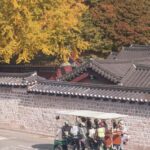
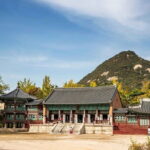
The first stop turns the volume down. You’re going to Yeongneung, the Tomb of King Sejong and Queen Soheon, and the whole point is to let the setting do some work for you. The tomb is in a serene forest area, so the visit feels respectful and slow compared with Seoul’s pace.
What makes this stop valuable is the framing. King Sejong isn’t just a name you’ve heard in school. The story here highlights that he created the Korean alphabet and pushed forward advances in science and culture. If you’ve ever wondered how Hangul fits into everyday Korea—street signs, menus, text messaging—this is where you get the why behind the letters.
Also, the tour gives you time to listen. You’ll spend about 2 hours here, which is enough for the guide’s explanation plus time to walk around and take in the atmosphere at a non-rushed speed.
You can also read our reviews of more tours and experiences in Seoul.



Yeongneung specifics: what you’ll likely notice
You’re there for a royal tomb complex tied to the Joseon Dynasty. The visit centers on King Sejong’s legacy and the significance of the place, with the Queen Soheon side also part of the stop. Even if you don’t read much on your own, the guide’s storytelling helps connect the dots.
What I like for your expectations: the time allocation. Two hours at a tomb is long enough to absorb the story and not feel like you’re sprinting between points.
A practical note: tomb visits can be visually beautiful and still feel quiet. If you get impatient in low-energy spaces, you’ll want to prepare yourself for a calmer rhythm early in the day.
Timing your energy: Yeongneung, then straight to food
After the tomb, the tour moves on to Icheon Local Food for lunch. This is where the day becomes physical—in a good way. You’re switching from history-and-stone to food you can smell, taste, and talk about.
You’ll have about 1 hour 40 minutes at the restaurant. That’s enough time to eat without feeling rushed, but not so long that you’re stuck waiting while others finish. The guide’s job here is usually to get you settled quickly so you’re not spending the first 15 minutes trying to figure out the menu.
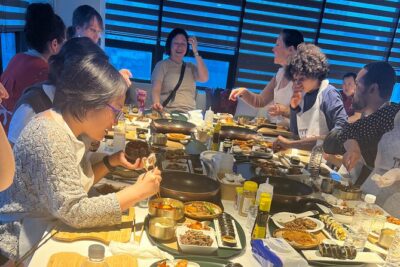
Icheon is known for producing premium rice, and the meal is built around that. You get freshly steamed Icheon rice plus a variety of traditional side dishes. In other words, you’re not eating a showy tourist plate; you’re eating something close to home-style Korean comfort food, with rice and sides leading the way.
Why this lunch is better than a quick grab-and-go
A lot of day tours “include lunch” and it’s basically a stop where everyone eats at different speeds and nobody really learns anything. Here, the lunch has a theme: Icheon rice, plus classic sides. That matters because it turns a meal into part of the story of the region you’re visiting.
What you’ll likely enjoy most: the rice itself. When rice is genuinely the star, you feel it right away—texture, softness, and the way it holds flavor alongside banchan.
One consideration: if you’re traveling with picky tastes, you’ll want to pay attention to the sides. The tour includes a variety of traditional side dishes, so your meal may include flavors you’d normally choose to skip.
Icheon Ceramic Art Village: a practical souvenir you make
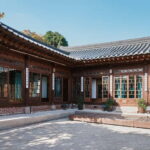
The final stop is Icheon Ceramics Village, where you’ll look at pottery made by master artisans and then try a hands-on activity: mud cup painting. You’ll have about 1 hour 30 minutes here.
This is the part of the day where you stop observing and start doing. The tour includes the mud cup painting experience fee, which is a big value point. Craft activities can be expensive when you arrive, and you don’t want to pay extra just to participate.
At the village, there’s also time for galleries and shops. That gives you a chance to compare styles—simple cups vs. more decorative pieces—so you can see what you made in the context of what’s being sold and displayed.





What mud cup painting actually gives you
A mud cup might not sound like a “major” activity, but it’s a smart souvenir choice for two reasons:
- It’s personal. Your hands did it, so it doesn’t end up feeling like a random purchase.
- It connects to the place. Icheon has a ceramic tradition that stretches across centuries, and this activity helps you understand why pottery matters there—not just as an art form, but as craft.
Practical tip for your success: treat it like a slow, careful task. Your first impulse might be to rush so you finish before the others, but the cup will look better if you take your time with shapes and paint details.
Potential drawback: creative expectations
If you go in expecting a pottery-making class where you throw clay on a wheel or do advanced glazing, you might be disappointed—this is mud cup painting. Still, the included experience fee makes it a good deal for a guided, beginner-friendly try.
How a long Seoul day actually works (and how to survive it)
This tour runs about 11 to 12 hours. That’s not short. You’re moving from Seoul’s urban energy to a slower day that includes travel time, structured stops, and a hands-on craft session at the end.
With a schedule like this, the biggest variable is outside control: traffic and weather. The tour also notes that the itinerary can shift due to those factors, so it’s smart to be flexible with your evening plans.
What helps you enjoy the day anyway:
- Wear shoes you can stand in. Tomb grounds and art village time both involve walking.
- Bring a light layer. Forest tomb areas and indoor craft spaces can feel different in temperature.
- Keep your phone charged. A mobile ticket is handy, but a dead battery is never.
Group size up to 43: good balance for a guided day
Up to 43 people may sound big, but it’s not a packed city bus. With English and Chinese speaking staff, the guide can keep the day moving while still answering questions when you raise your hand at the right moments.
If you care about details—names, dates, why Hangul was revolutionary—sit where you can hear well and stay with the group during transitions. The day is long enough that losing the thread once can make the rest feel harder to connect.
Guide experience and the small extras that make it feel human
This tour includes English and Chinese speaking staff, which is a clear win if you don’t want to rely only on your own reading at historical sites. You’re going to hear about King Sejong’s impact, understand what to look for at Yeongneung, and get guidance during the ceramic activity.
One departure featured Mr Chuck Park, described as nice and friendly. People also noted that his wife made plum juice for the group, and he provided face masks and coupons. Even if you don’t count on those exact extras every time, it tells you something about the approach: the day isn’t only about checkboxes.
What you can do to get more out of it
- Ask one or two questions early. Guides often respond best when they see you’re engaged from the start.
- During the tomb, focus on meaning over memorizing facts. If you get the big ideas—Hangul, science, culture—you’ll carry the story with you long after.
- In the ceramics stop, ask how the village tradition works. You may not get deep historical specifics, but you’ll usually learn what makes Icheon pottery distinct.
Price and value: where the $67 really goes
At $67 for a 11–12 hour day, you’re paying for three bundled components:
- Transportation for the day
- Lunch at a local-style restaurant featuring Icheon rice
- A hands-on mud cup painting experience fee included
Admission ticket details in the schedule show that the tomb and the local food stop don’t require paid admission on top of the tour. That helps keep the day predictable, especially if you’re budgeting tightly.
Value check: the best bargains are the ones where you don’t get hit with surprises at each stop. Here, the mud painting fee is handled, and lunch is included, so you can focus on enjoying rather than calculating.
If you only wanted one of these stops—just the tomb, for example—you’d usually spend more in time and transport. The real value is the combination: you get history, food, and a make-your-own ceramic item in one day.
Who this tour is best for
I’d put this tour high on your list if you:
- Like history that connects to daily life, especially Hangul and Joseon-era cultural progress
- Want a food stop that focuses on regional specialties like Icheon rice
- Enjoy hands-on activities and like bringing home a made-by-you souvenir
- Prefer guided pacing rather than piecing together Seoul-to-Icheon on your own
If you’re the type who hates long travel days, this might feel like too much. But if you can handle a full day with comfortable breaks for lunch and the craft session, it fits well.
Should you book it?
Book this tour if you want a structured day that mixes King Sejong’s legacy, a proper Icheon rice lunch, and a practical craft activity you can take home. The included mud cup painting fee and the fact that lunch is part of the plan make the $67 feel more like a bundle than a basic sightseeing ticket.
Skip it if you’re sensitive to long days or you need every hour to be high-energy. This is a calmer, story-driven morning and a creative, slower finish—then it’s back out into the real world of Seoul traffic.
FAQ
How long is the Royal Tomb of King Sejong & Icheon Ceramic Tour?
It runs about 11 to 12 hours.
What does the tour cost?
The price is $67.
What’s included in the price?
Transportation, English and Chinese speaking staff, lunch, and the mud cup painting experience fee are included.
Do I need to buy admission tickets separately?
The schedule shows admission ticket free for the Yeongneung stop, and the local food stop is also listed as admission ticket free.
How many people are in the group?
The tour has a maximum of 43 travelers.
What is the cancellation policy?
You can cancel for a full refund up to 24 hours before the experience starts. If you cancel less than 24 hours before the start time, the amount paid won’t be refunded.