REVIEW · SEOUL
Private DMZ Tour (No Shopping): 3rd Tunnel & Suspension Bridge
Book on Viator →Operated by PLK TRAVEL · Bookable on Viator
A DMZ trip that feels personal. This private, air-conditioned day tour from Seoul connects the stories at Imjingak Park and Dora Observatory with the concrete reality of the Third Infiltration Tunnel, all with your own guide and zero shopping pressure. I really liked how the experience stays focused on what you came for, and how guides like Tiger and Marie are praised for turning the drive into a live history lesson. One thing to keep in mind: even with a private tour, you may still need to follow the standard DMZ entry process, which can include joining shared transportation at checkpoints.
You also get a real choice at the end: a suspension bridge option built around the Korean War’s human cost. I like that you’re not stuck with one plan if weather or timing gets weird. The main drawback to watch for is that the day depends on access and conditions, so parts of the route can shift and not everything may run exactly as expected.
In This Review
- Key Things That Make This DMZ Tour Worth Your Time
- Private DMZ Comfort: What You’re Really Paying For
- Price and Logistics That Affect Your Day (Not Just Your Wallet)
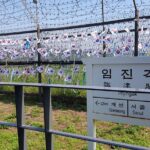
- The Start at Imjingak Park: Where Division Becomes Personal
- Bridge of Freedom
- Mangbaedan altar
- The destroyed steam locomotive
- Entering the DMZ Process: ID Check and Time Sense
- The Third Infiltration Tunnel: Cold Engineering, Real Intent
- Dora Observatory on Mt. Dora: Seeing Without Going
- Bridge Choice: Mountain Bridge vs Majang Lake Suspension Bridge
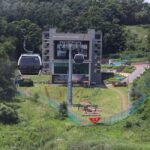
- Option 1: Gamaksan Chulleong Bridge (Mountain Bridge of Majang Lake area)
- Option 2: Majang Lake suspension bridge
- Guide Matters: The Difference Between Hearing and Understanding
- Timing, Energy, and What to Bring
- Who Should Book This Private DMZ Tour
- Should You Book? My Decision Guide
- FAQ
- How long is the DMZ tour?
- Is pickup from my Seoul hotel included?
- What are the main stops on this tour?
- Is lunch included in the price?
- Do I need a passport, and what info is required?
- What is the dress code?
- Can I choose between the two bridge options?
- What if the tour can’t go forward due to weather or access changes?
- What is the cancellation timeframe?
Key Things That Make This DMZ Tour Worth Your Time
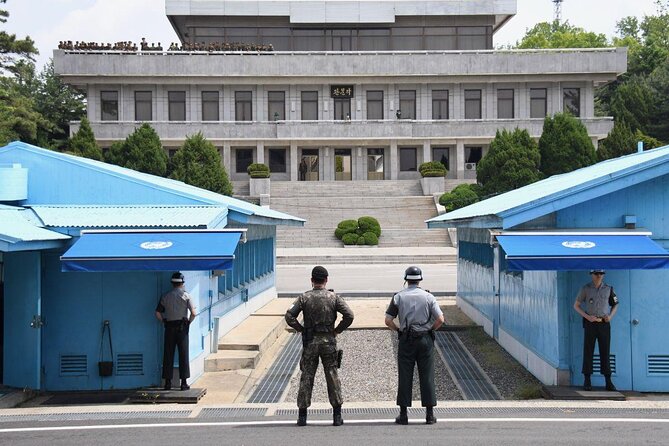
- Private, air-conditioned transport with hotel pickup, so you start the day calmer than the group chaos.
- Third Tunnel + Dora Observatory in one long day, which is the easiest way to connect the DMZ’s underground and high-up views.
- Imjingak Park first, with familiar points like the Bridge of Freedom and a destroyed steam locomotive setup that sets the tone.
- Bridge choice at the end (Mountain Bridge of Majang Lake vs Majang Lake suspension bridge), so you can match your energy level to your day.
- Guides with real depth, including Tiger, Marie, Alfonso, and Won, who are repeatedly highlighted for strong on-the-ground context and clear English.
Private DMZ Comfort: What You’re Really Paying For
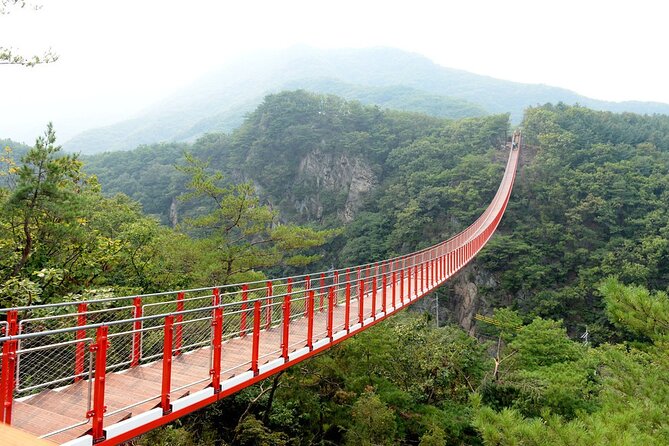
This isn’t just a ticket to the DMZ. You’re paying for how the day is paced.
With pickup from your Seoul hotel and private transportation, the trip feels controlled. You’re not spending energy trying to keep up, translate crowd instructions, or wait in a line where everyone is guessing what comes next. The tour is built for 8 to 9 hours, which is long enough to cover serious sites without turning into a frantic sprint.
The other value is the “no shopping” premise. DMZ tours often get padded with retail stops because they’re easy for operators to manage. Here, the focus stays on the core stops: Imjingak Park, the Third Tunnel, Dora Observatory, and then one of the bridge options. That matters, because when you have limited time inside regulated zones, wasted minutes feel brutal.
And yes, there’s still DMZ reality. Access and entry procedures are regulated, so your private guide may still have you align with the standard entry flow. One reviewer flagged that the DMZ visit could involve joining the standard bus process, even though the guide experience is private. If you’re the type who hates mixing with strangers at checkpoints, that’s the main “temper expectations” point.
You can also read our reviews of more private tours in Seoul
Price and Logistics That Affect Your Day (Not Just Your Wallet)
At $198 per person for a private full-day tour, the price is in the middle-to-higher range for Seoul day trips. Here’s how I’d judge whether it’s a good deal for you:
- If you’re going with a small group, the “private” factor can be worth it fast. You get a dedicated guide and vehicle instead of buying into a mass-tour schedule.
- If you care about the story behind what you’re seeing, this is where the guide quality matters. Multiple guides (Tiger, Marie, Alfonso, Won) are singled out for making the day feel connected and not rushed.
- If you’re easily stressed by logistics, the private pickup and air-conditioned ride can save you more than you think.
What’s not included: lunch. That’s a big practical detail. You’ll likely want to plan for a meal break during the day rather than counting on it being handed to you. Also, expect smart casual dress. The day can include walking, plus you’ll be in a regulated environment where you want to be comfortable without looking sloppy.
Finally, make sure your passport details match what’s required at booking. The tour needs your passport name, number, expiry, and country, and you’ll need a current valid passport on the day.
The Start at Imjingak Park: Where Division Becomes Personal
The day begins with preparation and the right emotional tone. Before you head deeper into the DMZ area and do ID check, you pause at three key points at Imjingak Park. This is a smart order because it grounds the day in context before you move toward the more technical sites like the tunnel and the observatory.
Stop-by-stop, this is what you’ll see and why it matters:
Bridge of Freedom
This spot is built around the idea of separation and longing. Even if you’ve read headlines about Korea’s division, seeing the symbolic sites first helps you understand why the later views across the border hit harder.
Mangbaedan altar
This is where the emotional weight gets specific. Mangbaedan is an altar where North Korean refugees in the South hold ancestral rites on major holidays, honoring parents and grandparents they left behind. It’s not a generic memorial. It’s tied to real family rituals, which makes the whole DMZ experience feel less like a museum and more like living history.
You can also read our reviews of more shopping tours in Seoul


The destroyed steam locomotive
You also stop for a steam locomotive destroyed during the Korean War. It’s one of those objects that instantly turns abstract war history into something you can stand next to. You’ll be able to connect it to the later underground engineering you’ll see in the Third Tunnel.
These early stops are only about 30 minutes total, but they work like a briefing. You’re not just ticking sights; you’re building a mental map.
Entering the DMZ Process: ID Check and Time Sense
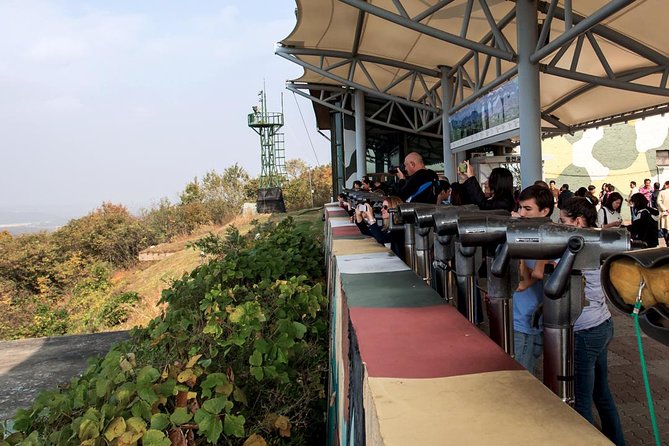
Once you’re at the DMZ area, you’ll go through ID check. The timing here matters because lines and access windows can affect how smoothly the rest of the day flows.
This is where a private guide earns their fee. Instead of you guessing what’s happening, you have someone to help you stay calm and organized. The best guides also prepare you for the fact that routes can change due to weather, traffic, or military training schedule changes. If rain comes in or visibility drops, you’ll be glad you’re not trying to improvise.
Practical tip: keep your phone charged and be ready for limitations on photos in restricted zones. The itinerary is designed around what can be accessed and seen on your day, not around a perfect photo checklist.
The Third Infiltration Tunnel: Cold Engineering, Real Intent
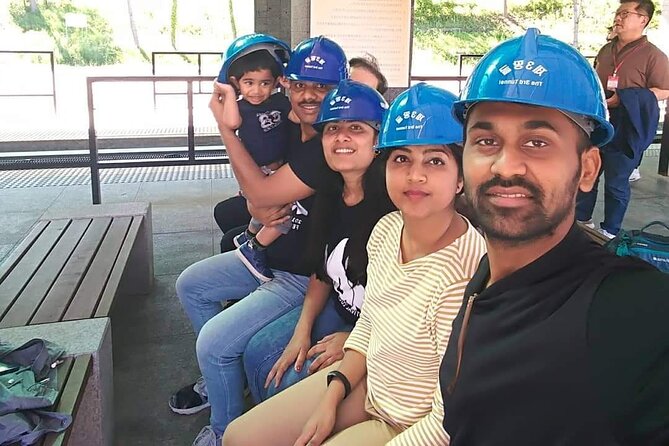
The heart of this tour is the Third Infiltration Tunnel. If you want one stop that makes the DMZ feel concrete, this is it.
You’ll learn that the tunnels were dug by North Korea southward under the DMZ. The third tunnel is located 12 km from Munsan and 52 km from Seoul, and it was discovered on October 17, 1978. Even if you don’t memorize all the facts, the scale and purpose come through: this was planned movement, not a random accident.
You’ll have about 40 minutes here. That’s usually enough time to do three things:
1) read and listen carefully,
2) take in the space and engineering details,
3) absorb why this tunnel is different from surface-level defenses.
Important reality check: the tunnel experience can be physically and mentally intense. It’s not a long hike, but it’s enclosed and designed to be understood through proximity and design. Wear comfortable clothing and keep your pace steady.
Dora Observatory on Mt. Dora: Seeing Without Going
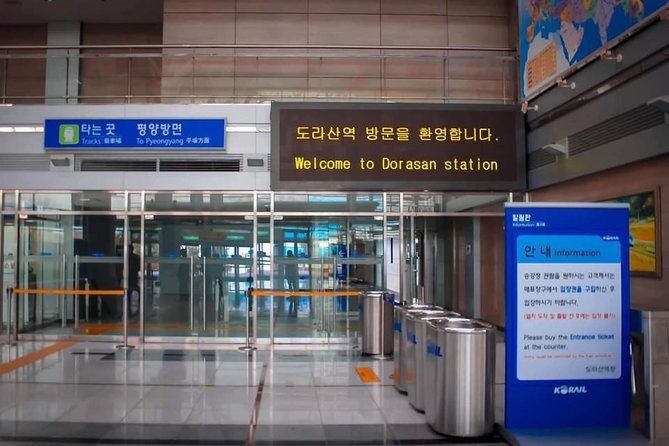
Next comes Dora Observatory, on top of Mt. Dora. This is the northernmost observatory on the west side of the Republic of Korea and opened in January 1987.
On clear days, you can see across toward key points such as the Gaeseong Industrial Complex and Mt. Songak in Gaeseong. Even when the weather isn’t perfect, the observatory matters because it changes your angle on the DMZ. The tunnel is underground planning; the observatory is the view from a controlled vantage point.
You’ll have about 20 minutes here, which sounds short until you realize observatories are designed to be “look and learn,” not wander and snack. This stop pairs well with the earlier Imjingak context because you’re moving from symbolism to controlled observation.
Also note the tour includes a stop connected to wishing for peace and reconciliation—built to transform the symbol of division and tension into a message of reunion and co-prosperity. That theme is what ties the whole day together.
Bridge Choice: Mountain Bridge vs Majang Lake Suspension Bridge
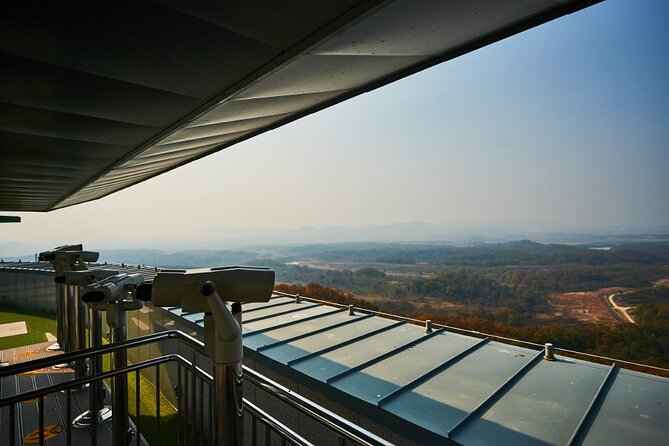
After a day of regulated access, the bridge portion becomes a different kind of experience: a walkable finale with big views and a strong war-history frame.
You choose between two options:
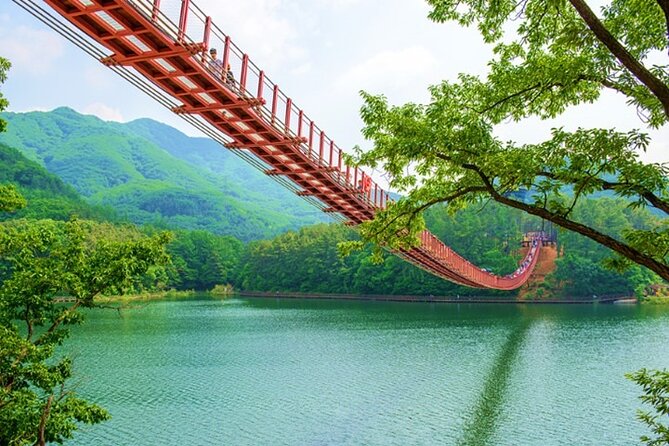
Option 1: Gamaksan Chulleong Bridge (Mountain Bridge of Majang Lake area)
This includes a short hiking component: about 15 minutes of walking to reach the top. The bridge is described as one of the longer suspension bridges of Korea, around 150 meters.
This isn’t just a photo spot. It’s connected to the Korean War battlefield context, which helps explain why the bridge is part of a DMZ tour package rather than a random nature add-on.
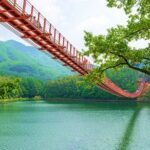
Option 2: Majang Lake suspension bridge
This option focuses on Majang Lake’s war memory. You’ll get about 40 minutes here, framed around the Allied forces fighting there and the sacrifices made during the Korean War. The time on site is shorter than the tunnel but long enough to take in the setting and reflect.
If you’re deciding based on energy: the Mountain Bridge option includes that walk to the top, so if your legs get tired easily, the Majang Lake option may feel easier. Either way, don’t expect a carefree stroll. This is still part of a historically heavy day.
Weather matters here too. One highlight from the guide approach: when conditions make one bridge less practical, a good guide may adjust the plan and take you to an alternative viewpoint instead of forcing the original stop.
Guide Matters: The Difference Between Hearing and Understanding
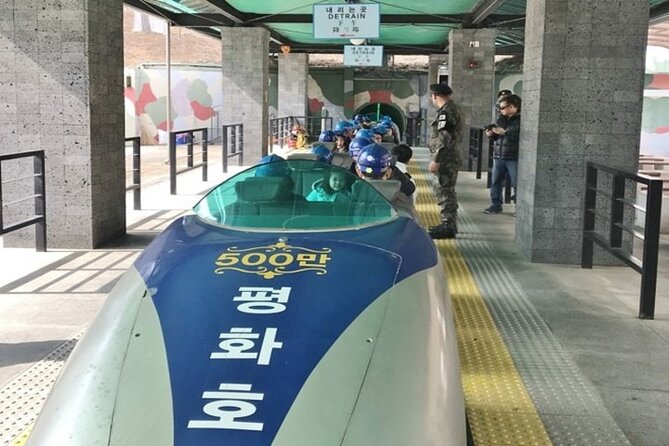
Here’s what I’d treat as the standout pattern: the guides are repeatedly praised for turning the day into something you can actually process.
Guides such as Tiger and Marie are highlighted for a mix of:
- clear explanations while driving,
- good handling of busy entry times,
- improvisation when schedules get pressured by weather or crowd timing,
- strong English, plus real first-hand context in the DMZ and related military perspectives.
Some names you’ll see associated with high praise include Tiger, Marie, Alfonso, and Won. If you’re picky about guide style—more storytelling vs more structure—this is the one place where private tours can feel like a personal upgrade.
Also, one very practical detail: if your guide recommends timing tweaks like leaving earlier to beat crowds, it’s often worth listening. Even a small schedule adjustment can change how smoothly your tunnel visit runs.
Timing, Energy, and What to Bring
This tour is 8 to 9 hours, and it includes structured stops plus waiting time that comes with controlled border zones. You’ll want to dress for that whole span.
What to consider:
- Smart casual clothing is required. Choose layers.
- Comfortable shoes matter, especially if you pick the bridge that includes a 15-minute walk.
- Lunch is not included. Plan for a meal during the day, or at least be ready to purchase one if needed.
- Keep your passport handy and double-check details you provide at booking.
Also, pack your patience. The DMZ isn’t like a normal museum day. Rules, weather, and access windows shape what happens.
Who Should Book This Private DMZ Tour
This is a strong fit if:
- You want a private guide instead of trying to herd yourself through checkpoints.
- You care about connecting multiple DMZ sites in one day: Imjingak Park → Third Tunnel → Dora Observatory → bridge finale.
- You want value beyond seeing places—meaning you want explanations that make the sites click.
It’s also good for families or groups of friends who want flexibility. The “private comfort” plus guide attention makes it easier to ask questions and adjust pace.
If you’re traveling solo, you’ll likely need to check the minimum of 2 people per booking requirement, since the tour is set up with that constraint.
Should You Book? My Decision Guide
If you’re choosing between a bargain group DMZ tour and a private one, I’d pick this style of tour when you value clarity and comfort.
Book it if:
- you’d rather spend the day with your guide than trapped in a rigid group rhythm,
- you want the Third Tunnel and Dora Observatory combined with Imjingak context,
- you prefer a “no shopping” schedule so your hours stay focused.
Skip or rethink if:
- you hate the idea that the DMZ entry process can still involve standard shared transportation steps,
- you’re very sensitive to schedule changes from weather or access rules.
Bottom line: this tour makes sense when you want the DMZ day to feel like a guided narrative, not just a checklist.
FAQ
How long is the DMZ tour?
The tour runs about 8 to 9 hours.
Is pickup from my Seoul hotel included?
Pickup is offered, and the tour includes private transportation in an air-conditioned vehicle.
What are the main stops on this tour?
You’ll visit Imjingak Park (including the Bridge of Freedom, Mangbaedan, and a destroyed steam locomotive), the Third Infiltration Tunnel, Dora Observatory, and one of the bridge options: Gamaksan Chulleong Bridge or Majang Lake suspension bridge.
Is lunch included in the price?
No. Lunch is not included.
Do I need a passport, and what info is required?
Yes. You need a current valid passport on the day of travel, and you must provide passport name, number, expiry, and country at booking.
What is the dress code?
Dress code is smart casual.
Can I choose between the two bridge options?
Yes. The tour offers a choice between the Mountain Bridge of Majang Lake (Gamaksan Chulleong Bridge) and the Majang Lake suspension bridge.
What if the tour can’t go forward due to weather or access changes?
The schedule can change due to weather and other unexpected factors. If the experience is canceled due to poor weather, you’ll be offered a different date or a full refund.
What is the cancellation timeframe?
You can cancel for a full refund up to 24 hours before the experience starts.