REVIEW · SEOUL
Seoul: Highlights of Seoul Full-Day Tour
Book on GetYourGuide →Operated by I LOVE SEOUL TOUR Co., Ltd. · Bookable on GetYourGuide
Seoul hits different when you see it in chapters. This full-day tour strings together palace ceremony, traditional hanok streets, and big-city views, all with a live English guide. You’ll move from history to modern Korea in a clean, well-paced loop that’s easy to follow.
What I really like is the mix: you get the changing of the royal guards at Gyeongbokgung Palace, then you cool down with quieter photo stops around Bukchon and Bugaksan Mountain. I also love the human touch—guides like Chloe and Sunny are repeatedly praised for humor, clear explanations, and helping people take great photos (especially solo travelers).
The main thing to consider is the walking. Even though you travel by minivan/coach, you still spend a lot of the day on your feet, and the tour isn’t designed for wheelchair users.
In This Review
- Key highlights worth your attention
- How This 8-Hour Seoul Day Is Built (and why it works)
- Gyeongbokgung Palace and the Royal Guard Changing Ceremony
- Bukchon Hanok Village: Traditional Houses, Real Neighborhood Feeling
- Bugak Palgakjeong on Bugaksan: Seoul Views Without the Hurry
- Cheongha Korean Ginseng Museum: Shop Smarter, Not Harder
- Gwangjang Market Lunch Break: Eat on Your Own Schedule
- War Memorial of Korea: Learning Context Beyond the Headlines
- Jogyesa Temple and Tapgol Park: Buddhism and Independence Memory
- Ending Near Myeongdong Cathedral: Wrap Up and Keep Exploring
- Price and Value: Is $60 Fair for This Seoul Route?
- Who This Tour Fits Best
- Should You Book This Full-Day Seoul Tour?
- FAQ
- What’s included in the $60 price?
- Do I need to pay for lunch?
- How long is the tour, and is there a minimum walking time?
- Where do I meet if I’m not using hotel pickup?
- Does the tour run in bad weather?
- Is the tour suitable for wheelchair users?
Key highlights worth your attention
- Gyeongbokgung Palace + guard changing: Korea’s royal show, plus context for what you’re seeing.
- Bukchon Hanok Village photo time: classic streets of traditional houses that still feel lived-in.
- Bugak Palgakjeong (Bugak Pavilion): panoramic views from a calmer hilltop stop.
- Cheongha Korean Ginseng Museum shopping: a focused stop where you can compare ginseng products in one place.
- War Memorial of Korea: a serious museum visit built into a day that also includes cultural sites.
- Tapgol Park, plus a Squid Game tie-in: a small park with a big independence-story moment.
How This 8-Hour Seoul Day Is Built (and why it works)
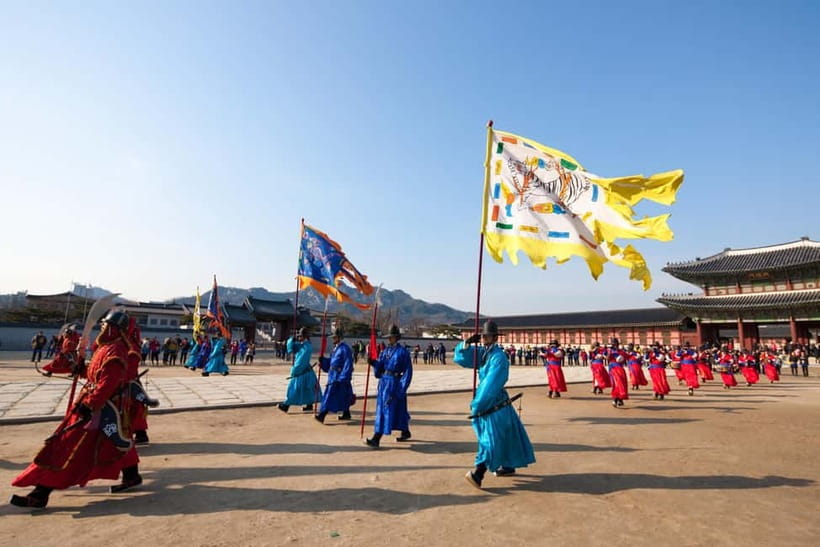
This is the kind of Seoul tour you book when you want direction, not stress. In about 8 hours, you’ll hit several major anchors—palace, historic neighborhoods, a mountain-view pavilion, museums and temples, and a final stop near Myeongdong. The route makes sense: early for the palace and hanok areas, then later for museums and religious/historic sites, ending close to a busy shopping district.
You’ll travel in an air-conditioned minivan or coach with a local English-speaking guide. If you choose the optional pickup, it’s from central Seoul areas like Gangnam, Myeongdong, Gwanghwamun, Itaewon, and Dongdaemun, with pickup windows listed between 7:20 AM and 8:40 AM. If you don’t do pickup, plan to meet outside Myeongdong Station Exit 10, next to Sejong Hotel.
One detail I think matters: the tour runs rain or shine. So wear shoes you trust. You’re outside for views and for hanok streets, and you don’t want your day to be about blisters.
You can also read our reviews of more tours and experiences in Seoul

Gyeongbokgung Palace and the Royal Guard Changing Ceremony
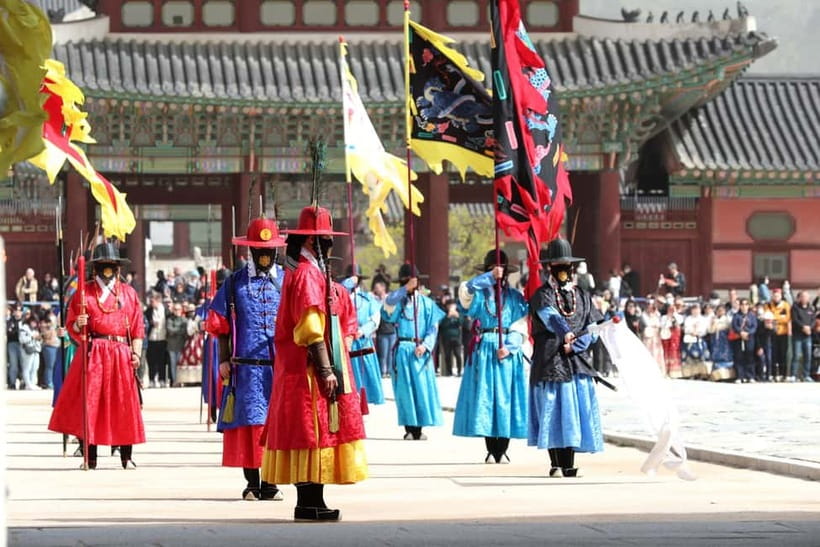
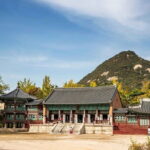
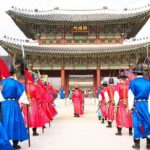
Start strong at Gyeongbokgung Palace, the one you’ll hear described as the most beautiful of Korea’s five grand palaces and the largest remaining complex. This stop is the “big opener” of the day for a reason: palace architecture gives you an instant sense of scale, and it’s easier to understand Korean history when you’re standing in the real setting.
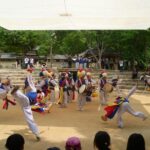
A big part of why people get excited here is the Palace Royal Guard Changing Ceremony. It’s not just a photo moment. The ceremony is one of those experiences where the guide’s explanations really help you connect the movement and symbolism to the place. If you only do one formal-style royal sight in Seoul, this is a good bet because it gives you both the site and the show.
Practical tip: arrive with your head up and your phone ready, but also slow down for a few minutes. Palace yards can make you feel rushed—your guide will keep things moving, yet you’ll get enough time to take in the details and not just chase the next group photo.
Bukchon Hanok Village: Traditional Houses, Real Neighborhood Feeling
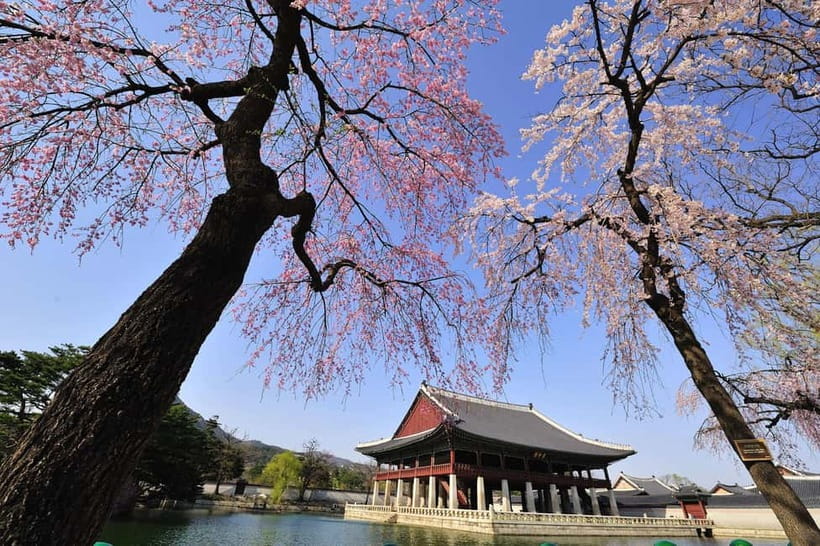
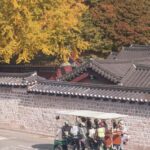
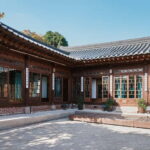
After the palace, you shift gears to Bukchon Hanok Village—literally the northern village. This is where Seoul stops feeling like a modern city and starts feeling like a set of lived-in homes: many hanok buildings here operate as cultural centers, guesthouses, and restaurants. That matters because it doesn’t feel like you’re walking through a theme park. You’re in a neighborhood that still works.
You’ll get a guided walk—about 30 minutes—and the goal is straightforward: let the streets and traditional Korean houses do the talking, then add your guide’s context so your photos mean something. Think of this as your visual reset. Palace walls are formal; Bukchon lanes are intimate. You’ll feel the difference as soon as you step into the area.
A quick advice for photos: don’t aim only at the biggest view. In Bukchon, small angles—curved roof lines, doorways, and alley perspective—often look better than trying to cram an entire building into one frame.
Bugak Palgakjeong on Bugaksan: Seoul Views Without the Hurry
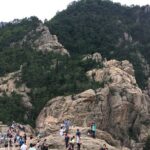
Next comes the view stop: Bugak Palgakjeong, also called the Bugak Pavilion. This pavilion sits on the slopes of Bugaksan Mountain, so it gives you panoramic Seoul views while still feeling like a breather from the city. You’ll spend about 40 minutes here with guided time to absorb the scenery and take photos.
What I like about a stop like this is how it changes your understanding of Seoul. In the city, everything looks flat and close together. From the pavilion, you see how the hills and neighborhoods stack and spread. Even if you’ve seen Seoul from rooftops before, this one tends to feel calmer because it’s not a loud viewpoint.
Bring a layer. Even if it’s comfortable in the morning, mountain air can feel different. And because the tour runs year-round, it’s smart to plan for cold mornings if you’re going in winter.
Cheongha Korean Ginseng Museum: Shop Smarter, Not Harder
Now for a practical, shopping-based stop: Cheongha Korean Ginseng Museum. This is where the tour focuses on one product category—Korean ginseng—rather than random souvenirs. You’ll have around 30 minutes for shopping, and the guide explains the background: ginseng was referenced in an old Chinese work called Ji Jiu Zhang during the Han dynasty as a medicinal herb used widely across the region. It’s also described as a “panacea” in traditional belief, and Korean ginseng is noted in studies for strong adaptogenic properties.
Here’s my balanced take: this stop can be great if you actually want ginseng products and prefer buying in a structured setting. It’s also a potential “tour stop tax” if your goal is only photos and wandering—because the shopping time is time you could spend elsewhere.
How to handle it:
- Set a simple budget before you enter.
- Decide whether you want red ginseng, extracts, or tonics, then compare within that category.
- If you’re unsure what to buy, ask the guide questions in plain terms (what it’s for, how it’s used, what form you prefer).
Also, a heads-up from real-world experience: some ginseng shops can feel pricey compared with regular markets. If that’s a concern, shop with a plan, not on emotion.


Gwangjang Market Lunch Break: Eat on Your Own Schedule
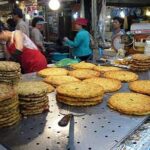
Lunch is built in at Gwangjang Market, described as Korea’s first market. The tour gives you time to eat at your own expense, with the selection positioned as high-quality at good prices. The market is also famous for food, so this is a convenient way to grab lunch without guessing which spots are easiest to reach.
I like this design because it gives you freedom. You’re not locked into a single set menu, and you can choose what matches your appetite that day. If you’re a foodie, Gwangjang Market is one of the places where you’ll likely find multiple options that feel both local and snackable.
Practical tip: bring cash for more flexibility. It’s not required everywhere, but having cash in a market setting helps you move faster when you’re hungry. And since you’re also walking a lot, don’t make lunch a “research project.” Decide quickly, eat well, then get ready for the afternoon.
War Memorial of Korea: Learning Context Beyond the Headlines
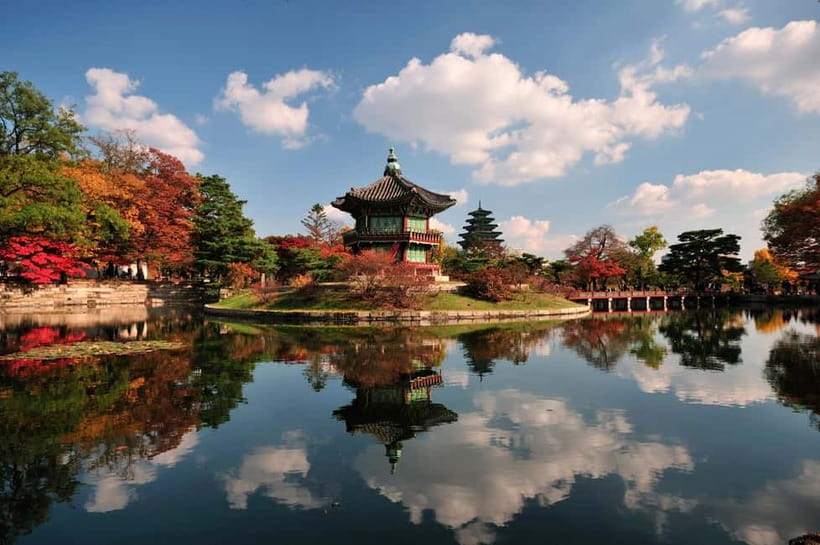
After lunch, your itinerary turns more reflective with the War Memorial of Korea. It’s a museum established in 1994, and the focus is on learning to prevent war through lessons from the Korean War, with hope for reunification of North and South Korea.
This is the kind of stop that benefits from a guided structure. Without context, you can see exhibits and still miss the through-line. With your guide, the museum becomes part of a bigger story about how modern Korea thinks about conflict, memory, and reconciliation.
Time here is about 1 hour. That’s enough to get oriented and leave with clear ideas, but not enough to read every label like you’re doing a master’s thesis. So use the hour strategically: focus on the themes your guide points to, and don’t try to absorb everything word-for-word.
Jogyesa Temple and Tapgol Park: Buddhism and Independence Memory
Two final “culture and history” stops close out the day’s core.
First is Jogyesa Temple, the chief temple of the Jogye order, representing Korean Buddhism. The tour frames it around community life and the spirit of the bodhisattva, and notes the temple as a historic site that lived through Korea’s turbulent modern history. Even if you’re not deeply religious, temples give you something useful: a sense of how daily life and spiritual practice have shaped spaces in the city.
Next is Tapgol Park, near Insadong. This park is famous for where the March 1st Korean Independence Movement began in 1919. It’s also a fun pop-culture link: Tapgol Park is briefly featured in Squid Game Season 2, episode 1, tied to a scene with lottery tickets and bread.
I like this pairing because it creates a balance. Jogyesa reminds you of long spiritual roots; Tapgol Park reminds you of political courage and historical memory. Together, they help you understand why Seoul feels layered. You can’t reduce it to one theme.
Ending Near Myeongdong Cathedral: Wrap Up and Keep Exploring
The tour concludes near Myeongdong Cathedral, close to Myeongdong Station. This ending spot is practical. Myeongdong is one of the easiest places to continue the day on your own—whether you want late snacks, shopping, or just a casual walk after a full day of walking and buses.
If you want a smooth finish, plan a light evening after the cathedral stop. This day includes palace walking, hanok streets, a mountain-view pavilion, and a major museum. Your legs will know it.
Also, remember a key rule: meeting the tour at Gyeongbokgung Palace after it has started is not permitted, and contacting the guide once the tour is in progress is not allowed. So get to the meeting point early and don’t assume you can hop in midstream.
Price and Value: Is $60 Fair for This Seoul Route?
At $60 per person for a roughly 8-hour guided day, the value is strongest when you want convenience and you’re okay with a full schedule. Here’s what you’re paying for beyond “someone showing you sights”:
- Entrance fees are included, which helps when you’re stacking multiple major locations.
- You get a local English guide for the full arc of the day.
- You travel by air-conditioned minivan/coach, which saves time versus piecing together transit in rush-hour traffic.
- You get structured stops that cover palace ceremony, traditional neighborhood walking, a view pavilion, a major museum, and two historic/cultural sites.
The main “cost” isn’t money—it’s energy. You’re trading free time for a tight route. If you’re the type who likes lingering slowly, you may find the timing a bit fast. If you’re the type who wants a high-impact overview, this is a strong way to do Seoul efficiently.
Food is the one clear add-on: lunch at Gwangjang Market is at your own expense, and drinks are not included. Still, markets are usually where budget-friendly meals happen, so it’s not a huge surprise.
Who This Tour Fits Best
This tour makes sense if:
- It’s your first time in Seoul and you want a guided introduction across major neighborhoods.
- You want both classic sites and story-driven context, from palace ceremony to independence history.
- You prefer a planned route with transportation handled, especially if you don’t want to coordinate between far-apart stops.
It may not fit if:
- You need step-free access. It’s not suitable for wheelchair users.
- You want to spend the day moving slowly with long, relaxed breaks.
- You’re only interested in shopping or only in nightlife—this day is built for culture, history, and views.
Should You Book This Full-Day Seoul Tour?
If your goal is to get oriented quickly and see a lot of Seoul in one day without figuring out logistics, I’d book it. The route hits the big emotional beats—royal ceremony, hanok neighborhood charm, mountain views, and a museum that brings history into focus—then finishes in Myeongdong so you can keep exploring.
Skip it only if you’re sensitive to walking or you want a slow, minimal-schedule day. Otherwise, this is a good value way to spend limited time in Seoul—especially with an English guide who keeps the day fun while still explaining what you’re looking at.
FAQ
What’s included in the $60 price?
Entrance fees, a local guide, and transportation by air-conditioned minivan or coach are included. Hotel pickup is included only if you select the pickup option.
Do I need to pay for lunch?
Lunch is not included. You’ll have time to eat on your own during the stop at Gwangjang Market.
How long is the tour, and is there a minimum walking time?
The tour lasts about 8 hours. It includes multiple guided walks and outdoor viewing, so comfortable shoes are a must.
Where do I meet if I’m not using hotel pickup?
Meet outside Myeongdong Station Exit 10, next to Sejong Hotel.
Does the tour run in bad weather?
Yes. The tour takes place rain or shine.
Is the tour suitable for wheelchair users?
No. This tour is not suitable for wheelchair users.