REVIEW · SEOUL
Seoul Film Camera Club
Book on GetYourGuide →Operated by Seoul Film Camera Club · Bookable on GetYourGuide
Hongdae changes fast, but film slows you down. This small-group shoot with Kinam turns Seoul’s street energy into something you can hold. I like that you press the button while he handles the rest, including development and a scan you can download later. You also get a guided look at Yeonnam-dong streets that most people just walk past.
I especially love the beginner-friendly setup: you get an automatic Canon film camera, plus Kodak film. That means you can focus on framing and timing instead of fighting settings. Kinam also explains how to use the camera in plain language and weaves in local context so the photos feel tied to the neighborhood, not random snapshots.
One consideration: you’re limited to one roll (36 shots), so you’ll want to slow down and choose carefully. If you’re the type who wants to shoot constantly on a phone, this will feel more intentional than free-form.
In This Review
- Key Things I Think You’ll Notice Right Away
- Hongdae Through a Film Lens
- Your 3-Hour Walk in Yeonnam-dong and the Maze Road
- Shooting With an Automatic Canon and Kodak Film
- The Real Value: Kinam’s Local Storytelling
- After the Walk: Development, Scanning, and Your Download Link
- Price and Value: Is $55 Worth It?
- Who This Tour Fits Best (and Who Might Skip It)
- Meeting at Hongik University: A Simple Start
- Should You Book Seoul Film Camera Club in Hongdae?
- FAQ
- How long is the Seoul Film Camera Club experience in Hongdae?
- Where do I meet the guide?
- How many people are in the group?
- What camera do I use?
- Is film included?
- Do I get my photos back after the tour?
- Is the tour guide available in English?
- Are meals or drinks included?
- Can I cancel for a refund?
- Can I reserve now and pay later?
Key Things I Think You’ll Notice Right Away
- Small group, max 4 participants: more attention from Kinam and less standing around.
- Automatic Canon + Kodak roll: you can concentrate on composition, not settings.
- Hongdae through Yeonnam-dong and Maze Road: a route built for narrow streets and photo stops.
- You shoot, then they develop and scan: a true film experience without the hassle at home.
- Download link after scanning: your photos come back in a practical, shareable format.
- Local tips on the area: Kinam’s neighborhood knowledge adds value beyond the camera work.
Hongdae Through a Film Lens
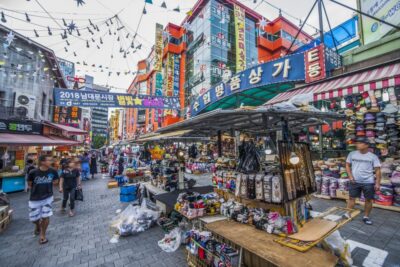
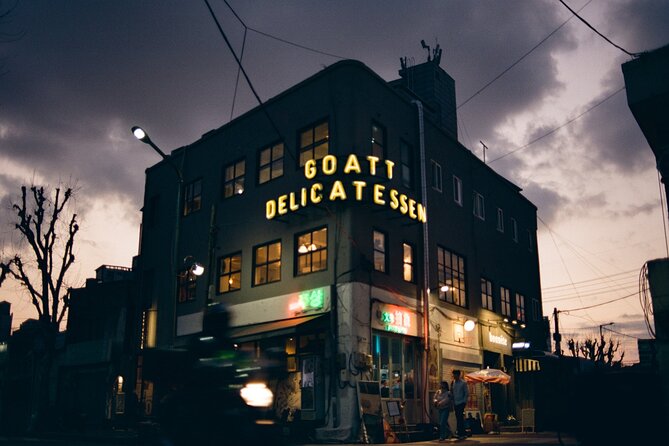
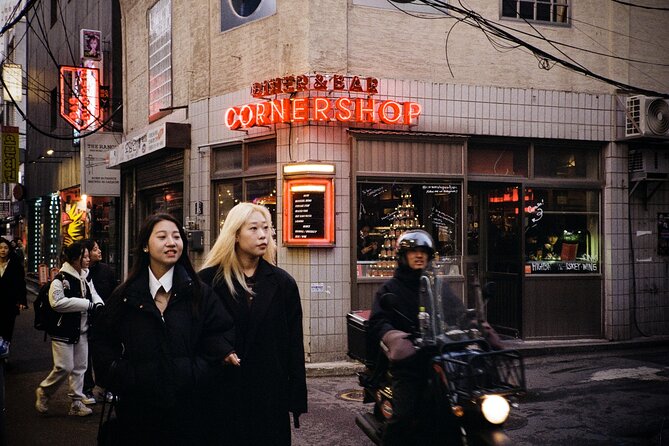
Hongdae is one of those Seoul neighborhoods that feels designed for cameras. Street art, music culture, side streets, and that constant buzz make it tempting to overshoot. Film flips the script. With a roll in your hands, you start thinking like a photographer, not like a content machine.
What makes this experience work is the balance between structure and spontaneity. You walk with a guide who knows where the visuals are likely to land, but you still control the moment you capture. The result is that your photos don’t just document Hongdae. They reflect how you chose to see it.
I also like how Kinam connects the photos to place. In several cases, the explanations aren’t just technical. They help you understand what you’re looking at and why those narrow lanes and small storefront scenes matter in this part of Seoul. That turns the walk into a story, not a checklist.
The vibe is relaxed, not stiff. You’re not being rushed from one perfect shot to the next. And because the group is small, you’re more likely to get help when something feels unclear, especially if you’re new to film.
You can also read our reviews of more tours and experiences in Seoul.


Your 3-Hour Walk in Yeonnam-dong and the Maze Road

The core of the experience is a 3-hour photo trip that centers on Hongdae and specifically the Yeonnam-dong area. You’ll be out walking, stopping for photos, and hearing neighborhood context along the way.
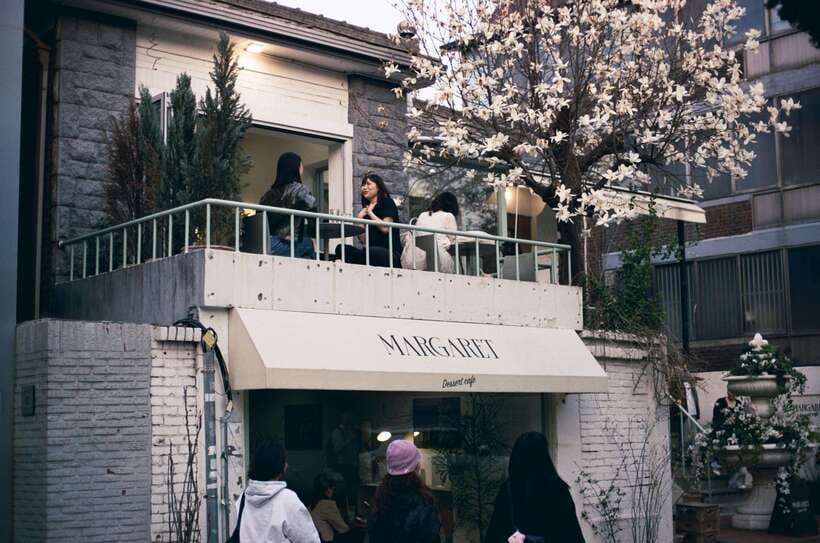
The standout thread is the Maze Road stop. Even if you’ve heard of Hongdae, it’s easy to miss the quieter, more photogenic angles. Maze Road and nearby alleys give you that winding, slightly secret feeling where a single frame can capture layers: street texture, signage, back entrances, and the everyday details people ignore.
Here’s what you should expect during the walk:
- Photo stops where Kinam helps you spot what’s worth shooting.
- Short guided moments so you understand what you’re seeing.
- Time to actually shoot, not just look.
A drawback to keep in mind: it’s not a long trek. At three hours, you’ll cover a smart route, but you won’t have endless time to wander wherever your feet want. If you love maximum roaming time, you might want to pair this with free exploration on your own after.
Shooting With an Automatic Canon and Kodak Film
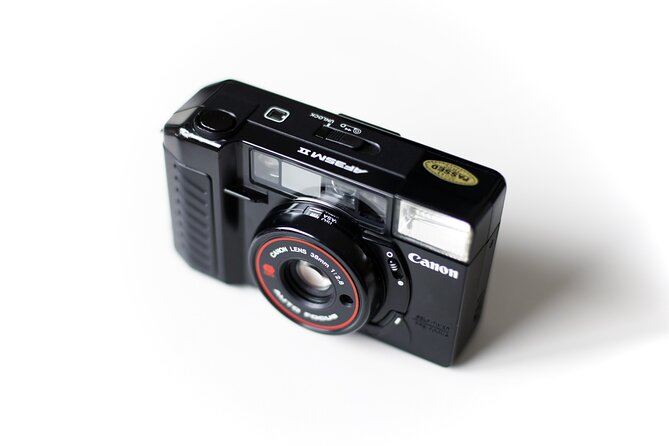
This is where the experience becomes beginner-friendly without turning into a lecture. You’ll be given an automatic Canon film camera and Kodak film (a 36-shot roll). That matters because it removes a big barrier. You don’t need to be a camera nerd to get results.
In plain terms, the format is simple:
- You take the photos.
- Kinam and the experience team handle the film development and scanning afterward.
- You receive a download link so you can view the scans digitally.
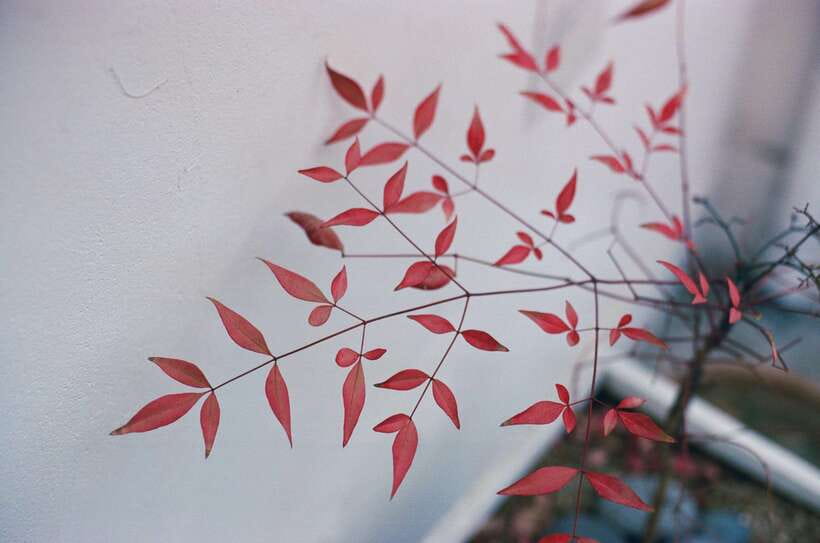
For your brain, that’s a relief. Instead of spending the tour troubleshooting exposure or focus, you can pay attention to composition, light, and timing. You start noticing things like how shadows fall between buildings, how side streets look different from the main walking lanes, and how people and storefronts create natural frames.
If you’re brand new, you’ll probably appreciate the slow, clear approach Kinam uses. Based on the experience’s feedback, Kinam explains the basics in a way that makes sense quickly, and he’s patient if you need to try again.
One practical tip: with only 36 shots, your goal is fewer, better decisions. Think about what you want the final scan to say. A film roll rewards intention.
The Real Value: Kinam’s Local Storytelling

This tour isn’t just about cameras. The tour’s biggest strength is Kinam’s relationship with the neighborhood around Hongik University.
The guides’ explanations seem to do two things well:
- They help you understand how the camera works.
- They give the streets meaning.
In other words, you’re not just walking through Hongdae’s Instagram zones. You’re learning why this area has its look and how the vibe of the neighborhood shows up in small visual cues—street layouts, narrow lanes, and the kinds of places people hang out.
Kinam also shares food and neighborhood suggestions. That’s a small extra, but it’s genuinely useful. When you finish a photo walk, you don’t just want to go back to your hotel. You want to eat nearby and keep exploring while the mood is still fresh. If you’re traveling for a first or second time in Seoul, those pointers save you time and help you avoid generic choices.
The most praised aspect here is how Kinam blends the camera learning with the neighborhood context. That combination is rare. Many activities teach one or the other. This one treats them as the same experience.
After the Walk: Development, Scanning, and Your Download Link

The best part of film tourism is also the hardest part to manage on your own: the processing. Here, you get out of the logistics.
At the end of the activity:
- Your film is developed.
- Your roll is scanned.
- You’re sent a download link.
Why that’s valuable: you avoid the typical hassle. You don’t have to find a lab, guess turnaround times, or wonder if the scans will be usable. You also get digital files you can immediately view, share, or keep as a travel memory without waiting for printed photos.
This is where the experience feels smart for modern travelers. Film is the vibe, but the delivery is modern. You still get the magic of film—shooting on an actual roll—but you don’t have to go back in time to enjoy the results.
Also, since you start with an automatic camera, you can trust that the experience team is built to handle the workflow. Your job stays simple during the walk: take photos.



Price and Value: Is $55 Worth It?
At $55 per person for a 3-hour film camera photo experience, the value comes from what’s included.
You’re paying for:
- An automatic Canon film camera
- One roll of Kodak film (36 shots)
- Film development
- Scanning
That’s the bundle that can otherwise cost you money and time if you piece it together yourself. Many DIY approaches require you to source film, rent or buy a camera, and then pay separately for processing. You also risk ending up with a painful experience if you’re new to film and don’t know where to go next.
What makes this feel fair is the small group size too. Limited to 4 participants, you’re more likely to get personal help and stay comfortable on the walk.
If you’re deciding between this and a typical city tour, ask yourself what you want from your Seoul memory. If you want photos that feel physical, slow, and personal, this price is reasonable for the included film work. If you mainly want information and stops but don’t care about film, you may find a standard walking tour better suited.
Who This Tour Fits Best (and Who Might Skip It)

This experience is ideal if:
- You’re curious about film photography but don’t want to learn everything from scratch.
- You like Hongdae and want to see more than the main streets.
- You want a memorable souvenir that isn’t just another phone photo.
- You enjoy walking with a local who offers practical context and suggestions.
You might be less satisfied if:
- You expect unlimited shooting like digital photography (you’re on one roll).
- You want a long day with lots of downtime.
- You’re only interested in fast, wide coverage of major sights rather than a focused area route.
From the feedback, beginners seem to do especially well. The camera setup is meant to keep you moving and thinking, and Kinam’s patience is a big part of the appeal.
Meeting at Hongik University: A Simple Start
You meet at Exit 3 of Hongik University subway station. That’s a helpful detail because it keeps the start point straightforward and transit-friendly. From there, the group begins the walk with photo stops in the Hongdae–Yeonnam-dong area.
Because the whole tour is 3 hours, arrive a little early. In places like Hongdae, you can lose a few minutes just locating the exact exit and getting oriented. A small buffer helps you start calmly and be ready to shoot.
Meals and drinks aren’t included, so plan on either grabbing something before you start or continuing after the tour. The food pointers from Kinam are meant to help you do that well.
Should You Book Seoul Film Camera Club in Hongdae?
Yes, if you want a film-based Seoul memory with real photo results and local guidance. The strongest reasons to book are the small group size, the automatic Canon + Kodak roll, and the fact that you don’t handle development or scanning yourself. You get both the creative process (shooting film) and the modern payoff (a download link).
Skip it only if you strongly prefer digital-style unlimited shooting or if you don’t care about the film part at all. For everyone else—especially first-timers in Seoul who like Hongdae—the experience is a smart, focused way to see the neighborhood through an artist’s constraint.
FAQ
How long is the Seoul Film Camera Club experience in Hongdae?
It lasts 3 hours.
Where do I meet the guide?
Meet at Exit 3 of Hongik University subway station.
How many people are in the group?
The group is limited to 4 participants.
What camera do I use?
You’re provided an automatic Canon film camera.
Is film included?
Yes. You receive 1 roll of Kodak film with 36 shots.
Do I get my photos back after the tour?
Yes. Film development and scanning are included, and you’ll receive a download link.
Is the tour guide available in English?
Yes, the live tour guide speaks English.
Are meals or drinks included?
No, meals and drinks are not included.
Can I cancel for a refund?
Yes. You can cancel up to 24 hours in advance for a full refund.
Can I reserve now and pay later?
Yes. You can reserve now and pay later.