Film makes Seoul feel slower.
I like how this experience gives you a film camera setup that is friendly even if it’s your first time. You’ll walk Yeonnam-dong’s Maze Road with a guide who knows the neighborhood, and you’ll finish by developing and scanning your roll. The big tradeoff is simple: you get just one Kodak roll with 24 shots, so you’ll need to choose your moments carefully instead of spraying the scene like with a phone.
I also like the small group size, which matters when you’re learning camera basics on the move. With a limit of up to 4 people and a meet-up near public transportation at 183 Yanghwa-ro in Mapo-gu, it’s set up for hands-on help, not a rushed walk.
In This Review
- Key Things I’d Watch For Before You Go
- Why Shooting Film in Hongdae Feels Different
- Yeonnam-dong Maze Road Walk: What Your 3 Hours Really Do
- Automatic Camera Basics With Kinam: Learning Without the Stress
- Shooting With Only 24 Frames: How to Stay Calm and Creative
- Developing the Film and Getting Your Scans
- Value Check: Is $56.07 Worth It?
- Getting There at 183 Yanghwa-ro and Staying Comfortable
- Who Should Book This Film Camera Club Tour
- Should You Book the Seoul Film Camera Club?
- FAQ
- FAQ
- How long is the Seoul Film Camera Club experience?
- What camera and film are included?
- Will I get digital copies of the photos?
- Where does the tour start and end?
- Are meals or drinks included?
- What is the cancellation policy?
Key Things I’d Watch For Before You Go
- Automatic camera + Kodak roll included so you’re not stuck figuring out gear right away
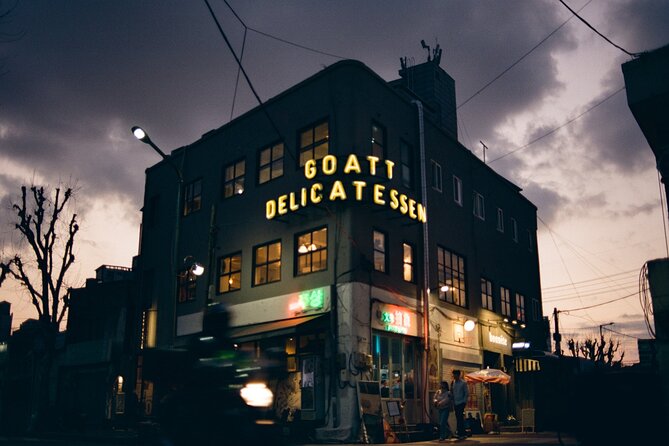
- Yeonnam-dong Maze Road gives you alley-and-street textures that feel more local than the big sights
- Kinam’s hands-on coaching can help you get better framing and focus from your first shots
- Film development + scanning ends with a download link, so you can actually use the photos afterward
- Up to 4 people keeps the pace calm and questions easy
- 24 shots total means you’ll shoot intentionally, which can be great or stressful depending on your style
Why Shooting Film in Hongdae Feels Different
Seoul is great for photography, but digital cameras and phones make it too easy to treat everything like content. Film forces a slower rhythm. You start thinking about light, distance, and timing because you don’t have unlimited tries.
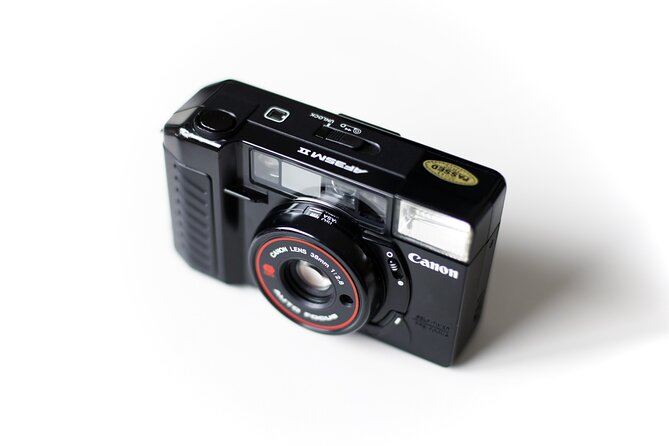
Here, that film mindset is built into the format. You’re handed an automatic film camera and a Kodak roll with 24 exposures, then you walk in Hongdae’s orbit—specifically Yeonnam-dong—learning as you go. That one change can make the streets feel like they’re giving you stories instead of just scenery.
I also appreciate how this is designed for beginners. The camera is automatic, so you’re not wrestling with settings that can ruin your first roll. You can focus on composing and learning what to watch for—faces, signs, reflections, and those “wait, that alley is perfect” moments.
And yes, film means you won’t get instant results on your phone screen. That’s the drawback for people who need to see the shot immediately. But it’s also why the walk stays more mindful.
You can also read our reviews of more tours and experiences in Seoul.


Yeonnam-dong Maze Road Walk: What Your 3 Hours Really Do

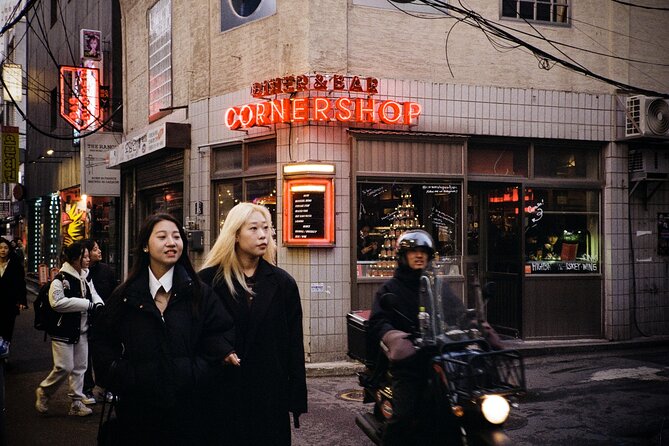
This is a focused neighborhood photo walk, not a full day of stops. Your route centers on Yeonnam-dong, with the key roaming happening along the Maze Road area—an environment made for photographers. You get layers: narrow lanes, turning corners, storefront edges, and street views that feel less like a postcard and more like how people actually live.
The pace is structured around learning. You’re not just wandering with a camera; you’re walking while getting explanations about the neighborhood. That kind of context helps your photos look more intentional afterward, because you understand what you were seeing and why it matters.
The 3-hour duration is about the right length for film learning. Long enough to settle into the rhythm, short enough that you don’t feel like you’re spending your whole day “practicing.” You’ll also end back at the meeting point, which keeps logistics simple.
What to consider: Maze-like streets can mean lots of turns and framing opportunities. It’s wonderful for creativity, but if you’re someone who gets impatient in tight spaces, you might want to keep your expectations realistic. Bring comfortable shoes and give yourself permission to pause often.
Automatic Camera Basics With Kinam: Learning Without the Stress
The star here is the human support. The guide for this experience is Kinam, and he’s part of why the whole thing works. In the feedback I saw, Kinam didn’t just hand people a camera and walk ahead—he sat with them to help prep for better-quality shots.
That matters, especially for first-time film shooters. Film can feel a little intimidating at first because one wrong move can cost you a frame. When someone takes time to show you how to use the automatic camera and how to think about your shots, you spend your energy on creativity instead of troubleshooting.
You’re also provided everything you need for the shoot:
- Automatic film camera
- 1 roll of Kodak film (24 shots)
So when you start walking, your learning stays practical. You’re not figuring out what film to buy, where to develop it, or whether your photos turned out. The guide helps you make the most of the roll you have.
One extra detail worth noting: in one case, Kinam allowed Jordan to keep the camera for a couple of extra days because Jordan hadn’t used much of the film during the original booking. That’s not something I can promise as a standard policy, but it’s a good sign that Kinam is willing to be flexible when it makes sense for your stay.
Shooting With Only 24 Frames: How to Stay Calm and Creative
A roll with 24 shots changes your whole approach. With a phone, you might take 20 near-identical photos of the same scene and pick the best afterward. With film, that approach can run out fast.
Here’s the mindset that makes this experience fun instead of stressful:
- Decide what you want before you raise the camera.
- Shoot, then look again without immediately shooting another frame.
- Treat each photo like it needs a reason.
The neighborhood you’ll cover helps this process. Yeonnam-dong has enough variety to give you options without having to chase one perfect photo for 30 minutes. If you’re patient, you’ll find patterns: repeating sign shapes, alley angles, contrasting textures, and street moments that only happen in a small patch of time.
Also, film can surprise you. Even when you’re new, automatic cameras can deliver satisfying results once you focus on distance and composition. You might end up with photos that feel more emotional and less clinical than digital snaps.
Developing the Film and Getting Your Scans
This is one of those activities where the ending matters just as much as the walking part. At the end, your film gets developed and scanned, and you’ll receive a download link.
That’s the practical piece: scanned images mean you can share your photos and use them digitally without needing to handle physical prints. It also solves the biggest hassle for first-timers—getting film developed correctly. You’re not left hunting for a lab after your walk.
One thing you should expect: you’re handing over the creative work in the morning or early part of your timeline, then waiting for the scan output. The experience doesn’t list exact turnaround timing, so don’t build your schedule around same-day files.
But if you plan your trip with a bit of breathing room, it’s a smart setup. You get a guided photo walk now, then your film photos show up as usable images afterward.




Value Check: Is $56.07 Worth It?
At $56.07 per person, it’s not a “cheap coffee” activity, but it also isn’t overpriced for what’s included. What you’re paying for is the combination of:
- Automatic film camera provided during the walk
- 1 roll of Kodak film (24 shots)
- Film development and scanning, culminating in a download link
If you were to price those pieces separately—camera rental, film, and processing—the totals often climb quickly. Here, they’re bundled into a neat 3-hour experience that includes instruction, too.
The small group size (up to 4 people) also affects value. In a bigger group, you might get less help and spend more time guessing. In a smaller group, you can ask questions and actually improve your shots while you walk.
Meals and drinks are not included, so factor that into your day. But for the photographic work, the value feels solid: you’re buying guidance plus real film processing, not just a stroll with a rental object.
Getting There at 183 Yanghwa-ro and Staying Comfortable
The meet-up point is 183 Yanghwa-ro, Mapo-gu, Seoul, South Korea. The good news is that it’s listed as near public transportation, which helps because Hongdae-area routes are easy to plug into most transit plans.
You’ll also start there and end back at the same meeting point. That matters because you don’t need to figure out where to go next when the activity ends.
The duration is about 3 hours, and you’ll use a mobile ticket. That’s convenient if you’re already carrying your phone for transit and photos. Just make sure your battery is healthy, because film learning + navigating Hongdae can eat phone power if you’re using it for maps.
Comfort tip: you’ll be walking through neighborhood lanes. Wear shoes you actually like. And since you’re shooting film, you’ll probably pause a lot. Plan a day where you can linger, not one where you have to rush to a show.
Who Should Book This Film Camera Club Tour
I think this is a great fit if:
- You want a hands-on photo experience in Hongdae without complicated camera settings
- You like slower travel moments and want a neighborhood walk with context
- You’ve never shot film and want help using the camera correctly
- You want the photos turned into usable digital scans via download link
It’s also a good match for couples or friends who want something more personal than a standard city tour. With up to 4 people, the group stays manageable.
I’d consider skipping it (or at least thinking twice) if:
- You need instant proof of your photos right away
- You hate the idea of limited shots and prefer taking lots of digital options
- You’re only interested in major sights, because this centers on Yeonnam-dong street scenes rather than landmark checklists
- You’re hungry and don’t want to plan snacks, since meals and drinks are not included
Should You Book the Seoul Film Camera Club?
If you’re curious about film and you want your first roll to feel guided and doable, I’d say yes. The value is strongest when you care about the process: walking Yeonnam-dong’s Maze Road, learning with Kinam, and ending with development and scans you can actually use.
It’s not the right pick if you want a strict sightseeing agenda or if you need to see your results immediately. But if you like creativity with boundaries—24 frames, a calm pace, and a real neighborhood walk—this experience is the kind of Seoul moment that turns into photos you’ll keep thinking about.
FAQ
FAQ
How long is the Seoul Film Camera Club experience?
It’s approximately 3 hours.
What camera and film are included?
You get an automatic film camera plus 1 roll of Kodak film with 24 shots.
Will I get digital copies of the photos?
Yes. Your film is developed and scanned, and you’ll receive a download link.
Where does the tour start and end?
It starts at 183 Yanghwa-ro, Mapo-gu, Seoul, South Korea, and ends back at the same meeting point.
Are meals or drinks included?
No. Meals and drinks are not included.
What is the cancellation policy?
Free cancellation is available. You can cancel up to 24 hours in advance for a full refund. If you cancel less than 24 hours before the start time, you won’t receive a refund.